5 Ways of Blending Gray Hair Without Regular Root Touch Ups
Published: 13 Sep 2026
Gray hair can look effortlessly beautiful but the constant cycle of covering visible roots can make maintaining your color feel like a never-ending task. Fortunately, you do not have to choose between frequent salon visits and letting your natural grays grow in without a plan. Strategic highlights, lowlights, dimensional color and softer transitions can help blend gray strands into your overall look while creating a more natural grow-out. Discover these 5 smart ways to blend gray hair without regular root touch-ups and find a low-maintenance approach that works with your natural color and personal style.
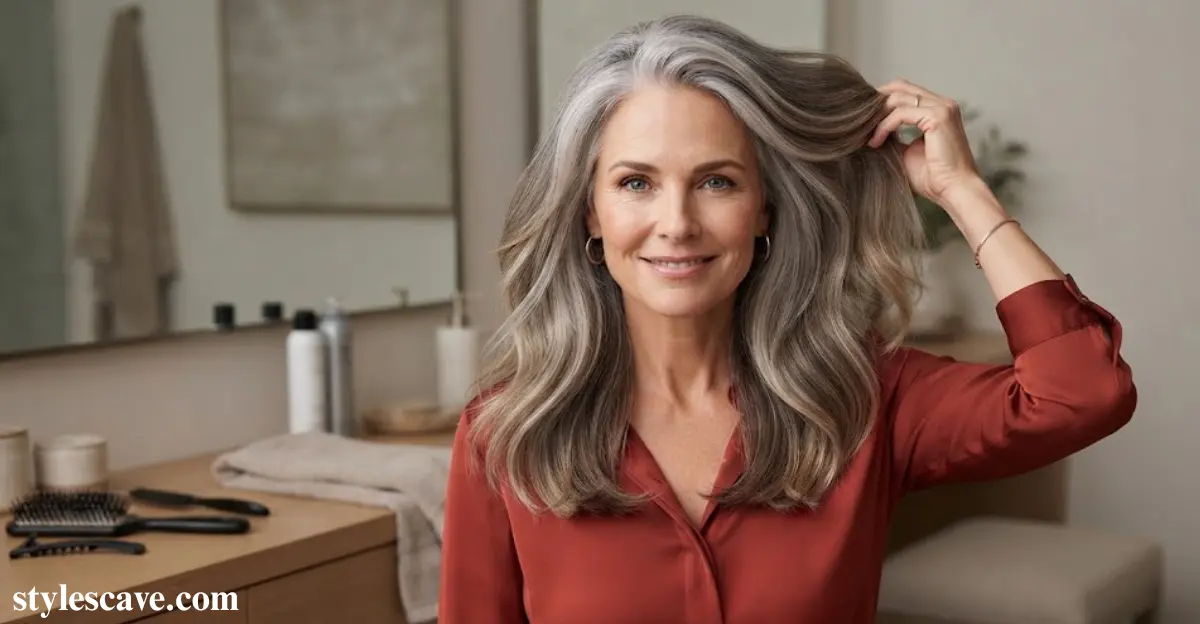
Table of Contents
Gray Coverage
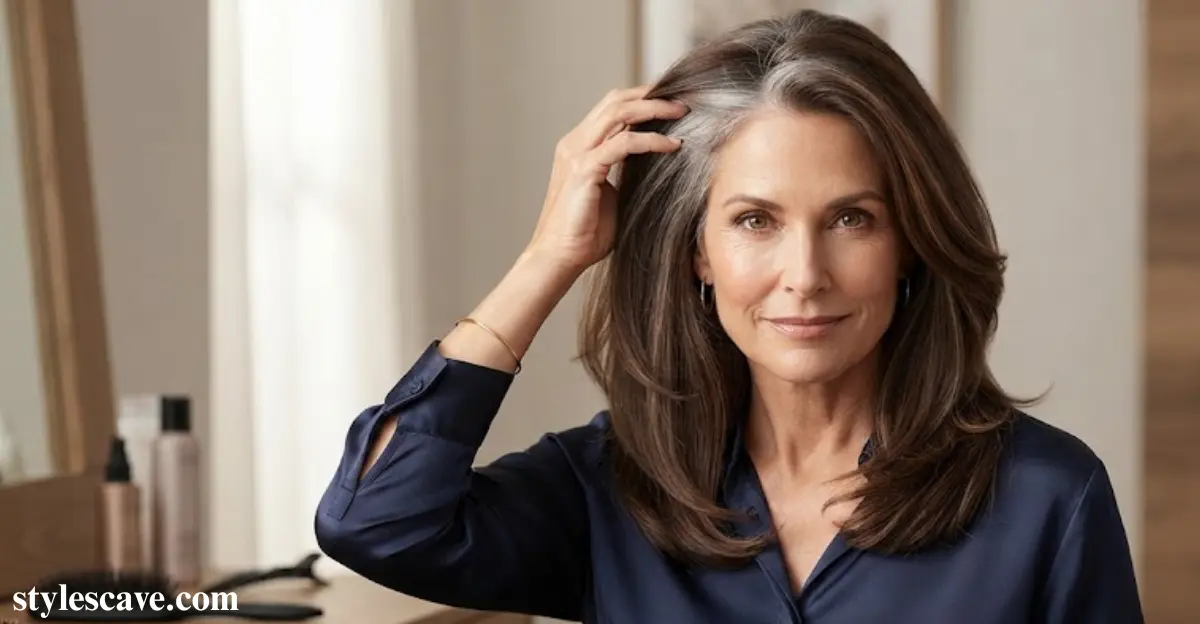
Gray coverage does not always mean committing to a permanent color routine, especially if you only want to keep gray roots from showing between appointments. If you regularly cover gray roots, a salon can create a seamless result, while temporary touch-ups offer a quicker option for maintaining a polished appearance.
A standard root color can fully cover gray, but highlights may be a better choice when you want to diffuse the hard line as new growth appears. Instead of creating an obvious contrast when the gray starts to grow in, strategically placed lighter pieces can help the transition look softer and more blended.
Gray Roots, Gray Coverage, Temporary Touch-Ups
When gray roots appear between appointments, temporary touch-ups can provide convenient gray coverage without requiring a full color service. They are especially useful for quickly refreshing visible areas before an event or important occasion.
Salon, Standard Root Color, Highlights
A salon can recommend whether a standard root color or highlights will work better for your level of gray. Root color provides stronger coverage, while highlights can blend gray into the surrounding hair for a softer appearance.
Diffuse the Hard Line, Gray Starts to Grow In
One advantage of highlights is their ability to diffuse the hard line that can appear when gray starts to grow in. Instead of having one noticeable band between colored roots and natural gray, lighter pieces create a more gradual transition.
Silver Sparklers, Blend Right In
If your natural gray looks more like silver sparklers, carefully placed highlights can help those strands blend right in with the rest of your color. This approach can make silver hair look intentional rather than something that needs constant concealment.
Cover Gray Roots, Regularly, Nobody to Know
If you want to cover gray roots regularly so there is nobody to know your hair is naturally graying, consistency matters more than using heavy color everywhere. Choosing the right root product and refreshing only the areas that need it can keep the result natural.
I’ve found that gray coverage looks much more natural when I avoid treating every strand the same way. For clients who want to keep their color discreet, I often focus on the visible root area first and use softer highlights around it so new silver growth does not create such a noticeable line.
Blending Gray Hair with Highlights and Lowlights
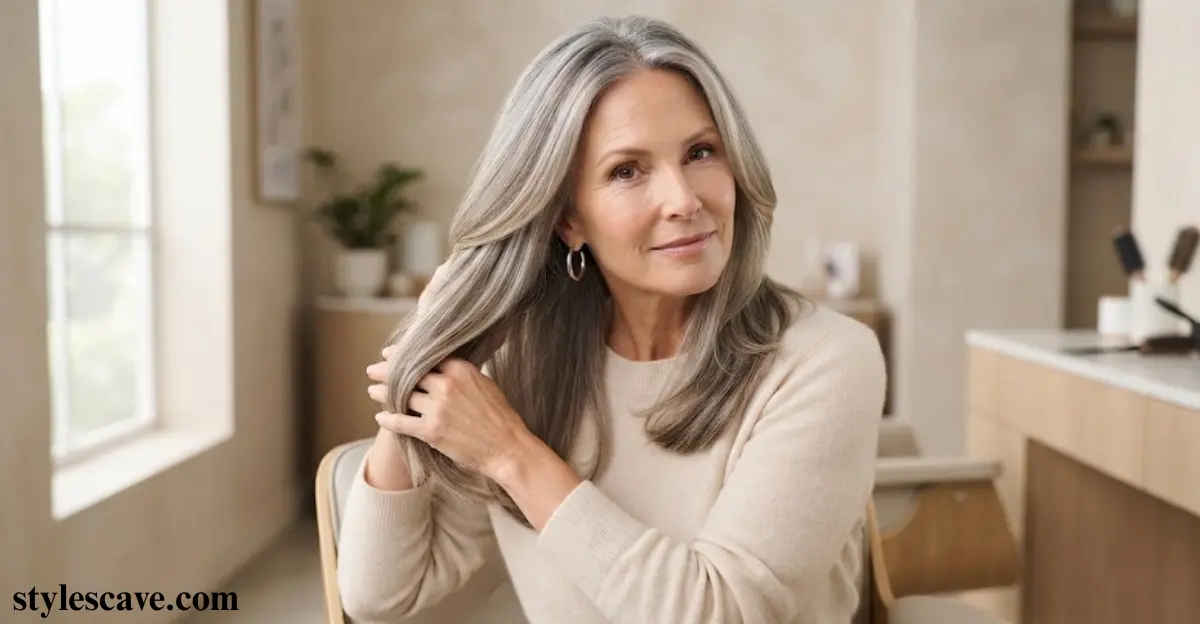
Blending gray hair with highlights and lowlights can make transitioning to gray hair feel much easier and more natural. Instead of covering every strand with solid color, this technique helps blend your gray into your existing shade while creating a lower-maintenance look that grows out more softly.
A solid color often requires frequent trips to the salon, sometimes as often as every four weeks, because new gray hairs can create a visible contrast. Highlights and lowlights add dimension around the crown of your head, helping prevent a harsh skunk stripe and allowing you to feel more confident as your natural gray becomes part of your normal color.
Highlights, New Gray Hair, Part of the Highlight
When new gray hair appears, your hairstylist can position highlights so some of the gray becomes part of the highlight pattern. This makes the growing-in process look intentional instead of creating a sharp line between colored and natural hair.
Masks the Grays, Blends Them In
Strategically placed lighter pieces can mask the grays without completely hiding them. As the color grows out, those gray strands can blend them in with surrounding highlights, creating a softer transition that requires less frequent maintenance.
Shades Darker Than Your Natural Color
Lowlights in shades darker than your natural color can add depth and gently darken your locks, while highlights use colors lighter than your natural shade to brighten selected areas. Using both creates more dimension than relying on one flat color.
Multi-Tonal Look, Camouflage Unwanted Colors
A multi-tonal look combines light and dark shades to camouflage unwanted colors and make gray-hair growth less obvious. Because several tones work together, the eye is less likely to focus on one distinct area of regrowth.
Gray-Hair Growth, Natural Look, Hairstylist
A professional hairstylist can adjust the placement and tone of highlights and lowlights according to your natural color and pattern of gray-hair growth. The goal is a natural look that allows your silver strands to become part of the overall color rather than something you constantly need to hide.
When helping someone transition away from frequent root coloring, I’ve noticed that the biggest difference comes from adding dimension rather than simply making the hair lighter. A thoughtful mix of highlights and lowlights makes the gray transition feel gradual, and the regrowth usually looks much softer between appointments.
Gray Hair Glossing
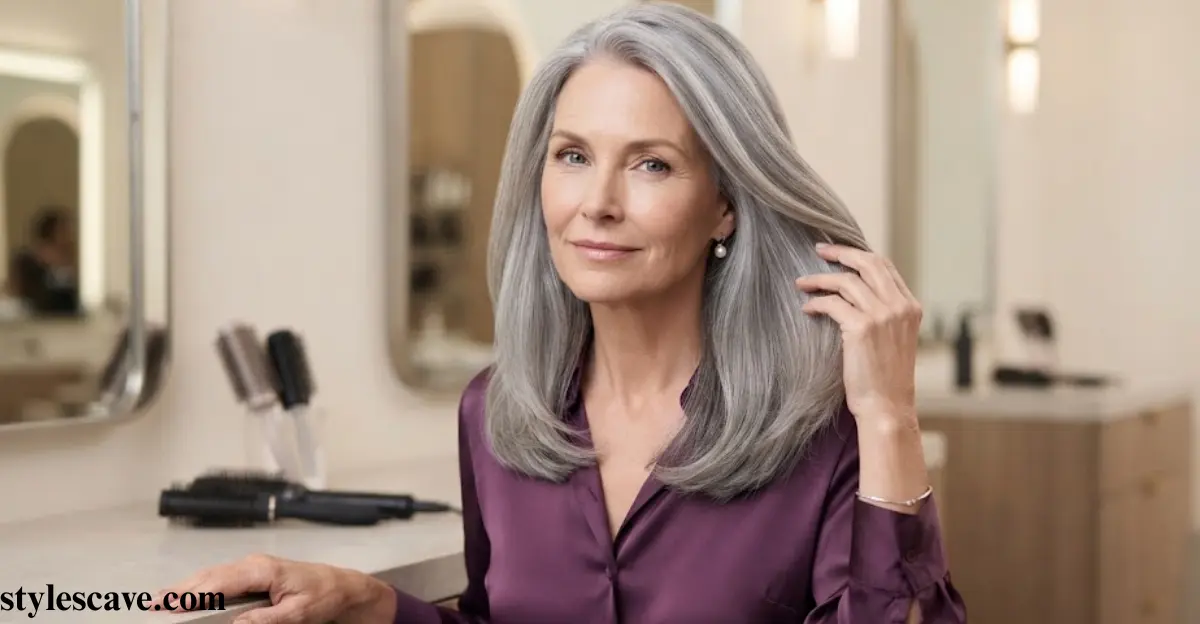
Gray hair glossing is a gentle way to blend your gray while keeping the overall color soft and natural. Unlike permanent color that can leave a visible line of demarcation as new growth appears at the top of your head, a hair gloss treatment creates a more subtle transition between your natural gray and existing color.
Most glosses are semi-permanent meaning the color gradually fades away instead of leaving a harsh regrowth line. Depending on the manufacturer and formula results can last around four to eight weeks, making a gloss especially useful when you want to refresh your hair before a special event without committing to permanent color.
Hair Gloss Treatment, Semi-Permanent, Line of Demarcation
A hair gloss treatment is semi-permanent, so it can soften the contrast between natural gray and previously colored hair. Because the color fades gradually, it is less likely to create the obvious line of demarcation associated with permanent root color.
Four to Eight Weeks, Gradually Fades Away Manufacturer
Depending on the formula and manufacturer, a gloss may remain noticeable for approximately four to eight weeks. Since it gradually fades away, the hair can transition back toward its natural appearance without requiring an immediate color appointment.
Coarser Texture, Hair Follicles and Hydrating Oils
Gray hair can sometimes develop a coarser texture as changes occur around the hair follicles. Gloss formulas containing hydrating oils can help condition the surface of the hair, making silver strands feel softer and more manageable.
Moisturizing, Shiny, Dimension, Hair Strand
Besides adding color refinement, glossing can have a moisturizing effect that leaves each hair strand looking smoother and shinier. The reflective finish can also enhance dimension, particularly when gray, silver and natural tones are already mixed throughout the hair.
Stain, Fades Over Time, 75% of Gray Hair
A gloss can temporarily stain the hair with a sheer tone that helps blend up to 75% of gray hair, depending on the product and the condition of the strands. Because that color fades over time, the result becomes progressively softer rather than leaving a permanent change as the gray grows.
I’ve found glossing especially useful when someone wants their gray to look polished but does not want to start a strict permanent-color routine. The subtle shine makes silver strands look intentional, while the gradual fade keeps the grow-out process much easier to manage.
Going Au Naturel
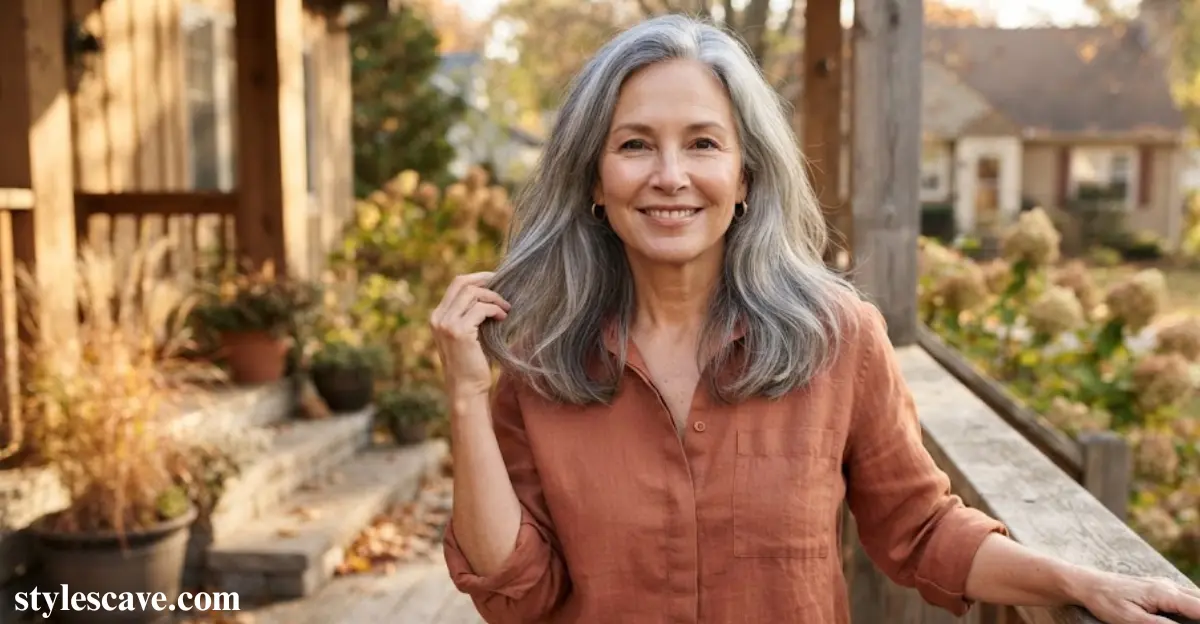
Growing in your gray hair can be a surprisingly graceful process, especially when you stop viewing every new silver strand as something that needs to be covered. For people with dark hair who have been coloring for years, simply letting it grow in may feel challenging at first, but the transition can become easier with the right approach.
The best method depends on the amount of gray you have and how different it is from your existing color. Someone with blonde hair may find the transition naturally softer, while dark-haired people can use a few highlights or a lighter color through the mid-lengths and ends to make the gray grow in less noticeable.
Growing in Your Gray Hair, Graceful Process, Dark Hair
Growing in your gray hair is a gradual change, and it can become a more graceful process when you allow the natural pattern to develop. With dark hair, the contrast may be stronger at first, so patience and strategic color placement can make the transition easier.
Blonde, Coloring for Years, Letting It Grow In
Blonde hair often provides a softer starting point because silver strands can blend more easily with lighter tones. If you have been coloring for years, gradually letting it grow in can reduce the need for frequent root coverage while allowing your natural shade to return.
Amount of Gray, Few Highlights, Lighter Color Ends
The amount of gray you have should guide how much transitional color you need. Few highlights or a lighter color around the mid-lengths and ends can soften the contrast, particularly when your roots are significantly lighter than the rest of your hair.
Cool-Toned Highlights, Silver Highlights and Throughout the Hair
Cool-toned highlights and silver highlights can be placed throughout the hair to connect existing color with your natural gray. This creates a more blended appearance while helping the silver look intentional instead of appearing as isolated strands.
Roots Grow Out, Consistent Maintenance, Hair Trims, Multiple Sessions
As your roots grow out, regular but manageable maintenance can keep the transition looking polished. Hair trims help remove older colored ends, while multiple sessions may be necessary to gradually reach the desired result rather than trying to change everything at once.
When I’ve helped someone move away from years of permanent color, I’ve found that rushing the process usually creates more frustration than necessary. Giving the natural gray time to appear, combining it with carefully chosen highlights, and trimming away old color little by little transforms feel much more achievable.
Maintaining Faux Gray
Maintaining faux gray takes a little more attention than living with natural gray hair, because the silver shade has been created through a professional gray hair color process. Your current hair color, especially if it is dark, may need color removal and lightening before gray highlights or a full faux gray color can be achieved. This makes the transition more involved and can sometimes lead to hair damage if the hair is not handled carefully.
Once the desired gray has been created, regular gray hair maintenance becomes important because faux gray is usually a short-lasting color. Using suitable gray hair products, including gray hair shampoos and gray hair conditioners, can help maintain the tone and improve color retention. For blonde or silver shades, purple-toning shampoos and purple-toning masks can also help control unwanted yellow tones between salon visits.
Natural Gray Hair, Faux Gray, Gray Highlights and Current Hair Color
Natural gray hair grows according to your own pattern, while faux gray has to be created and maintained through color services. Your current hair color determines how much preparation is needed, and gray highlights can be a useful option when you want a dimensional silver effect rather than one solid shade.
Color Removal, Blonde Hair, Faux Gray Color and Hair Damage
Creating a faux gray color often starts with color removal, particularly when previously dyed hair is dark. Blonde hair may require less lifting, but any major lightening process can increase the risk of hair damage, so the condition of the strands should be considered before changing the color.
Gray Hair Shampoos, Gray Hair Conditioners, Gray Hair Products
Gray hair shampoos, gray hair conditioners, and other gray hair products can support your maintenance routine after the salon service. A good conditioner is particularly useful because keeping the strands soft and manageable can make silver-colored hair look smoother and healthier.
Pigment, Color Refresh, Gray Highlights and Color Maintenance
Over time, the pigment in faux gray can fade or become less balanced, making a color refresh useful. A stylist can adjust the tone of your gray highlights and restore the intended silver appearance without necessarily repeating the entire original color process.
Purple-Toning Shampoos, Purple-Toning Masks, Unwanted Yellow Tones
Purple-toning shampoos and purple-toning masks can be helpful when silver or blonde areas begin showing unwanted yellow tones. They deposit subtle pigment that helps keep the color looking cooler, but they should be used according to the product directions to avoid over-toning.
I’ve seen faux gray look beautiful for much longer when the focus stays on both color and hair health. After a major lightening service, I would rather use gentle protein treatments or bond treatments and schedule smaller color refreshes than repeatedly process already damaged locks. For someone growing out gray hair, combining subtle highlights and lowlights can eventually create a more low-maintenance look while giving the hair time to recover.
Conclusion
Blending gray hair is no longer about hiding every silver strand or scheduling constant root touch-ups. What makes these techniques valuable is the way highlights, lowlights, balayage and dimensional tones can soften the contrast between natural gray and your base color while creating a more seamless grow-out. Choosing a technique that works with your natural gray pattern can also make your hair look intentional, polished, and beautifully dimensional. A low-maintenance color plan means fewer salon appointments without giving up a fresh appearance. With the right approach and regular care, you can embrace your grays while enjoying a softer more natural-looking transition.
FAQs
What is the best way to blend gray hair without regular root touch-ups?
Highlights, lowlights, balayage, and gray blending techniques can soften the contrast between gray roots and your existing hair color. The best option depends on your natural gray pattern, base color, and desired maintenance level.
What hair color is best for blending gray roots?
A shade that closely complements your natural gray and existing color usually creates the most seamless grow-out. Dimensional tones and strategically placed highlights can reduce the appearance of harsh root lines.
Are highlights or lowlights better for blending gray hair?
Both can be effective, but they serve different purposes. Highlights can brighten and soften gray strands, while lowlights add depth and help create a more dimensional transition between gray and darker hair.
How can I make gray hair grow out more naturally?
Ask your stylist for a gray-blending technique rather than an all-over color that creates a strong root line. Softer highlights, balayage, toning, and colors that complement your natural gray can make the grow-out much less noticeable.
How often should gray-blended hair be maintained?
Gray-blended color generally requires less frequent maintenance than traditional root coverage, although the timing depends on how quickly your hair grows and the technique used. Occasional toning or gloss treatments can help maintain shine and tone between larger color appointments.






- Be Respectful
- Stay Relevant
- Stay Positive
- True Feedback
- Encourage Discussion
- Avoid Spamming
- No Fake News
- Don't Copy-Paste
- No Personal Attacks
- Be Respectful
- Stay Relevant
- Stay Positive
- True Feedback
- Encourage Discussion
- Avoid Spamming
- No Fake News
- Don't Copy-Paste
- No Personal Attacks
