40 Smart Haircuts That Hide a Receding Hairline
Published: 14 Sep 2026
A receding hairline doesn’t mean you have to compromise on style or confidence. The right haircut can create better balance, add natural texture and draw attention to your strongest features while making thinning areas less noticeable. From clean low-maintenance cuts to textured and modern styles there are plenty of smart options worth trying. In this guide you’ll discover 40 haircuts that hide a receding hairline and help you find a look that feels flattering effortless and confidently you.
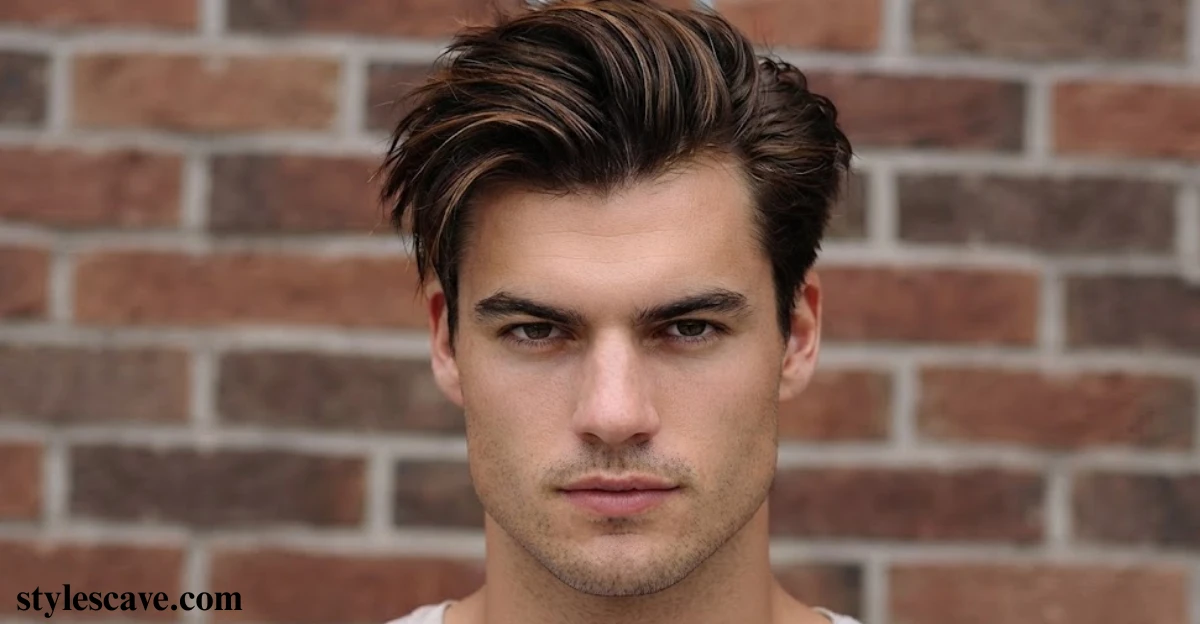
Table of Contents
40 Modern Haircuts That Help Hide a Receding Hairline
Choose your favorite cut, save the look for your next barber visit and discover a hairstyle that works naturally with your hairline and hair texture.
1. Brushed Back Hair
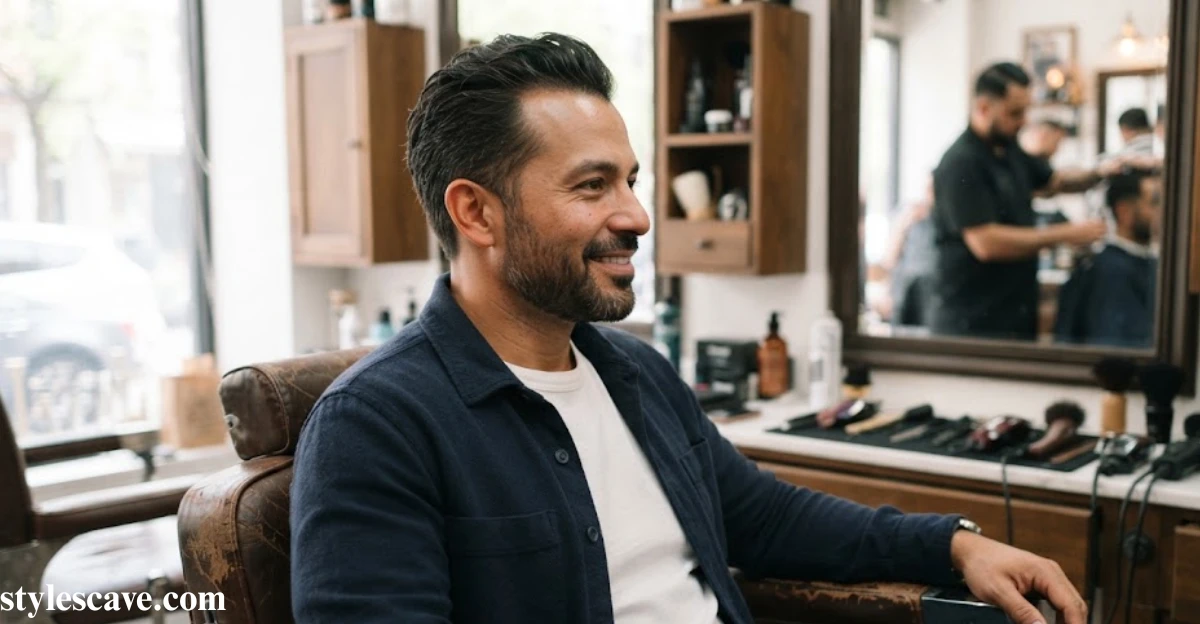
A brushed-back hairstyle works especially well with a medium-to-thick hair texture, because the extra density helps create natural shape and fullness. Longer strands give the hair enough length to move backward smoothly, while a clean finish keeps the style looking intentional rather than overly stiff.
For men with facial hair, keeping the beard or stubble well-groomed can complement the structured appearance of brushed-back hair. If you want to grow out strands for this style, allow enough hair length to build the shape gradually and work with your natural hair texture instead of forcing it into place.
I’ve found that brushed-back styling looks much better when the hair has a little natural movement rather than being pressed completely flat. With medium or thicker hair, I usually work the longer strands backward while keeping the sides neat, which gives the hairstyle a polished but relaxed finish.
2. Upward-Styled Cut with Beard
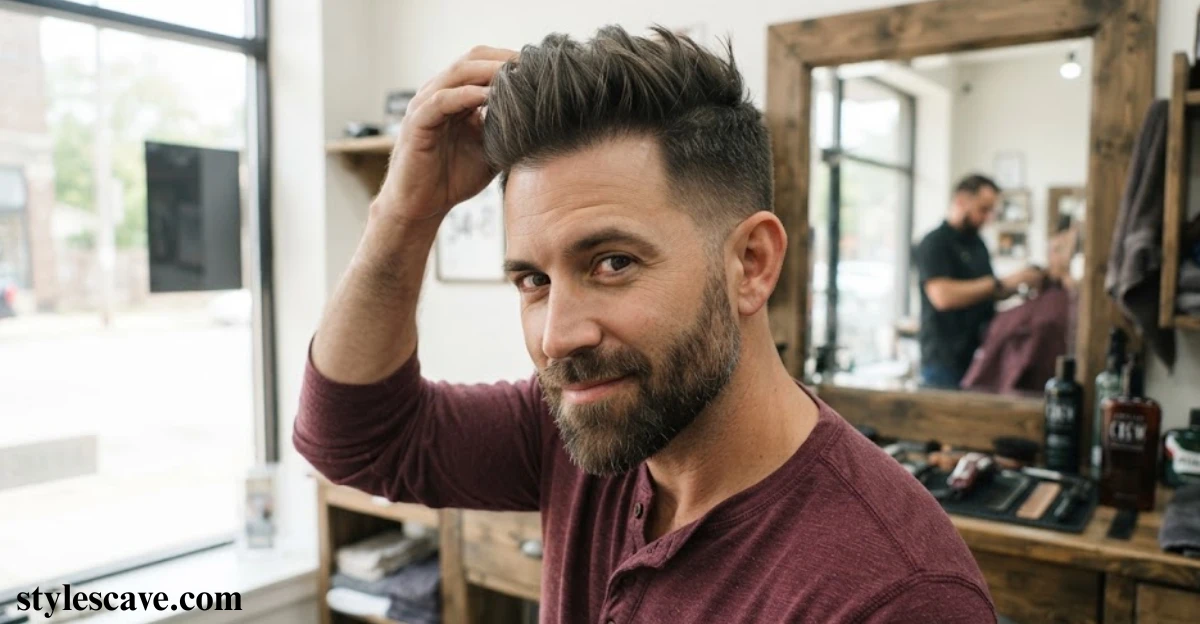
An upward-styled hair look creates a confident balance between a polished finish and a rugged appearance. The hair can be directed straight upward and then slightly to the side, while a neatly shaped beard adds structure around the face and gives the style a masculine but approachable boy-next-door character.
This cut can also work well for men with a receding hairline because the longer top can be styled strategically rather than simply brushed backward. Side styling and a small amount of gel can help pull the longer hair toward the front, allowing the gelled hair to create coverage while keeping the hair on the sides and back neat.
From a styling perspective, I find this look easiest to control when the top is allowed to grow long enough before shaping it. I work the longer section forward first and then lift it upward and slightly sideways, which gives the hair more volume without making the finish look overly rigid.
3. High Fade Haircut
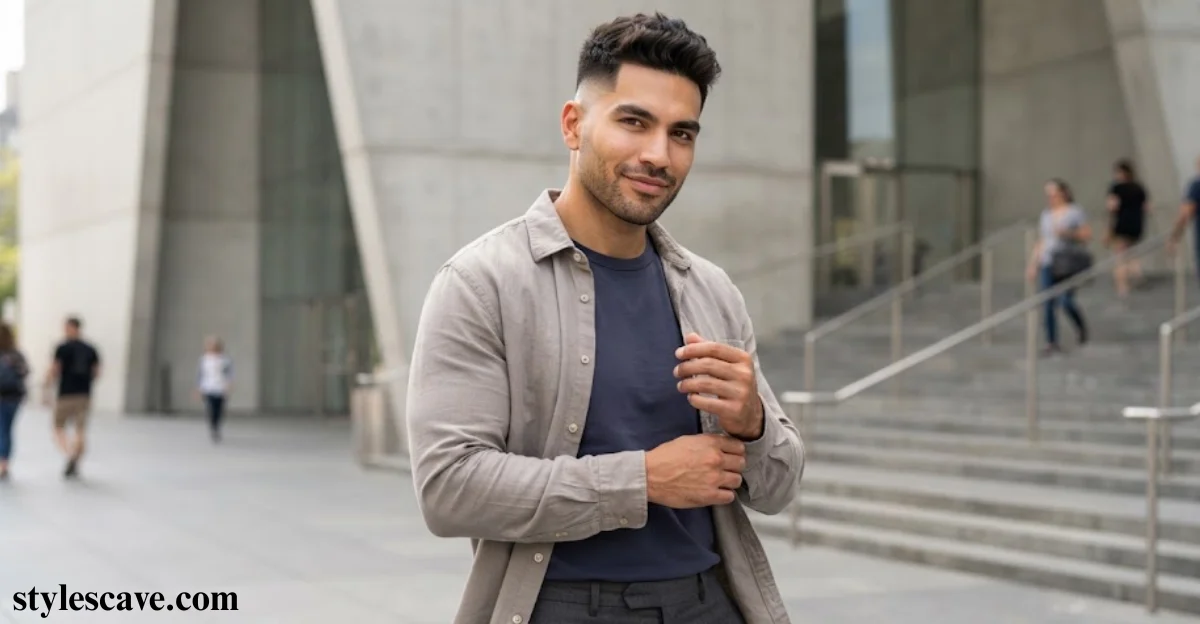
A high fade haircut creates a strong contrast by keeping the faded sides noticeably shorter while leaving more textured hair on top. When combined with a long beard, the sharp transition between the haircut and facial hair creates a distinctly rugged look that feels bold and masculine.
A full scruffy beard can make the haircut appear even more substantial, especially when the beard is allowed to retain some natural texture. This masculine hairstyle works particularly well as a beard-focused style, with the fuller facial hair balancing the clean precision of the high fade.
One combination I’ve always liked is a high fade with a beard that keeps some natural roughness instead of being perfectly sculpted. The contrast makes the haircut feel current while the facial hair maintains that stronger rugged appearance.
4. Old-School Comb-Over
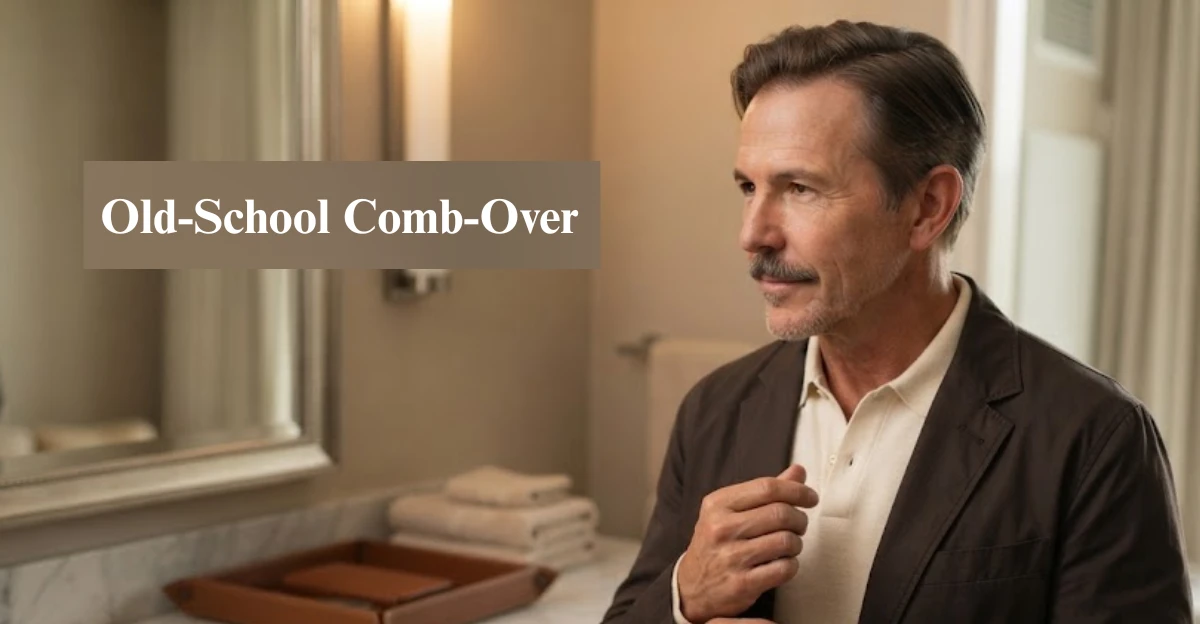
The old-school comb-over remains an enduring style because its clean shape has stayed recognizable across generations. A clean-cut top with short hair creates a simple foundation, while thick facial hair or a full beard can add more character without taking away from the traditional finish.
This classic hairstyle can look particularly distinguished when visible gray is allowed to remain part of the overall appearance. Rather than trying to make every strand look perfectly modern, the combination of a traditional style, gray hair, and a well-kept beard creates a confident and mature traditional style.
Years of seeing this cut on different clients have shown me that its simplicity is actually its biggest strength. I like keeping the top neat and controlled while allowing the thick beard to provide some contrast, especially when natural gray is already part of the look.
5. Undercut and Ruffled Spikes
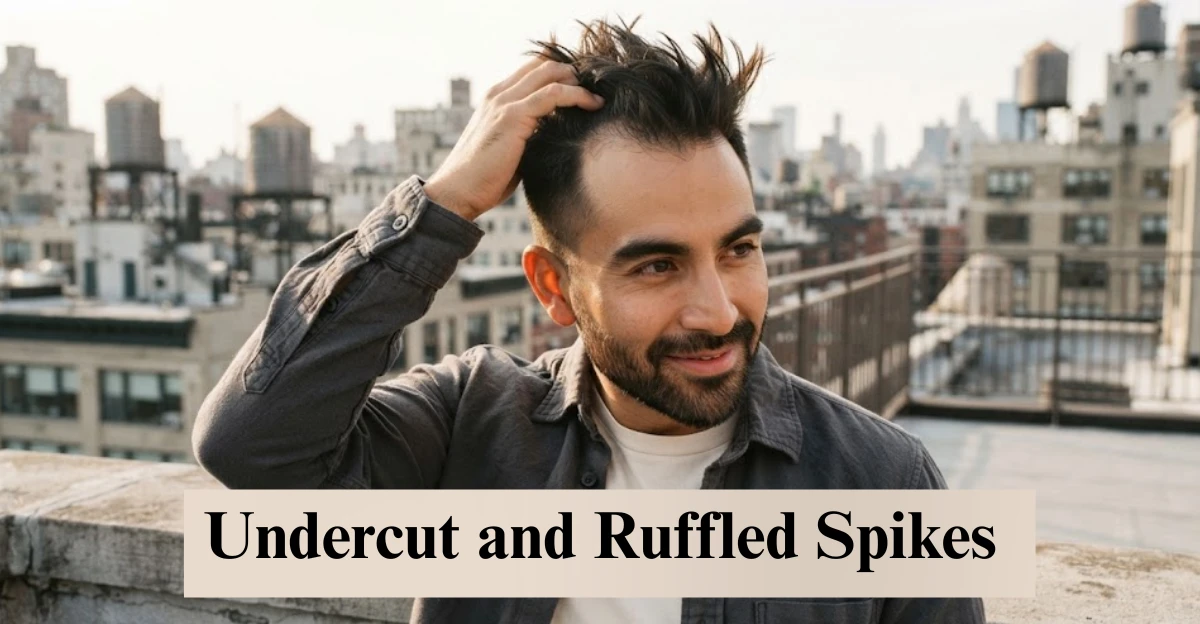
An undercut hairstyle with ruffled spikes brings out an inner rocker soul while still giving you plenty of control over the overall shape. Keeping the sides shaved creates a strong contrast with the long hair on top, making the spikes the obvious focal point of the haircut.
The top can be shaped into long spikes that move upward or forward-styled spikes that create a more rebellious finish. A little styling gel provides the strong hold needed to keep the gelled top in position, especially when you want the style to maintain its signature shape throughout the day.
When I want a hairstyle to feel more playful, I rough up the top before adding any product instead of making every spike perfectly uniform. Pushing a few sections forward and leaving others slightly uneven gives the spiked hair a much more natural, energetic finish.
6. Mini Mohawk with Shaved Sides
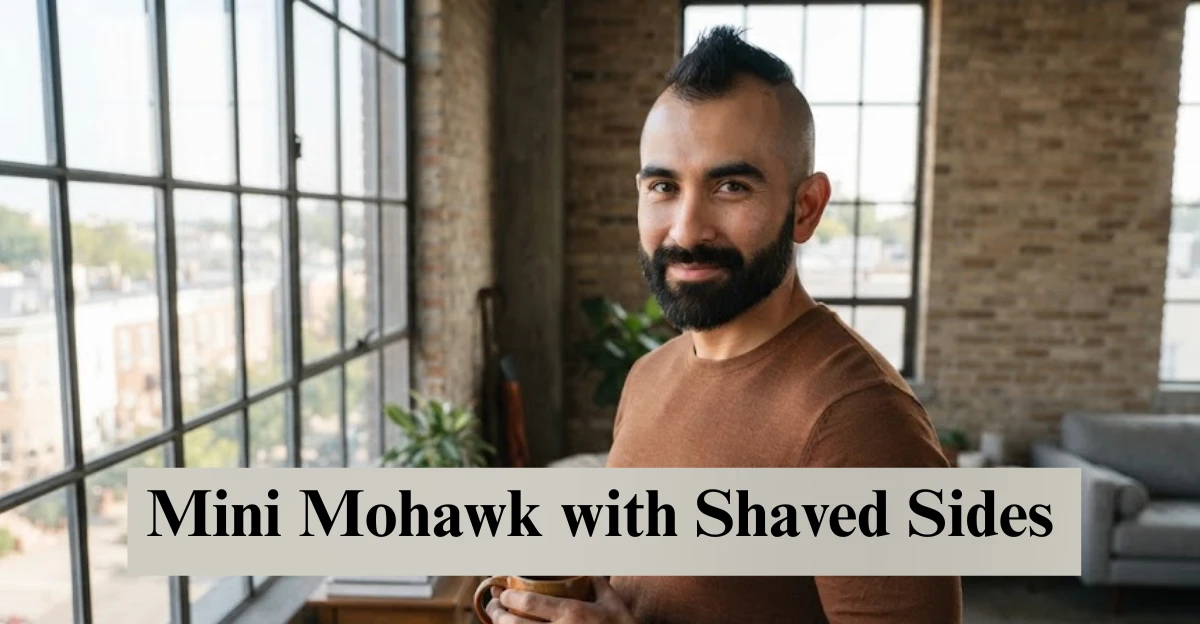
A mini mohawk is a practical choice for anyone who wants a distinctive haircut without spending too much time styling it. With the shaved sides taken down completely, the attention stays on the tuft of hair through the top section, creating a stylish contrast while keeping the overall haircut easy to manage.
This look can also work for men experiencing hair loss, although the completely shaved sides may leave more of the exposed scalp visible. Keeping some height in the top section and adding complementary facial hair can help create balance while giving the haircut a more intentional and masculine appearance.
For a low-effort style, I like how little daily work this cut requires once the shape is established. Keeping the sides completely clean and using a small amount of product through the top lets the tuft stay defined without turning the routine into a long styling session.
7. Bald Fade with Full Beard
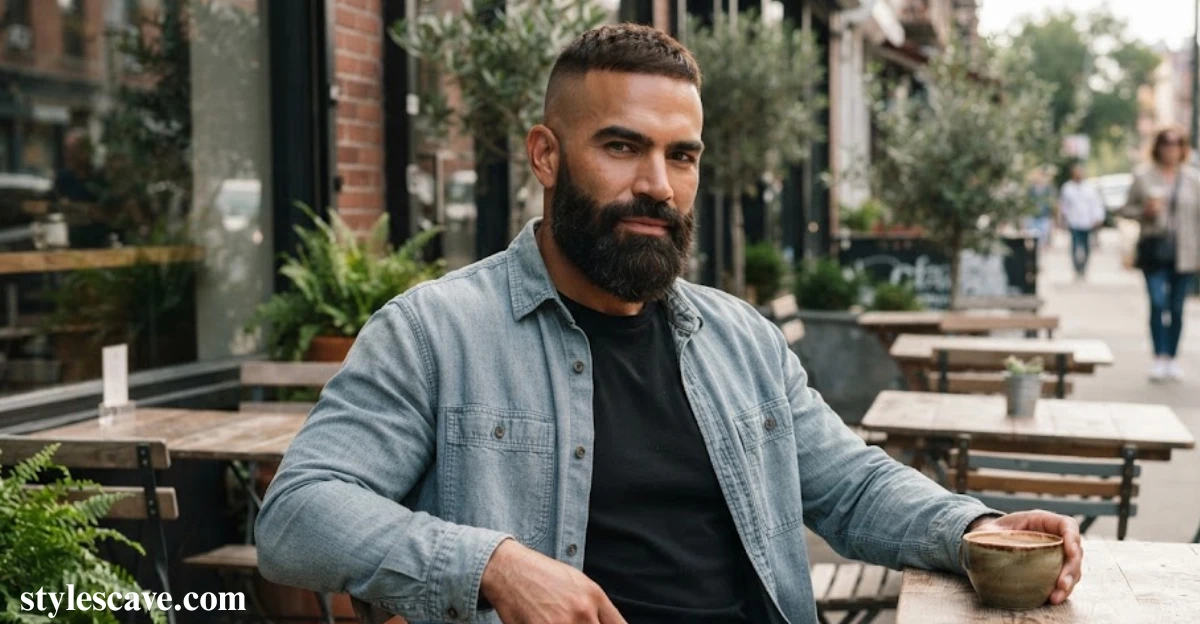
A bald fade with a full beard creates a clean, simple hairstyle that places strong emphasis on your facial structure. The extremely short sides remove visual bulk around the head, while the full facial hair gives the lower half of the face more presence and helps create a balanced overall appearance.
For men concerned about hair loss, this short haircut can be particularly straightforward because there is no attempt to disguise thinning areas with complicated styling. The beard-focused style naturally guides the eye lower, allowing the beard and enhanced facial features to become the main focus.
What I appreciate about this combination is how naturally the haircut and beard work together. When the sides are kept clean and the beard has a strong shape, the whole appearance looks intentional, even when there is very little hair left on top.
8. Voluminous Top with Tapered Sides
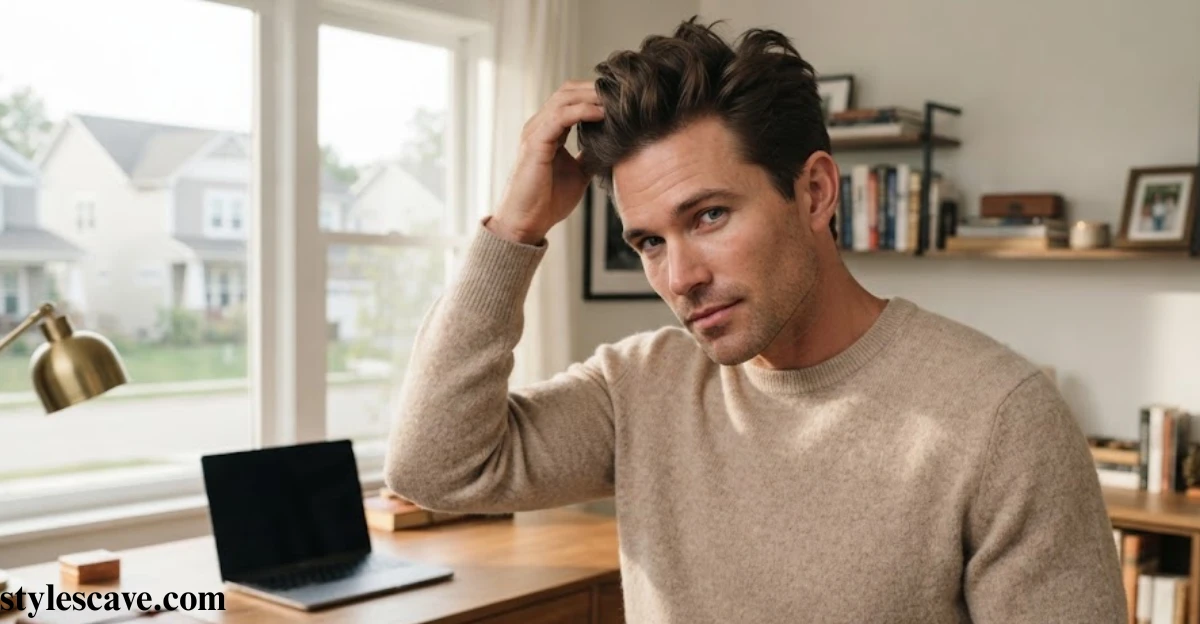
A voluminous top can create useful visual volume at the crown, while tapered sides keep the overall shape controlled. This balance can make the head appear more proportionate, especially when thinning hair or an uneven texture makes certain areas look less consistent.
Instead of relying on extremely short cuts everywhere, a layered hairstyle can leave enough length on top to build structure and shape. Strategic layering can make thinner areas appear less prominent, while the shorter sides keep the haircut neat and prevent the top from looking unnecessarily heavy.
In my experience, creating volume is less about piling on styling product and more about choosing the right length. I like keeping enough hair around the crown to build lift, then using the tapered sides to make that extra height look balanced.
9. Classic Pompadour
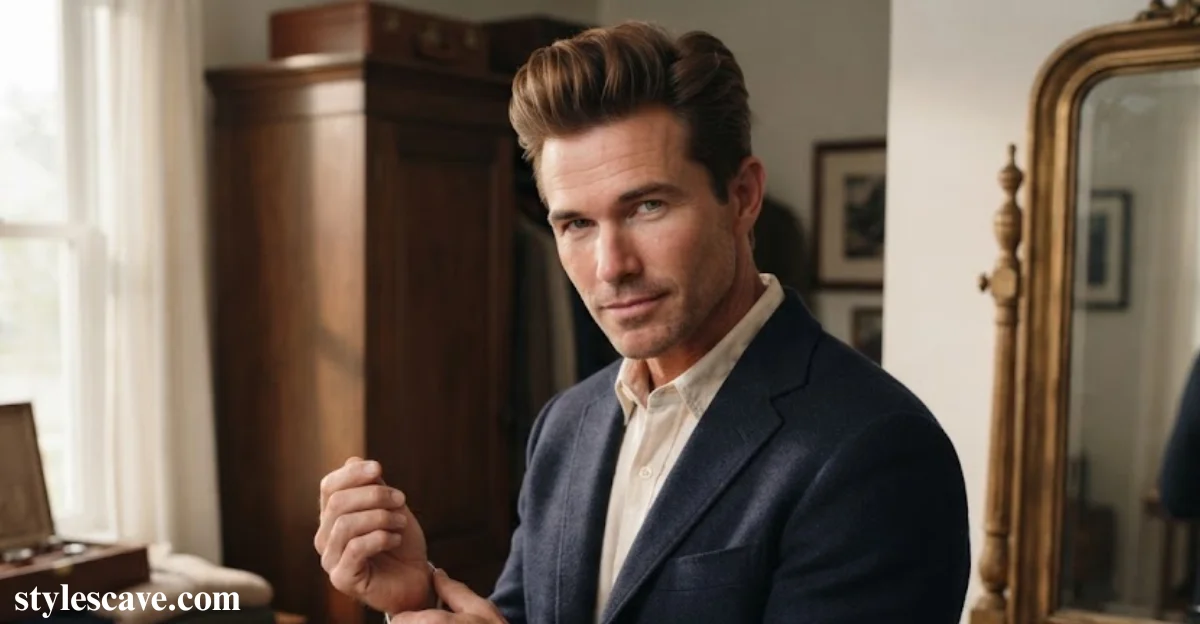
The classic pompadour remains a stylish haircut because its lifted shape can make the hair appear noticeably fuller. By directing the front upward and backward, the pompadour hairstyle adds height and creates a more substantial silhouette, making it useful for men who want a polished but confident appearance.
It can also be adapted for men with receding hairlines by using the available length strategically rather than forcing the hair straight back. Although the style has an old-fashioned history, modern shaping makes it a trendy hairstyle that works for younger men as well as people of almost any age.
One thing I enjoy about this style is how easily its personality changes with the amount of volume. A higher front gives a bolder, more dramatic effect, while a softer lift makes the pompadour feel modern and wearable without looking overly formal.
10. Side-Parted Slicked-Back Style
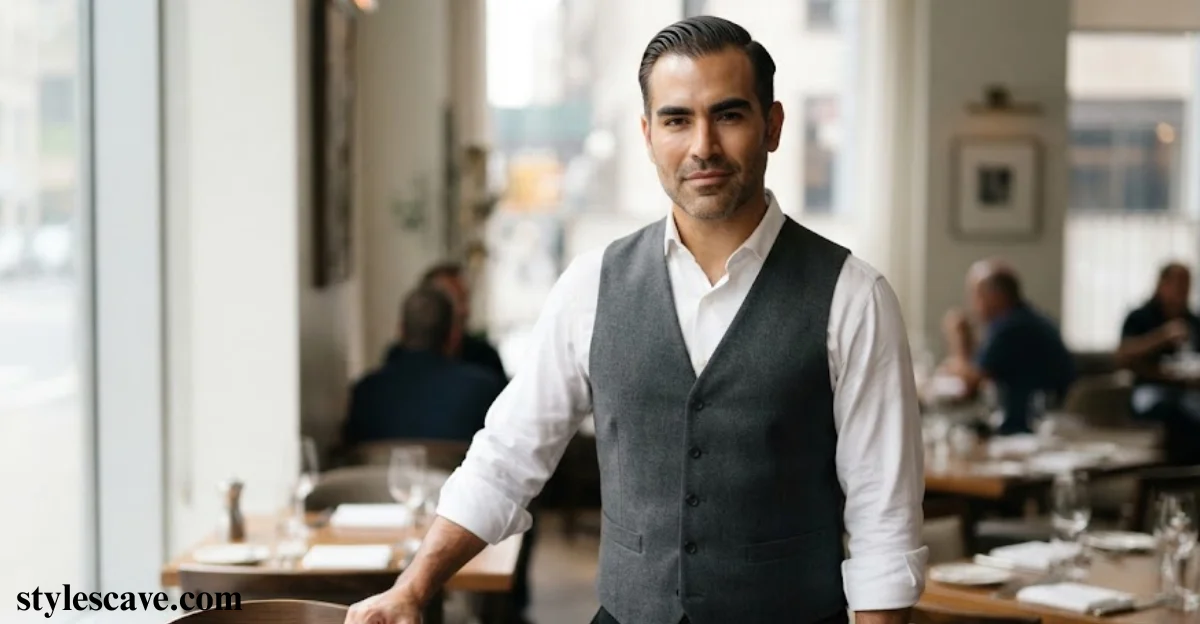
A side part combined with a slicked-back top creates a simple yet flattering shape that works well with different face types. Keeping the sheared sides noticeably shorter makes the thicker top section stand out, while a touch of facial hair can add definition and balance around the jaw.
Men with a receding hairline can use a long top section to create a fuller appearance without making the style look forced. Brushing the top backward with a controlled finish gives the haircut a purposeful appearance, while the contrast between the sides and top makes the hair look naturally thicker.
When styling this cut, I find that keeping the side part slightly natural gives a better result than creating an extremely sharp division. I usually smooth the thicker top backward while leaving enough movement to maintain that fuller, polished appearance.
11. Volume in the Middle

For men whose hair is receding, creating height through the center can help counterbalance the changing shape of the V-shaped hairline. Instead of emphasizing the thinner areas around the sides, keeping more center length gives the hairstyle a stronger focal point and creates the impression of a fuller top.
A loose comb-back works particularly well because it avoids pulling every strand tightly against the scalp. When there is still plentiful hair through the center, a little volumizing spray can build lift and make the longer middle section appear more substantial without looking overly styled.
One technique I like for this situation is applying volumizing spray before directing the center backward. I avoid flattening the sides completely because leaving a little natural texture around them makes the middle volume look more believable.
12. Slicked Over Side Part
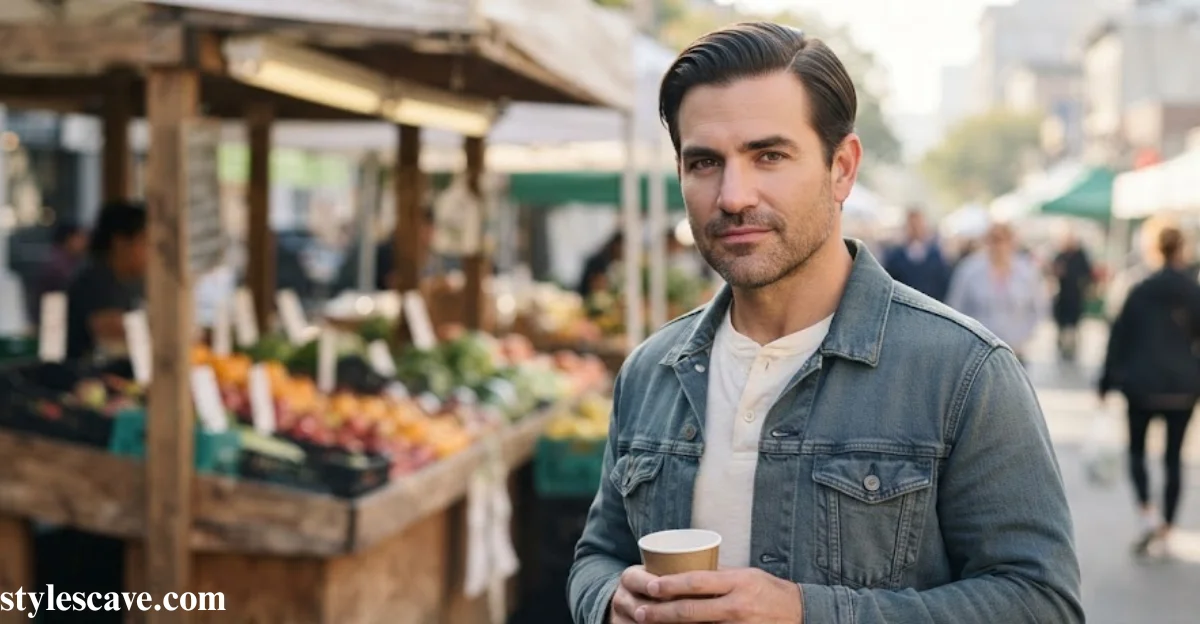
A side-parted hairstyle can be especially forgiving when the hairline has some natural asymmetry. Combining a natural part with a taper fade keeps the overall shape clean, while the shorter length around the temples prevents excess weight from making the sides appear bulky.
Rather than trying to completely hide every curve and angle of the hairline, the haircut can work with those features to redesign the hairline visually. When the hair lies correctly, controlled flat styling across the top creates a flattering shape that follows the natural facial features.
I’ve had better results with this style when I let the natural part determine the direction of the hair. Once the shorter temples are cleaned up, the top tends to settle into place much more easily and creates a purposeful finish without excessive product.
13. Mid Bald Fade
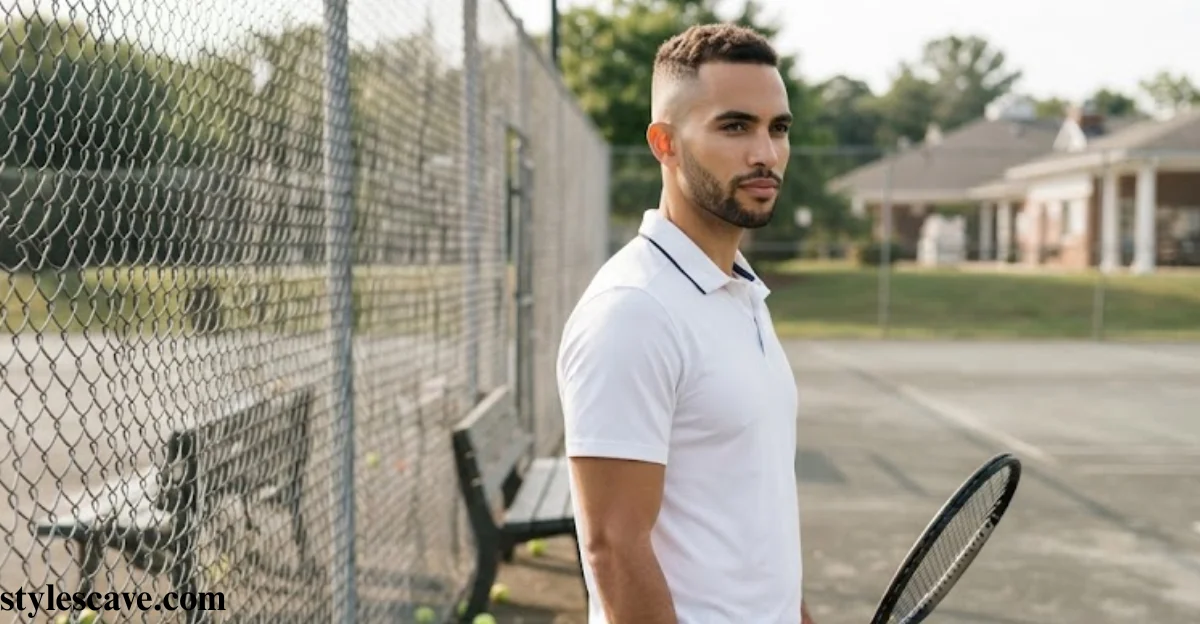
A mid bald fade is a low-maintenance haircut that keeps the sides extremely clean while leaving enough length above the fade for a balanced shape. Because so little hair remains around the lower sides, it can also feel like a particularly cool haircut during the warm months when heavier styles become uncomfortable.
Men experiencing thinning hair may find this approach useful because it does not depend on creating complicated coverage. A precise forehead line-up can sharpen the front, while a softened hairline and faded sides give the finished cut a clean appearance without making the hairline look unnecessarily harsh.
During warmer weather, I like how quickly this haircut can be refreshed without needing much styling afterward. Keeping the fade clean and the forehead line-up controlled gives the whole cut a sharp finish even when the top is kept relatively simple.
14. Edgy Pompadour
The edgy pompadour takes the shape of a traditional pompadour and gives it a more contemporary personality. The classic silhouette became strongly associated with the late 1950s and early 1960s, but adding texture and irregular movement gives the style a fashionable update rather than making it feel strictly vintage.
Men with curly hair or a naturally wavy texture can use that movement to create a more distinctive version of the style. Instead of smoothing everything perfectly, leaving spiky ends and visible texture adds modern flair while preserving the recognizable height of the classic hairstyle.
I enjoy working with natural waves on this haircut because they make the pompadour feel less rigid. Rather than fighting every bend in the hair, I enhance the existing texture and shape the ends so the finished style has a slightly rebellious edge.
15. Clean Slicked Back Cut
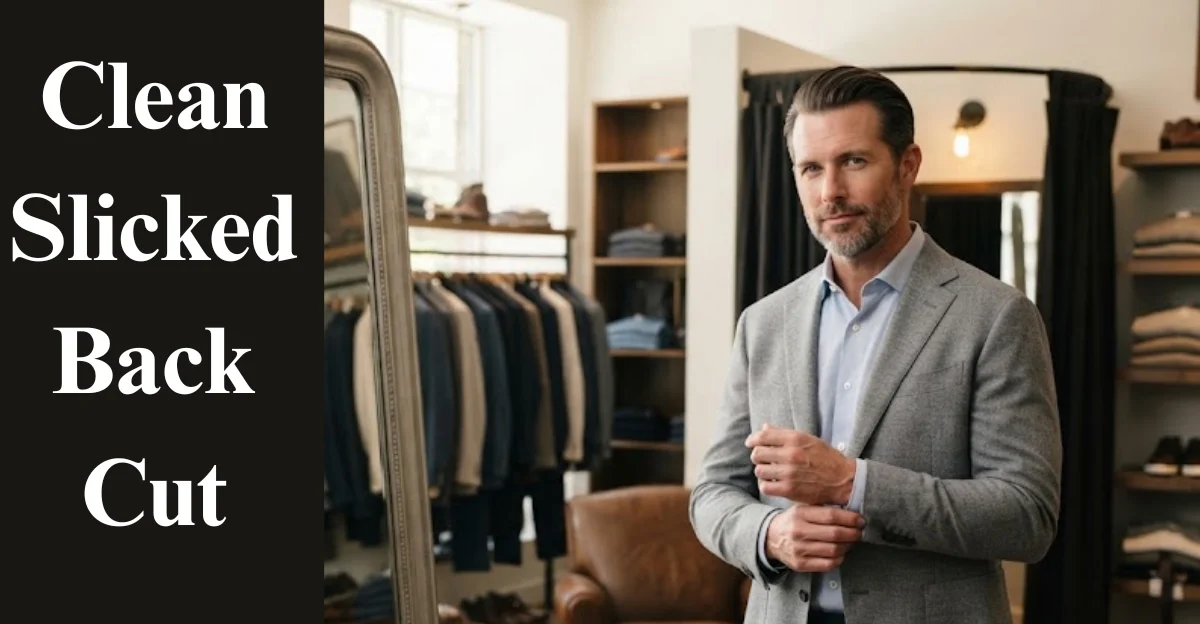
A clean slicked-back cut combines the polished appearance of slicked-back hair with the recognizable shape of a pompadour. Keeping the short sides extra neat creates a strong contrast with the longer top, making the haircut look structured while remaining relatively simple to maintain.
This classic men’s hairstyle can also suit men experiencing early-stage hair thinning, particularly when the top still has enough length to create a controlled shape. The style has remained popular through celebrity style trends because it gives the hair a deliberate appearance while keeping the sides clean and understated.
When I work with this type of cut, I concentrate most of the styling effort on the longer top rather than overworking the short sides. A smooth finish through the front and crown gives the haircut its signature appearance, while the shorter sides keep everything looking crisp.
16. High Fade with Facial Hair
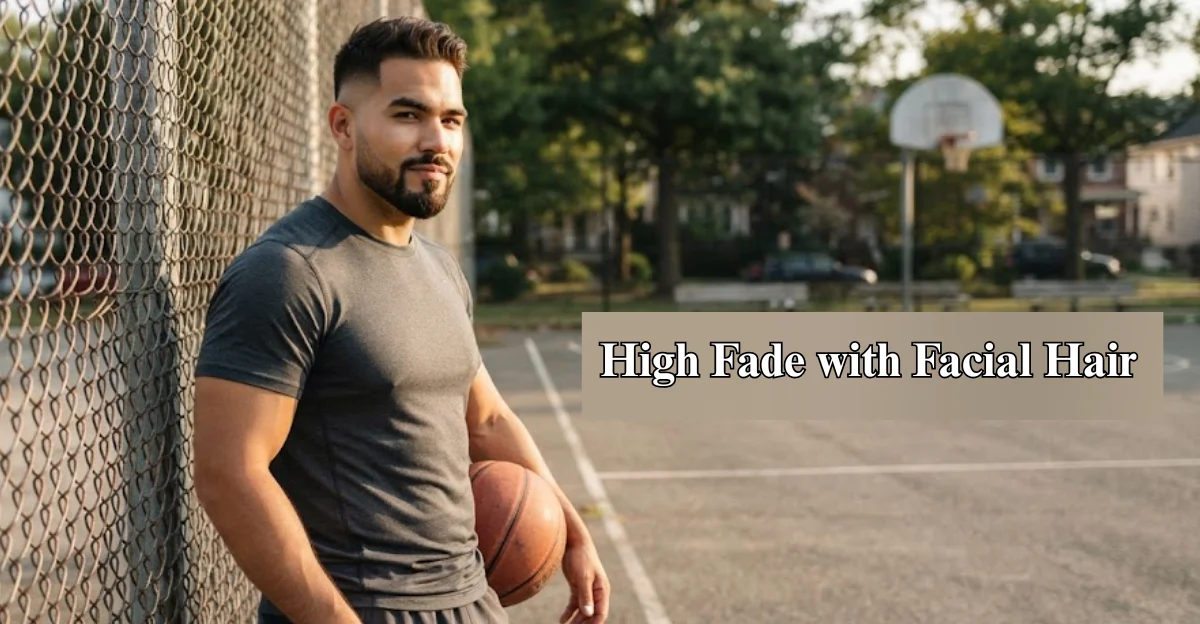
A high fade haircut removes much of the less hair from the sides of the head, creating a strong contrast with the longer top. This difference in length can be especially useful for men with thinning hair, because keeping more texture above the fade gives the haircut a stronger overall shape.
Adding well-groomed facial hair helps balance the look by giving more visual weight around the lower half of the face. A groomed beard also complements the shorter sides and longer top, creating balanced proportions that make the entire cut feel deliberate and sharp.
When putting this combination together, I pay close attention to where the fade meets the beard. Keeping that transition clean makes the haircut look much sharper, while leaving enough length on top prevents the style from appearing too severe.
17. Curly Side-Parted Pompadour
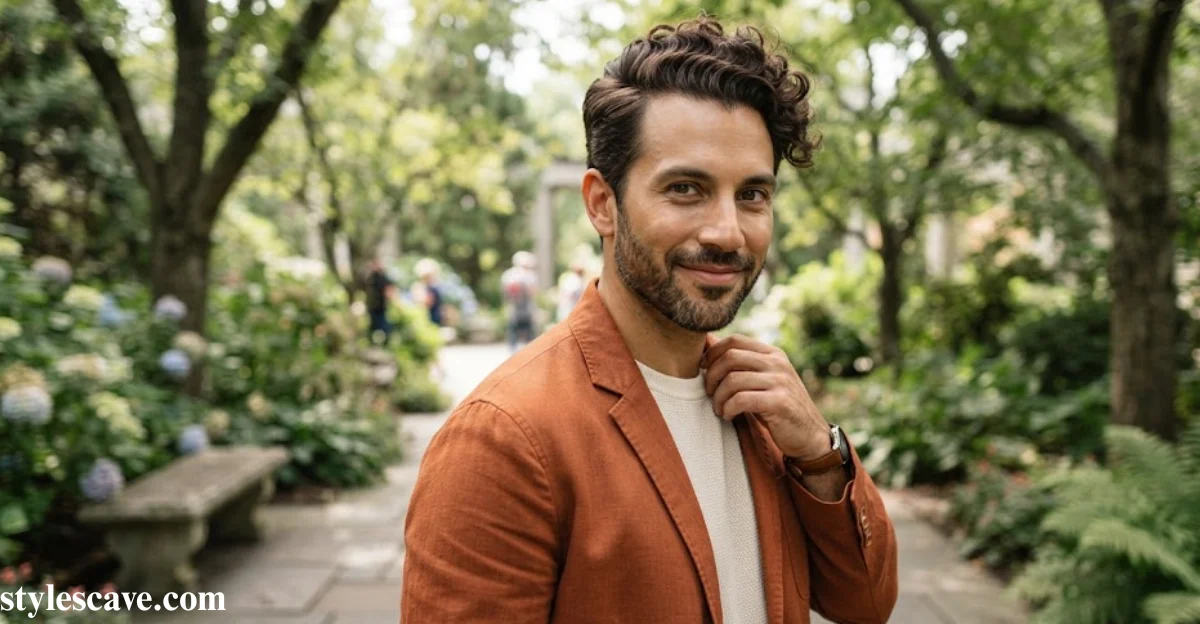
A curly pompadour brings the height and structure of a classic pompadour together with the natural movement of curls. Adding a defined side part gives the style a polished direction, creating a dapper hairstyle that feels more distinctive than a completely straight pompadour.
Natural curls can also give this classic style a more relaxed hipster style personality without losing its distinguished appearance. The combination is the best of both worlds, pairing a formal silhouette with a curly texture and a polished finish that still allows the hair to move naturally.
Curly hair gives me more room to experiment with this pompadour because the texture creates volume without requiring excessive product. I like defining the side part first, then shaping the curls upward so the finished style remains polished rather than overly controlled.
18. Buzzed Skin Fade
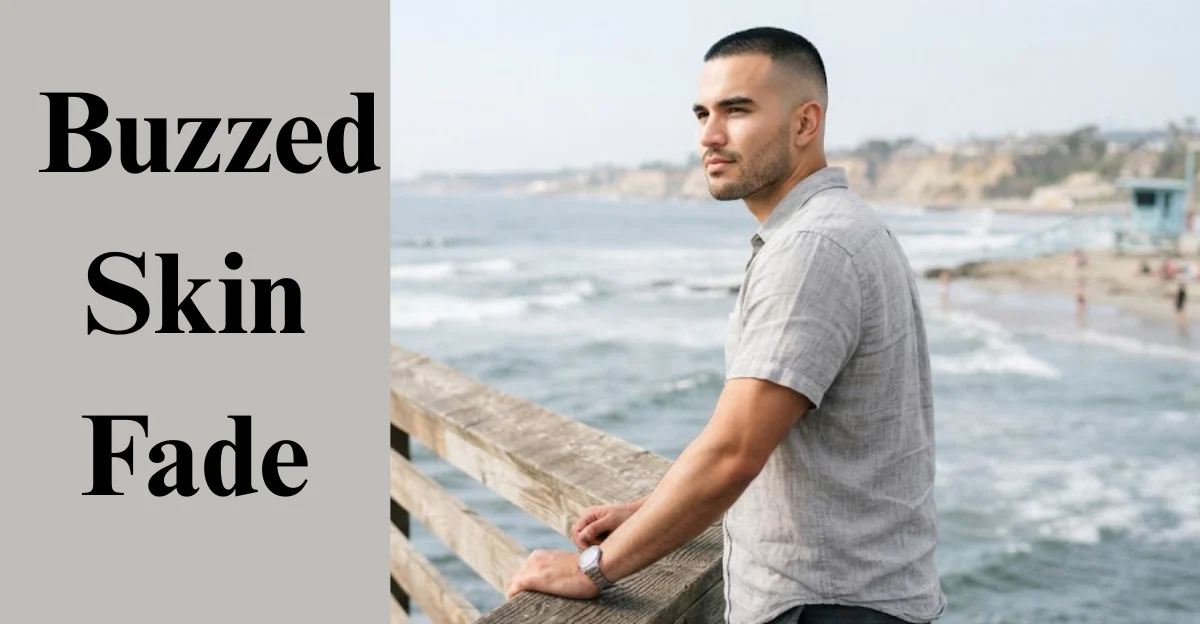
A buzzed skin fade can be an effective option when a receding hairline makes longer hairstyles increasingly difficult to maintain. Combining a buzz cut with a clean shave around the lower sides creates an extra-short haircut that looks intentional instead of attempting to disguise every area of hair loss.
For someone considering shaving your head but not quite ready to commit to a completely shaved look, this can work as a useful transition hairstyle. The skin fade gradually moves from exposed scalp into the short hair above, giving the cut a clean progression and a popular modern appearance.
I often see this as a good middle ground for someone nervous about going completely bald. Starting with a buzzed top and skin fade lets you experience the extra-short appearance first, while still leaving enough hair to decide whether a full shave is right for you.
19. Razor Fade Pompadour
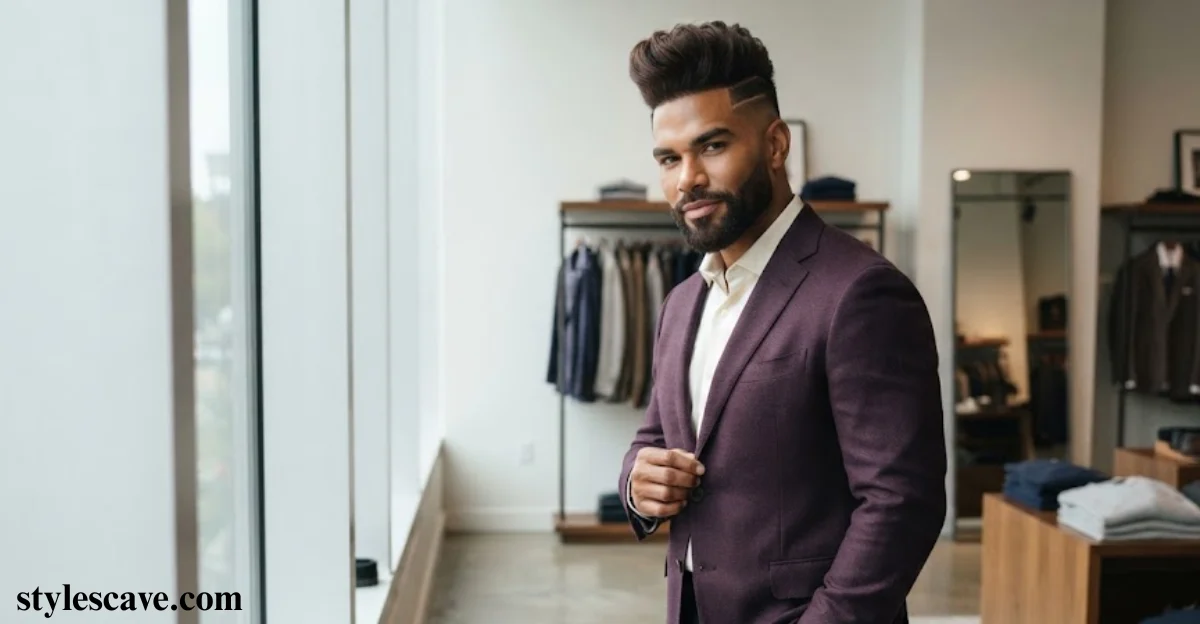
A razor fade pompadour creates a particularly strong contrast by combining a tapered fade with a fuller-looking top. The sides are taken down close to the scalp, while the remaining length above creates height and structure, making the pompadour the main visual focus of the haircut.
This sharp difference can also be useful for men with a receding hairline because the eye is naturally drawn toward the styled top rather than the shorter areas. A carefully shaped razor fade can make the sides appear deliberately clean, while the fuller top provides more presence around the face.
I like about this cut is the dramatic change between the shaved sides and the lifted top. I keep the razor work precise and concentrate the styling product through the upper section, which helps the pompadour maintain its fuller shape.
20. Taper with Rounded Line-Up
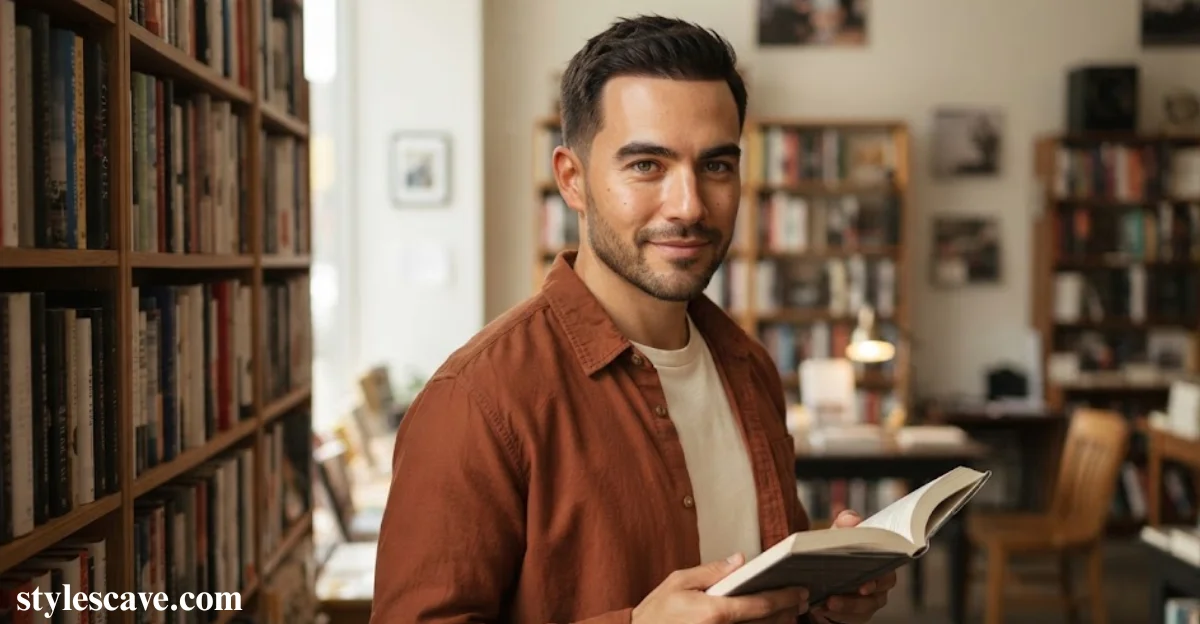
A taper haircut with a rounded line-up offers a softer alternative to extremely sharp geometric edges. Instead of forcing the hairline into straight angles, the curved edges can follow the natural shape around the ear and sideburns, creating a finish that looks cleaner without appearing artificial.
The taper gradually dissolves into the skin, allowing the shorter sections to connect smoothly with the natural hair. When paired with a shadow beard, the sideburn area can continue into the facial hair through a seamless blend, while the rounded shape keeps the overall style connected to the natural hairline.
I prefer following the existing curve of the hairline when creating this type of line-up instead of making the edges overly square. Once the taper reaches the ear and sideburns, a softer transition into the shadow beard makes the entire haircut look naturally connected.
21. Tapered Faux Hawk
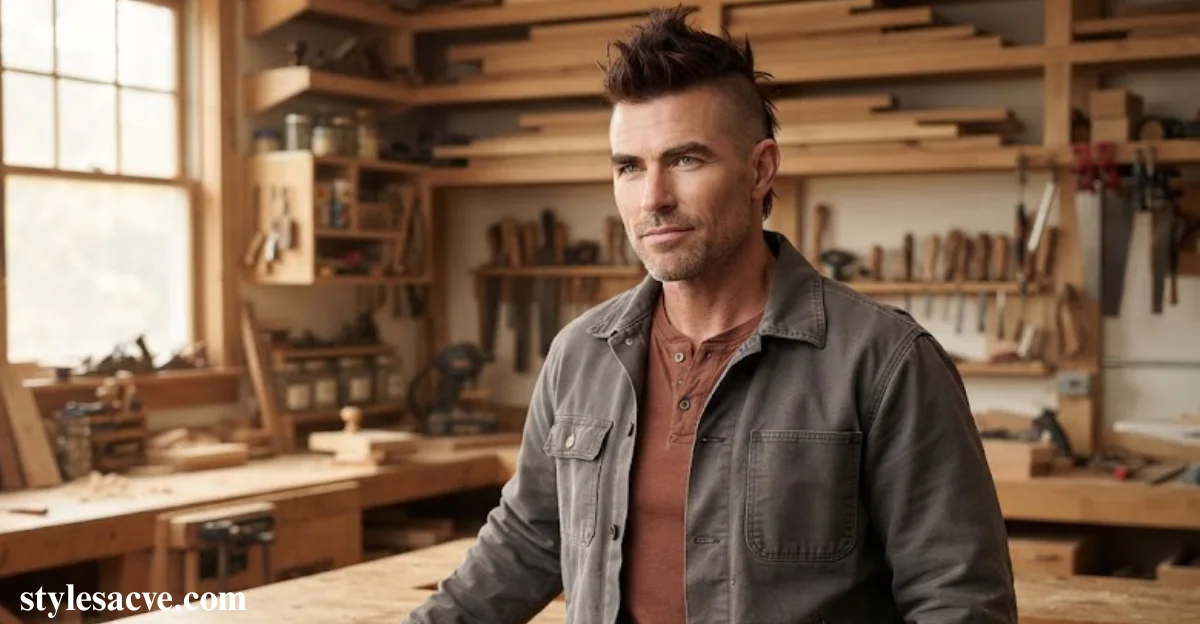
A faux hawk haircut can be a good option among receding hairline hairstyles when you want something youthful without choosing an extremely dramatic cut. Keeping the tapered sides shorter and leaving a longer top creates enough height and texture to give the style an offbeat look.
For men in their twenties dealing with early hair loss, this youthful hairstyle can provide a modern way to work with the hair that remains. The short sides keep the shape clean around the head, while the longer center adds a touch of personality without going as extreme as a traditional Mohawk.
I like this style when someone wants to experiment without making the haircut too extreme. Keeping the sides tapered rather than completely shaved gives the faux hawk a softer appearance, while directing the longer top upward creates enough attitude.
22. High Fade Military Cut
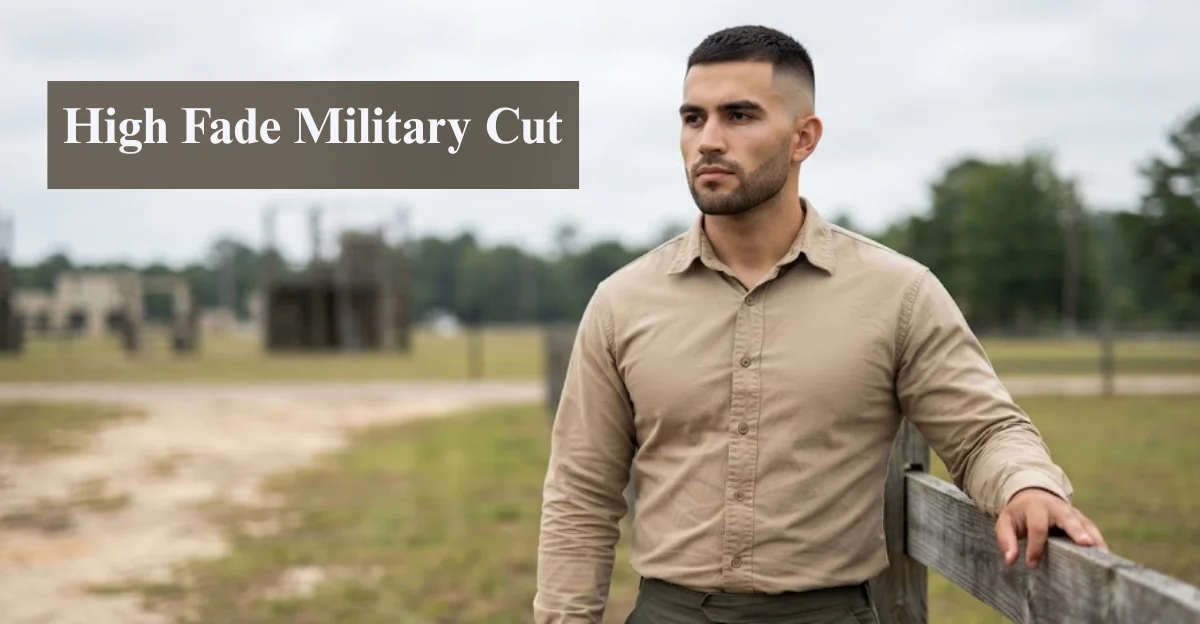
A high fade military haircut takes inspiration from the traditional high and tight, keeping the hair extremely short and the overall shape clean. Its symmetrical cut makes the style look structured from every angle, while the high fade creates a sharper transition around the sides of the head.
Because the short hair requires very little styling, this low-maintenance style is practical for men who prefer a straightforward routine. Adding facial hair can provide a stronger contrast and make the otherwise clean-cut appearance more statement-making without taking away from the military influence.
For someone who does not want to spend time styling their hair each morning, this is one of the easiest cuts to manage. I find that keeping the fade precise is more important than adding product because the haircut itself provides most of the structure.
23. Preppy Quiff
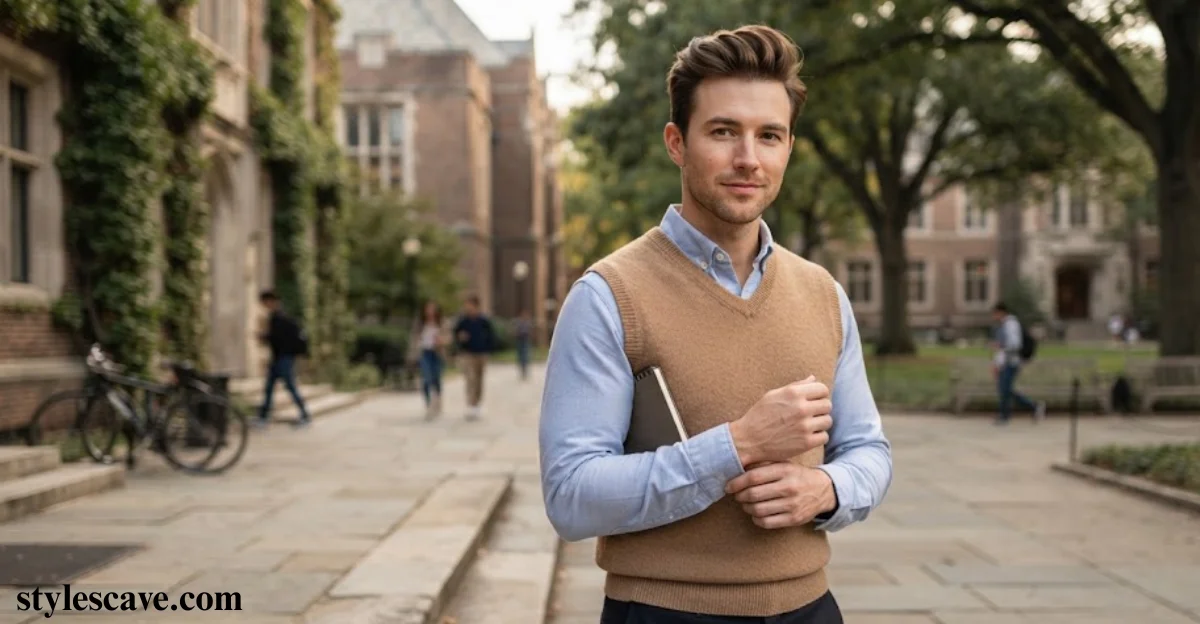
The preppy quiff is a funky blend of classic volume and modern upward styling, borrowing elements from the pompadour, Mohawk, and even flattop. The result is a lifted shape that moves the hair up and away from the face while maintaining a more polished appearance than an extreme spiked haircut.
Creating the shape often requires some prep time, particularly if your hair does not naturally hold volume. Blow-dried hair can provide the foundation, while a small amount of styling product helps keep the front elevated without making the hair look overly wet or heavy.
I usually build this style with the blow-dryer before reaching for any product. Lifting the front while drying gives the hair a better foundation, so I only need a small amount of product afterward to hold the quiff in place.
24. Shaved Side Comb-Back
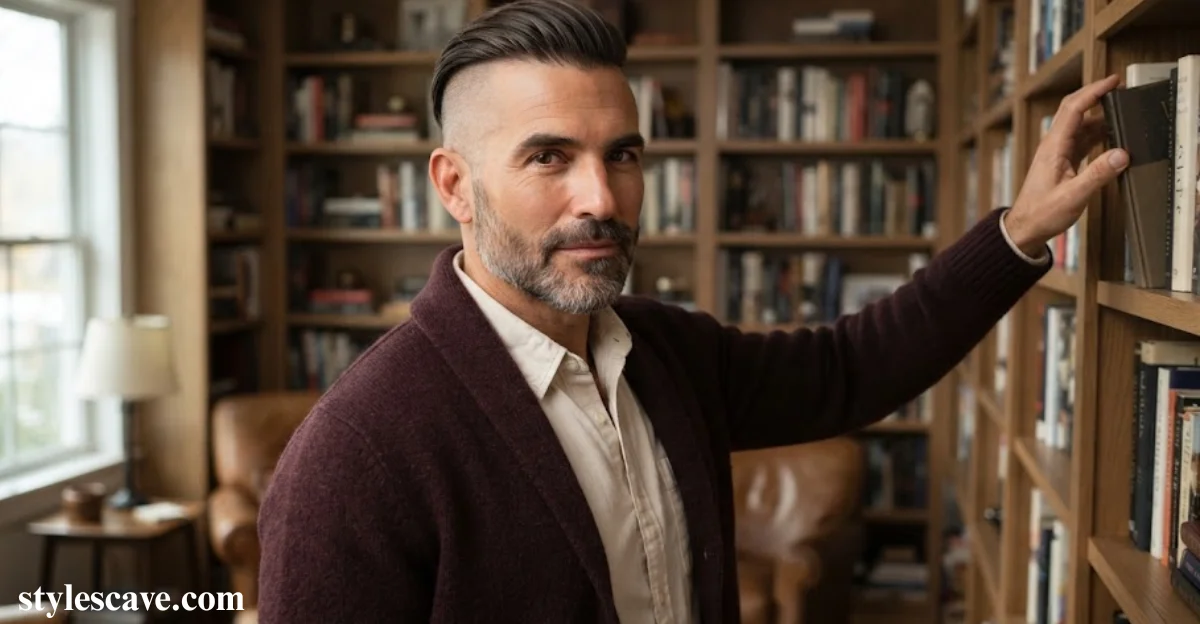
A shaved sides haircut creates a dramatic contrast when paired with a long top and comb-back style. The buzzed sides remove most of the bulk around the head, while the remaining length can be shaped backward to create a clean, modern hairstyle with plenty of visual contrast.
If you have enough long hair on top, blow-drying it backward first can make the styling process much easier. A small amount of styling gel can control the direction, while hair spray can provide additional hold when you want the slicked-back hair to stay in place throughout the day.
What works best for me with this style is drying the top backward before adding anything heavy. Once the hair has naturally settled in that direction, a little gel smooths the surface and keeps the comb-back controlled without making it look stiff.
25. Hipster Skin Fade with Beard
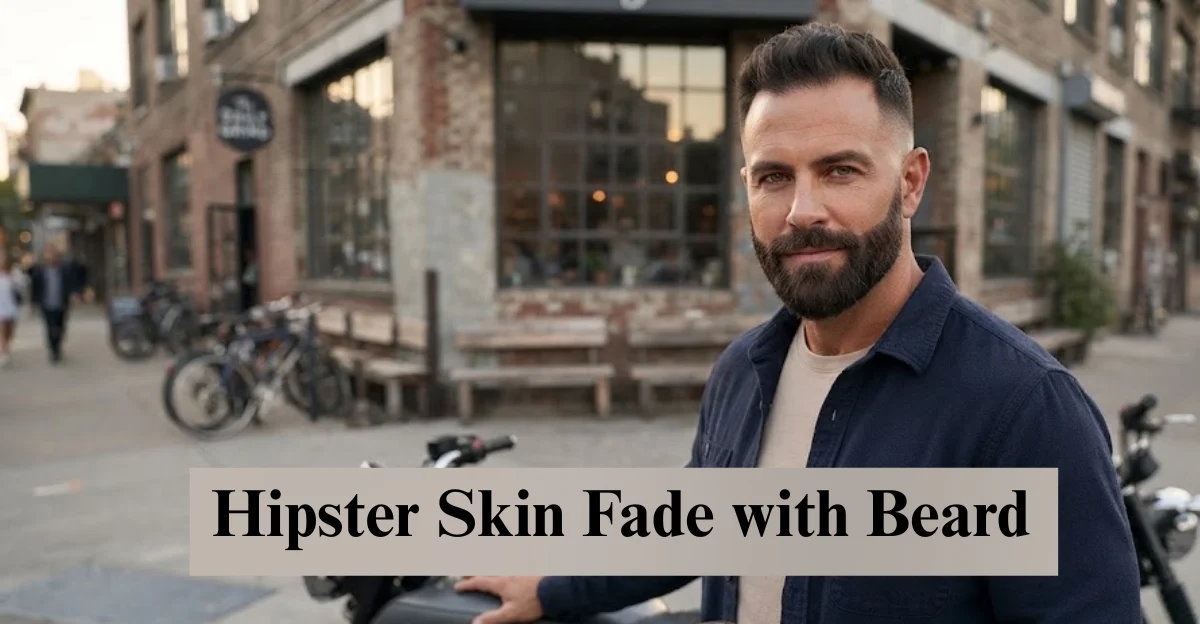
A hipster skin fade combines the clean precision of an undercut fade with the personality of a slicked-back style. The skin fade keeps the sides extremely sharp, while the longer hair above can be pushed backward to create a strong contrast between the top and the sides.
A carefully shaped beard adds another layer of character and helps create balanced proportions around the face. Rather than allowing the facial hair to become too bulky, you can taper the beard into the faded sides, giving the haircut a smoother connection and a modern flair.
I pay just as much attention to the beard as the haircut when creating this combination. Tapering the facial hair gradually into the skin fade makes the whole style feel connected, and the slicked-back top then becomes a natural focal point
26. Subtle Tapered Fade

A subtle tapered fade keeps the sides clean without creating the dramatic contrast of a high fade or mid fade. The taper fade haircut gradually reduces the hair around the edges, creating a natural appearance that works well for men who want a polished style without drastic cuts.
Rather than exposing too much scalp, this gradual taper creates a softer transition around the temples and neckline. Compared with a high fade, mid fade, or low fade, the faded scalp effect is much less noticeable, making this one of the more versatile approaches to hair fading.
From a barbering perspective, I often recommend this style when someone wants cleaner edges but still wants his haircut to look natural as it grows out. The gradual taper also makes regular upkeep easier without making the change between appointments too obvious.
27. High Skin Fade
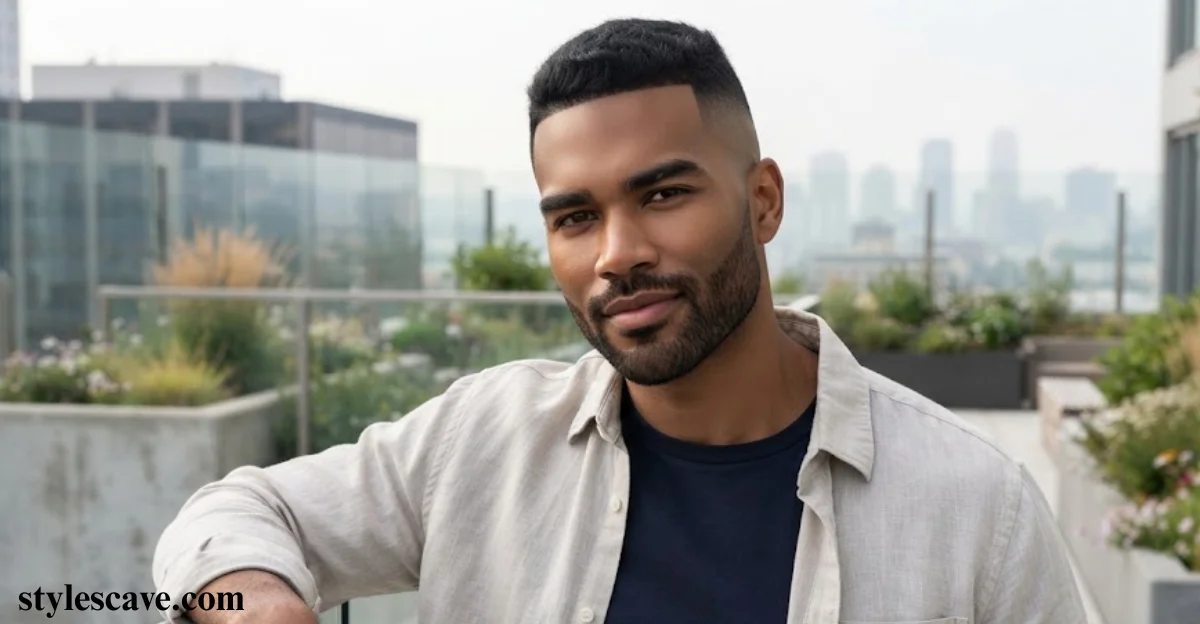
A high skin fade pushes the fade higher on the sides, creating a sharp contrast between the skin and the longer hair above. For men with a receding hairline or thin hair, removing excess bulk from the sides can make the remaining hair on top appear more intentional.
Because the sides are taken very short, this high fade can create a clean, structured finish without requiring complicated daily styling. It also works as a low-maintenance haircut, especially for men who prefer a defined look and want longer time between cuts without losing the overall shape.
One advantage I notice with this cut is how easily it maintains a fresh appearance even as the top grows. Keeping the sides controlled gives the haircut a neat outline while the longer top provides enough flexibility for different styling options.
28. Textured Mohawk
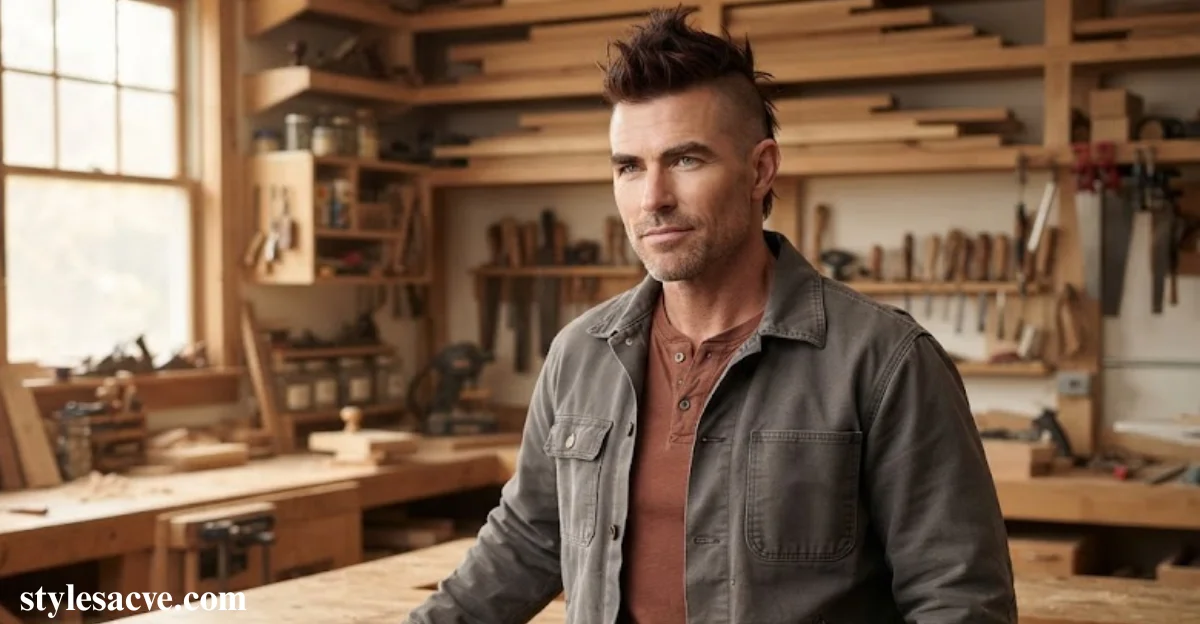
A textured Mohawk creates an unmistakable textured crest through the center of the head while keeping the surrounding hair more controlled. The raised shape gives this edgy haircut a modern feel and can draw attention toward the center rather than the forehead corners.
Men experiencing a deepening hairline can use the central height and texture to create a stronger visual focal point. Its combination of modern styling and a nostalgic rock star hairstyle gives the look personality without requiring the extreme structure of a traditional Mohawk.
I especially like using matte texture through the crest because it keeps the shape touchable instead of overly stiff. A slightly irregular finish also makes the style feel more contemporary and easier to adapt to the wearer’s natural hair movement.
29. High Fade with Shaved Design
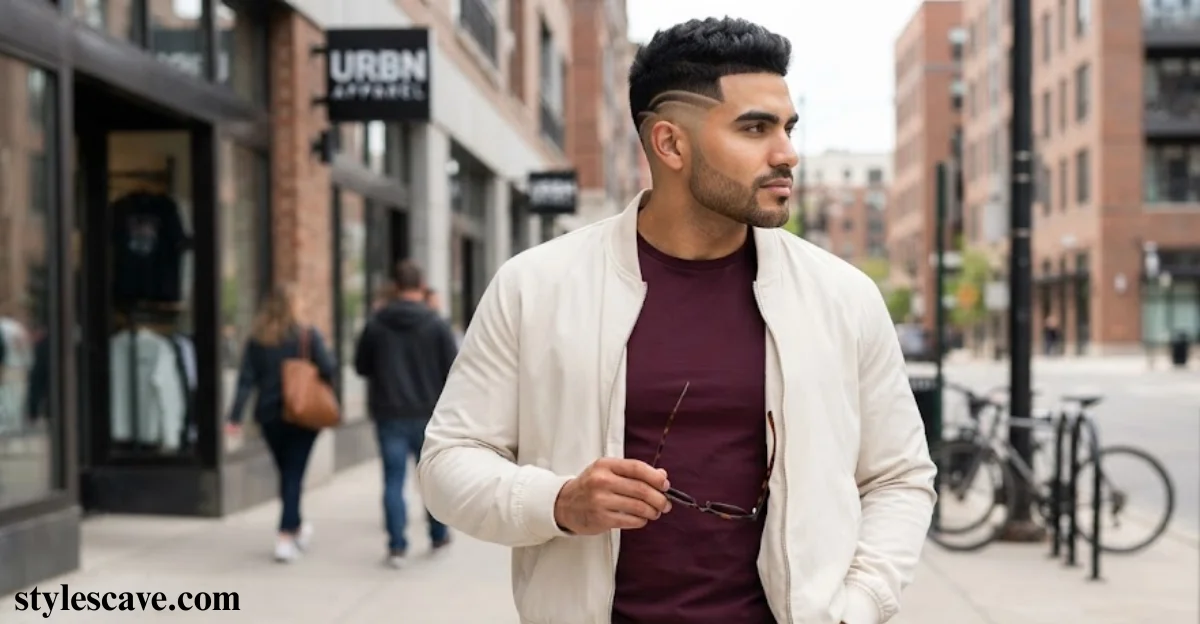
A high fade with shaved design turns the sides or back into an opportunity for personal expression. After creating the faded hairstyle, a skilled barber can add a pattern through the patterned sides or patterned back, making the haircut noticeably more creative.
This approach works across different ages and hair types, including Afro-textured hair, because the strong contrast of the fade gives the barber design room to stand out. Lines, curves, geometric shapes, and other details can be customized to create a haircut that feels individual rather than standard.
What makes this style exciting in the barbershop is the amount of creativity available within one basic haircut. I usually suggest keeping the surrounding fade clean and letting the shaved pattern become the main feature so the finished look stays balanced.
30. High Skin Fade with Spiked Hair
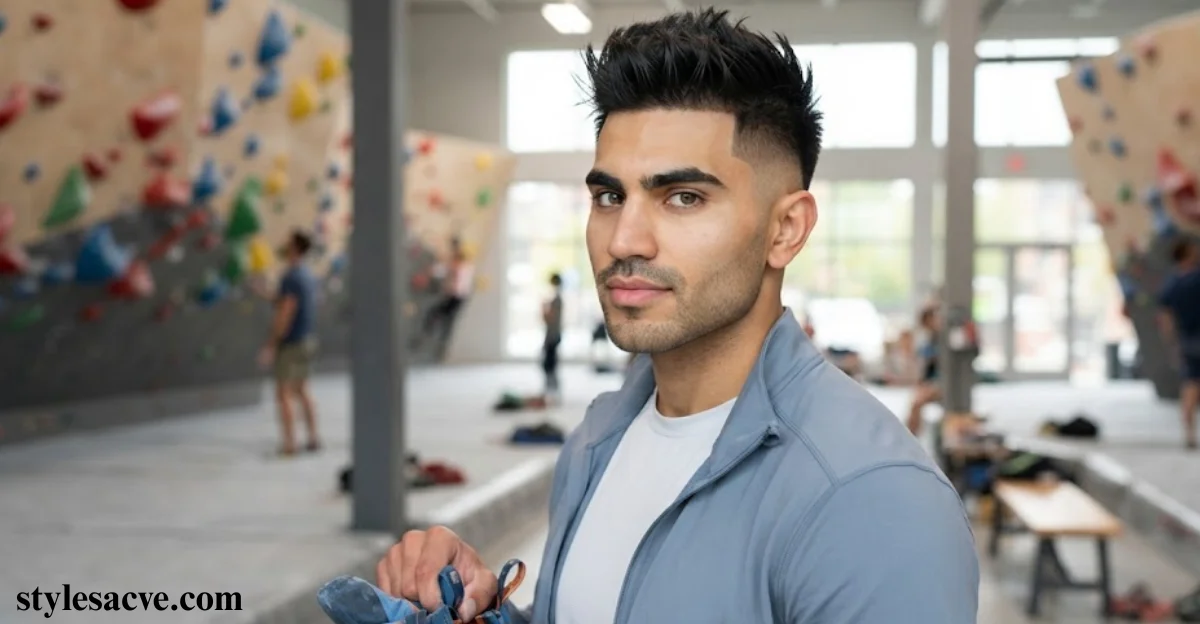
A high skin fade with spiked hair removes much of the bulk from the sides while leaving the fullest part of the hair on top. For men dealing with a gradual hairline shift or thinning around the sides, concentrating attention on the stronger top section can create a more balanced appearance.
Styling the remaining thick hair into a spiked finish adds height and movement without making the entire haircut look heavy. The combination of textured hair, fuller hair, and faded sides gives the style a sharp structure while allowing the top to remain the main focus.
I find that a lightweight matte product works especially well here because it separates the spikes without making thick tresses look greasy. Building the texture with the fingers also gives the finish a more natural, touchable quality.
31. Faded Hawk
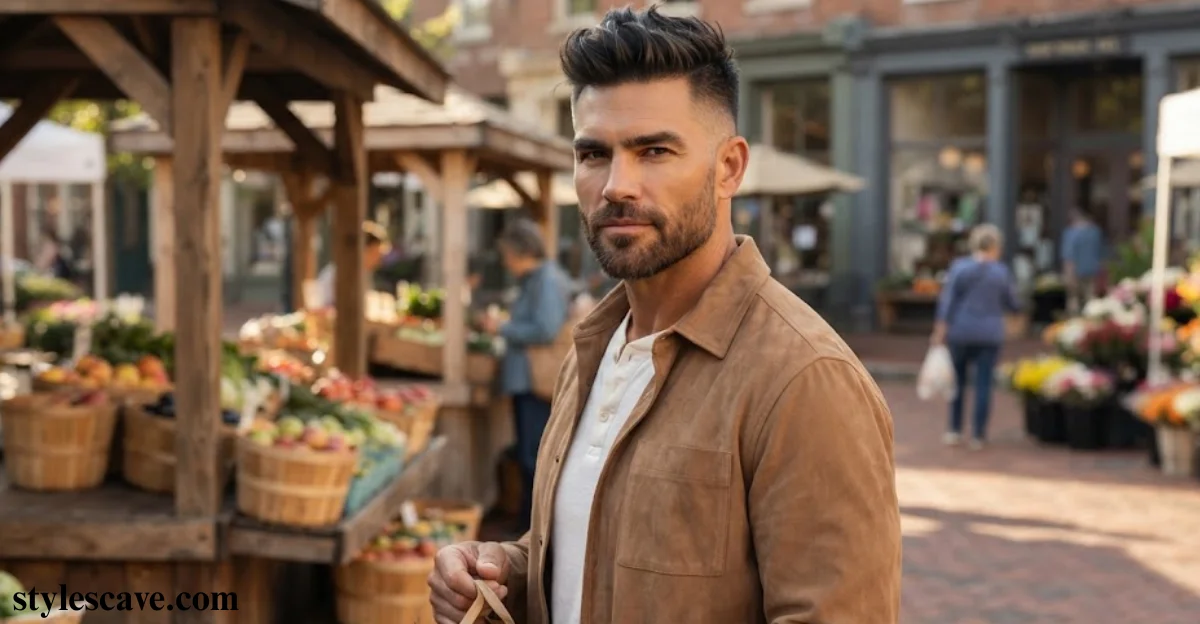
A faded hawk combines the attitude of a faux hawk with the clean structure of a fade haircut. The longer center section creates a bold haircut while the shortened sides give it a youthful shape that works particularly well for men who want something more expressive.
Its contemporary hairstyle feel comes from keeping the central hair textured rather than overly rigid. The lifted shape can also redirect attention toward the middle of the haircut, making it an interesting option among receding hairline styles without looking overly formal.
For me, the best versions have a slightly messy finish rather than perfectly arranged spikes. That funky look gives the cut movement and keeps the youthful character of the faded hawk intact.
32. Fade with Hairline Design
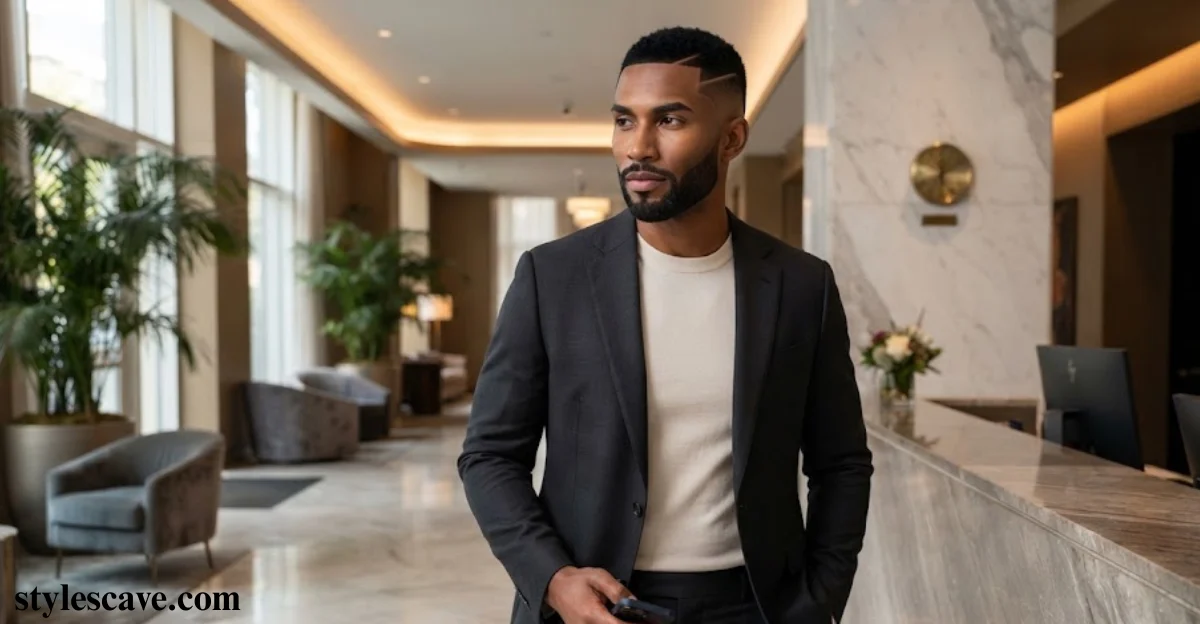
A fade with hairline design adds detail to an otherwise familiar fade cut by using the bottom hairline, nape or sides as a canvas for creative lines. A clean nape design can add visual interest while the faded hair keeps the rest of the haircut structured.
This idea is not limited to younger clients or an elementary school haircut. Adults can use subtle patterns and strategic detailing to create an adult haircut with added thickness and definition, particularly when working around areas affected by pattern baldness.
I prefer matching the design to the natural shape of the nape instead of forcing a pattern into an awkward area. That approach makes the added detail look intentional and allows the creative fade to grow out more naturally.
33. Brushed-Back Medium Hair
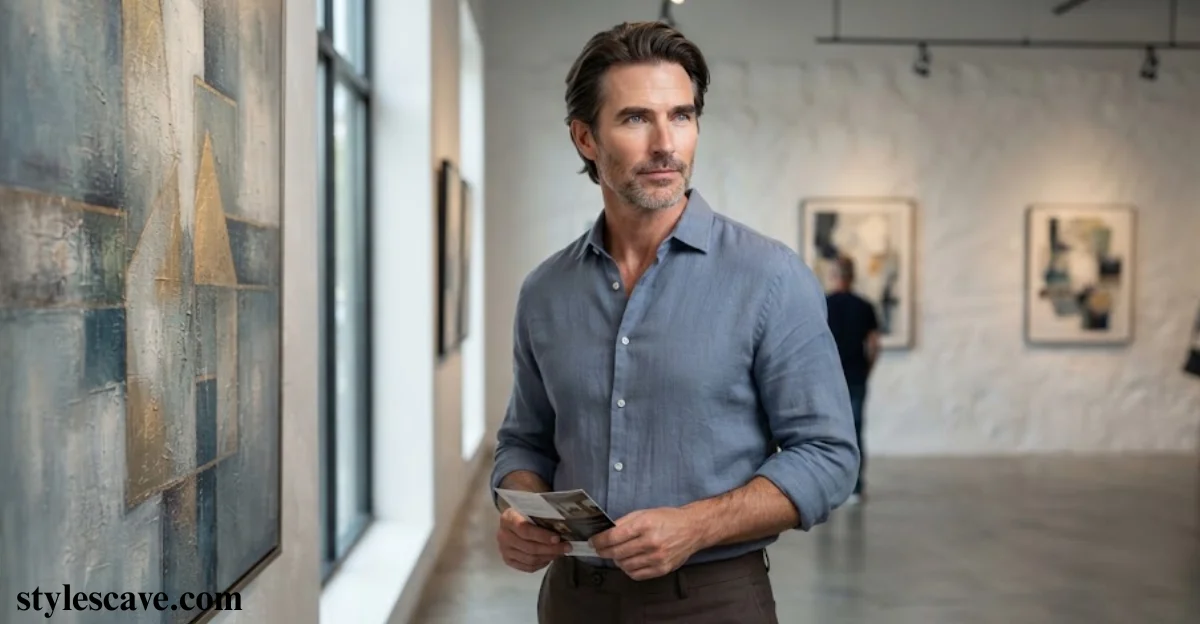
Brushed-back hair at a medium length creates a relaxed, confident appearance while allowing plenty of movement through the longer strands. Leaving the forehead exposed can make the hairstyle feel mature and deliberate, especially when the hair is grown long enough to sweep naturally away from the face.
Men who are conscious of their hairline can use the direction of the back-swept styling to guide the eyes through the overall shape rather than focusing on one area. The combination of medium-length hair, longer hair, and soft romantic locks creates a more effortless alternative to very structured short cuts.
I like this style when the hair has enough natural length to move without excessive product. A light styling cream can keep the brushed-back shape controlled while preserving the relaxed texture that looks confident.
34. Platinum Ivy League
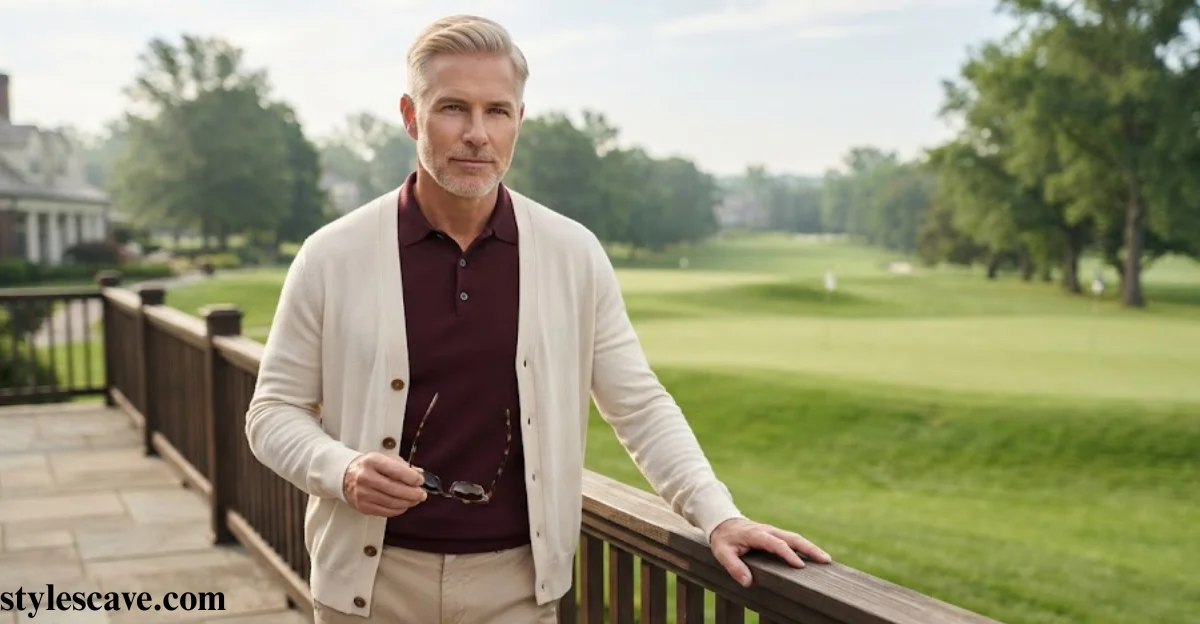
A platinum Ivy League haircut gives a traditional shape a noticeably lighter, more refined finish. Bleached hair can minimize the appearance of contrast between the scalp and strands when hair starts to thin, while the light hair color creates a bright, polished appearance.
For men whose hair was once thick and dark, moving toward platinum hair can completely change the visual balance of the cut. The combination of thinning hair, carefully shaped length, and a classy hairstyle creates a sophisticated blonde style without relying on excessive volume.
I like this option when someone wants to embrace a lighter look instead of constantly trying to hide changes in density. Keeping the Ivy League shape neat makes the platinum color feel intentional and stylish rather than simply a response to balding.
35. Gelled Spikes
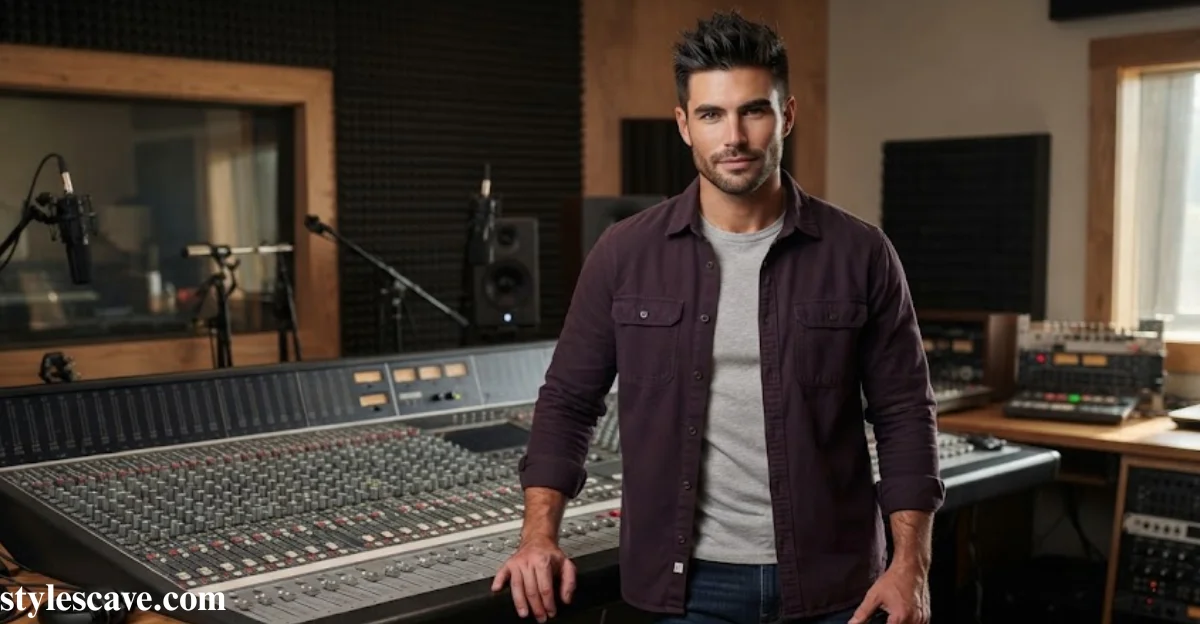
Gelled spikes create a structured spiked hairstyle by lifting sections of hair away from the scalp and securing them with a strong-hold gel. The pointed texture adds height and definition, making it easy to give shorter hair a sharper shape.
Men exploring receding hairline hairstyles can direct the spikes slightly upward and forward to create visual movement around the front. Using the right hair product helps maintain the texture with enough all-day hold to keep each section in place throughout the day.
I usually recommend applying the gel gradually rather than coating the entire head at once. That makes it easier to build defined, textured spikes while avoiding the overly stiff finish that can make the hair look heavy.
36. Clean Slicked-Back Cut
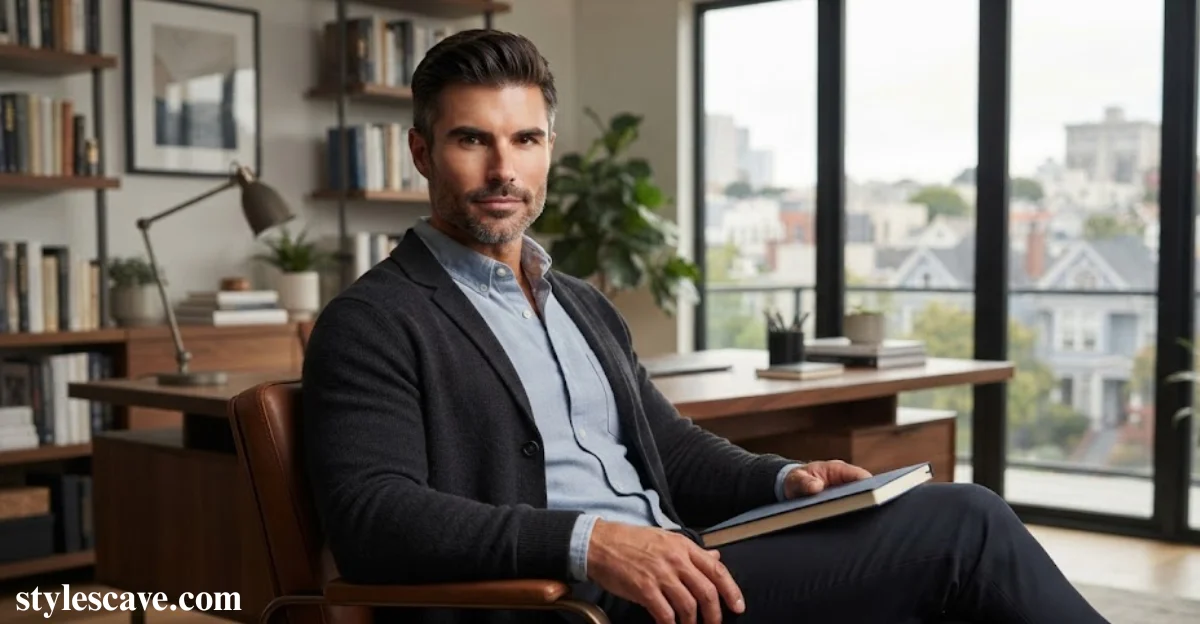
A clean slicked-back cut keeps the overall shape simple, controlled and easy to manage. The short clean haircut around the sides creates a neat foundation, while the longer section on top can be directed backward for a polished slicked-back hair finish.
For men dealing with receding hairline concerns, trying to force the hair forward or create excessive volume can sometimes draw more attention to the hairline. Keeping the cut straightforward and embracing a classic appearance can make the style look deliberate rather than like an attempt to disguise thinning.
I appreciate about this haircut is its practicality. With a small amount of styling product and a quick comb-through, the hair can look ready to go without complicated styling steps or a long morning routine.
37. Hair with Bleached Tips
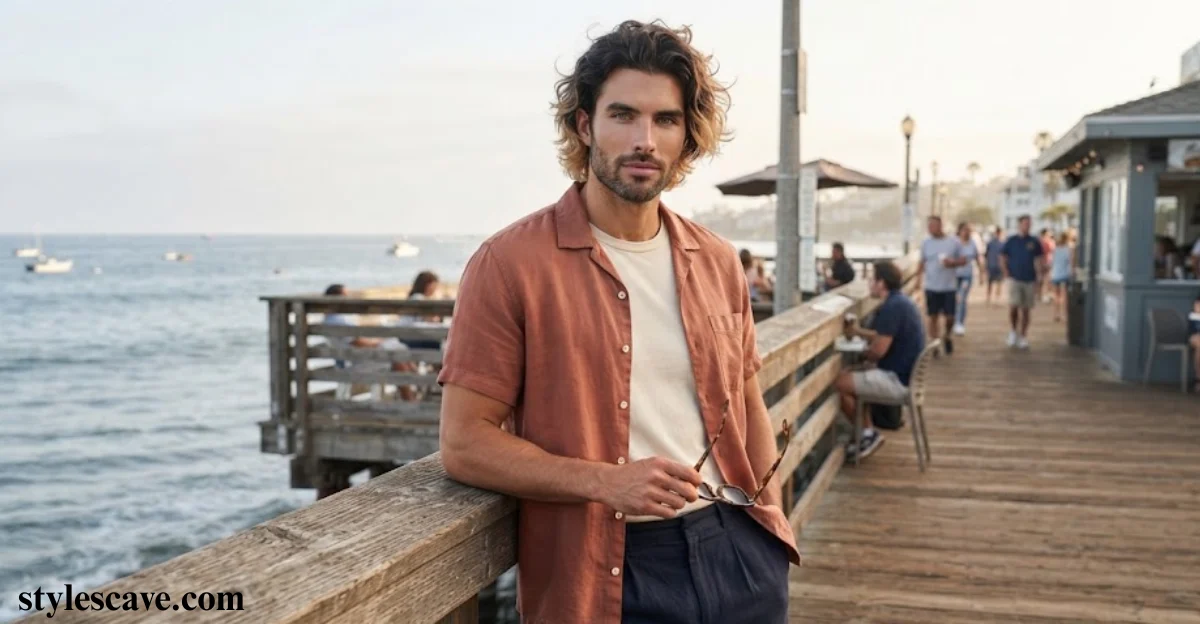
Bleached tips add brightness specifically to the lightened ends, creating contrast without requiring the entire head to be colored. A touch of warm blonde tips can shift visual attention toward the ends and away from areas where the hair feels sparse, such as the crown area.
The brighter ends work especially well with textured cuts because the color catches the movement of individual strands. A textured crop, faux hawk, or taper fade can all showcase the contrast while keeping the darker roots and natural base visible.
I prefer a gradual transition between the natural hair and the bleached tips rather than an abrupt color line. That softer blend makes the brightness look more natural and gives the hairstyle extra dimension as it grows out.
38. Modern Caesar Cut
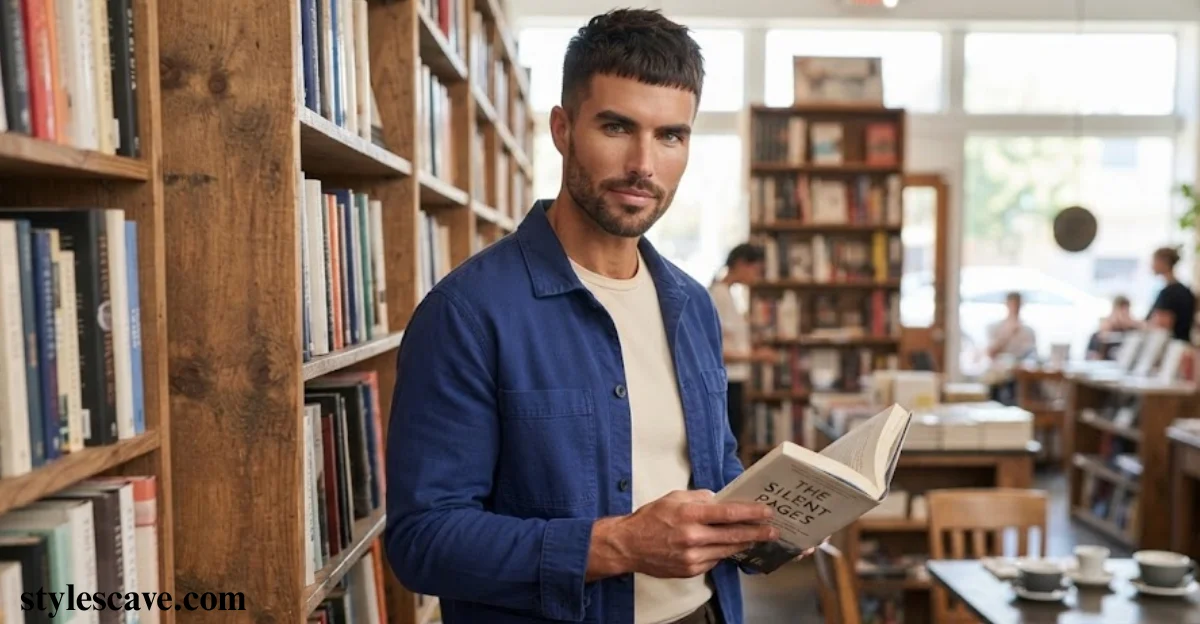
The modern Caesar cut takes the traditional Caesar shape and gives it a cleaner, more contemporary finish. Its short length and forward direction create a simple shape that is easy to maintain, making it one of the most practical short haircuts for men who prefer uncomplicated styling.
A slightly tapered style around the sides can make the flat hairstyle feel fresher while leaving enough structure around the top and front. Adding facial hair can also change the balance of the haircut, allowing the style to complement different face types.
I often suggest this cut when someone wants a recognizable shape without spending much time styling in the morning. Its easy maintenance is one of the biggest reasons the Caesar continues to work across different generations.
39. Light Fade
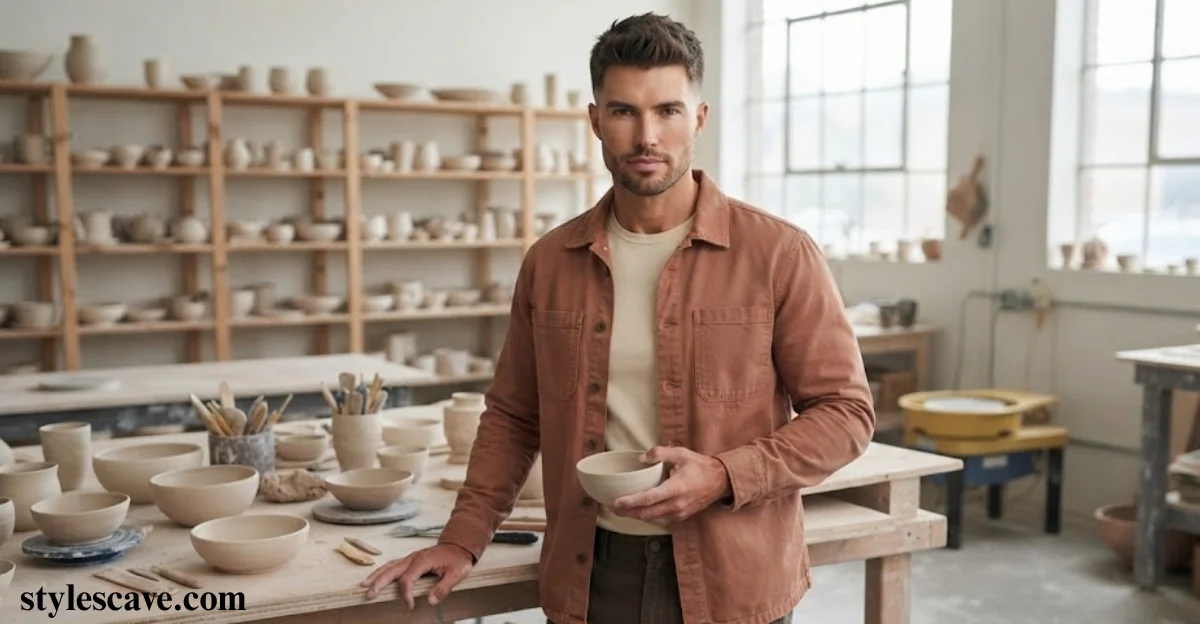
A light fade creates a softer transition between the long top and shorter sides, allowing the hairstyle to maintain more overall length. Men can keep longer hair on top and use slicked-back styling or another textured finish to create a controlled shape.
This approach can be useful when someone has a receding hairline but does not want the sides taken extremely short. Keeping more length above the fade can provide flexibility, while the gradual transition prevents the haircut from looking too harsh or overly focused on the scalp.
From a styling standpoint, I like how easily this cut adapts to different hair textures. A full beard can add additional structure to the face, while the longer top provides enough room to experiment with a sleek or textured finish.
40. High Fade with Curly Top
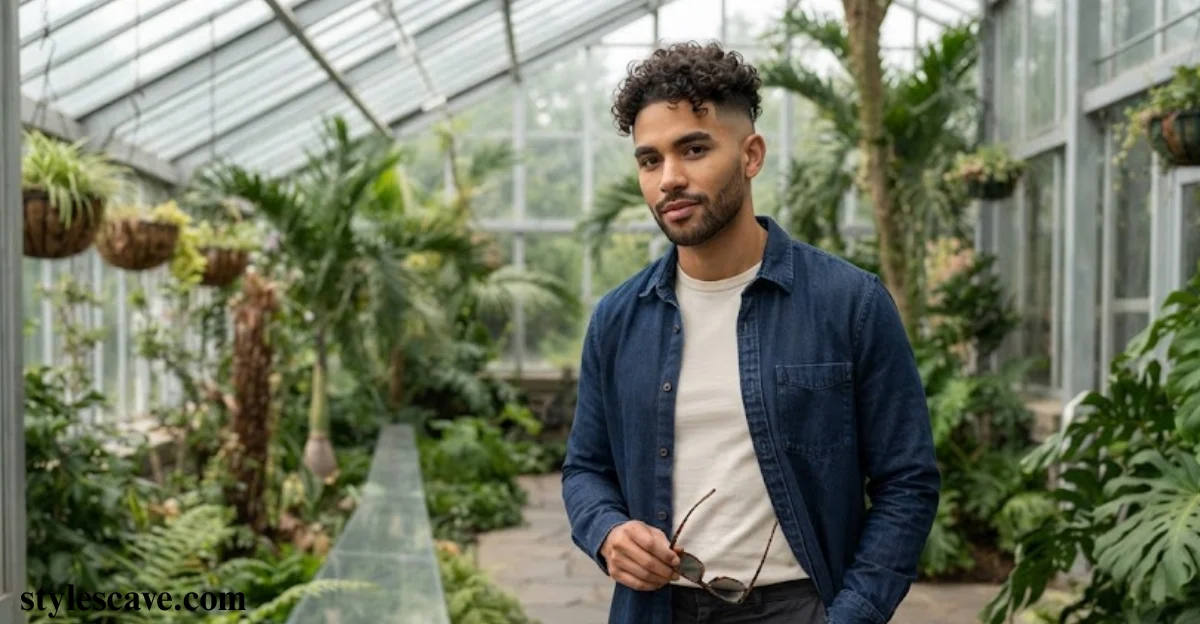
A high fade with curly top creates a strong contrast between the clean sides and the voluminous curls above. The fade haircut removes excess weight around the sides while allowing the natural curl pattern to become the main feature of the style.
For men with a maturing hairline, keeping the curls lifted and textured can help create a fuller visual shape around the top. A subtle side design can add another layer of detail, while the height and movement of the textured curls can naturally draw attention toward the strongest features.
I find that preserving the natural curl pattern gives this haircut much more character than trying to make every curl perfectly uniform. A lightweight curl cream can define the texture while keeping the top soft, voluminous, and touchable.
How to Style Receding Hairline Haircuts
Wash and Prep Hair
Start with a clarifying shampoo and hydrating conditioner to keep the hair and scalp healthy and clean. Gently towel-dry without rubbing to reduce breakage, leaving the hair slightly damp. This creates a better base for styling and can help a receding hairline look fuller.
Apply Pre-Styler
Apply Sea Salt Spray or Volumizing Mousse to damp hair to boost lift, texture, and natural volume. Choose lightweight products that do not weigh the strands down, especially around thinning areas. This creates a strong base for styling receding hairline haircuts.
Blow-Dry for Shape
Use a blow-dry on medium heat while lifting the hair from the roots with your fingers or a vented brush. Direct the airflow upward to build volume and structure without making the style look stiff. This technique can flatter a receding hairline while keeping the finish natural.
Finish with Styling Product
Finish with Texture Clay or Molding Paste to add controlled texture and a soft matte finish. Work a small amount through the top and fringe so the hair looks fuller without weighing it down. A light application can enhance thinning areas and boost confidence.
How to Ask Your Barber for the Right Cut
Good communication helps your barber understand the right haircut for your style, hairline, and overall look. Use simple steps to explain what you want and mention details that suit your hairline.
Use Simple Terms
Use clear, simple words when describing your haircut, such as a textured crop, crew cut, or low fade. Tell your barber how much length and fullness you want, and mention your receding hairline and hair type during the consultation.
Show a Photo Example
A photo reference gives your barber a clearer idea of the exact style you want. Choose a photo with a similar hair type, face shape, and receding hairline so your barber can create a balanced and flattering look.
Conclusion
A receding hairline can be part of your look without defining your style. The right haircut can improve proportions, add texture, and make thinning areas appear more balanced while keeping your overall appearance fresh and confident. From short crops and fades to textured styles and longer layered cuts, these 40 options offer plenty of ways to work with your natural hairline. Choose a cut that suits your hair type face shape lifestyle and maintenance preferences, and wear it with confidence.
FAQs
What is the best haircut for hiding a receding hairline?
Short textured cuts, buzz cuts, crew cuts, French crops, and certain fade styles can make a receding hairline look less noticeable while creating a clean, balanced appearance.
Does a fade haircut make a receding hairline look better?
Yes, a well-blended fade can reduce the contrast between the sides and hairline, creating a sharper and more balanced overall look.
Is short hair better for a receding hairline?
Often, yes. Shorter styles can prevent thinning areas from looking overly obvious and are generally easier to style naturally.
Should I avoid long hairstyles with a receding hairline?
Not necessarily. Longer textured or layered styles can work well when they complement your hair density and are styled without trying to aggressively cover the hairline.
What haircut makes thin hair look thicker?
Textured crops, crew cuts, buzz cuts, and layered short styles can give thin hair a fuller, more structured appearance.
How can I style my hair to hide a receding hairline naturally?
Use lightweight styling products and create texture or controlled volume rather than slicking the hair tightly backward. A barber can also tailor the cut to your specific hairline and density.





- Be Respectful
- Stay Relevant
- Stay Positive
- True Feedback
- Encourage Discussion
- Avoid Spamming
- No Fake News
- Don't Copy-Paste
- No Personal Attacks
- Be Respectful
- Stay Relevant
- Stay Positive
- True Feedback
- Encourage Discussion
- Avoid Spamming
- No Fake News
- Don't Copy-Paste
- No Personal Attacks
