12 Makeup Tips for Acne-Prone Skin That Really Work
Published: 6 Oct 2026
Makeup can help you feel confident and polished even when acne-prone skin is dealing with breakouts, redness, or uneven texture. The key is choosing suitable products and applying them gently so you can create coverage without making your skin feel heavy or irritated. From prepping your skin and selecting a non-comedogenic base to blending concealer and removing makeup properly small changes can make a noticeable difference. Explore these practical makeup tips for acne-prone skin to create a smoother-looking finish while keeping your routine gentle and skin-friendly.

Table of Contents
The Best Makeup for Acne Starts With Non-Comedogenic Formulas

Non-comedogenic makeup is a good choice for acne-prone skin because it is formulated to reduce the likelihood of clogged pores. Choosing products without common pore-clogging ingredients can help limit trapped bacteria, breakouts, and skin congestion while keeping the makeup comfortable on the skin.
When looking for makeup for acne, lightweight formulas are often easier to wear, especially when excess oil and bacteria buildup are concerns. Mineral makeup and oil-free makeup can provide a more breathable option, while pore-friendly makeup with skin-friendly ingredients can support a cleaner-looking finish.
I’ve found that clients with acne-prone skin usually feel more comfortable when their makeup is lightweight and easy on the skin. I prefer pore-friendly formulas that provide coverage without heavy oils, helping create a fresh finish without making the skin feel overly congested.
What Non-Comedogenic Actually Means

Non-comedogenic products are designed to reduce the chance of blocked pores, making them a useful option for acne-prone skin. Ingredients such as silica, mica, and other natural minerals are often used in mineral bases to absorb excess oil and create light diffusion without relying heavily on heavy oils. This can make lightweight makeup feel more comfortable on the skin.
For pore-freeing makeup, the goal is to avoid unnecessary pore clogging while keeping the skin surface looking smooth. Mineral ingredients can help with oil absorption, while acne-friendly formulas provide a lightweight makeup option for people who want coverage without adding excessive buildup to the skin.
Check Ingredient Lists for Culprits
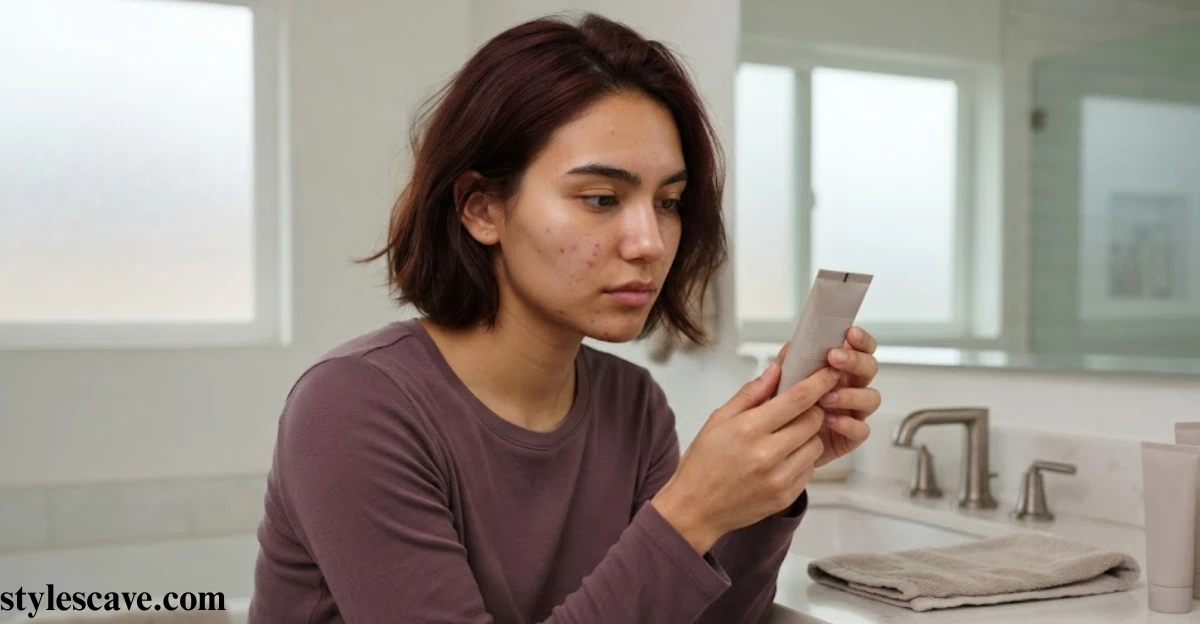
Checking ingredient lists is an important step when choosing makeup for acne-prone skin. Some pore-clogging ingredients, including cocoa butter and certain cosmetic ingredients, may contribute to clogged pores or pore congestion for some people. Even ingredients such as jojoba oil can affect different skin types differently, so reading the formula is worthwhile.
When checking makeup formulas, consider how ingredients interact with your skin’s natural sebum and whether the product leaves noticeable buildup. Understanding non-clogging oil claims, checking cosmetic ingredients, and paying attention to possible bacteria trapping can help you make more informed choices for acne-prone skin.
Choose Makeup With Calming Ingredients

Calming ingredients can be helpful when choosing makeup for acne-prone skin, particularly when redness, inflammation, or active breakouts are visible. Ingredients such as niacinamide and vitamin E are commonly found in formulas designed to support skin soothing, while lightweight makeup can feel more comfortable than heavier products.
For acne-friendly makeup, look for formulas that combine skin calming with ingredients that support sebum control and antioxidant protection. A gentle approach can help reduce the appearance of redness while supporting a healthy skin barrier, making makeup for acne feel more comfortable on irritated skin.
I’ve found that clients with acne-prone skin often prefer makeup that feels light rather than heavily layered. When the skin looks irritated or has active breakouts, I usually focus on calming makeup with a simple formula, because a comfortable base can make the finished look feel much more natural.
Niacinamide Regulates Oil and Reduces Redness
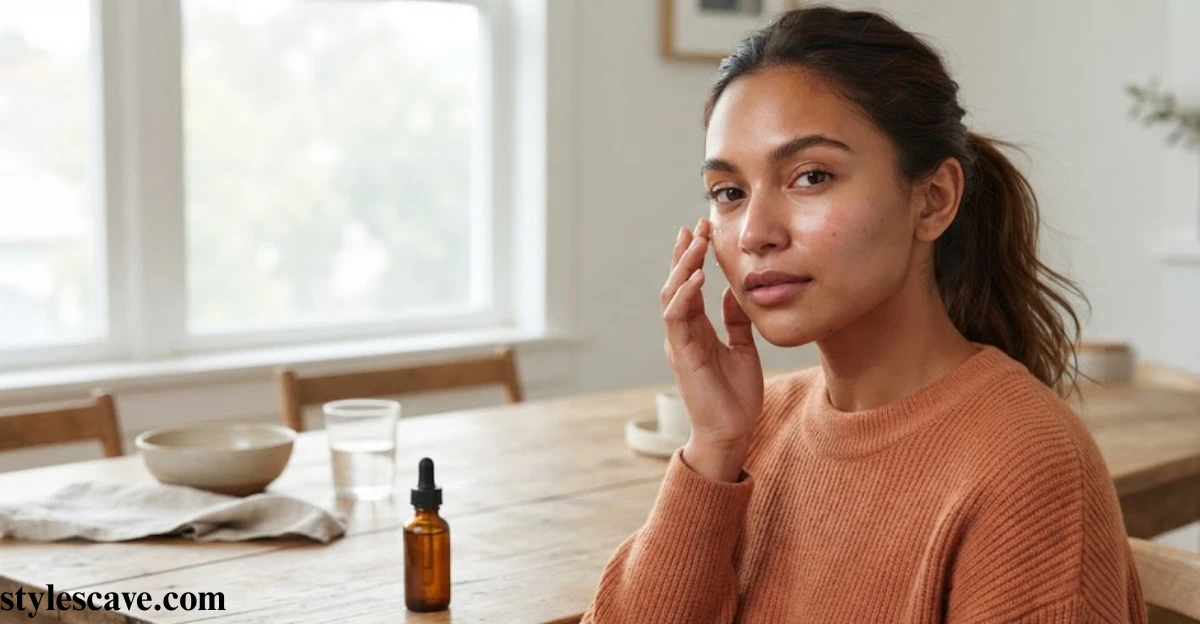
Niacinamide, also known as vitamin B3, is a popular ingredient in makeup and skincare formulations for acne-prone skin. It can support sebum regulation while helping the skin barrier, making it useful when facial redness, inflammation, or active breakouts are concerns. Niacinamide-infused makeup can also help create a more balanced appearance around visible pores.
For acne makeup, ingredients that support oil regulation and barrier strengthening can make a formula more comfortable to wear. Niacinamide is often included among calming ingredients because it supports skin protection while helping address concerns such as excess sebum, visible pores, and redness.
I’ve noticed that clients with acne-prone skin often prefer makeup that feels balanced rather than overly heavy. When choosing a formula, I like looking for niacinamide because it can bring together oil control and a comfortable finish without making the makeup feel unnecessarily complicated.
Vitamin E Provides Antioxidant Protection
Vitamin E is an antioxidant ingredient used in cosmetic formulation to support skin protection. Natural vitamin E can be sourced from ingredients such as Spanish sunflowers, and it can be included in vitamin E makeup designed for people who want additional antioxidant protection without a heavy feel.
For acne-friendly makeup, a lightweight formula with sunflower-derived vitamin E can be a useful option when you want skin protection alongside makeup coverage. A non-greasy makeup formula is especially appealing for acne-prone skin because it can provide a comfortable finish without leaving the face feeling excessively oily.
When working with clients who prefer lightweight makeup, I usually look for formulas that provide coverage while still feeling breathable. Vitamin E is one ingredient I appreciate in makeup for acne because it can add antioxidant support without requiring a thick or greasy texture.
Layer Primer to Lock Makeup in Place
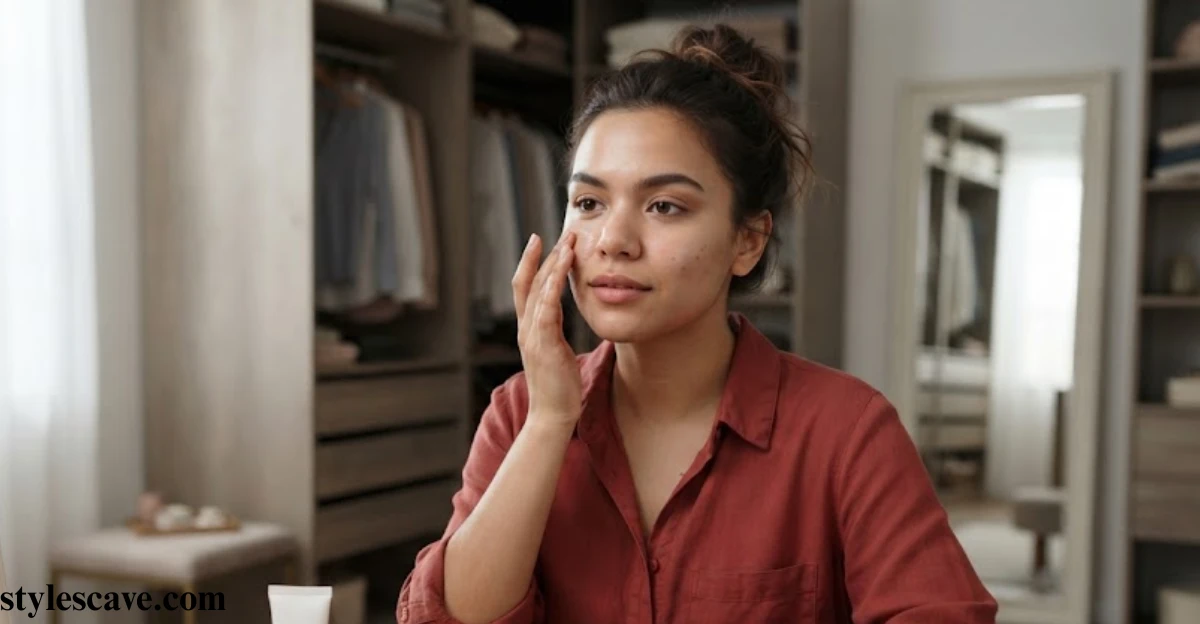
A primer can create a smooth base before foundation and improve foundation adhesion, helping makeup last longer on acne-prone skin. An oil-free primer can also be useful when sebum production is a concern, while ingredients such as hyaluronic acid can provide lightweight hydration without making the base feel heavy.
A good makeup primer can help with pore settling and create a smoother makeup base for foundation application. Look for an oil-free formula with moisture retention benefits if your skin needs hydration, while an acne-friendly primer or lightweight primer can help keep the finished makeup comfortable.
I usually find that applying a thin layer of primer makes foundation easier to work with, especially when the skin has uneven texture or visible pores. For acne-prone clients, I prefer a lightweight primer that creates a smooth base without adding unnecessary layers or excess oil.
Apply Foundation With a Light Hand
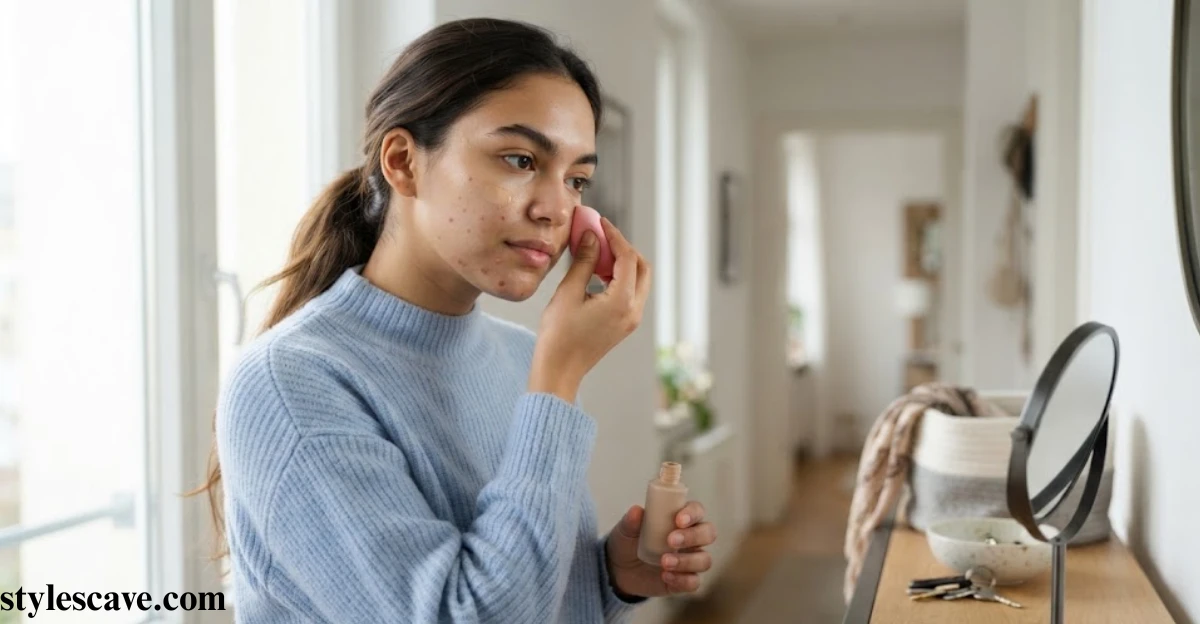
A light foundation application can help prevent the makeup from looking heavy, cakey, or overly built up on acne-prone skin. Using minimal product in thin layers allows you to build coverage gradually while reducing the amount of makeup settling into pores or emphasizing skin texture.
For breakout-prone skin, lightweight foundation and even coverage can create a more natural-looking makeup result. Instead of applying a thick layer, work with small amounts and add coverage only where needed to reduce makeup buildup while maintaining a smooth, natural finish.
From my experience, I get the best results when foundation is applied gradually rather than all at once. Using thin layers lets me control the coverage around breakouts and uneven areas while keeping the overall makeup looking lighter and more natural.
Use a Damp Beauty Sponge for Even Coverage
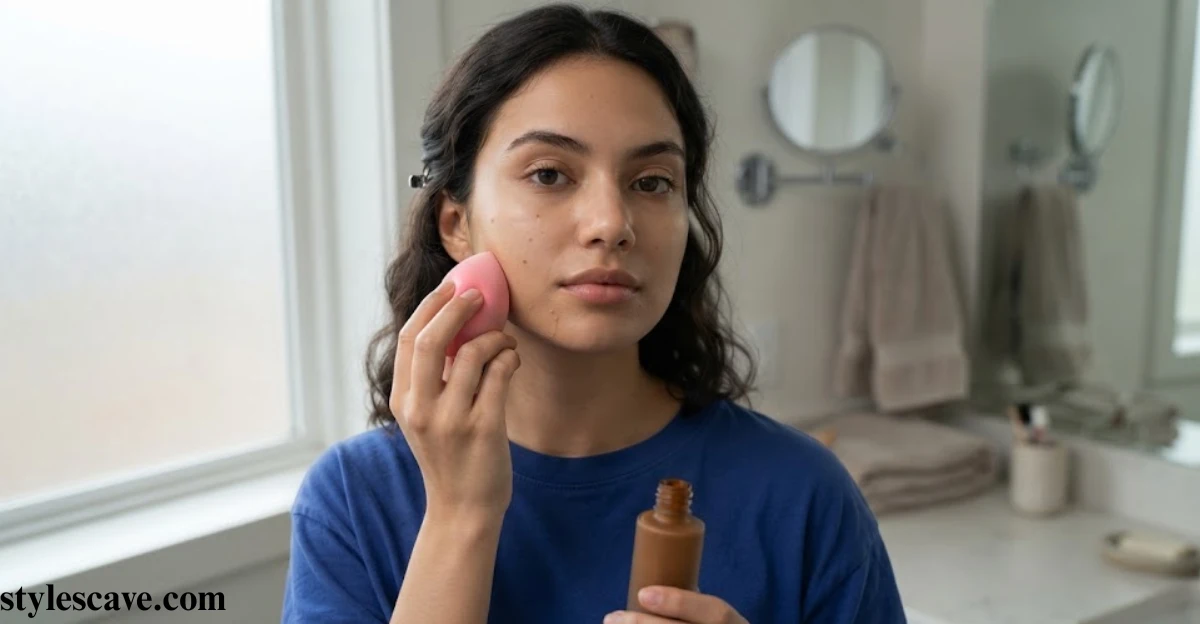
A damp beauty sponge can make foundation application easier when you want even coverage without applying too much product. Using a gentle pressing motion helps distribute foundation across the skin, while thin layers give you better product control than applying a heavy amount at once. This approach can be especially useful for acne-prone skin.
With a beauty sponge, damp application can help create controlled coverage while blending foundation smoothly around areas with visible skin texture. The pressing technique also allows you to use minimal product, helping create a smooth finish without making the makeup application look overly heavy.
I often prefer a damp beauty sponge when working with acne-prone skin because it gives me more control over foundation distribution. I use gentle pressing motions instead of rubbing, which helps me build an even base while keeping the amount of product on the skin to a minimum.
Build Coverage Gradually in Thin Layers
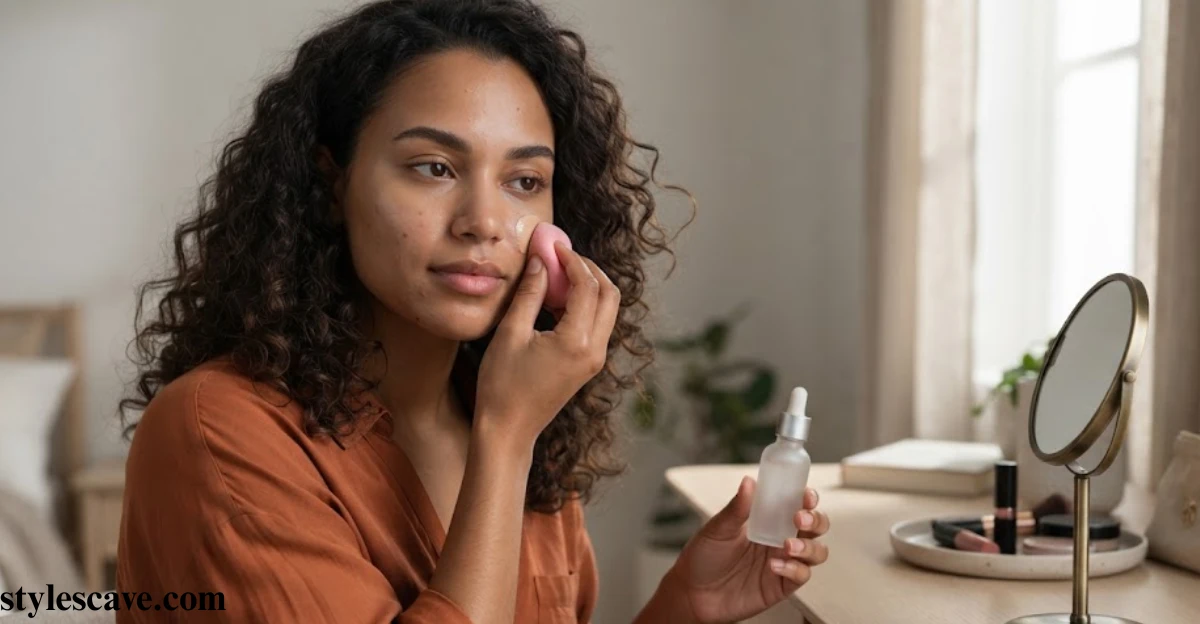
Building coverage gradually with thin layers allows you to cover breakouts without creating a heavy application. Start with a small amount of foundation and add another layer only where more coverage is needed. This helps maintain a natural finish while reducing the chance of making congested skin look heavier.
Buildable coverage works well for acne-prone skin because minimal product can provide targeted coverage without unnecessary layered makeup. A lightweight foundation can help maintain a natural makeup finish, while thinner applications may reduce heaviness and prevent skin congestion from becoming more noticeable.
When I want to cover breakout areas, I usually start with much less foundation than I think I need. Adding coverage slowly gives me better control over the final texture and keeps the rest of the face looking fresh rather than overly made up.
Conceal Breakouts Precisely
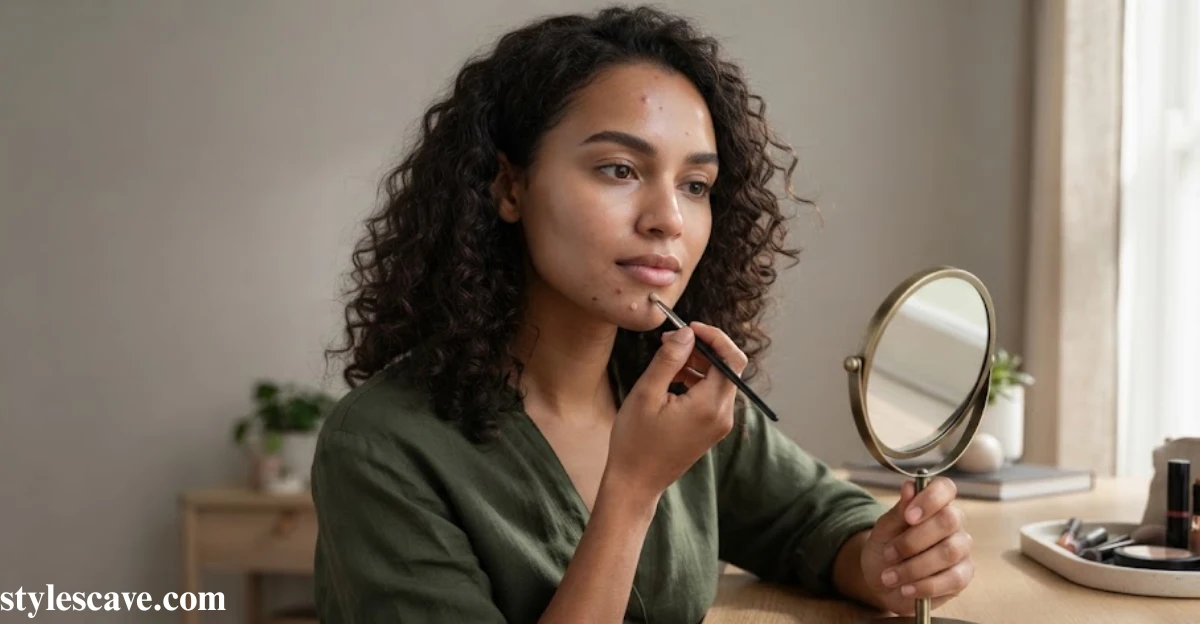
Precise concealing is useful when you only need extra coverage on specific blemishes. Instead of applying more foundation across the entire face, use a small brush to place concealer directly over the breakout. This targeted application can reduce makeup buildup and help maintain a more natural base.
A concealer brush makes it easier to control blemish coverage around visible bumps and uneven skin texture. After blending, a small amount of light powder can help with shine reduction and set the area without creating a thick layer of acne makeup.
I find that targeted concealing gives a cleaner result than repeatedly adding foundation over breakouts. I usually use a small brush and minimal product, keeping the application focused on the blemish so the surrounding skin remains light and natural.
Moisturize Even Acne-Prone Skin
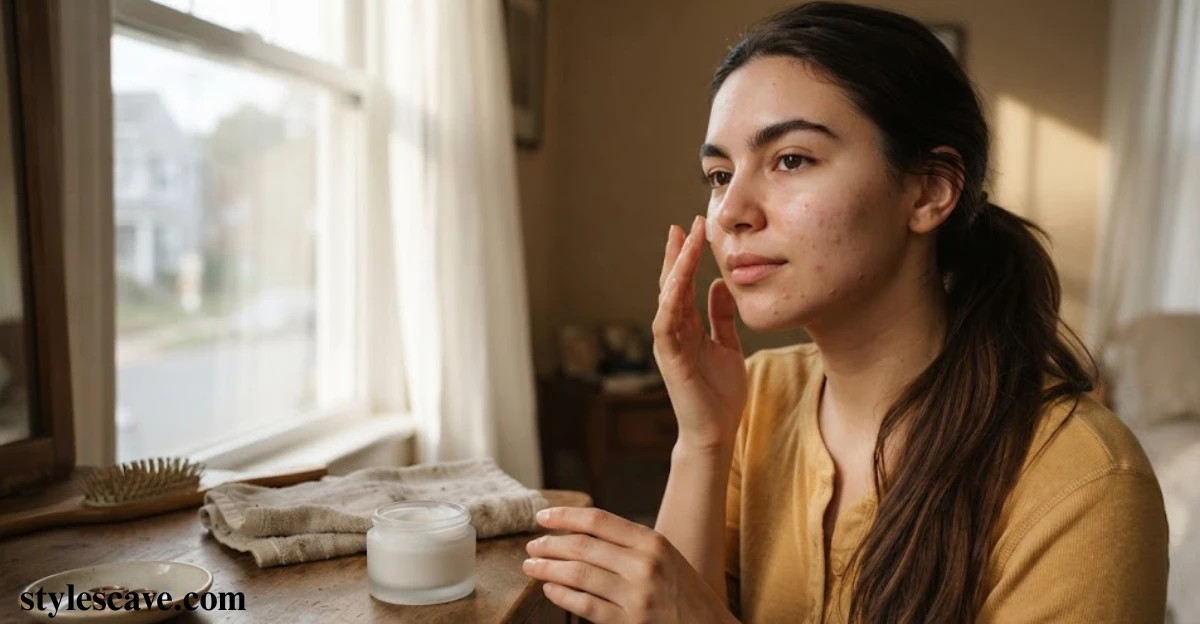
Even acne-prone skin needs proper hydration, and oily skin can still become dehydrated. When the skin lacks moisture, oil production may increase and the complexion can feel uncomfortable. A lightweight moisturizer can provide hydration without making the skin feel excessively heavy before makeup application.
For skin hydration, lightweight moisturizing formulas can be easier to layer under makeup. Ingredients such as organic shea butter and rosehip seed oil provide nutrient-rich ingredients, while suitable facial oils can support hydrated skin and create a smoother base for primer application and makeup adhesion.
I’ve found that properly moisturized skin makes makeup application much easier, even when a client has oily or acne-prone skin. I prefer a lightweight moisturizer that leaves the face comfortable and hydrated, helping the makeup sit more evenly instead of emphasizing dry or irritated areas.
Avoid Touching Your Face

Keeping your hands away from your face can be helpful for acne-prone skin because hands can carry bacteria, oils, and dirt. Frequent facial contact can transfer these substances to the skin, potentially contributing to skin contamination and new breakouts, especially when wearing makeup.
Good skin hygiene includes being mindful of touching the face throughout the day. Avoiding unnecessary bacteria transfer, oil transfer, and dirt buildup can support breakout prevention and help reduce the chances of acne flare-ups caused by contaminated hands.
I’ve noticed that people often touch their face without realizing how frequently they do it. When working with clients, I encourage clean hands and less facial contact because this simple habit can help keep makeup and facial skin cleaner throughout the day.
Choose Mineral SPF for Acne-Prone Skin
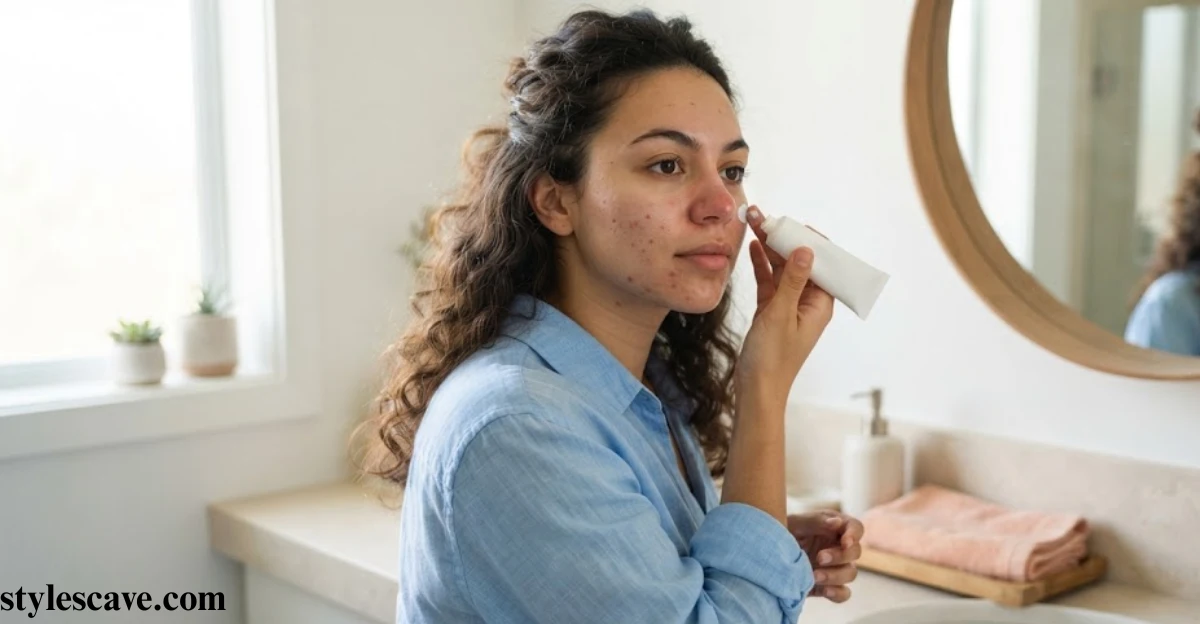
Mineral SPF can be a useful option for acne-prone skin because mineral sunscreen commonly uses zinc oxide or titanium dioxide to provide UV protection. Protecting the skin from sun exposure is particularly important when acne marks and inflammation are visible, while a non-comedogenic sunscreen can provide pore-friendly SPF protection.
A tinted mineral sunscreen can combine UV protection with light makeup coverage, making it easier to create sunscreen layers without adding a heavy base. Zinc oxide, titanium dioxide, and other pore-friendly SPF options can help provide daily skin protection while fitting into an acne-friendly makeup routine.
I usually recommend considering mineral sunscreen when a client wants daily UV protection without making their makeup routine complicated. A tinted option can also be convenient because it adds a little coverage while keeping sunscreen and makeup in the same general routine.
Clean Your Makeup Tools Regularly
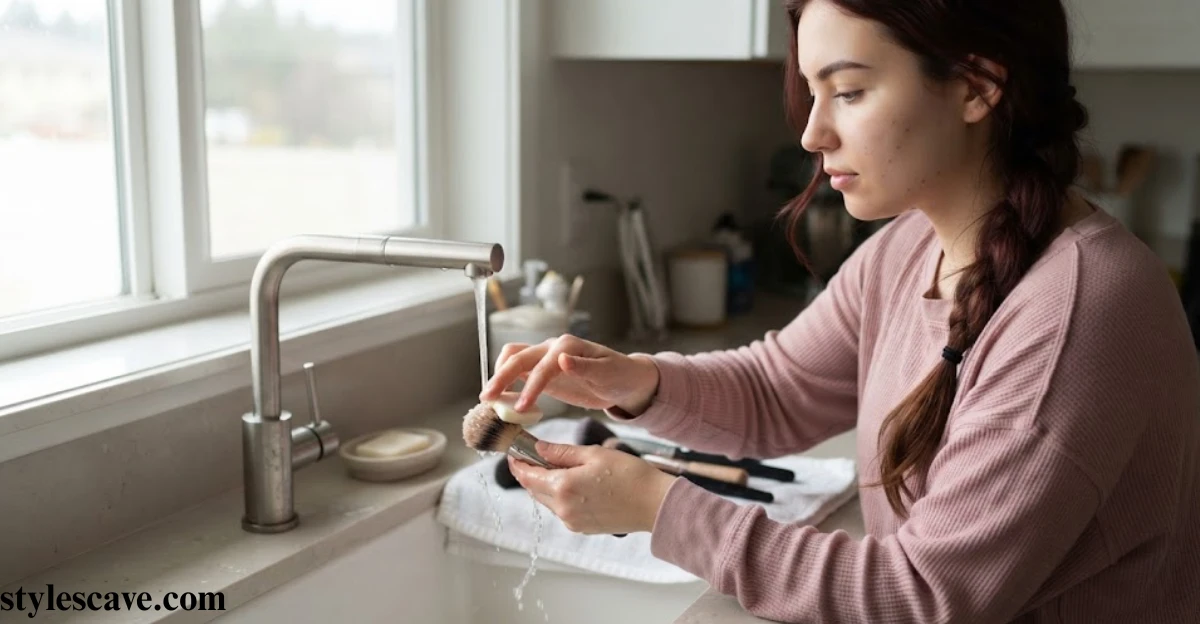
Dirty makeup tools, including brushes and beauty sponges, can collect bacteria and product residue over time. Reusing contaminated tools can contribute to bacterial buildup and may increase the chance of acne flare-ups or skin re-contamination during makeup application.
Regularly cleaning makeup brushes with a gentle cleanser and warm running water can improve makeup hygiene. Because damp sponges have a porous structure, they need particular attention and should be cleaned properly and replaced regularly to keep sponge hygiene under control.
In my experience, freshly cleaned tools make a noticeable difference in both application and overall hygiene. I prefer washing makeup brushes regularly and replacing beauty sponges when they no longer feel fresh, especially when working with acne-prone skin.
Double Cleanse at Night
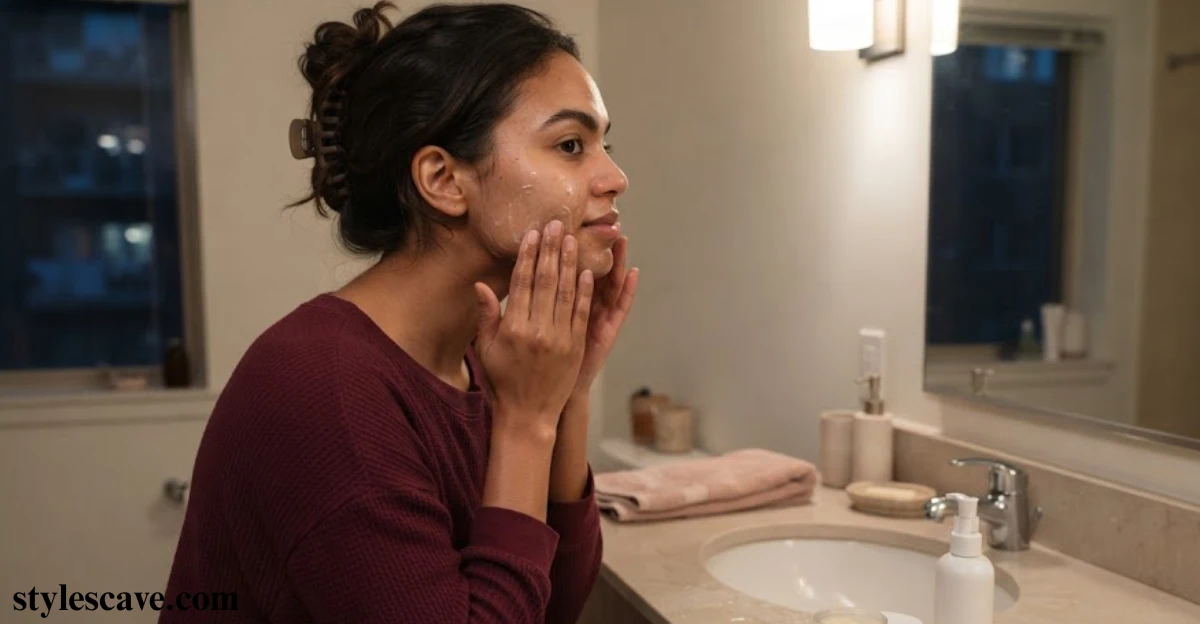
Double cleanse routines can help remove makeup, oil, bacteria and daily buildup before going to bed. The first step can use an oil cleanser or cleansing balm to dissolve makeup, followed by a water-based cleanser to remove remaining residue from the skin.
A non-stripping cleanser can help complete makeup removal without unnecessarily irritating the skin barrier. This two-step cleansing approach can be especially useful for acne-prone skin, provided the products are gentle and non-comedogenic rather than overly drying.
I like double cleansing when a client has worn several layers of makeup throughout the day. Starting with a gentle oil-based step and following with a suitable cleanser helps leave the skin feeling clean without the tight, uncomfortable feeling that can come from overly aggressive cleansing.
Try RMS Beauty for Acne-Prone Skin
RMS Beauty offers makeup products focused on clean ingredients and intentional application, which may appeal to people looking for acne-friendly makeup. When choosing products for acne-prone skin, however, it is still important to consider the individual formula and whether it works well with your skin rather than relying only on the brand’s clean beauty positioning.
Skin-supporting makeup can be incorporated into an acne-prone skin care routine when coverage, makeup performance, and skin barrier support are all considered. Intentional application the right makeup shade and nightly cleansing can help create a more balanced routine while an Artist Advice consultation may help with selecting makeup for acne-prone skin.
When clients ask me about clean makeup, I always look beyond the brand name and consider the specific product they want to use. I find that choosing the right formula for the individual’s skin, applying it lightly and removing it properly at night usually matters more than simply choosing a clean beauty label.
Conclusion
The best makeup routine for acne-prone skin is one that balances coverage with gentle application and thoughtful product choices. Preparing your skin properly, choosing non-comedogenic products, avoiding heavy layers and using clean makeup tools can help create a more comfortable and polished finish. You do not need to completely hide every blemish to feel confident lightweight coverage can even out your complexion while allowing your natural skin to show through. Consistent habits and products suited to your skin, you can enjoy makeup while taking better care of acne-prone skin.
FAQs
What makeup is best for acne-prone skin?
Look for products labeled non-comedogenic and choose lightweight foundations, concealers, and powders that suit your skin type. Avoid products that consistently irritate your skin or feel excessively heavy.
How should I apply makeup over acne?
Start with clean, moisturized skin and apply thin layers rather than heavily covering breakouts at once. Use clean tools and gently pat products onto blemishes instead of rubbing them.
Can makeup make acne worse?
Certain products or poor makeup hygiene may contribute to clogged pores or irritation. Choosing suitable products, cleaning brushes regularly, and removing makeup before bed can help reduce these concerns.
Should I use primer on acne-prone skin?
You can use a primer if it works well with your skin and makeup routine. Choose a lightweight, non-comedogenic formula and avoid products that cause irritation or clogged pores.
How do I remove makeup without irritating acne-prone skin?
Use a gentle makeup remover or cleanser and avoid scrubbing active breakouts. Cleanse thoroughly but gently, then follow with a moisturizer that suits your skin.






- Be Respectful
- Stay Relevant
- Stay Positive
- True Feedback
- Encourage Discussion
- Avoid Spamming
- No Fake News
- Don't Copy-Paste
- No Personal Attacks
- Be Respectful
- Stay Relevant
- Stay Positive
- True Feedback
- Encourage Discussion
- Avoid Spamming
- No Fake News
- Don't Copy-Paste
- No Personal Attacks
