Ultimate Skin Care for Swimmers: Dermatologist Secrets (2026)
Updated: December 8, 2025
82
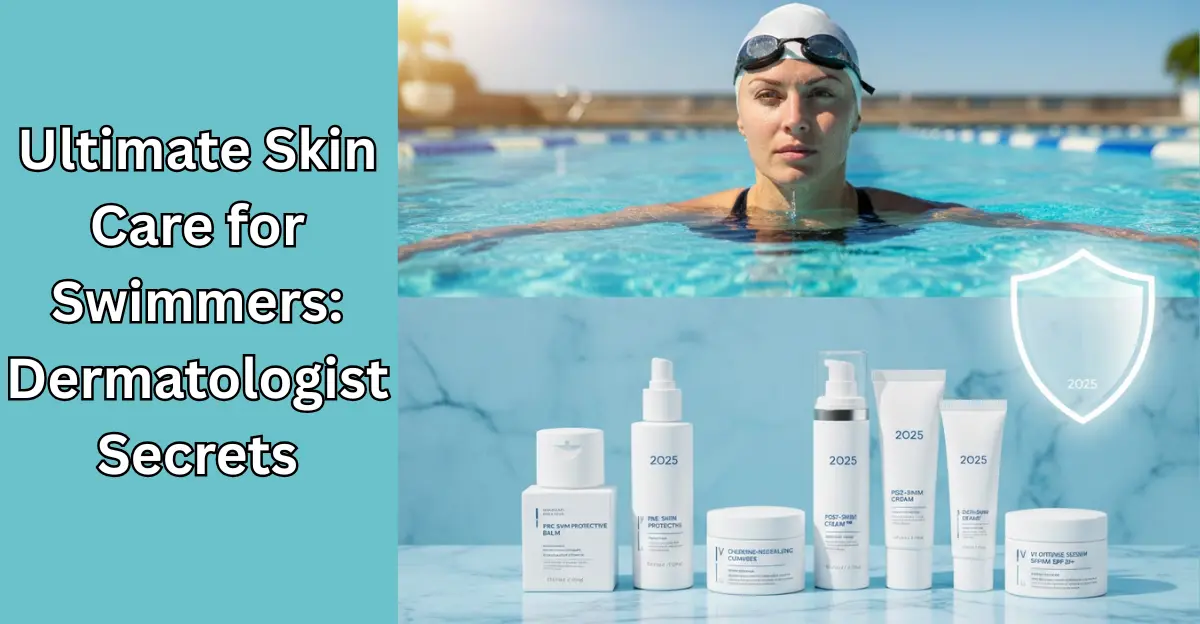
Swimmers face irritated and dry skin from long swimming sessions in chlorine-filled pools and UV-exposed outdoor water, which takes a heavy toll and increases the risk of dermatitis. Dermatologists recommend a smart pre-swim and post-swim care routine with proper moisturizer and protection to deliver healthy, glowing skin while keeping damage at bay. Start applying expert-backed products today and create a shield that truly works for every swim.
Table of Contents
Pre-Swim Skin Prep That Actually Works:
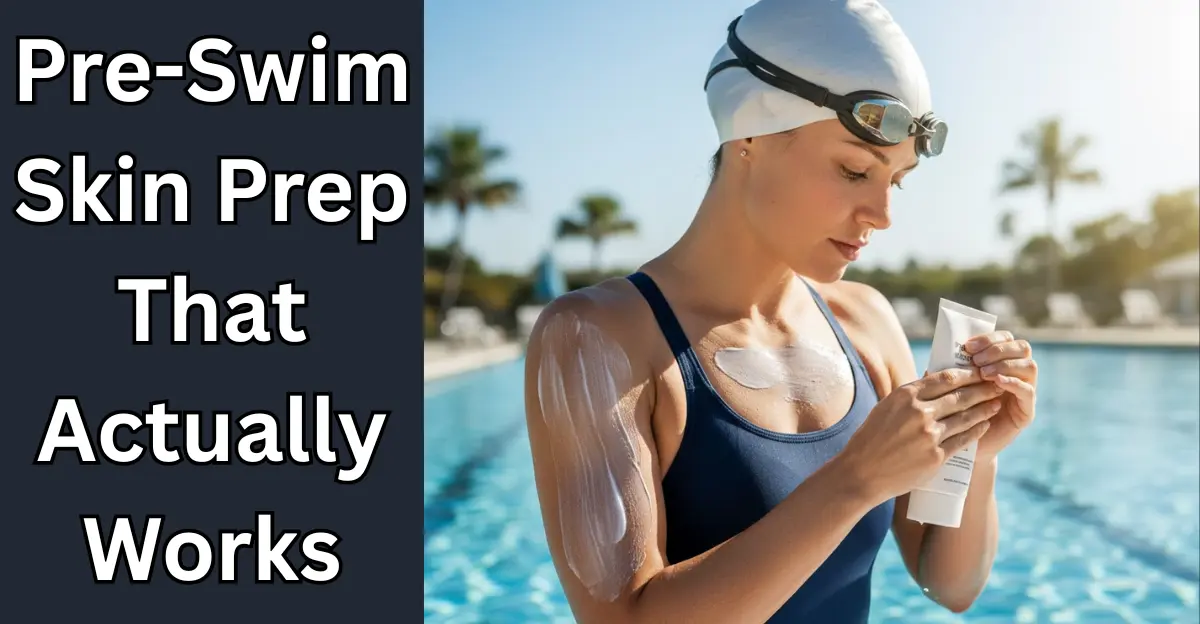
Proper skin pH is key before entering any pool or water for swimming because repeated exposure to pools can disrupt natural moisture and weaken the skin’s barrier, leading to dryness and irritation. Maintaining the right levels of hydration and protective measures makes a noticeable difference, creating a protective layer that helps during each lap. The routine starts with simple steps that take the first line of defense seriously in the battle against chlorine and clashes.
From my experience, swimmers who applied a light, balanced moisturizer before each session noticed less redness and smoother skin. Even short swimming laps caused minimal tightness once this step became routine. Consistency in pre-swim prep reduced the need for heavy post-swim treatments later.
Why does dry skin start before you even tuck in
Many swimmers notice inflammation and red patches even before leaving the pool because chlorine attacks the skin’s natural barrier, causing cells to lose moisture and triggering rashes. The defensive natural oil and sebum that normally protect the skin get weakened by chemical exposure, leaving a scaly layer that strips away protection and causes irritation.
Another idea is that water left to evaporate can be highly irritating because it concentrates chlorinated minerals, making swimming skin more sensitive. The myth that air-drying is harmless falls apart as prolonged contact with chemicals increases damage before bedtime.
From my experience, swimmers often find that moisturizing immediately after swimming reduces tightness and visible irritation. Applying protective creams before air-drying helps minimize chemical attacks on the skin. Even brief laps can cause noticeable dryness if this step is skipped.
Go-to barrier products and how I apply them
A shield of protective cream before entering the pool can make all the difference for swimming skin. The right products should be applied in a thick layer to form a strong barrier that brings visible improvements. The best approach is to start minutes before the session, giving time for the product to absorb, ideally at least ten minutes prior.
- Dimethicone helps seal against chlorine.
- Glycerin and petrolatum lock in moisture effectively.
- Natural oils like jojoba and coconut offer gentle protection.
The product absorbs into the skin, and areas prone to eczema or extra exposure need special attention. Applying generously and following a consistent method starts a quick barrier to minimize chlorine effects.
Top options for swimmers include creams that neutralize chlorine while providing protection without feeling greasy. Excellent products are made specifically for chlorine such as Pre-Swimming, DermaSwim, Exershield and Cicaplast Balm.
From my experience, consistent use of these barrier products prevents tightness and redness. Areas that stay exposed often improve within a week. Swimmers notice a fresh, protected feel that lasts through the session.
Choosing the right sunscreen for swimmers
For swimmers, a protective sunscreen that meets demands and regulations is essential. Always check the rating and reapply every minute when in water. Sunscreen for outdoor sessions requires attention to products that are resistant and properly labeled, creating a strong barrier that allows safe swimming while following FDA guidelines.
Formulations with gentler ingredients on the eyes are important. Chemical or physical sunscreens, including zinc oxide and mineral-based options, work to create a strong barrier without irritating skin during swimming.
Waterproof options are crucial, and applying generously before entering the water forms a reliable layer of protection. For people who swim frequently, timing matters, and using the best sunscreen generously before each session adds a layer of care that ensures safe exposure.
The difference is clear when natural glow is maintained and irritated or damaged skin is avoided. Regular use during pre-swim preparation helps keep skin healthy against chlorine and the sun.
From my experience, swimmers who use mineral-based sunscreens notice less redness and longer-lasting comfort in the water. Applying waterproof sunscreen well before sessions keeps skin protected. Even frequent laps cause minimal dryness when this step becomes routine.
What to Do Right After Swimming (And Why It Matters):

The first moments after leaving the pool are crucial for skin health because swimming can leave a break in the protective barrier. Taking action immediately after climbing out helps prevent damage, especially for competitive swimmers who face severe exposure over time. Using the right products can make a noticeable difference, a lesson many have learned the hard way. Observations have shown that even expensive treatments are less effective if applied late, highlighting the importance of prompt care.
From my experience, swimmers who rinse and moisturize immediately reduce tightness and redness. Quick action after every session prevents long-term irritation. Timely post-swim care consistently keeps skin healthier.
The first 5 minutes post-swim are everything
The immediate care in the first five minutes after swimming is critical because chlorine strips the natural proteins and oils from skin, leaving a tight feeling that swimmers know well. The process begins at home, where the impact of proper post-swim actions determines how well skin binds moisture and recovers. Simple post-swim actions like gently patting with a small towel and applying familiar products help skin stay hydrated and guide recovery without delay.
Prominent dermatologists note that chlorinated water evaporates quickly and increases irritation in comparison to fresh water. It harms skin by leaving a concentrated amount of chemicals that are irritating and increase dryness, especially when air-drying after swimming in water.
From my experience, swimmers who rinse immediately and apply a gentle moisturizer notice less tightness and fewer dry patches. Skipping this step lets chlorinated chemicals linger and makes skin feel rough. Quick attention keeps skin comfortable and resilient for the next session.
How to rinse off chlorine without stripping my skin
The post-swim routine starts with a thorough rinse using warm water to remove chlorine that can linger in inner folds like elbows and knees. Paying extra attention ensures that the compromised barrier is not further damaged. The goal is to rinse without using hot water that dries skin while keeping a gentle, protective approach.
Experts recommend using a gentle, pH-balancing cleanser rather than harsh soap because strong chemicals remove natural oils and can leave skin irritated. The debate over plain water versus mild cleanser suggests skipping harsh options and focusing on methods that add hydration while eliminating residual chlorine from swimming.
From my experience, swimmers who focus on inner folds and rinse carefully notice less redness and tightness. Gentle cleansing prevents over-drying and keeps the barrier intact. Regular attention to these steps makes post-swim recovery smoother and more effective.
The gentle cleanser I swear by
The post-swim routine starts with a thorough rinse using warm water to remove chlorine that can linger in inner folds like elbows and knees. Paying extra attention ensures that the compromised barrier is not further damaged. The goal is to rinse without using hot water that dries skin while keeping a gentle, protective approach.
Experts recommend using a gentle, pH-balancing cleanser rather than harsh soap because strong chemicals remove natural oils and can leave skin irritated. The debate over plain water versus mild cleanser suggests skipping harsh options and focusing on methods that add hydration while eliminating residual chlorine from swimming.
From my experience, swimmers who focus on inner folds and rinse carefully notice less redness and tightness. Gentle cleansing prevents over-drying and keeps the barrier intact. Regular attention to these steps makes post-swim recovery smoother and more effective.
Post-Swim Skin Recovery Routine:

A competitive swimmer knows that the proper post-swim routine begins the moment goggles come off and the cap is removed, whether in an indoor pool or elsewhere. Maintaining moisture is key to recovery, as a swimmer’s skin can quickly become plagued by chlorine if left unattended. A refined approach developed over the years brings real results, stops further damage, and shows how simple care happens like magic when executed consistently.
From my experience, swimmers who follow a structured post-swim routine notice less tightness and faster recovery. Even brief laps can leave skin soft and protected with consistent hydration. This approach prevents long-term irritation and keeps skin comfortable for daily sessions.
Layering hydration: what works for me
Effective layers of moisturizer in the right step push moisture deeper into the skin. Starting on damp skin helps the simple application work, allowing each layer to lock hydration beyond the surface for better skin health. This technique begins with a light product that locks moisture, followed by heavy, multiple layers to reach deeper skin.
A ceramide-rich moisturizer strengthens the barrier while thicker creams, acid serum, or lightweight options applied at the right time after showering help skin’s natural recovery and rebuilds hydration.
Choosing the right hydration power means creams, lotions and ointments that match the dryness level, helping skin hydrate well and remain soft after long swimming sessions.
From my experience, layering a ceramide-rich moisturizer after serum keeps skin soft and prevents tightness. Using multiple hydration layers on damp skin maximizes absorption and reduces dryness. Consistency in this method ensures longer-lasting comfort for swimmers.
When to skip activities and why
Using potent ingredients like retinol or AHAs and BHAs can create irritation and weaken the barrier of skin that has been stressed by swimming or chlorine. On some days, adding active treatments to an already sensitive skin recipe can do more harm than good, meaning it’s important to know when to skip.
The best approach is to wait several hours or even a full day after a swimming session before adding any active ingredient to your routine. This lesson is taught by experience, as severe redness and discomfort have been experienced by swimmers back from a regular pool.
From my experience, skipping activities immediately after pool sessions prevents flare-ups and redness. Waiting a few hours allows skin to recover naturally. This careful timing keeps the barrier intact and improves long-term skin resilience.
How to use slugging to lock in moisture
Slugging is a secret technique from K-beauty that helps a swimmer’s skin retain moisture effectively. As the final step at night, a thin layer of petroleum-based jelly locks hydration into dry areas, ensuring the moisture from previous steps stays in the skin. Using a pea-sized amount over the driest spots stops loss and provides a protective barrier during sleep, especially after swimming.
When applied correctly, this technique works best 2-3 times weekly unless the skin is extremely dry. Petrolatum comes with almost 98% occlusive power, and the focus should be on everything from the first layer of hydration to cut down water loss, avoiding areas prone to clog.
From my experience, swimmers who use slugging regularly notice softer, plumper skin by morning. Applying it over swimming-stressed areas reduces tightness and prevents dryness. This simple step makes a huge difference in maintaining healthy skin after frequent sessions.
Making It a Habit: Building a Routine That Sticks
To build an effective routine for swimmers, the trial-and-error process is key. Every time the swimmer hits the pool, consistent use of products and proper timing ensures results and turns care into a lasting habit. Skipping steps or using the wrong method can cause damage, but a good journey over days and years builds whatever is needed to address the challenges of chlorine exposure. Proper attention to each step makes the routine effective and keeps skin healthy.
From my experience, swimmers who commit to a structured routine notice gradual improvement in skin resilience. Even small lapses can show immediate effects, so consistency matters. Over time, this approach makes post-swim care second nature and protects skin efficiently.
How to adjust routine for daily vs. weekly swims
Swimmers need to protect their skin differently depending on whether they swim daily or less often. A stronger, well-planned routine helps hydrate skin without letting active ingredients irritate already stressed areas. A simple approach with the right timing, used twice for daily sessions, ensures skin remains resilient, while clients who swim occasionally can focus on essential treatments instead of overloading products.
The approach follows a three-step process many clients use for daily swims:
- Pre-swim, apply a dry cream to skin to form a barrier.
- Post-swim, rinse with fresh water immediately after exiting the pool.
- Maintain hydration with gentle, minimal ingredients to restore moisture.
For weekend or occasional swims, hydration can go deeper with thicker moisturizers or intensive treatments to help skin recover from swimming stress. This protective approach allows swimmers to handle the effects of swim time, and over time, warriors of the water love how their skin gets healthier after proper care between sessions.
From my experience, daily swimmers notice fewer signs of tightness with consistent three-step routines. Weekend or occasional swimmers see the benefits of intensive hydration and protective layers. Adjusting the routine to skin stress makes a real difference in comfort and recovery.
Tips for keeping your skincare bag pool-ready
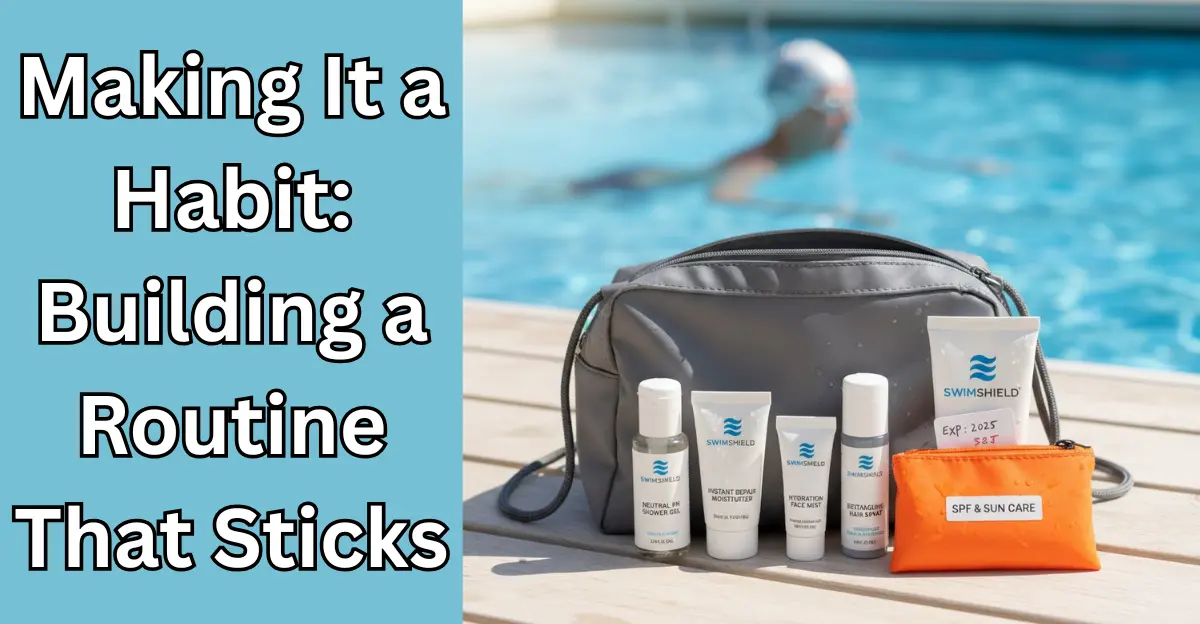
Keeping a consistent habit with pool steps is easier when your skincare bag is always ready. A simple setup makes it easy to keep your bag packed with dedicated skincare products, so you never rush before a swim and can stay on track with your routine.
A drawstring pouch or small bag keeps everything organized, whether it’s a bigger swietup for hair and body or a small third bag for face products. Easy access inside another bag stops the hassle of searching, and the place holds the items that work, including sunscreen, so your pool bags make your routine smooth.
Never forget travel-sized essentials; your bag should include all the versions you leave at the pool. My bag has:
- Mini shower gel with neutral pH
- Small moisturizer for immediate application
- Face mist for quick hydration
- Lip SPF balm with protection
- Hair spray for detangling
Remember to replace sunscreens and purchase fresh products with well-marked dates. Regularly check that items work and record when they expire to prevent permanent issues.
From my experience, swimmers who keep a dedicated skincare bag save time and avoid skipping steps. Having travel-sized essentials ensures hydration and protection are never missed. Tracking product dates keeps the bag fresh and reliable every swim.
Conclusion
Maintaining healthy skin as a swimmer takes consistent care, the right products, and smart routines before, during, and after every session. By protecting the barrier, hydrating deeply and staying organized with a pool-ready skincare bag, swimmers can minimize chlorine damage and irritation. Simple habits, pre-swim prep and post-swim recovery make a real difference in long-term skin health. With dedication and the right approach, every swim can leave skin glowing, resilient and ready for the next lap.
FAQs
What is the 80 20 rule in swimming?
The 80/20 rule in swimming means spending 80% of your training at low intensity and 20% at high intensity to improve endurance without overstraining muscles. This approach helps swimmers maximize performance while minimizing fatigue and the risk of skin irritation from long pool exposure. Following this method balances effective workouts with proper skin care.
How do swimmers take care of their skin?
Swimmers take care of their skin by using pre-swim protective creams, rinsing thoroughly after every session, and applying gentle moisturizers to maintain hydration. They focus on barrier protection and post-swim recovery to prevent chlorine damage, dryness and irritation for healthy, glowing skin.
What are the swimmers’ guides to skincare?
Swimmers’ guides to skincare include pre-swim preparation with protective products, post-swim rinsing, gentle cleansing, and layering hydration for recovery. Using sunscreen, protective oils, and routine maintenance ensures skin stays resilient against chlorine, UV exposure and frequent swimming sessions.
Please Write Your Comments