Say Goodbye To Dry Hair With These Moisture-Boosting Tips
Updated: December 14, 2025
73
Dry hair can quickly turn daily styling into a struggle, making strands look dull, rough, and hard to manage over time. This guide on Say Goodbye To Dry Hair With These Moisture-Boosting Tips breaks down the root causes and smart care approach that helps restore softness and strength. Keep reading to discover practical insights and start your journey toward healthier-looking locks today.
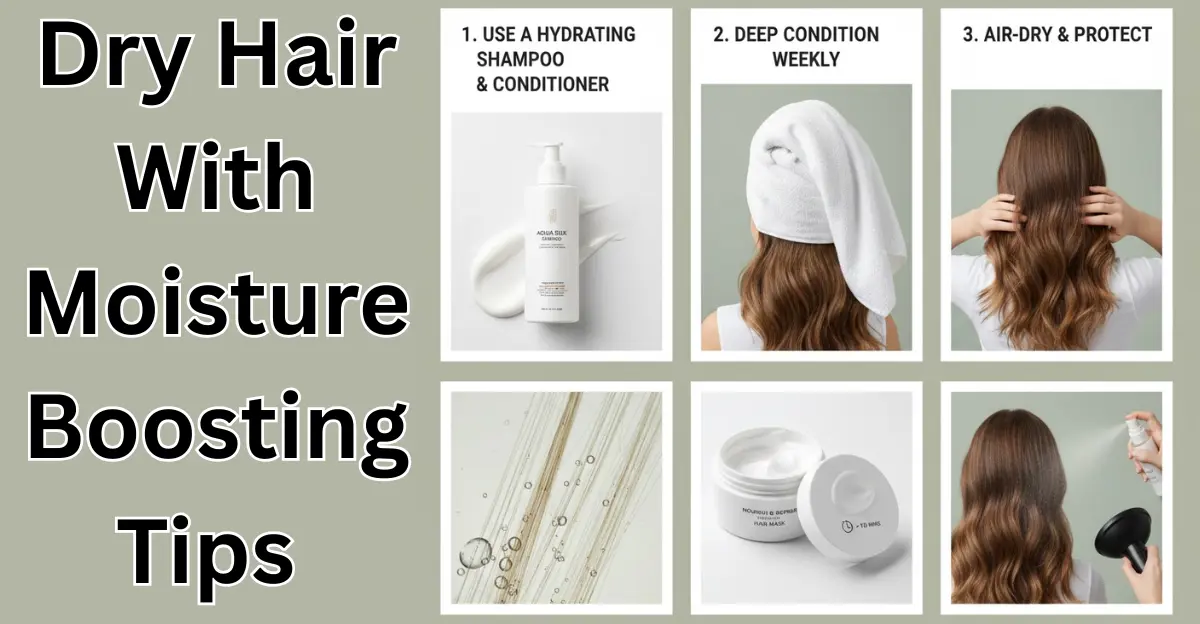
Table of Contents
Causes of Dry Hair
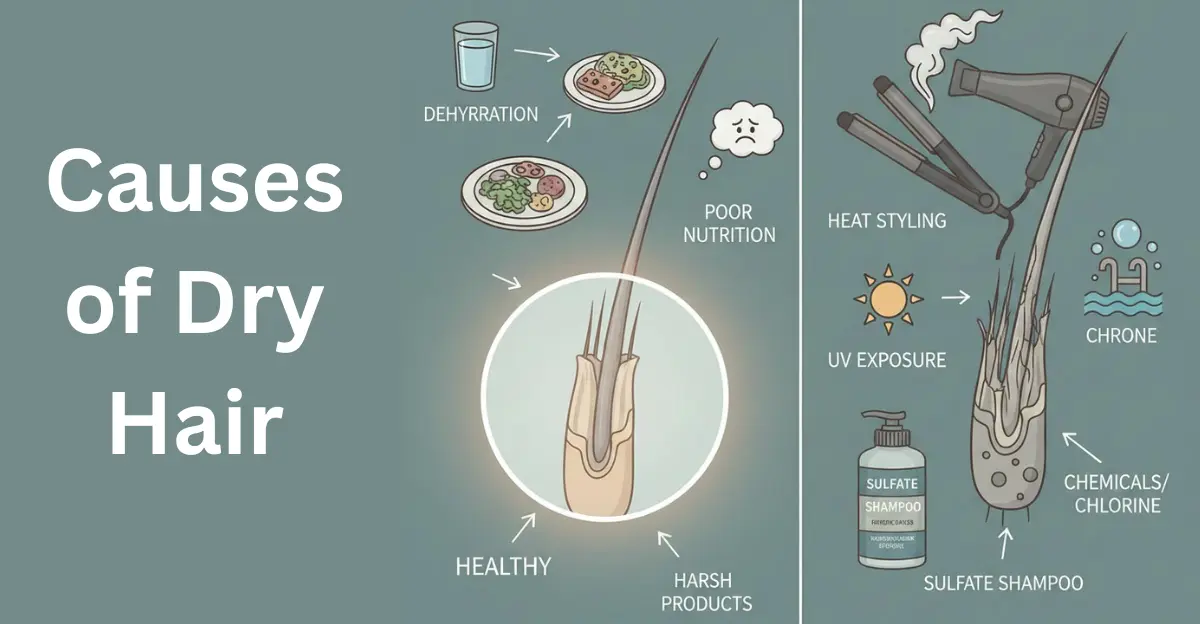
The hair structure plays a major role in moisture retention, and when this balance is disrupted, dryness becomes a common concern. Several factors are contributing to this condition, and their combined impacts can weaken strands over time. When you examine the first signs closely, it becomes clear how internal and external influences slowly interfere with the hair’s natural ability to stay hydrated.
From my personal experience, I have noticed how changes in texture often reflect deeper structural issues rather than surface problems. Working around different hair types helped me recognize patterns that point back to moisture imbalance. Over time, these observations made the causes much easier to identify and understand.
Hair Structure
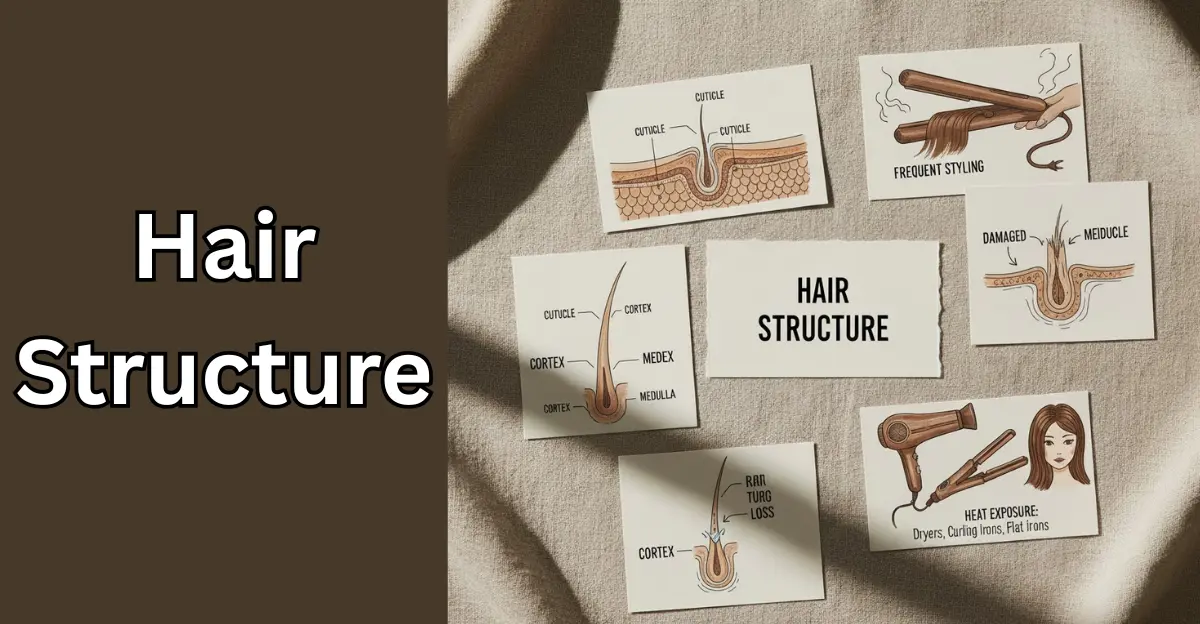
The hair structure is built around the outermost layer known as the cuticle, which protects the inner shaft and retains natural moisture. When this layer becomes damaged, it rises and can no longer effectively seals the strand, leading to visible dryness. This process works logically, as the loss of protection allows moisture to escape easily, making proper care key to maintaining smooth and intact locks.
From my personal experience, I have closely observed how hair with an intact cuticle reflects light and feels softer to the touch. Over time, I noticed that even slight cuticle damage changes how hair behaves during washing and drying. These small shifts often explain why dryness appears gradually rather than overnight.
Common Causes of Dry Hair
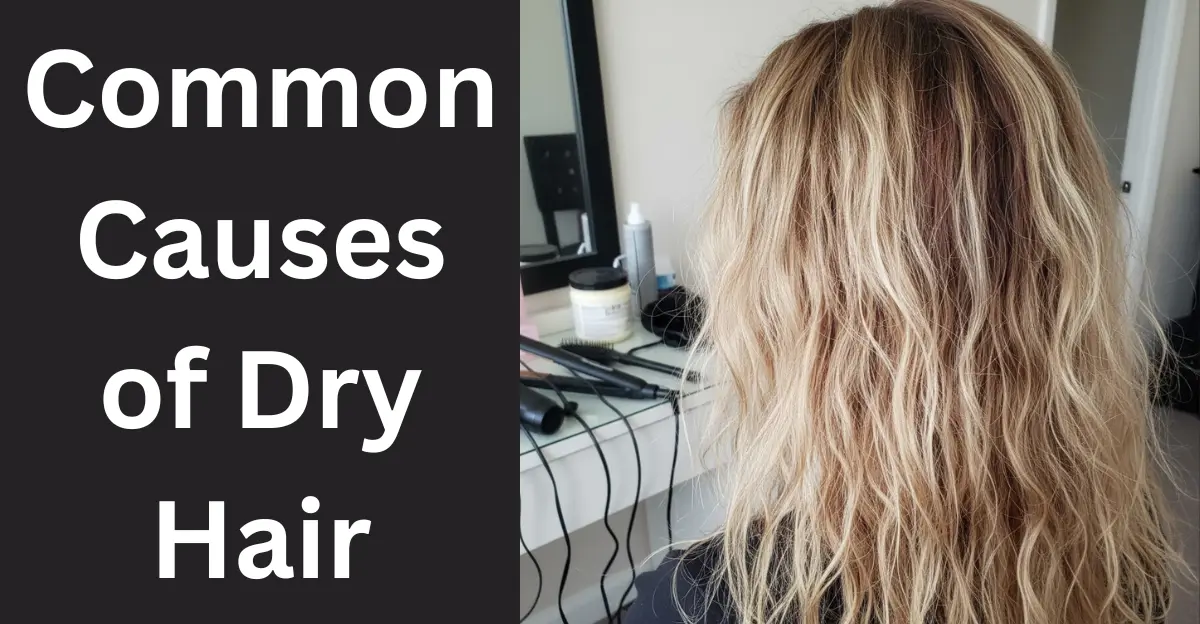
Loss of moisture often starts at the scalp, where natural oils and sebum are meant to be evenly distributed along the hair to protect its integrity. Various chemical and lifestyle factors make hair dry, especially when frequent styling, treatments and improper daily habits strip away what the hair naturally produces.
When cuticles lift, damage builds from repeated use of tools, relaxers, and dyes, especially near the ends. This ongoing stress removes essential protection and compromises overall health, which becomes a clear cause that can lead hair to become fragile when it is not cared for properly.
- Excessive exposure to heat from dryers, curling irons, Flat irons, and constant blow styling slowly weakens strands and increases dryness over time.
- Harsh chemical processes such as perms, relaxers, Bleaches, and other intensive treatments damage the hair surface and reduce its ability to hold moisture.
- Environmental factors like humidity, pollution, UV rays, and sudden climate changes stress the hair daily and accelerate moisture loss.
- Improper care habits including Overwashing, inadequate conditioning, rough towel handling, and careless hair drying increase breakage and dryness.
- Hereditary factors and genes can predispose hair to feel dry, even when external care remains consistent.
- As Age progresses, hair tends to become older, drier, and easier to damage due to reduced oil production.
From my personal experience, I have noticed that dry hair rarely comes from a single cause. Over time, I observed how habits, environment, and genetics quietly work together. Recognizing these layered triggers made it easier to understand why dryness often feels persistent rather than sudden.
Daily Hair Care and Preventive Strategies
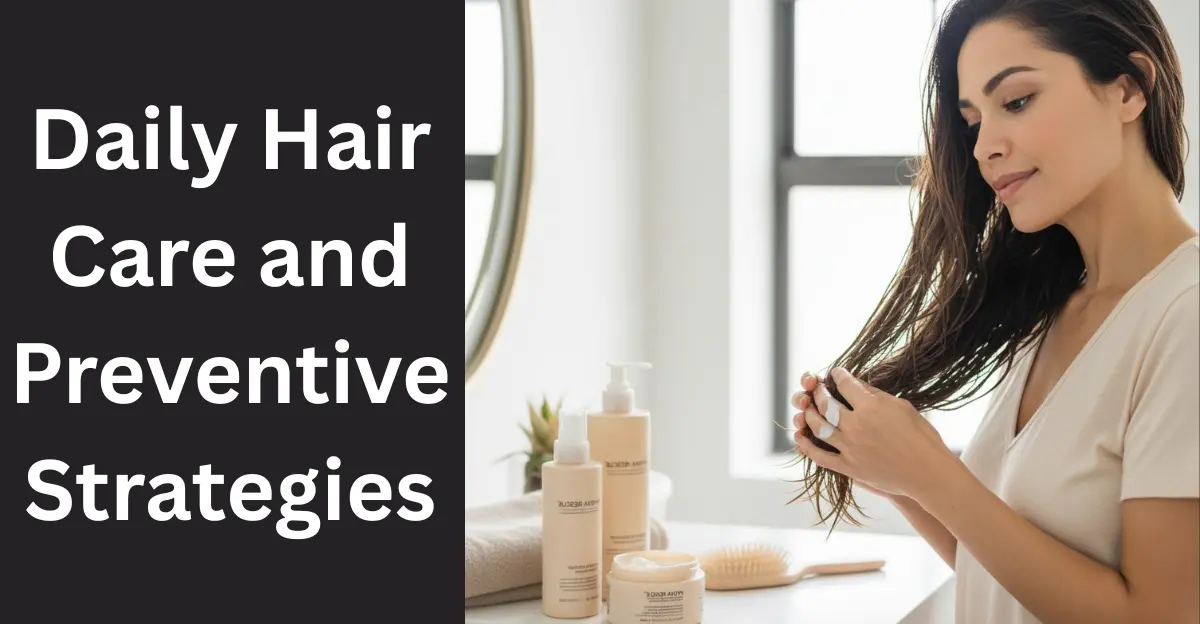
Proper care is essential for preventing dry hair and preserving its natural moisture and strength. Maintaining healthy strands starts with choosing suitable products and applying them using effective techniques that support hydration and protect the hair from daily stressors. Consistent routines that focus on gentle handling, nourishing treatments and avoiding harsh interventions help maintain softness and resilience throughout.
From my personal experience, I have seen how a consistent, mindful hair care routine transforms brittle strands over weeks. Simple changes in product selection and application methods noticeably improve texture and shine. Observing these results firsthand reinforces the importance of everyday care and attentiveness.
Choosing the Right Shampoo and Conditioner
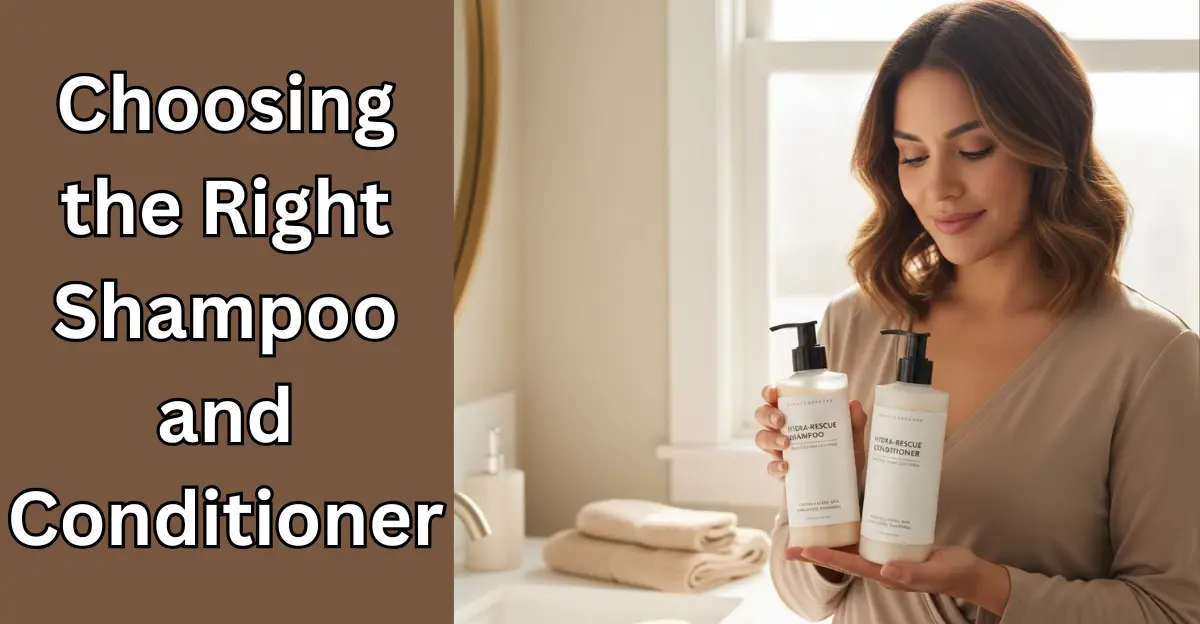
Selecting a shampoo and conditioner that fit your hair type is crucial for preventing dryness and avoiding brittleness. It’s important to look for products labeled moisturizing or hydrating and pick ones that are gentle and sulfate-free so they do not strip away the natural oils that keep hair soft and manageable.
When examining ingredients, focus on natural oils, shea butter, and panthenol in your conditioner, as these help retain moisture in each strand. Properly applying these products ensures hair stays hydrated, smooth and protected from environmental stress.
For dry hair prone to damage and breakage, hydrolyzed proteins strengthen the hair shaft while reducing the risk of snapping. Reparative treatments can rebuild the hair structure, restoring resilience and leaving strands healthier over time.
From my personal experience, introducing hydrating shampoos and conditioners made a noticeable difference in softness and shine within just a few weeks. Products with natural oils improved manageability and protein-based treatments gradually restored strength to fragile areas. Observing these results reinforced how essential the right formula is for long-term hair health.
Heat Styling with Caution

Using heat for styling can damage hair and leave it dry or prone to breakage if done too often. Always apply a protectant product before using hot tools such as curling irons or straighteners to shield strands from harm.
A good heat protectant forms a barrier on the hair, which helps reduce potential damage from high temperatures. It is best to limit styling with heat to a few times each week and select lower settings whenever possible to keep hair healthy and hydrated.
From my personal experience, I noticed that consistently using a heat protectant made a huge difference in how soft my hair felt after straightening. Cutting back on daily hot styling and keeping temperatures moderate helped prevent breakage and maintained natural shine over time.
Tips for Outdoor Activities

Sun and wind exposure can contribute to dryness and brittleness in hair, so when you spend time outdoors, it’s important to protect your strands by wearing a hat or using a UV-protectant spray. These simple steps help shield hair from environmental stress and prevent long-term damage.
Before you swim, wear a cap to protect your wet hair when entering a pool or the ocean. Rinse and condition hair afterward to remove excess chemicals, salt, and other residues that can dry strands or strip natural oils.
From my personal experience, I found that even short exposure to sun or salt water made my hair feel rough and brittle. Using a UV spray and rinsing after swimming noticeably maintained softness and prevented breakage. Over time, these precautions became a simple routine for healthier hair outdoors.
Incorporate Natural Oils Into Your Haircare Routine
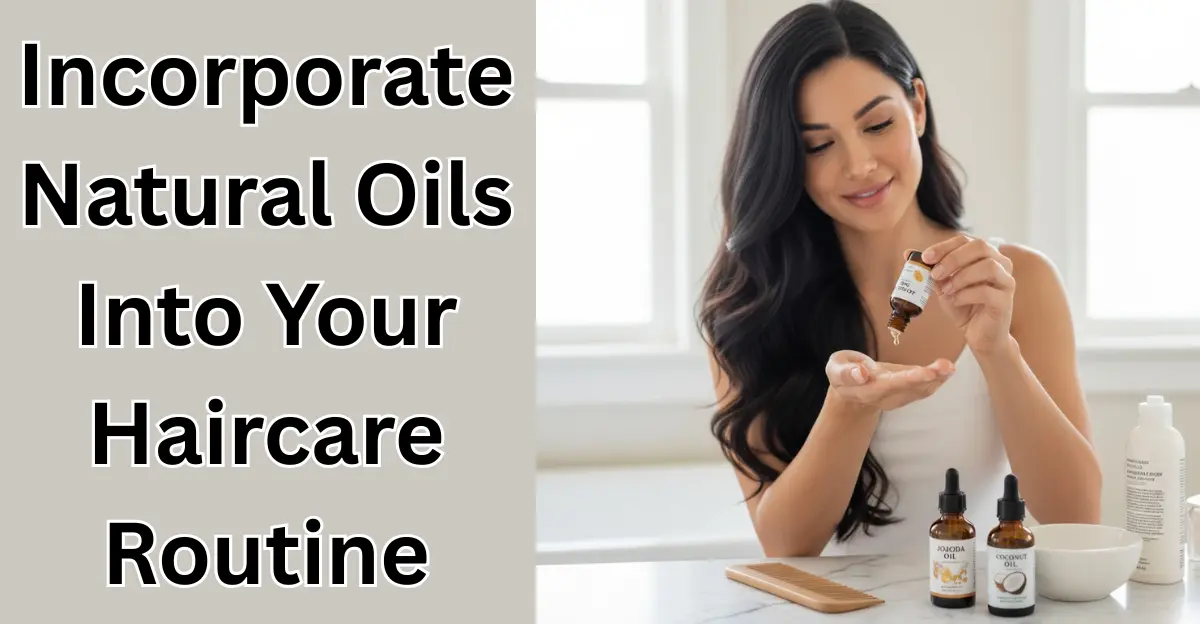
Incorporating natural oils into treatments and your regular hair care routine is highly beneficial for preventing dryness. Oils like Argan oil, jojoba oil, and coconut oil are known for their moisturizing properties. You can use them as a pre-shampoo treatment, mix them into a leave-in conditioner or add a few drops to your regular conditioner for extra hydration.
- Jojoba Oil closely mimics the natural sebum produced by the scalp and can help regulate oil production. It is excellent for both dry and oily hair types, balancing moisture without weighing hair down.
- Argan Oil is rich in fatty acids and Vitamin E, which helps hydrate and nourish dry or damaged hair, restoring softness and shine while improving manageability.
- Coconut Oil is easily absorbed into strands, which helps tame frizz and reduce breakage, leaving hair stronger and smoother.
From my personal experience, using a combination of these oils transformed my hair texture over time. Jojoba balanced oiliness near the scalp, argan deeply nourished dry ends, and coconut tamed frizz after every wash. Incorporating oils consistently made my hair feel healthier, softer, and more resilient.
Hair Washing Techniques That Retain Moisture
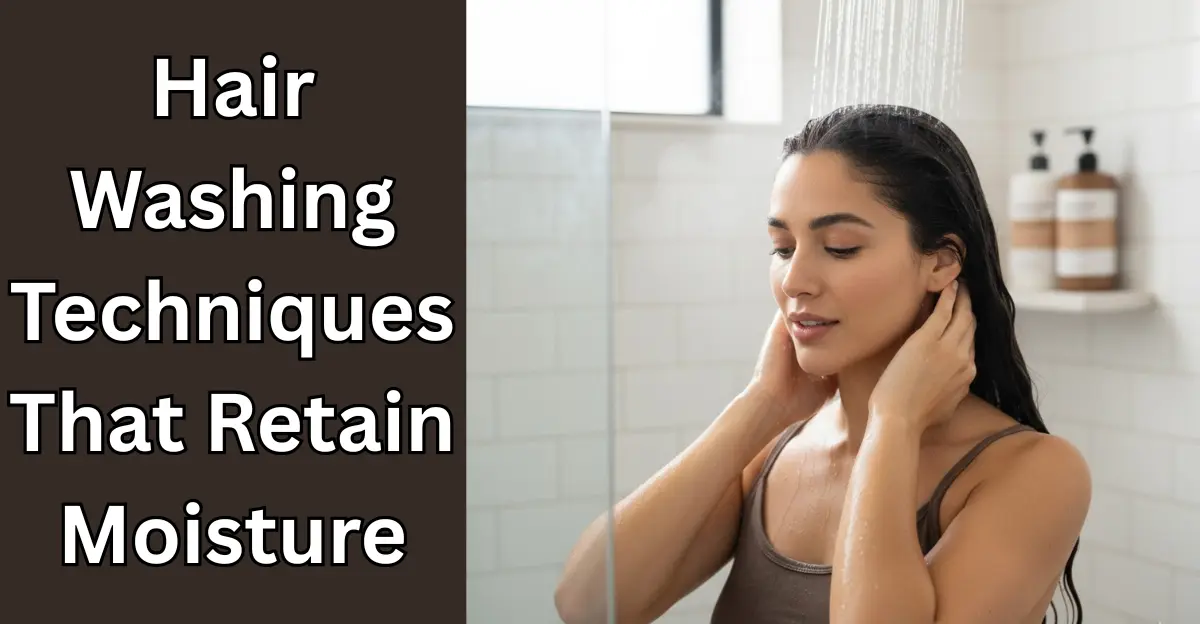
How you wash your hair is important because the products you use and the frequency of washing can lead to loss of essential natural oils and overall moisture. Avoid washing hair daily unless necessary, as over-washing strips protection and leaves strands dry.
Using lukewarm water instead of hot water prevents the stripping of natural oils and handling hair gently helps avoid breaking vulnerable strands during cleansing.
- Washing Frequency: Hair should not be washed every day. Try washing every 2-3 days to preserve natural oils and maintain softness.
- Water Temperature: Avoid hot water and prefer lukewarm water to prevent excessive drying and maintain hydration along the strands.
From my personal experience, adjusting both how often I wash my hair and the temperature of the water made a noticeable difference. Hair stayed softer, felt stronger and maintained natural shine. Over time, this simple change reduced dryness and breakage significantly.
Use A Deep Conditioning Hair Mask
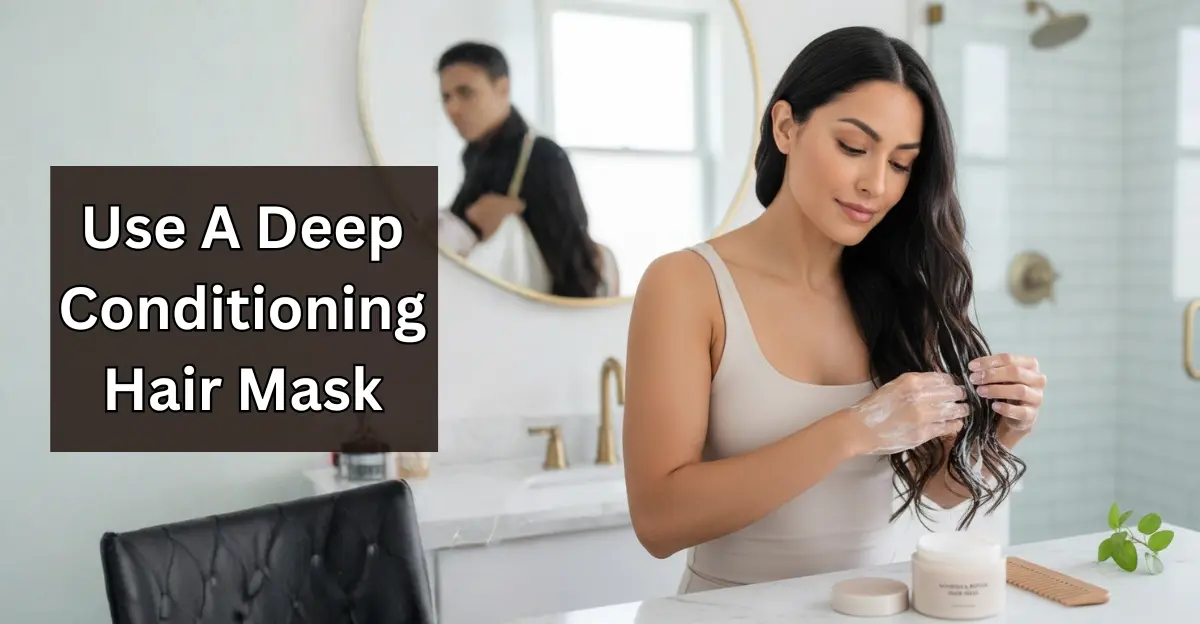
A deep-conditioning hair mask is an essential treatment for dry and damaged strands. Masks enriched with nourishing ingredients work to penetrate each hair shaft, helping restore moisture while actively repairing damage. For best results, it’s effective to use a mask at least once a week and more frequently if your hair feels especially stressed or lacking hydration.
From my personal experience, introducing a deep conditioning mask transformed the texture of my hair within a few weeks. Strands felt softer, frizz was reduced and overall manageability improved. Regular use kept even the driest ends hydrated and resilient.
Get Regular Trims
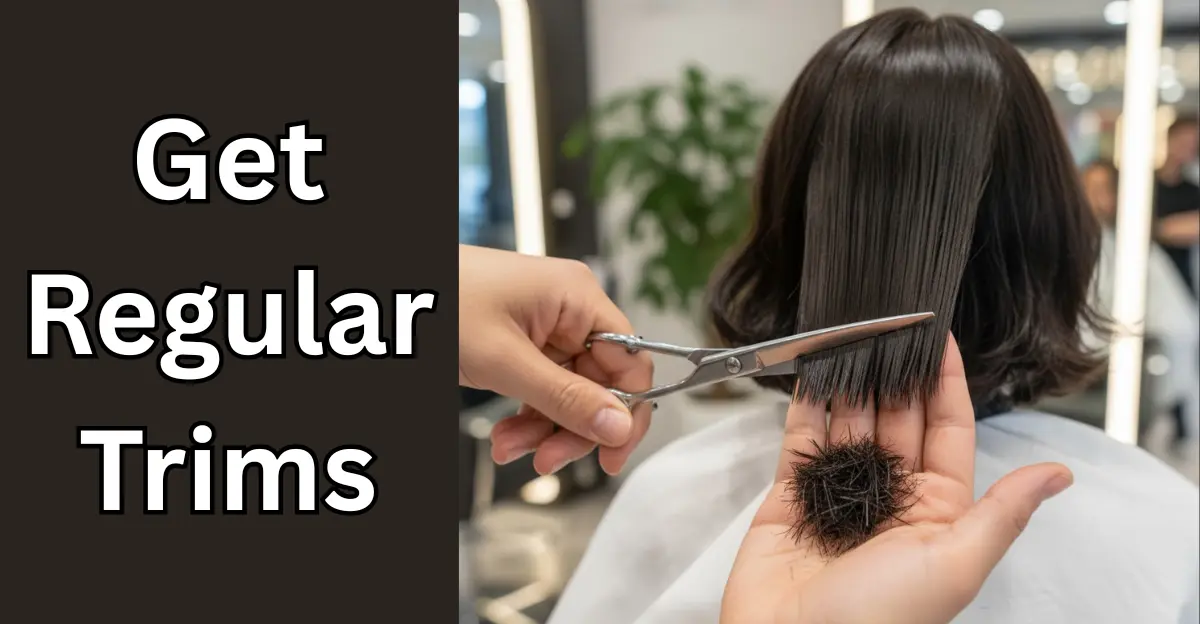
Keeping up with regular trims is essential for healthy hair because it prevents split ends and reduces dryness. Regular cutting not only makes hair look fuller and smoother but also prevents breakage and other damage. Experts often recommend a trim every 6-8 weeks to maintain strength and overall hair health.
From my personal experience, I noticed that even small, consistent trims drastically improved the texture of my hair. Split ends were reduced, strands felt stronger and styling became much easier. Over time, regular trims kept my hair looking polished and healthy.
Brushing Dry Hair
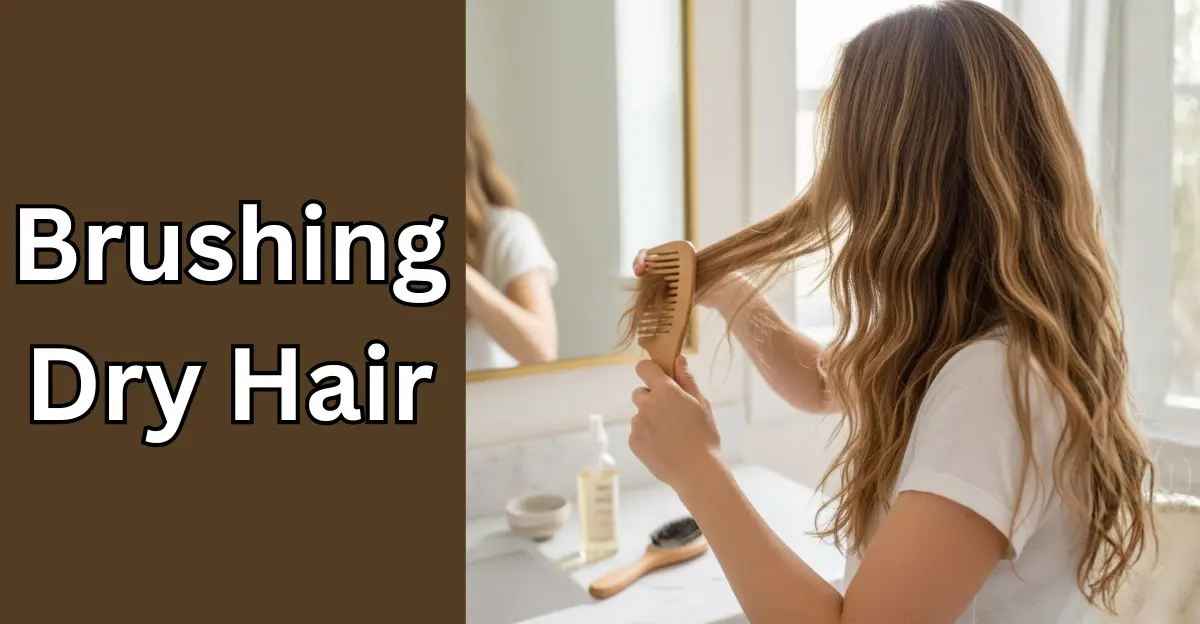
When handling dry hair, it is important to use a gentle touch to avoid unnecessary damage. Starting at the ends helps detangle knots carefully and a wide-tooth comb or soft brush can make the process easier without pulling.
Using a boar bristle brush on dry strands can help distribute natural oils from the scalp along the hair, adding shine and maintaining moisture. Overbrushing should be avoided to keep hair strong and prevent breakage.
From my personal experience, brushing gently from ends to roots and using a boar bristle brush noticeably improved the smoothness of my hair. Strands became more manageable, looked healthier and retained natural shine without extra products.
Professional Treatments and Their Benefits
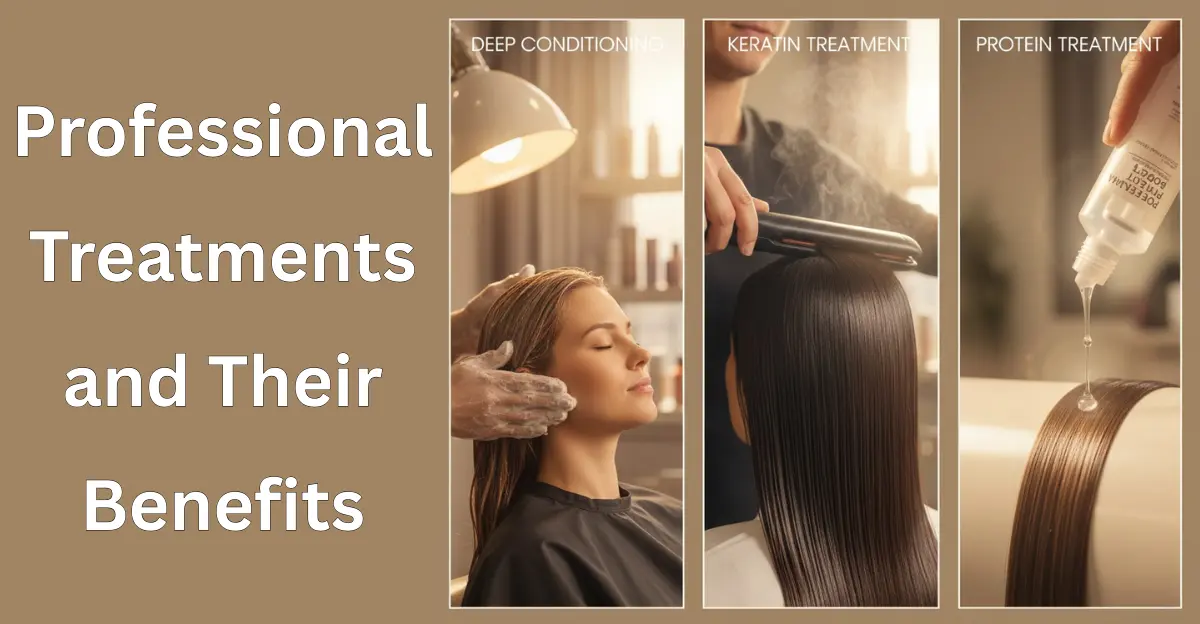
Hair often responds differently to at-home treatments, which is why investing in professional treatments can significantly benefit overall hair quality. These treatments provide targeted care and results that are difficult to achieve with regular home routines.
- A professional deep conditioning treatment delivers beneficial nutrients that penetrate the hair shaft, leaving strands hydrated with a lasting effect.
- Keratin treatments help smoothing the hair cuticle so that strands are less prone to frizz and breakage, creating sleek and manageable hair.
- Protein treatments performed in the salon fill gaps in hair keratin, leaving strands more resilient and strengthened from root to tip.
Following a stylist’s recommendations ensures the best treatment is selected for your hair type and specific concerns, making professional care more effective.
From my personal experience, scheduling professional treatments transformed my hair in ways home care could not. Deep conditioning left it soft for weeks, keratin reduced frizz dramatically and protein treatments strengthened weak areas. Stylist guidance ensured the treatments matched my hair’s needs perfectly.
Foods, Vitamins and Supplements for Hair
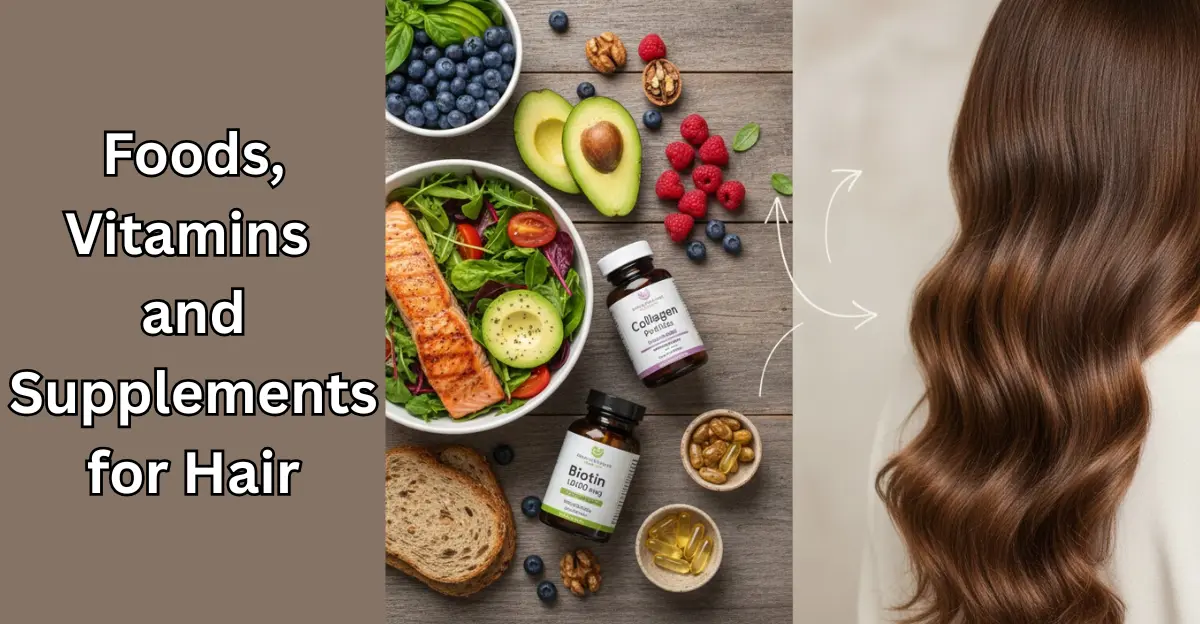
A well-rounded diet has a significant impact on hair health, providing essential vitamins like A, E, and D, along with iron, protein, carbohydrates, and healthy fats that help fortify strands from the inside. These nutrients support growth, strength and overall vitality.
Adding supplements such as collagen or biotin can further boost hair resilience and improve strength and shine. Incorporating these nutrients into your daily diet often results in visibly healthier strands over time, especially when combined with consistent care.
From my personal experience, focusing on a balanced diet with added biotin and collagen noticeably strengthened my hair. Over weeks, strands became more resilient, looked shinier, and felt healthier, showing the clear impact of proper nutrition.
Managing Curly or Coarse Hair
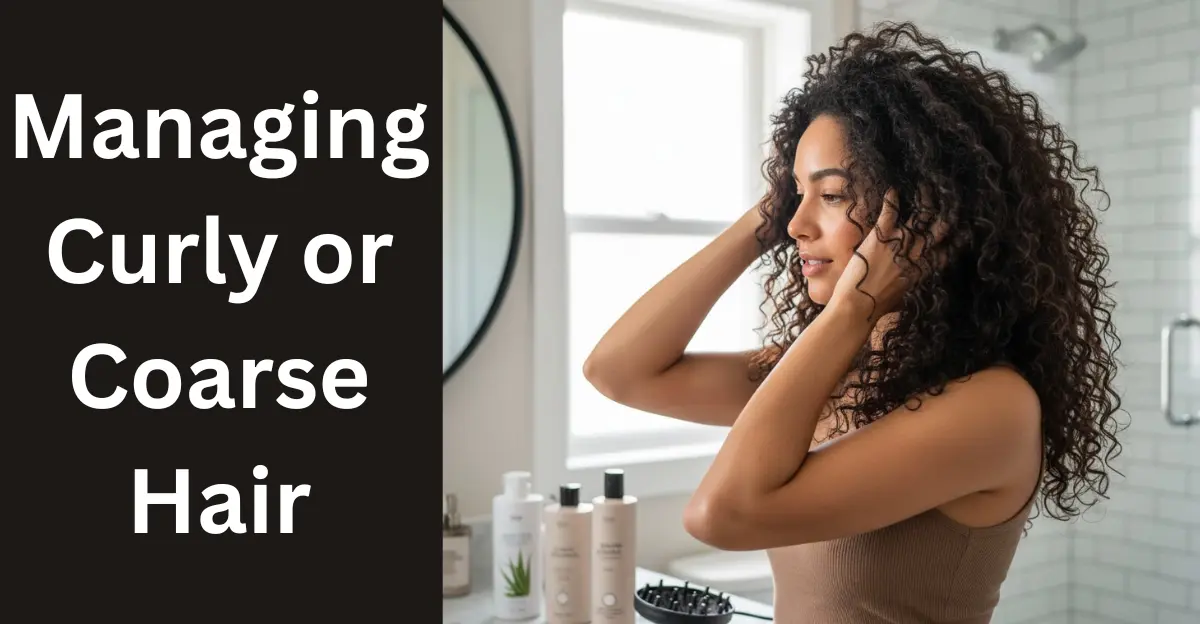
Coarse and curly hair often requires intensive moisture to prevent dry strands, as the natural hair structure and lower porosity can make hydration more challenging. Focusing on the right routine and products suited for your hair texture ensures moisture is effectively retained. Ingredients like aloe vera, panthenol and coconut oil help retain moisture while forming a protective barrier against environmental stressors.
Air-drying whenever possible reduces reliance on heat styling tools, but when using a diffuser or blow-drying, applying a heat protectant guard is essential. This protects hair from heat damage while maintaining the integrity of curly, coarse strands and minimizing frizz.
From my personal experience, focusing on moisture-rich products and avoiding excessive heat completely changed how my curls behaved. Aloe vera and coconut oil kept strands soft, and using a diffuser with a heat protectant maintained shape and reduced frizz. Over time, my coarse hair became more manageable and healthier-looking.
Conclusion
Taking care of dry hair requires a thoughtful combination of hydration, protection, and proper maintenance. From choosing the right products to incorporating natural oils, professional treatments and balanced nutrition, every step contributes to healthier, stronger strands. Limiting heat, protecting hair outdoors and maintaining a consistent routine help prevent damage and dryness. Regular trims and deep conditioning restore moisture and resilience, making hair more manageable and vibrant. By following these strategies, you can transform dry, brittle hair into soft, nourished and beautiful locks.
FAQs
How to add moisture to dry hair ends?
Apply a nourishing leave-in conditioner or natural oil like coconut or argan oil directly to dry hair ends. Regular deep-conditioning masks also help restore moisture and prevent split ends. Trimming damaged ends enhances overall hair health and softness.
How to add moisture to dry hair quickly?
Use a hydrating hair mask or hot oil treatment for fast results, and focus on wetting hair with lukewarm water before applying products. Lightly massage oils or conditioners into strands to lock in moisture instantly. Avoid heat styling to maintain hydration.
How to regain moisture in dry hair?
Incorporate moisture-rich shampoos, conditioners, and natural oils into your haircare routine to replenish lost hydration. Minimize heat styling and protect hair from environmental stressors. Regular treatments and proper washing frequency help strands regain softness over time.
How to get silky hair in 7 days?
Combine deep-conditioning treatments, leave-in conditioners, and natural oils like argan or jojoba to smooth strands. Reduce heat exposure and gently detangle using a wide-tooth comb. Consistent hydration and proper care can make hair noticeably softer and silkier within a week.
Please Write Your Comments