How to Prevent and Treat Split Ends – Easy Tips For Healthier Hair
Updated: December 12, 2025
88
Split ends can creep into dry and frayed hair fast, turning smooth strands into a rough challenge that slows your styling routine. This guide helps you prevent and treat damage so your hair looks sleek, strong and fabulous with simple steps you can start today. Keep reading to get the practical tips you need and take control of your hair care journey now.
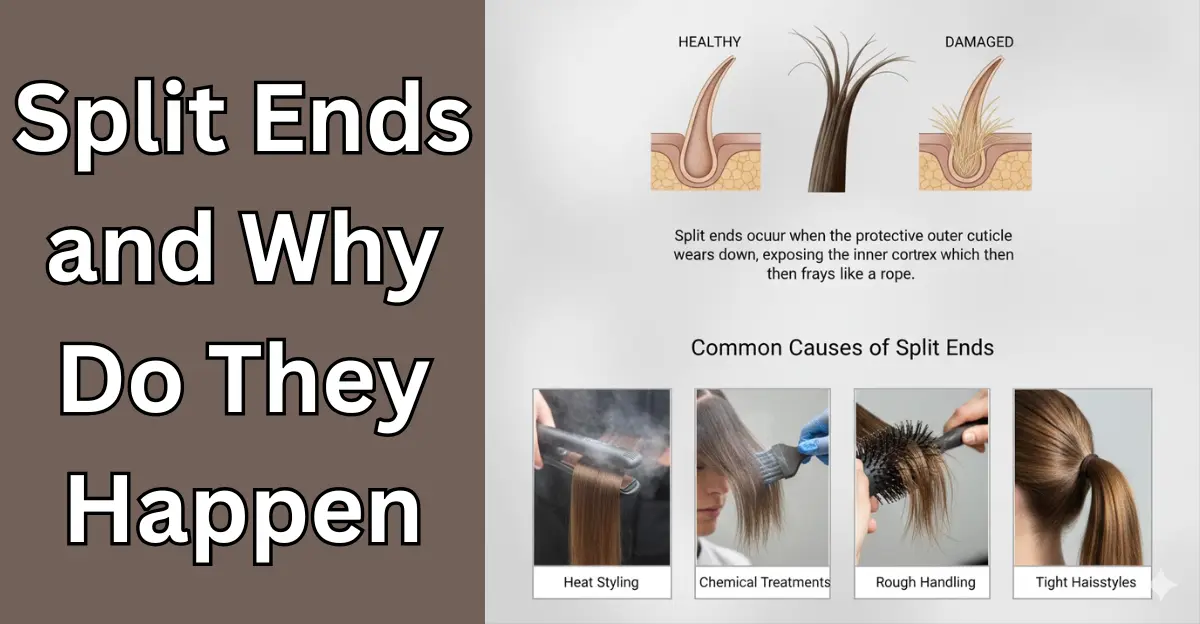
Table of Contents
What Are Split Ends and Why Do They Happen?
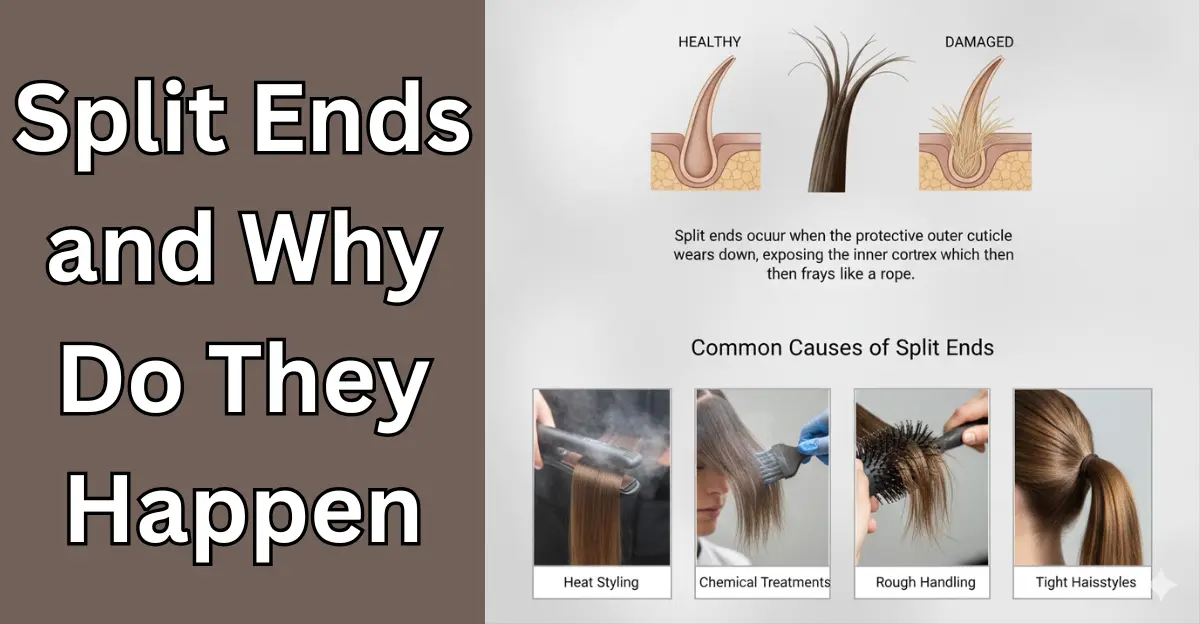
Split ends occur when the outer layer of hair, the cuticle, gets worn down and the protective barrier is gone, leaving the inner layers of the strand, the cortex, exposed and vulnerable to splitting or fraying like a rope. Sun and water can damage long strands and the more you think about old hair, the more it tends to become brittle as it gets weaker at the tips.
Split ends happen when tightly wound fibers begin separating, splaying into thinner sections. Over time, strands can begin to split into two or even more fragments, causing the tips of your hair to separate, split and show visible signs of wear.
Here, a few culprits that cause split ends:
- Heat Styling with Flat irons, curling wands, or blow dryers can weaken hair over time. Frequent use at higher temperatures increases damage and makes the ends more prone to breakage.
- Chemical Treatments such as Bleaching, perming, and coloring can dry out strands. These processes compromise the hair’s structure, leaving it fragile and susceptible to splitting.
- Rough Handling, like overbrushing or rubbing hair with a towel, puts stress on the strands. Constant friction and tension often lead to noticeable breakage at the tips.
- Dryness occurs when Hair lacks moisture, making it brittle and more likely to split. Environmental factors such as sun exposure and cold air can make the condition worse.
- Tight Hairstyles, including pulling hair back in tight ponytails or braids, create tension on each strand. Prolonged strain damages the hair and encourages splitting over time.
From my personal experience, I have seen that limiting heat and chemical treatments keeps my hair healthier and reduces tip splitting. Gentle brushing and using moisturizing routines helped my strands stay smooth and resilient. I also noticed that looser hairstyles preserved strength and minimized damage naturally.
Types of Split Ends
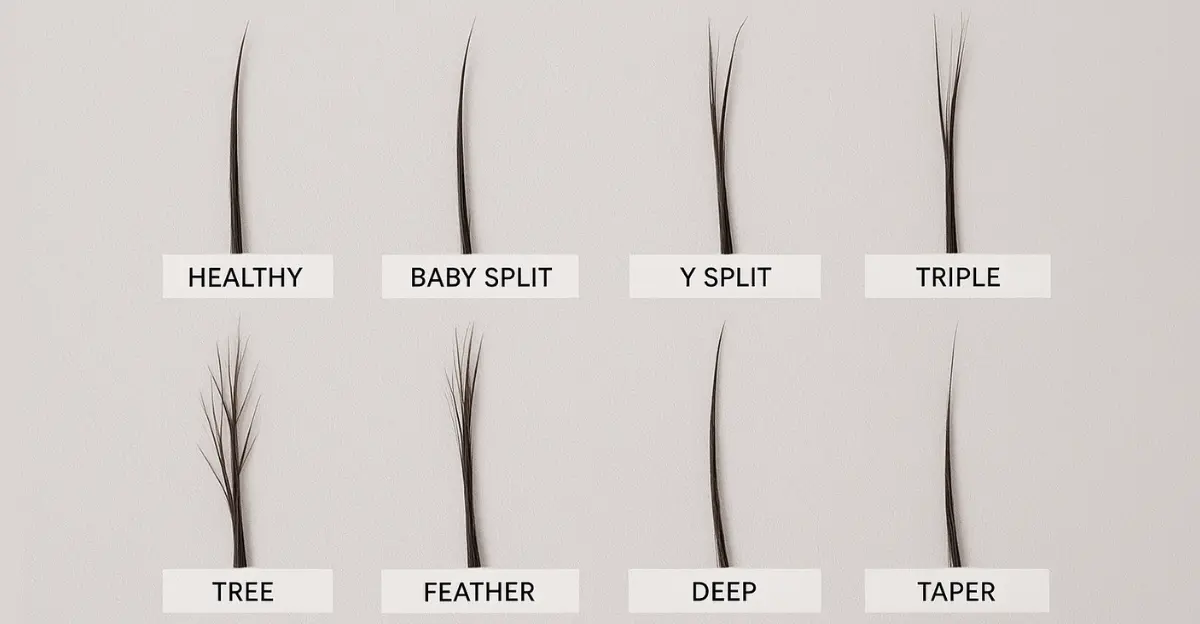
Split ends come in different types, and a chart or images can help visualize how hair strands show damage depending on their condition. Understanding these types is important to address them before they worsen.
- Split ends like baby, subtle, or barely-there feathered ends are frayed and wispy. They often split early, and regular trims can prevent worsening.
- Traditional Y-splits are the classic split where a strand divides into two at the tip. This is usually the first sign of damage caused by heat, styling, rough brushing, or skipping regular trims.
- Triple split ends occur when a strand splits into three tips, indicating advanced damage.
- Tree splits feature multiple branches along the hair shaft, showing damage has gone beyond the ends. Regular trims are essential to prevent breakage.
- Feather ends resemble delicate feathers and indicate severe dryness in strands. Deep conditioning and hydration are needed to restore health.
- Deep split ends extend along the strand, requiring trimming to prevent further harm.
- Taper split ends thin out instead of fraying, signaling weakened hair fibers that need attention before worsening.
From my personal experience, I noticed that spotting baby or Y-splits early allows small adjustments in care to stop them from developing into triple or tree splits. Moisturizing treatments and gentle handling kept my hair healthier, and timely trims prevented damage from spreading down the strand.
How to Prevent Split Ends (Because Prevention Is Key)
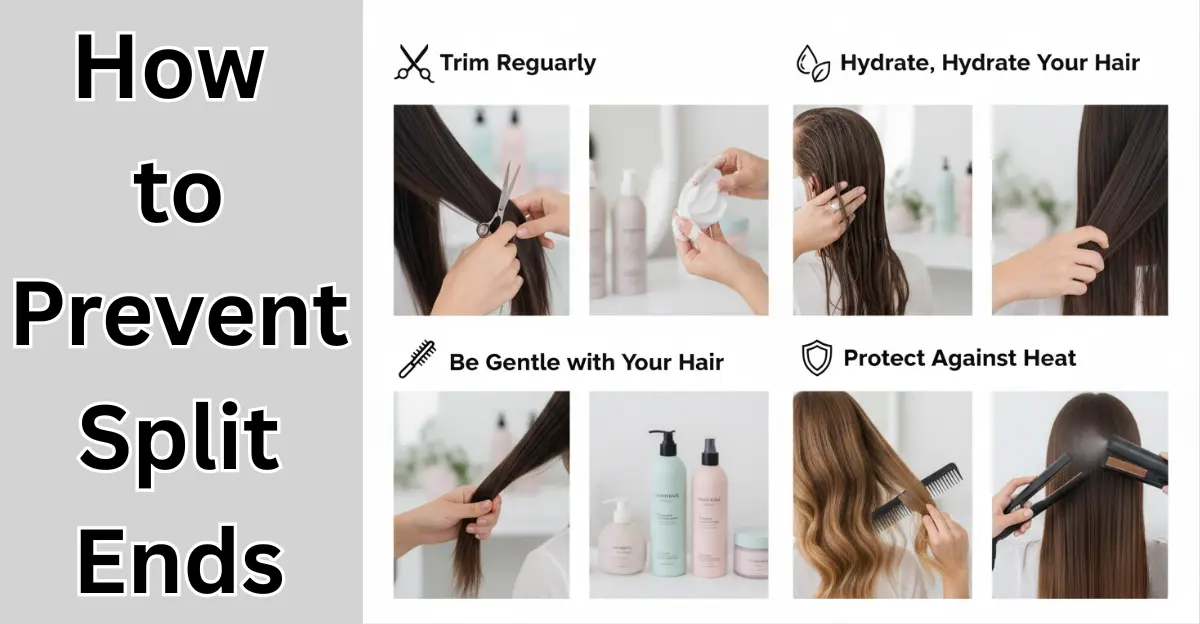
The best way to face split ends is to take proactive steps that deal with them before they develop and avoid them altogether. Regular trims, gentle handling, and protecting your strands from heat and harsh chemicals are key to maintaining healthy hair and stopping damage before it spreads.
Trim Regularly
One of the most effective ways to keep split ends at bay is by getting regular trims. Following a schedule of every 6-8 weeks helps remove damaged tips before they travel up the strand. Even small dusting trims ensure the tips stay trimmed and your hair remains healthy and strong.
From my personal experience, I found that keeping a steady trimming routine made my hair look smoother and prevented fraying. Regular maintenance also kept the strands easier to manage and reduced breakage over time.
Hydrate, Hydrate, Hydrate
Keeping hair hydrated is essential to prevent dry strands from turning into split ends. A good recipe includes moisturizing shampoos and conditioners that are free of sulfates, parabens, and other harsh ingredients that strip hair of its natural oils, leaving it vulnerable to damage. Consistent hydration strengthens the hair and keeps it soft, smooth and manageable.
From my personal experience, I noticed that switching to gentle, hydrating products dramatically reduced breakage. My strands stayed soft and healthy, and split ends appeared less frequently even with regular styling.
Be Gentle with Your Hair
Take a moment to care for your strands every day and see the difference in healthier hair.
- Start with a gentle approach when handling hair. Use a wide-tooth comb or a teezer to detangle wet hair, beginning at the ends and working your way up. An ultimate detangler brush can glide through tangled hair smoothly, reducing breakage and keeping strands intact.
- Swap tight ponytails and harsh elastics for looser styles or fabric-covered hair ties to minimize stress on your hair and prevent splits.
- After washing, pat hair dry with a towel instead of rubbing, which creates less friction and less damage, helping maintain smoothness and shine.
From my personal experience, using a soft detangler and switching to looser hairstyles noticeably reduced the number of split ends I encountered. Patting my hair instead of rubbing keeps it soft and prevents frizz, making styling much easier throughout the week.
Protect Against Heat
Before styling, it is essential to protect your hair from heat. Using a flat iron or a curling wand without preparation can damage strands. Apply a heat protectant spray to create a styling barrier that shields hair from high temperatures, reducing the risk of splits. Whenever possible, use lower heat settings to handle gentler hair care and maintain natural strength.
From my personal experience, I noticed that even a quick application of a heat protectant before using a flat iron keeps my hair smoother and prevents those tiny split ends that usually appear after styling. Choosing lower heat settings makes a real difference in long-term hair health.
Treating Split Ends (When Damage Is Already Done)
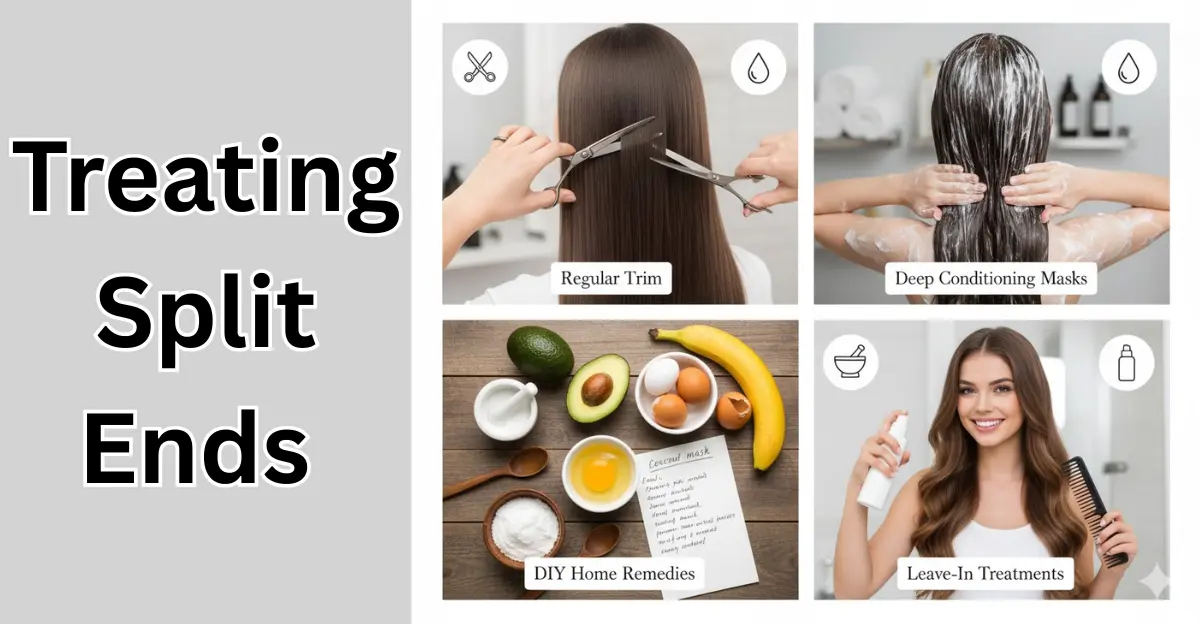
When treating split ends, it’s important to address the damage directly. While you cannot repair them completely, cutting affected hair helps it look and feel healthier, while also preventing further damage. Regular trims remove weakened ends and make the overall hair appear stronger and smoother.
From my personal experience, trimming even a small section of split ends transformed the texture of my hair instantly. It not only looked healthier but also reduced tangling, making daily care much easier.
Regular Trim
Scheduling regular trims is the most effective way to cure split ends. Cutting even tiny sections during each trim can make a big difference without sacrificing noticeable length. Consistent maintenance keeps hair looking polished and prevents damage from traveling up the strands.
From my personal experience, keeping up with small trims every six to eight weeks has maintained my hair’s smoothness and reduced breakage dramatically. I rarely notice frizz or splits when I stick to this routine.
Deep Conditioning Masks
Using deep conditioning masks gives your hair a big boost, almost like a drink of water for stressed strands. Apply a mask once a week to replenish moisture and repair dryness. The masks are often enriched with active ingredients such as argan oil, keratin, and shea butter, which actives nourish damaged strands and restore softness and shine.
From my personal experience, incorporating a weekly deep mask with argan oil completely revived my hair’s texture. Even heavily dry ends felt smooth, and the overall strength improved noticeably over a few weeks.
DIY Home Remedies
There are several easy treatments you can try at home to improve hair health and reduce split ends.
- Warm coconut oil and massage it into the ends for deep hydration. Leave it overnight for the best results.
- Aloe vera gel can be applied fresh to your hair and left for 30 minutes before rinsing, giving a natural moisture boost.
- Mix honey with olive oil to create a nourishing mask that smooths dry and frizzy ends effectively.
From my personal experience, leaving coconut oil overnight dramatically softened my hair, while aloe vera provided a fresh, lightweight hydration. Honey and olive oil masks instantly made my dry ends look smooth and healthy.
Leave-In Treatments
Leave-in treatments and conditioners act as a real lifesaver for dry or damaged hair. After washing, gently apply them to keep each strand hydrated and protected throughout the day. They form a light coating that shields hair from environmental stress while maintaining softness and movement.
From my personal experience, incorporating a leave-in conditioner after every wash kept my hair smooth and resilient. Even in challenging weather, my strands felt nourished and stayed tangle-free longer
Bonus Tips for Healthier Hair
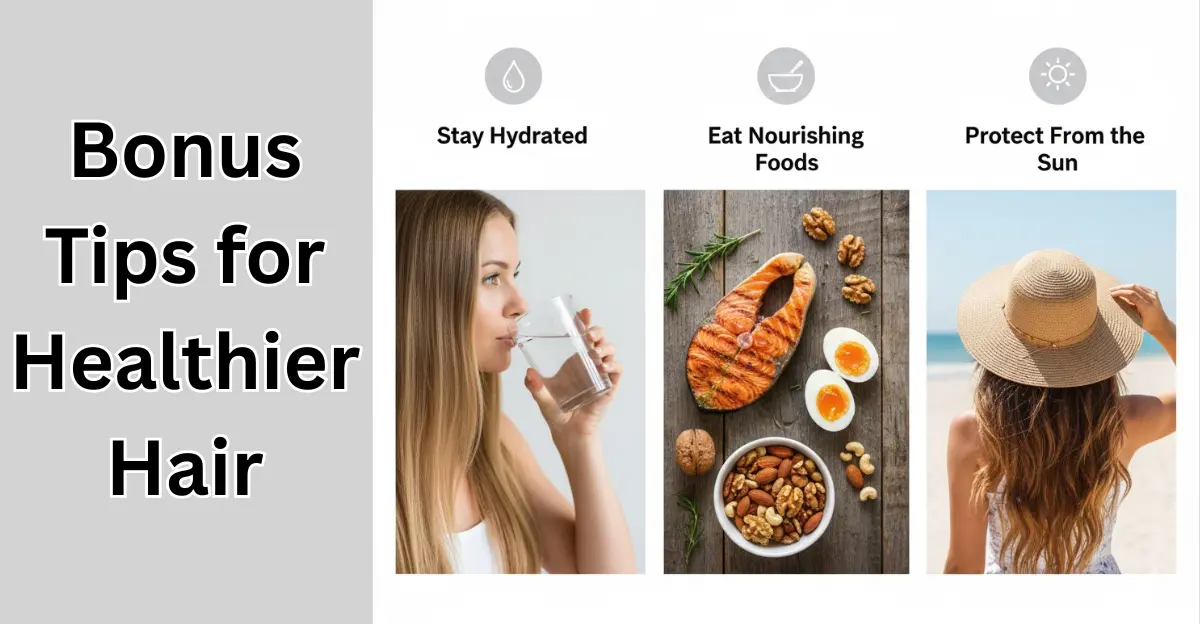
Focusing on healthy hair care for your entire body can make a big difference. These extra tips help keep your strands in top shape and maintain natural strength.
- Stay hydrated by drinking plenty of water to nourish both hair and scalp.
- Eat foods that support hair health such as omega-3s, biotin, and zinc found in salmon, eggs, and nuts to strengthen hair from the inside out.
- Protect your hair from the sun by wearing a hat or using UV protection sprays when spending time outdoors.
From my personal experience, maintaining proper hydration and a balanced diet noticeably improved my hair’s texture. Wearing a hat on sunny days prevented dryness and kept my strands smooth and healthy.
Conclusion
Maintaining healthy hair starts with understanding how split ends form and taking proactive steps to prevent and treat them. Regular trims, gentle care, proper hydration and protective routines keep your strands strong and sleek. Incorporating leave-in treatments and mindful styling ensures your hair stays fabulous and resilient. By following these steps consistently, you can enjoy hair that looks and feels healthier every day. Take action now and give your hair the care it truly deserves.
FAQs
How do I prevent my hair from getting split ends?
Prevent split ends by trimming your hair regularly, using heat protectants during styling, and handling strands gently with wide-tooth combs. Moisturizing and leave-in treatments keep hair hydrated and reduce breakage. Maintaining a healthy diet also strengthens hair from the inside out.
How to get silky hair in 7 days?
Achieve silky hair by using deep conditioning masks, leave-in treatments, and gentle brushing daily. Limit heat styling and protect hair with a heat protectant spray. Drinking plenty of water and eating nutrient-rich foods improves hair texture naturally.
How do you fix split ends naturally?
Fix split ends naturally by trimming damaged tips and applying nourishing oils like coconut, argan, or castor oil. Regular deep conditioning restores moisture and prevents further splitting. Gentle detangling and avoiding harsh chemicals help maintain healthier strands.
Does oiling hair reduce split ends?
Oiling hair reduces split ends by moisturizing strands and protecting the cuticle from damage. Oils like coconut or argan strengthen hair and prevent fraying. Regular application combined with trims and gentle care keeps ends smoother and healthier.
Please Write Your Comments