10 Best Hair Care Tips for Low Porosity Hair
Updated: December 28, 2025
62
Caring for low porosity hair requires understanding your hair porosity and hair type to ensure the right hair care routine works effectively. With consistent behaviors and proper techniques, you can take care of your mane day by day and achieve healthy, vibrant strands. Learn how to master your hair’s unique needs and show off your best look by following these expert tips today.
Table of Contents
What is Low Porosity Hair?
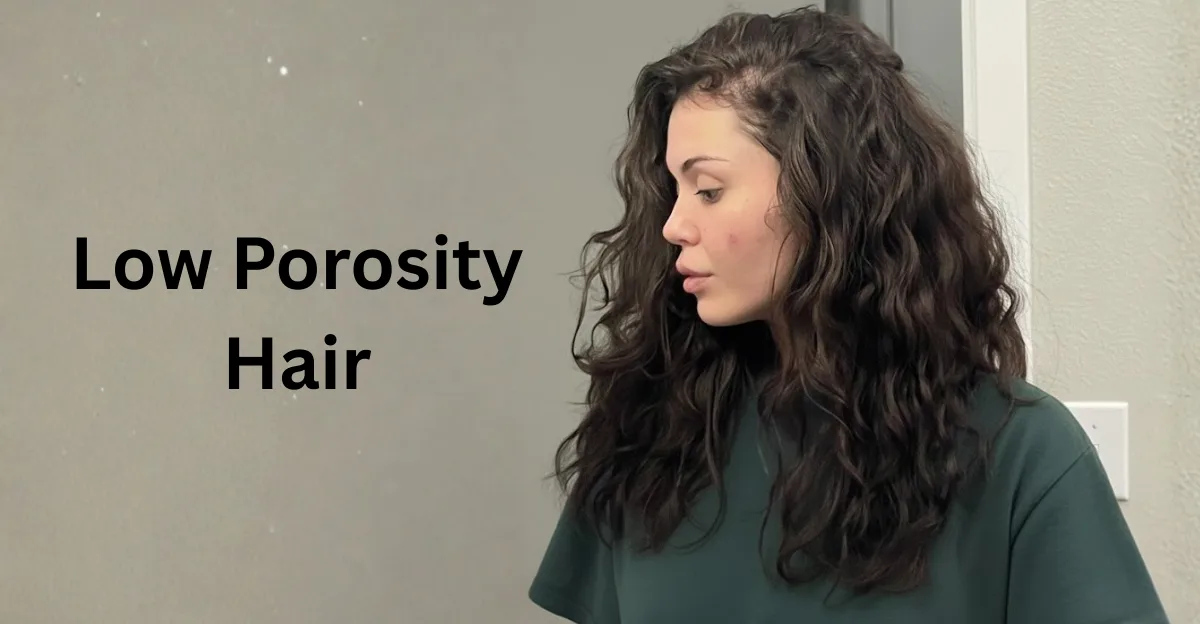
Low porosity hair has cuticles in the outermost layer of the shaft that lie like shingles on a roof, flat, tightly and packed, making it the opposite of high porosity hair where cuticles are more open and spread apart. This structure makes it difficult for moisture and oils to penetrate the strands, so locking in hydration is always a challenge.
Its tightly closed cuticles give a natural shine when cared for properly, but without the right hair care, the moisture and natural oils cannot travel down the strand, leaving hair dehydrated, dry, frizzy with stunted length, breakage and dullness, especially at the ends.
Low Porosity Hair Characteristics:
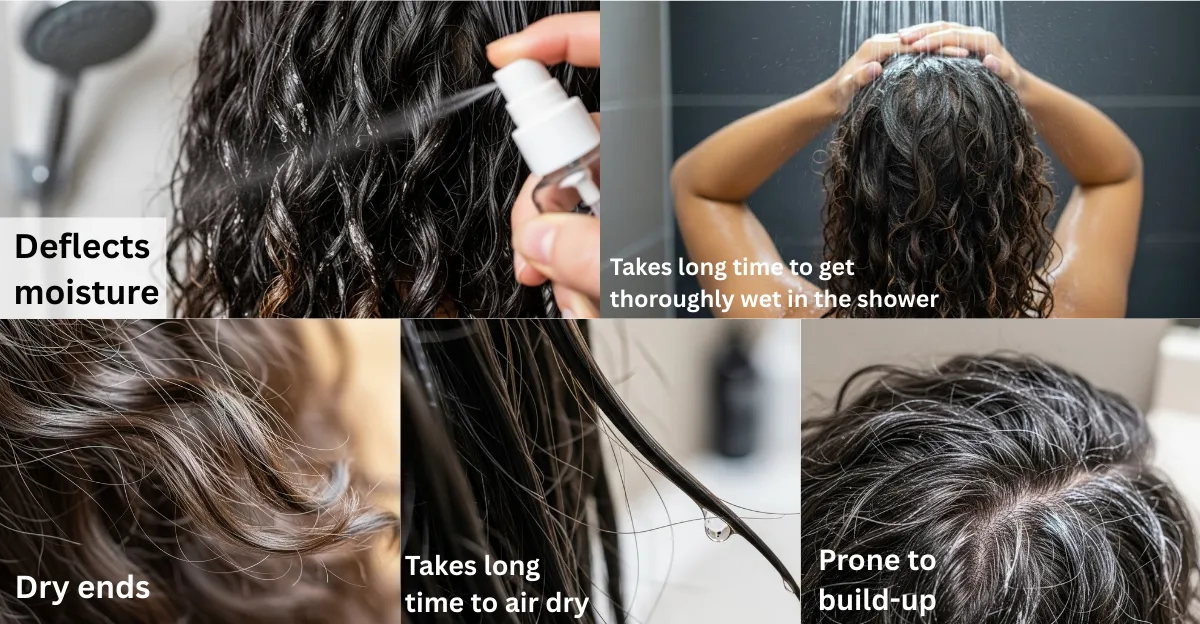
Low porosity hair shows unique characteristics that tell a lot about how it behaves and what it truly needs. By paying attention to how your strands look and respond to moisture, you can better understand the qualities that make this hair type distinct.
Key Points:
- Deflects moisture – Because the cuticles are tightly closed, low porosity hair often deflects moisture, making it hard for water and products to penetrate.
- Prone to build-up – Products tend to sit on the surface rather than absorb, causing buildup if not clarified regularly.
- Dry ends – Despite a shiny scalp, the ends often remain dry and prone to breakage.
- Takes long time to get thoroughly wet in the shower – Low porosity hair can feel resistant under the shower, requiring extra patience to saturate every strand fully.
- Takes long time to air dry – Even after washing, this hair type needs more time to air dry because water struggles to penetrate and escape evenly.
From my personal experience, noticing these characteristics early helped me adjust my routine with light, water-based products and gentle heat, which finally allowed my low porosity hair to stay hydrated without weighing it down.
How To Care for Low Porosity Hair:
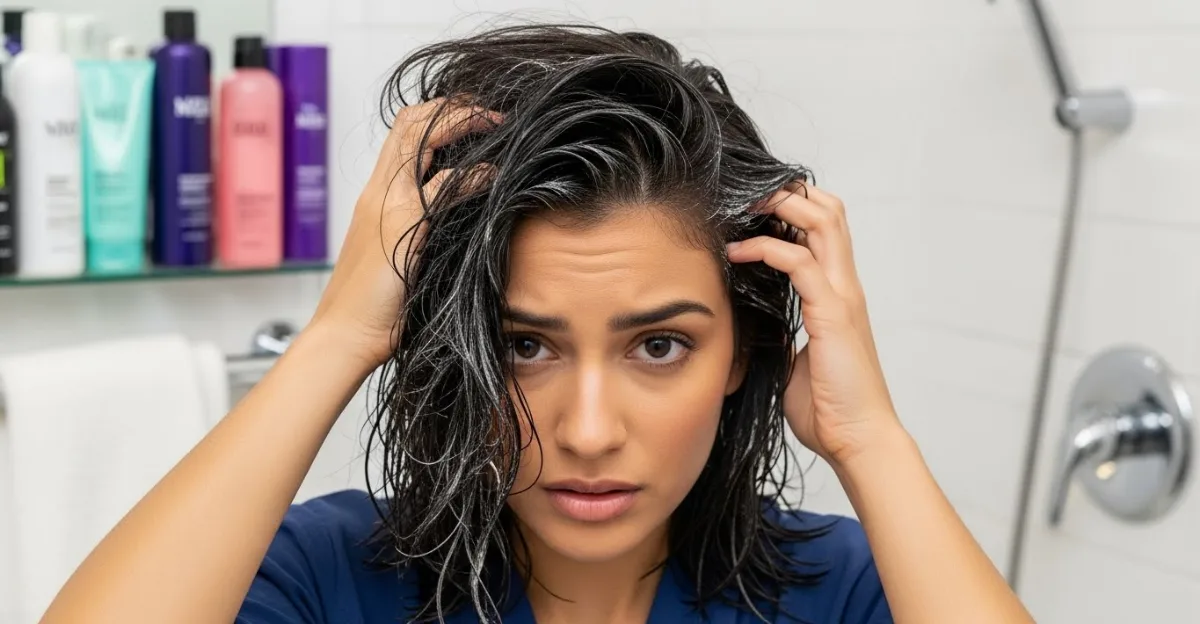
Caring for low porosity hair can feel tough at first because it naturally resists absorbing moisture, but with the right products and consistent hair routine, it is possible to achieve your best hair results. The chief goal is to increase the hair’s ability to retain hydration, making it stronger, shinier, healthier and longer over time.
Following top tips for low porosity hair care such as using light moisturizers, gentle heat, and clarifying treatments can transform stubborn strands into soft and manageable hair.
1. Use Lightweight Oils
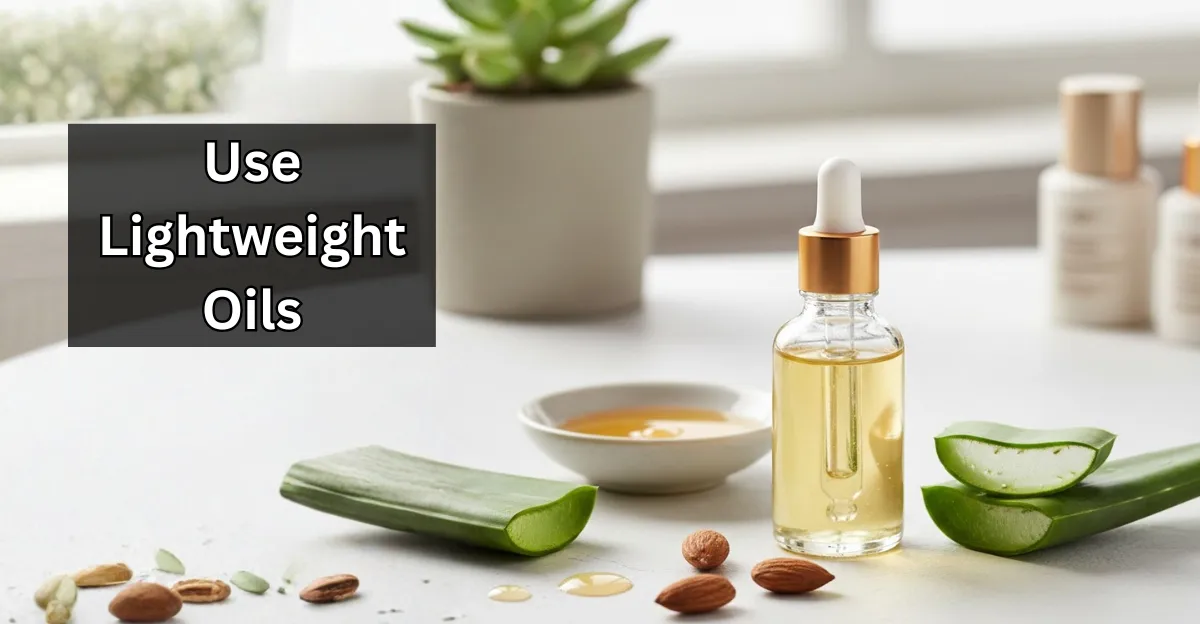
To use lightweight oils effectively on low porosity hair, it’s important to remember that the cuticle is tightly closed, so heavier oils often sit on the surface instead of penetrating. Essential products like almond or argan oil are great because their lighter-weight molecules can get past the tight cuticles and nourish the hair deeper into the core. Incorporating these oils as part of the L.O.C. method can expertly lock in moisture and prevent dryness without weighing hair down.
Using blends like Pomegranate or a Honey Hair Smoothie oil-based serum works wonders for thick, curly hair, as they provide moisture, strength and help thirsty strands retain hydration. Consistently hydrating with these lightweight oils is crucial for keeping hair hydrated, which over time leads to stronger and longer hair.
From my experience, switching to lighter oils transformed my hair’s texture; it became soft, manageable and genuinely retained moisture instead of feeling greasy or weighed down. I also noticed that using them regularly reduced frizz and breakage and my hair began to grow healthier and shinier than ever before.
2. Use Heat When Deep Conditioning
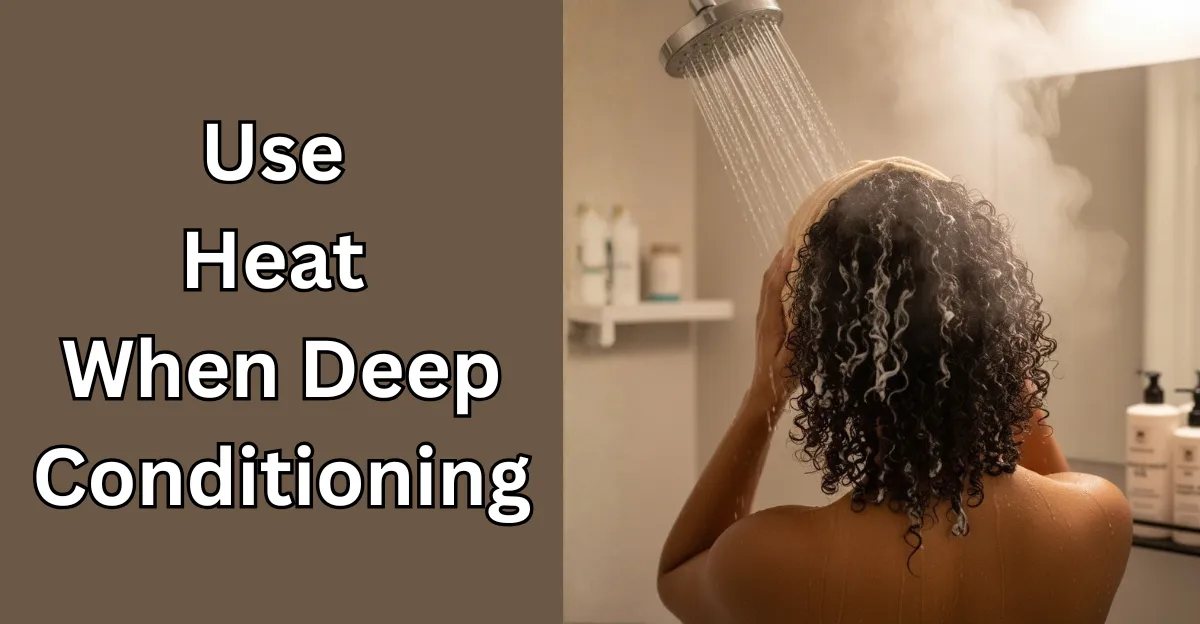
Using heat during deep conditioning is a powerful tool for opening the hair cuticle, which is key for less porous hair to deep-condition effectively. Many often need just a few ways to reap the benefits of their treatment, and gentle warmth is one of the most reliable. Applying controlled heat allows products to penetrate low porosity hair more efficiently, ensuring strands receive maximum hydration and nourishment.
One of the simplest methods is using warm water from the shower to apply your deep conditioner. Ingredients like Mongongo Oil or Protein-Free formulas work best after cleansing and rinsing, when hair is ready to receive moisturizing benefits. The warmth softens the hair surface just enough for nutrients to enter without causing damage, leaving the hair feeling soft and rejuvenated.
For a longer-wear treatment, you can use a specially designed heat cap. After applying your deep conditioner, sit under the cap or in the shower to ensure the hair stays open and can soak up the treatment benefits fully.
From my experience, using heat consistently during deep conditioning transformed my low porosity hair from dry and unmanageable to smooth and hydrated and I noticed longer-lasting moisture that carried through the week.
3. Steam The Hair
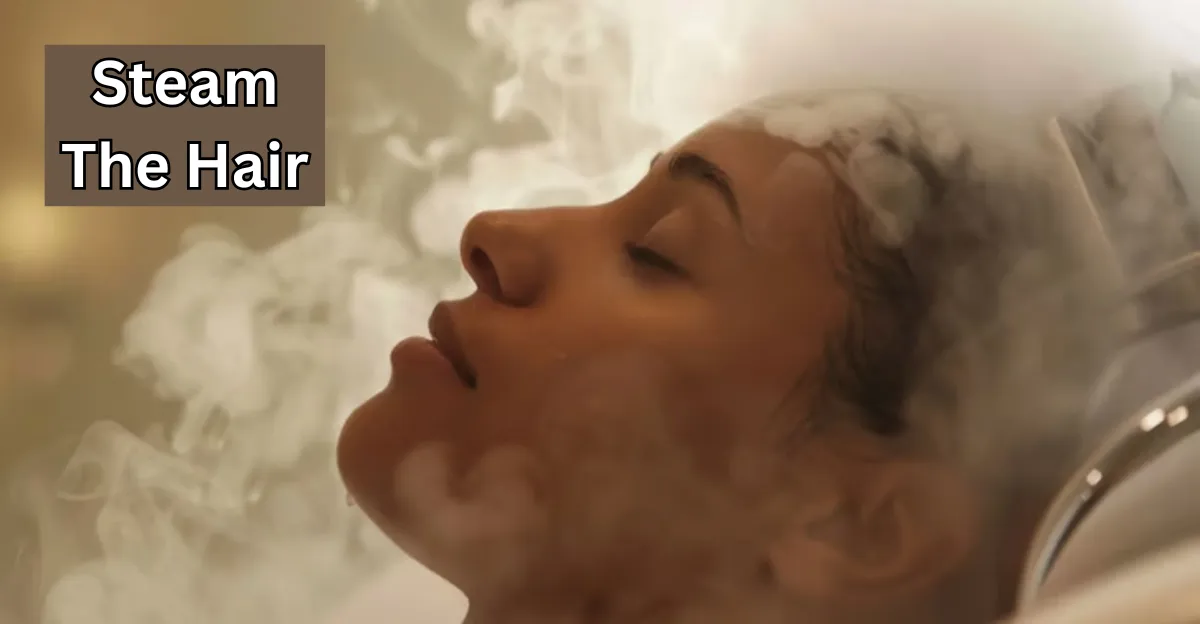
Steaming hair is an effective way to apply heat and open the cuticle, which allows moisture to penetrate the strands down to the core. When steam forms from water and heat, the molecules turn into vapor, moving quickly compared to liquid, which helps penetrate the hair easily and deliver deep hydration.
Using steam helps hydrate dry hair and makes hydrating products more effective during conditioning or styling. By keeping the cuticle open, the product can reach the core and truly work its magic. Even simple methods like creating steamy air in the bathroom or shower with a fan can prep the hair, but using an actual steamer amplifies the results.
From my experience, steaming my hair before applying leave-in or deep conditioners dramatically improved softness and moisture retention. Over time, I noticed my low porosity hair became easier to detangle, my curls looked fuller and more defined and styling required less effort. It also helped prevent breakage, leaving my hair stronger and healthier than I had ever achieved with regular moisturizing alone.
4. Beware of Protein
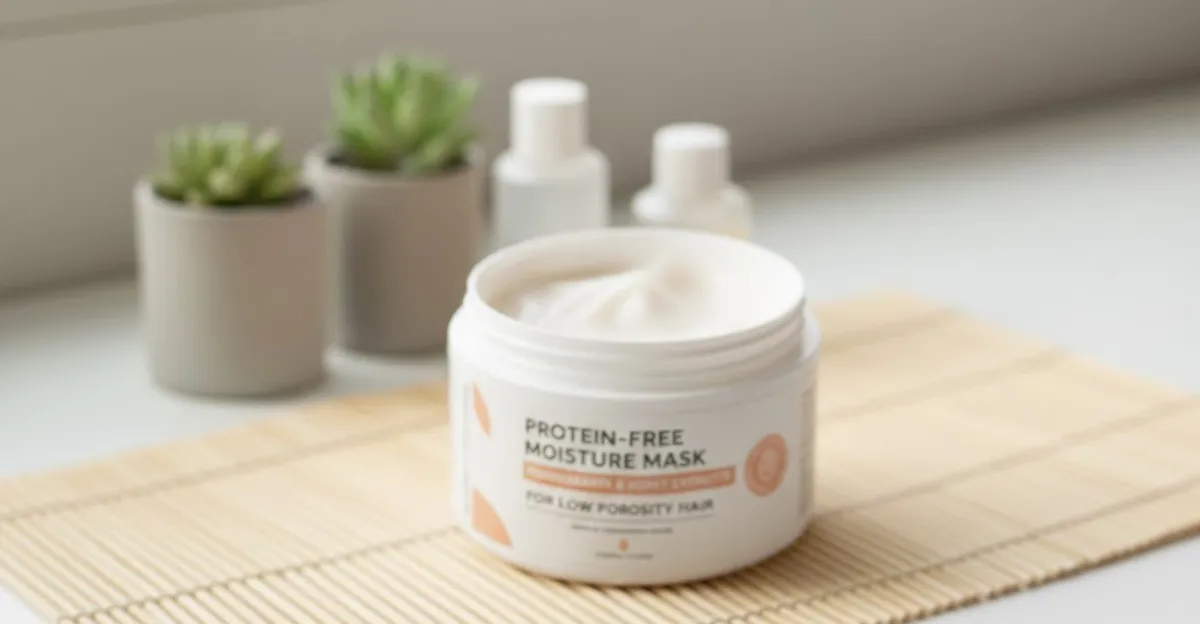
Using protein in repairing hair can be tricky for low porosity strands because their cuticles are tightly packed and protein-sensitive. While protein products can strengthen the cuticle and make hair stronger, overusing them in your care routine can leave hair stiff, tough or fragile, making it prone to breakage instead of improving health. Choosing the right balance is essential to maintain flexibility and manageability without overloading the low porosity hair.
When selecting conditioners, deep conditioning treatments or masks, low porosity hair often responds better to protein-free formulas. Ingredients like Pomegranate, Honey, Leave-In Conditioner, oil and citrus extracts boost moisture retention and leave strands ultra-soft and shiny without the risk of protein overload.
From my personal experience, switching to protein-free products for most of my routine made a huge difference; my hair felt soft, hydrated and far less stiff. Over time, this approach minimized breakage and made my low porosity hair look naturally healthy while still retaining strength.
5. Avoid Heavy Products
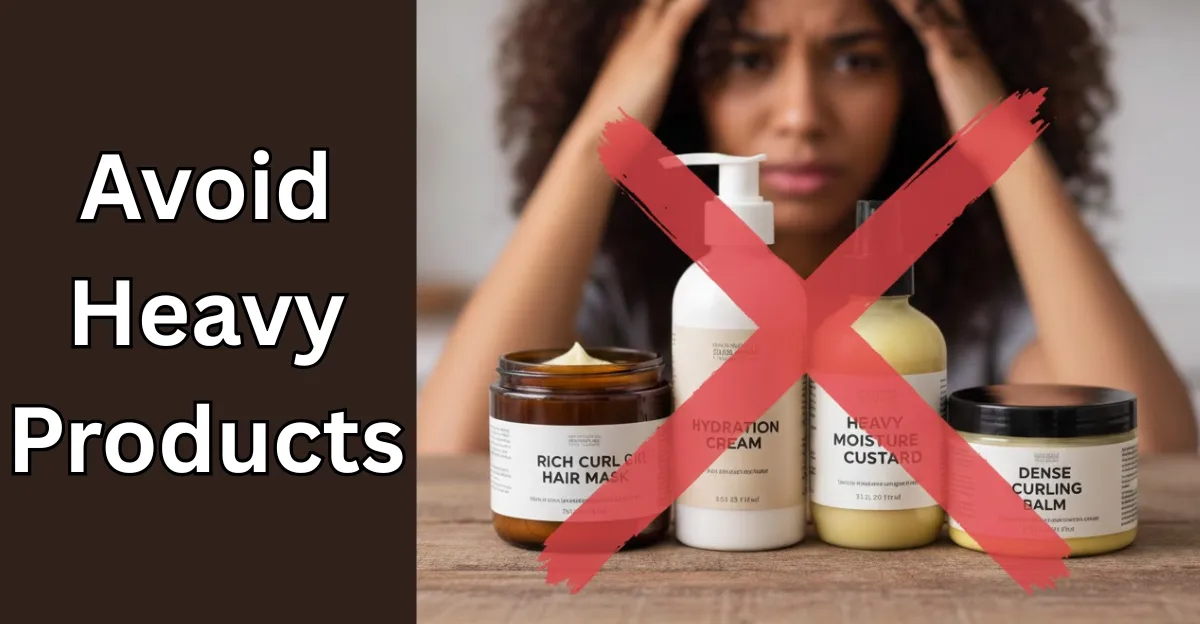
For low porosity hair, it’s important to avoid heavy products like butter and creams that work well for high porosity hair but can be tough for strands that struggle to absorb moisture. These products often sit on the top of the hair, making it feel sticky or thick and over time, they can build, thicken or harden, making it difficult for moisture to penetrate and truly fix dryness.
From my personal experience, switching to lighter lotions and sprays instead of heavy creams completely changed my hair’s texture. My low porosity hair started feeling soft, hydrated and bouncy and I no longer had that weighed-down, sticky feeling that often caused breakage. Over time, avoiding heavy products made daily styling much easier and left my strands healthier and more manageable.
6. Treat & Prevent Build Up
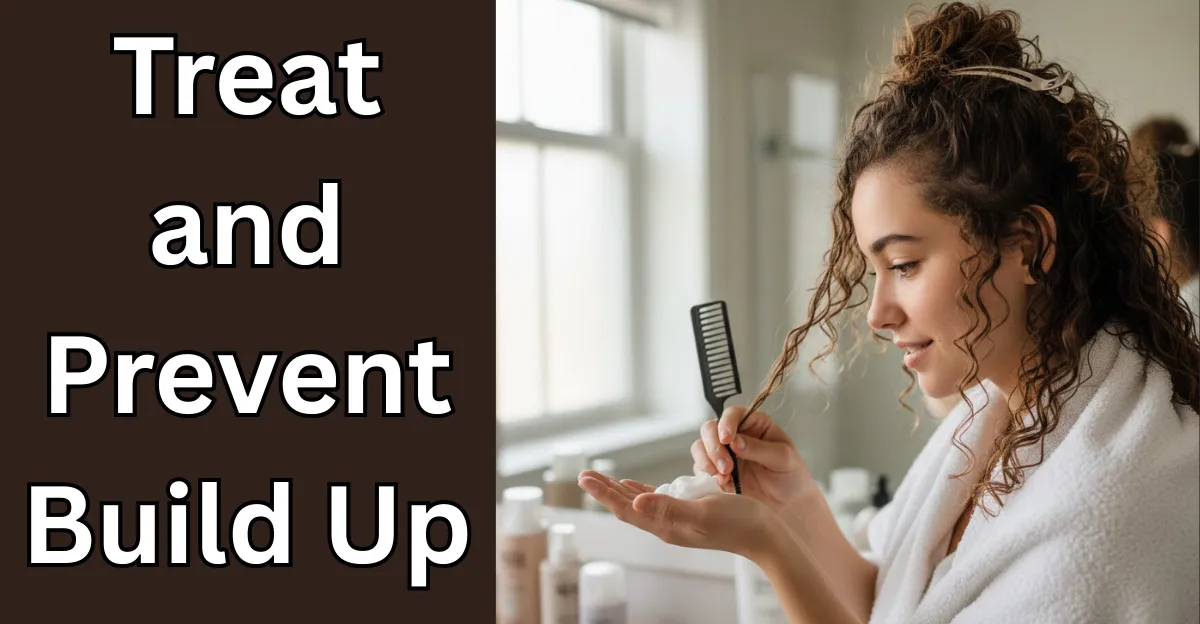
To treat and prevent build up in low porosity hair, it’s essential to address the difficulty your strands face in absorbing moisture. Over time, hair can become hard, and products often sit on the surface, leaving it prone to a cakey or oily look that appears dull and dirty. Without proper care, additional layers of product struggle to reach the core, which is why every girl with low porosity hair benefits from occasional clarifying treatments using whatever is in the cabinet.
An effective, all-natural home remedy for build up is an Apple Cider Vinegar Rinse, which helps loosen debris and cleanse hair gently. To prepare, dilute a tablespoon of vinegar in a cup of water, massage the mixture into your hair for a few minutes, and then rinse before shampooing and conditioning. This method removes residues while keeping strands soft and manageable.
To prevent regular build up, maintain a routine of cleansing with hydrating shampoo and deep cleansing treatments that clean without stripping hair. Using hydrating oils and Pomegranate Honey Moisturizing Shampoo ensures your strands stay nourished and flexible while avoiding the heavy, sticky layers that low porosity hair often accumulates.
From my personal experience, combining ACV rinses with a hydrating shampoo kept my hair fresh, light and shiny and regular prevention drastically reduced the effort needed to detangle and style.
7. Look for Water-Based Products
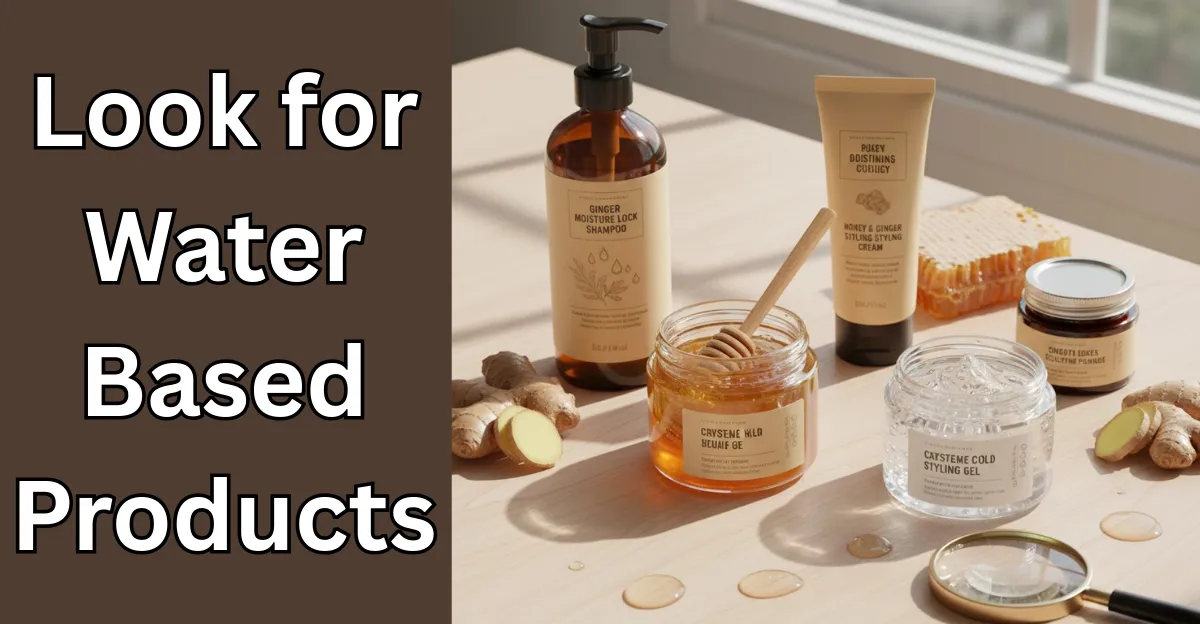
When you ook closely at water-based products, you’ll notice they suit hair that is typically lightweight because they can penetrate tightly-bound cuticles, which is exactly what low porosity hair needs to work effectively across every type; always inspect ingredient labels and confirm water appears first or second in the formula, as this simple habit dramatically improves absorption and prevents surface residue.
Choosing Honey, Ginger, Styling, Gel options for styling everyday hair supports better curl definition, keeps smooth edges, enhances frizz reduction and minimizes product build-up, and through years of hands-on practice.
I’ve learned that switching to water-led stylers was the turning point for many clients, including myself, because consistency with these formulas keeps hair responsive, touchable, and visibly healthier over time.
8. Avoid Silicones
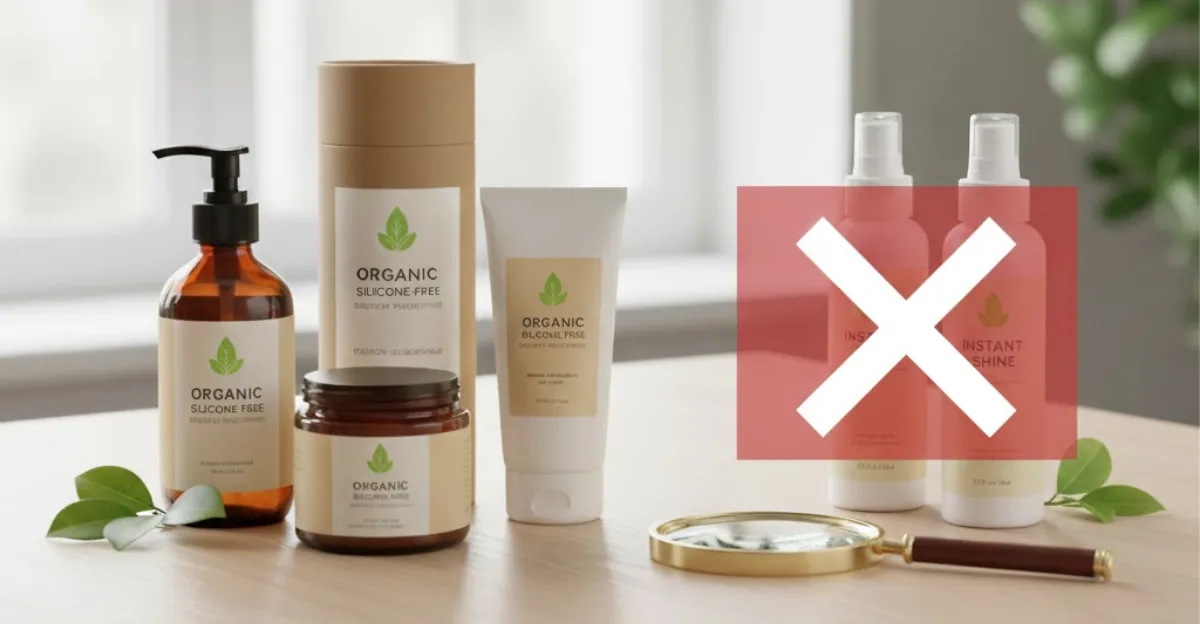
To avoid silicones in low porosity hair, it’s important to understand that these hydrophobic compounds create a coating over hair strands, forming a barrier that blocks hydrating and moisturizing ingredients from penetrating. For low porosity hair, this makes it difficult for moisture to enter and can leave hair feeling weighed down or dry despite synthetic ingredients promising shine.
When shopping, look for Organics or other natural products formulated with organic ingredients that work with your hair rather than against it, letting your strands feel soft and nourished without putting unnecessary barriers on the hair.
From my personal experience, avoiding silicone-heavy products and switching to organic, natural formulas transformed my hair’s texture; it became lighter, more hydrated and noticeably healthier. I also found that my hair absorbed moisture better, stayed soft longer and styling became much easier without that heavy and coated feeling.
9. Swap Your Pillowcase
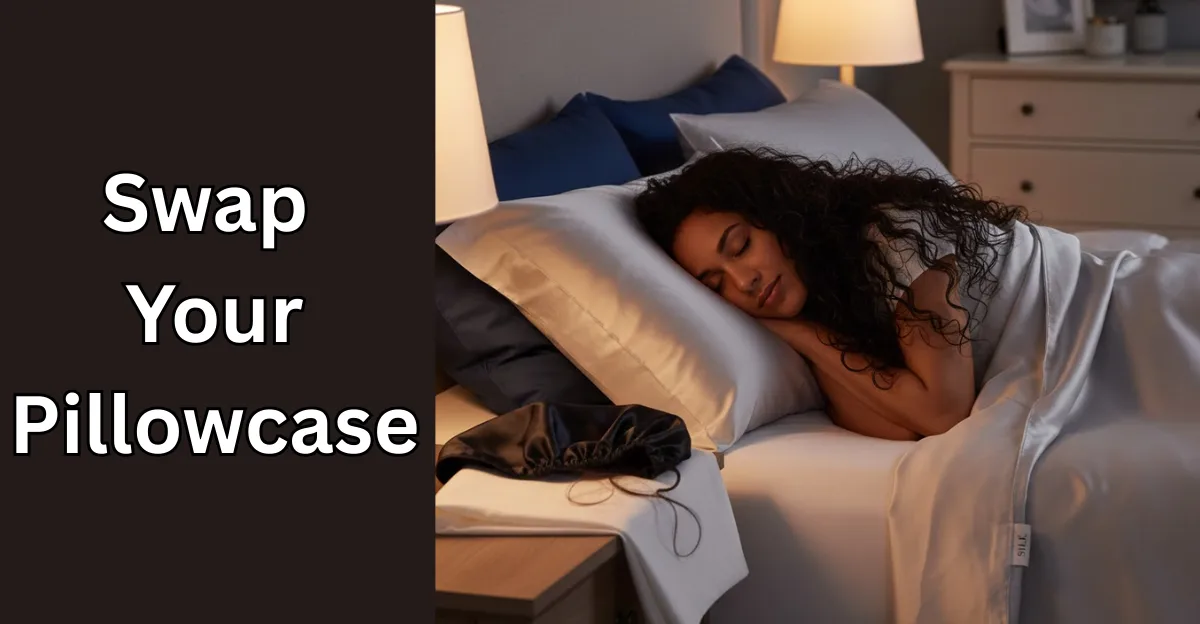
When you swap your pillowcase, you immediately support better moisture retention for low porosity hair. While hair may be thriving in a controlled area, it is constantly fighting the surrounding environment during sleep. Nightly tossing and turning on a cotton pillowcase causes strands to tangle, break, and suffer from repeated pulls, making it harder to keep your hard-worked-for results intact.
Choosing satin or silk, or even wearing a cap to bed, helps retain heat so moisturizing products already applied can soak in overnight.
From my professional experience, this simple change drastically reduced breakage for my clients. I noticed softer mornings almost instantly on my own hair. Over time, consistency with this habit protected length and preserved moisture without extra effort.
10. Shop Specific
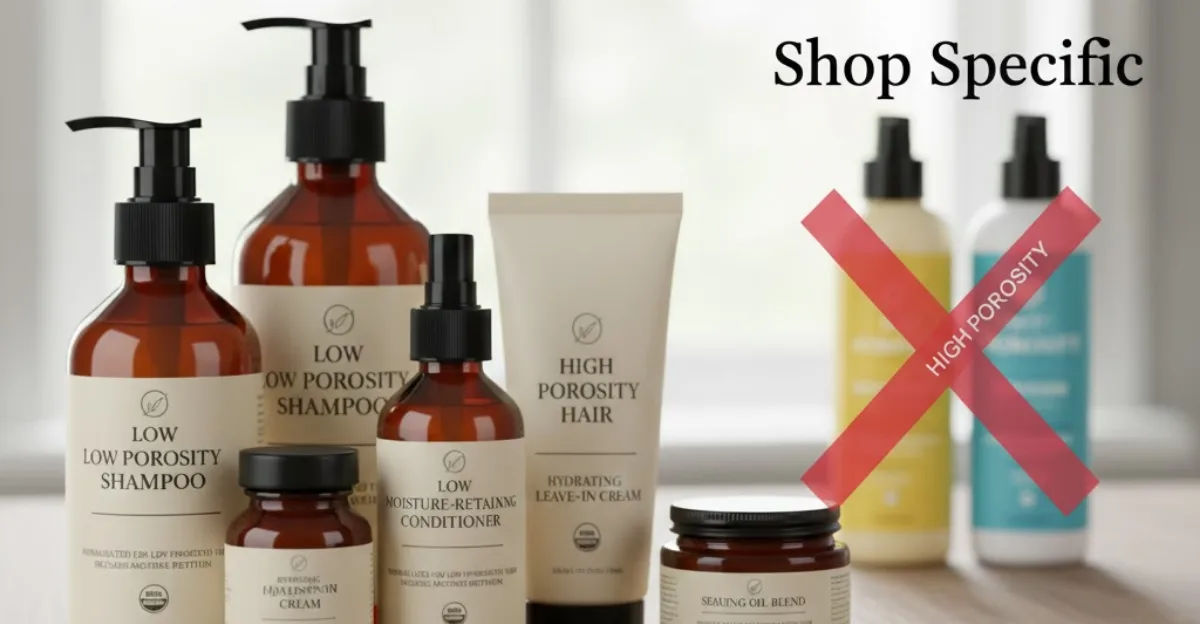
When you shop specific, choosing formulated solutions designed for low porosity instead of high hair, the way products perform becomes easier to notice, delivering significant results through intentional ingredients found in brands like Mielle Organics, where care is delicately picked to increase the ability to retain moisture, shaping an overall experience that leads to the shiniest, healthiest, and strongest hair.
In my professional journey, I’ve seen targeted purchasing outperform trial-and-error routines consistently. Working closely with different textures taught me that precision always wins over trends. Over time, disciplined product choices created visible improvements that lasted. This approach reshaped how I evaluate hair care completely.
Conclusion
Caring for low porosity hair is all about understanding its unique structure and responding with the right techniques and products. Consistently using lightweight oils, water-based products and gentle heat while avoiding heavy creams, silicones and excessive protein ensures strands stay hydrated and healthy. Simple habits like swapping to a satin pillowcase and targeting formulated products amplify results and maintain moisture. With patience and the right routine, your hair can thrive, looking stronger, shinier and more manageable every day.
FAQs
What is the best hair care routine for low porosity hair?
The best hair care routine for low porosity hair includes using lightweight, water-based products, gentle heat during deep conditioning, and clarifying treatments to prevent product build-up. Regular moisturizing and hydrating oils help hair retain moisture, keeping strands soft, strong and shiny. Consistency with these steps ensures healthier and manageable hair over time.
How do you take care of low porosity hair?
To take care of low porosity hair, focus on hydration and moisture retention by using lightweight oils, protein-free conditioners, and steam or gentle heat treatments. Avoid heavy products that sit on the hair surface and incorporate clarifying shampoos to prevent buildup. Maintaining this routine helps hair stay soft, smooth and responsive to styling.
Is pattern for low porosity hair?
Low porosity hair typically has tightly closed cuticles, giving it a unique pattern that resists moisture absorption and product penetration. Understanding this natural hair pattern helps in selecting the right products and techniques to enhance hydration and prevent breakage. Working with the hair’s natural structure ensures optimal growth and shine.
What to avoid for low porosity hair?
For low porosity hair, avoid heavy creams, butter, silicones and protein-overloaded products that block moisture from entering the strands. Limit products that cause buildup or weigh hair down and skip harsh treatments that dry out hair. Sticking to lightweight, water-based and hydrating formulas keeps hair healthy, soft and manageable.
Please Write Your Comments