7 Common Haircare Mistakes You Might Be Making And How to Fix Them
Updated: December 13, 2025
87
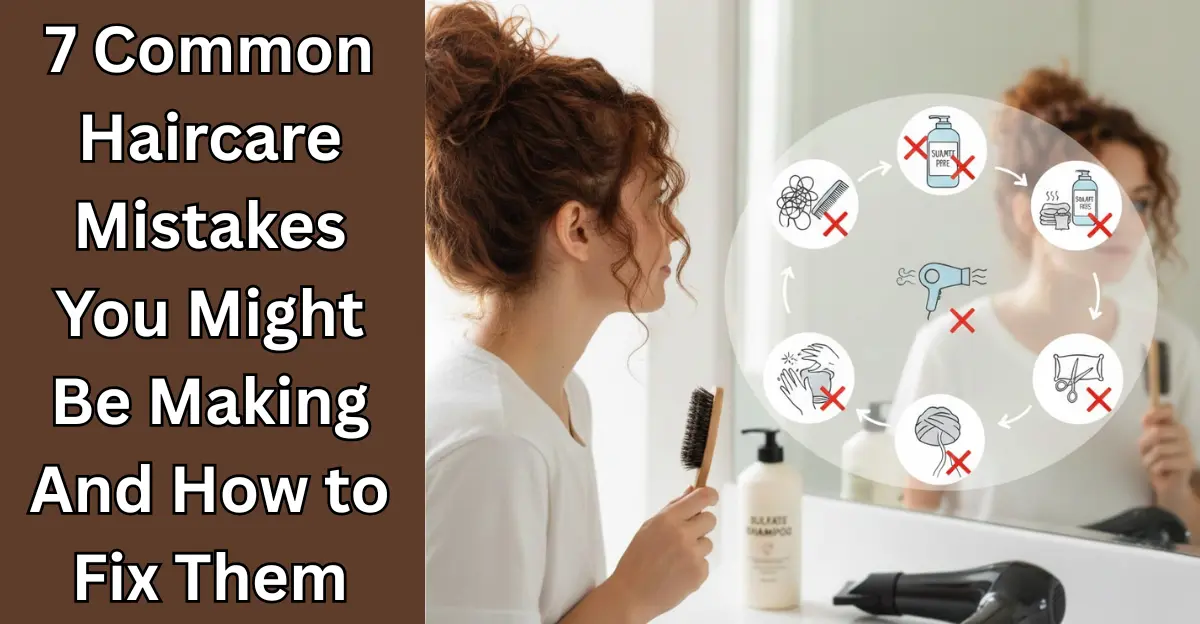
Building healthy and beautiful hair starts with understanding how everyday haircare routines can cause harm instead of doing good, because small mistakes made unknowingly can damage your locks, hinder growth and reduce overall health and appearance. This guide helps you identify and correct common errors by improving your routine, refining daily habits and increasing awareness for better prevention and long term correction. Read on to improve your hair journey and take control of your haircare results with confidence and clarity.
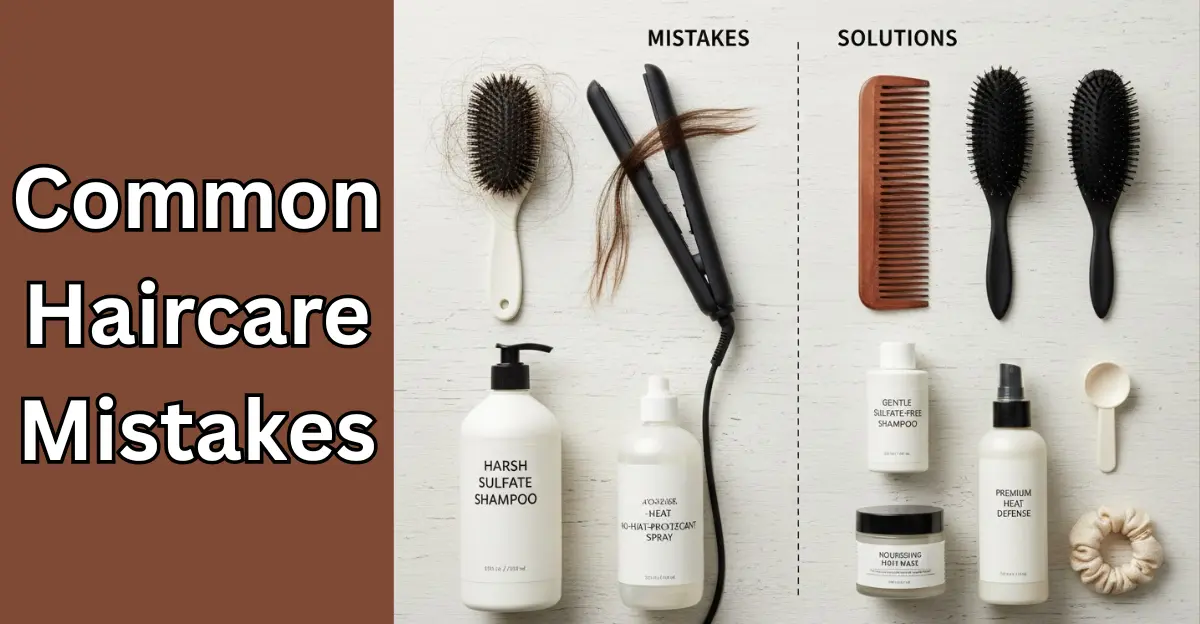
Table of Contents
1. Neglecting Your Scalp Health:
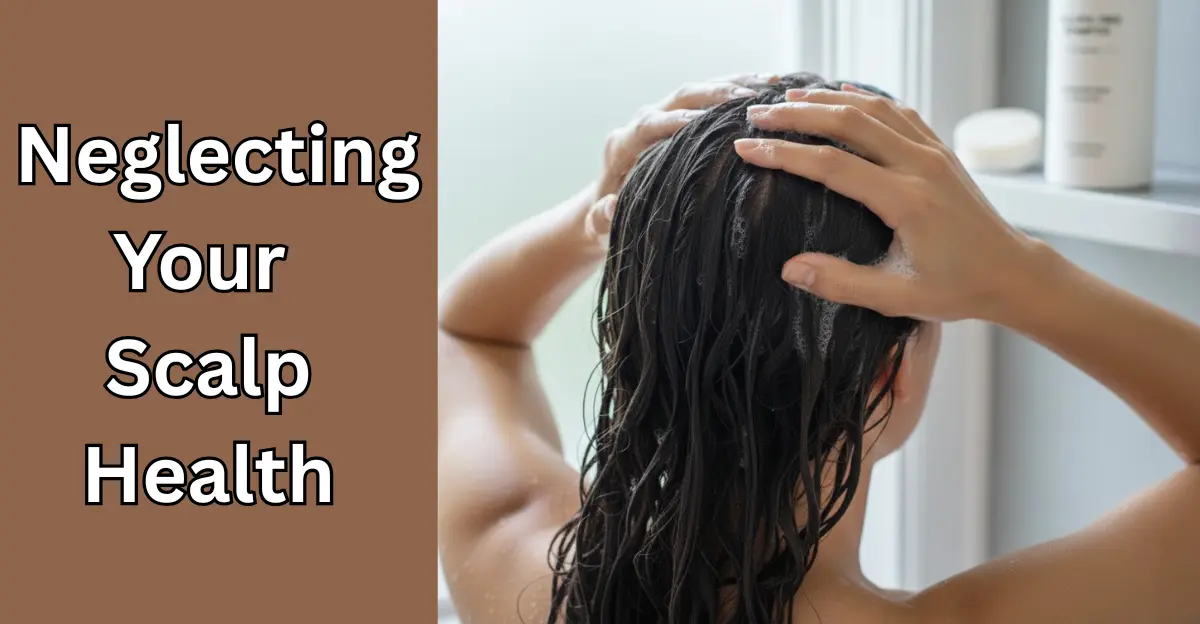
Many people focus on hair strands and lose focus on the foundation of healthy hair, which is the scalp. This forgetting is a common mistake because neglecting proper care can lead to multiple issues affecting appearance and vitality over time. When attention stays only on length, the base that supports strength often suffers.
An unhealthy scalp can result in dandruff and itchiness and flakiness, along with other conditions that cause discomfort. These problems impact hair growth and reduce overall health. The scalp should be treated like the face, as many think it requires regular cleansing, exfoliation, and nourishing treatments to maintain health.
Tips to improve scalp care:
- Use a gentle sulfate-free shampoo that cleans without stripping natural oils and supports a balanced scalp environment.
- Massage the scalp while washing to increase blood circulation, which helps stimulate hair follicles and improve overall scalp health.
- Exfoliate the scalp regularly to remove dead skin cells and prevent buildup that can hinder hair growth.
- Apply scalp treatments and masks consistently to nourish and strengthen the hair from its roots.
Following these steps creates an optimal environment for healthy hair growth by giving the scalp the attention it deserves. Always remember that a healthy scalp is the foundation of beautiful and strong hair.
From my personal experience, focusing on scalp care transformed my hair quality. Regular cleansing and massage reduced irritation and improved texture. Adding treatments consistently gave my hair more strength and shine over time.
2. Overwashing You Hair (Or Not Washing Your Hair Often Enough):
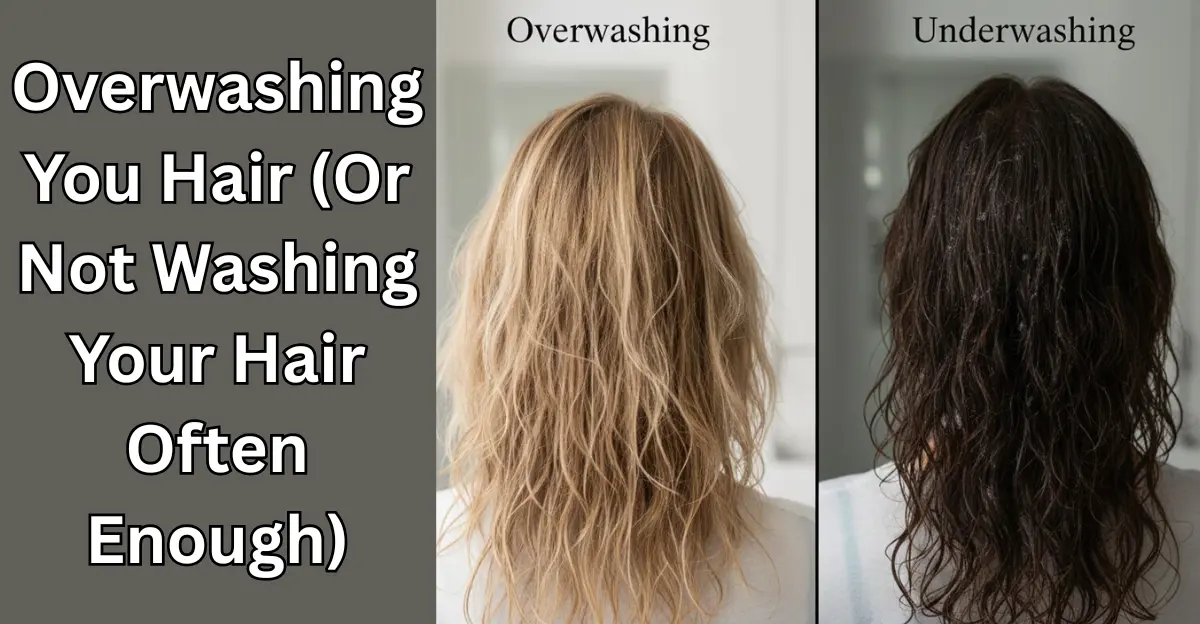
Many people feel guilty about washing their hair too frequently, while others go too long between washes. Washing too often can strip natural oils, leaving locks dry and damaged, whereas not washing enough allows buildup and excess oil to accumulate. The right routine often depends on hair type and lifestyle, as many people find that washing a few times per week is sufficient.
Oily hair may need frequent washing, while dry, curly hair benefits from longer intervals between washes. Paying attention to scalp needs and adjusting routines accordingly keeps hair balanced and strong.
Overwashing can lead to increased oil production, dry, brittle strands, scalp irritation, and fading hair color.
- Dry, brittle strands often appear fragile and break easily because excessive washing removes natural moisture and protective oils from the hair shaft.
- Scalp irritation can develop when frequent washing disturbs the scalp’s natural barrier, causing redness, itchiness, or sensitivity over time.
- Fading hair color happens faster when natural oils are stripped, making dyed or treated hair look dull and lifeless sooner than expected.
To combat overwashing, try dry shampoo between washes, which helps absorb excess oil and extend the time between full washes.
Underwashing can lead to product buildup on the scalp and hair, resulting in a dull, weighed-down appearance and potential scalp issues such as dandruff or flakiness.
- Product buildup on the scalp and hair reduces shine and can make the hair feel sticky or heavy.
- A dull, weighed-down appearance occurs when oils, dirt, and styling products are not removed, making hair look lifeless.
- Potential scalp issues like dandruff or flakiness can arise from neglecting washes, creating irritation and discomfort.
Finding the right washing frequency maintains a balanced scalp environment and supports healthy hair growth. Always consider using gentle sulfate-free shampoo, as these shampoos cleanse effectively without stripping natural oil.
From my personal experience, adjusting how often I wash my hair completely changed its texture and shine. Using dry shampoo between washes prevented my scalp from becoming oily while keeping strands soft. Over time, my hair felt stronger, looked healthier, and maintained its color longer.
3. Ignoring Your Hair Type and Texture:
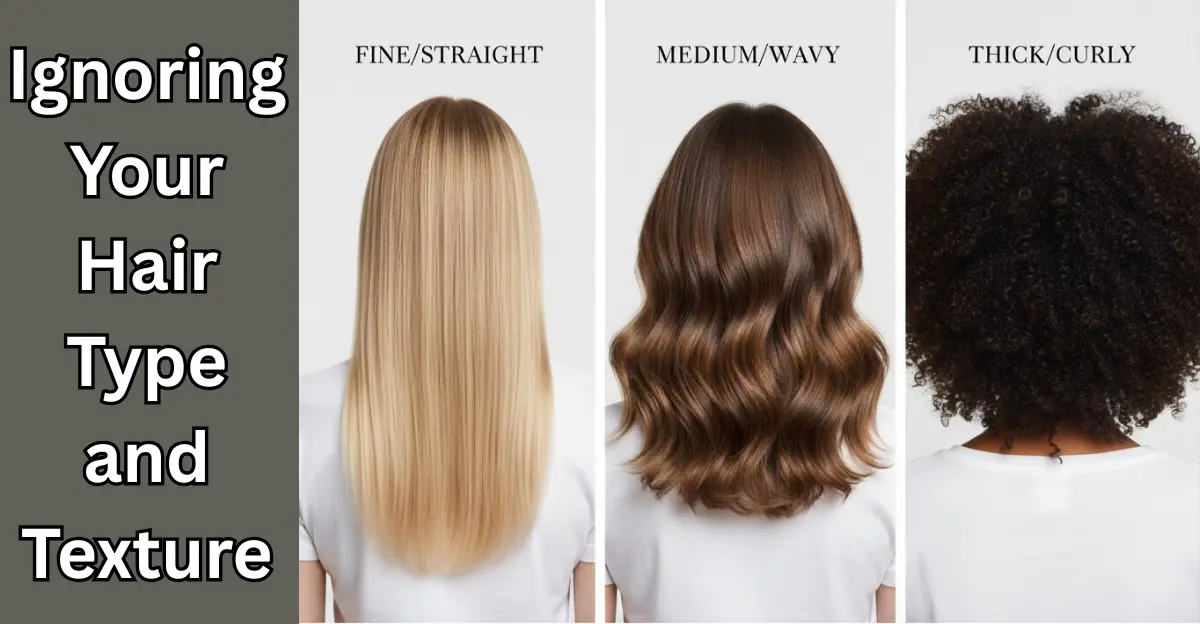
One of the most common haircare mistakes is failing to consider your unique hair type and texture. Hair is not created equal, and what works for one person may not work for another. Understanding your individual hair is essential because a routine designed for someone else can leave your hair dry, weighed down or frizzy.
Hair types range from straight to curly, with variations in textures from fine to medium or coarse, and even combination patterns. Each type requires different care and products to stay healthy and maintain its natural beauty.
Curly hair often needs extra moisture to prevent frizz and enhance curl definition, while fine, straight hair benefits from lighter products so they do not weigh hair down. Paying close attention to how your hair responds to different products and techniques is key, because what works for a friend, a favorite influencer or a trending routine is not always ideal for your hair.
Always remember, using products formulated for your specific hair type can make a significant difference in health, appearance and overall vitality of your locks.
From my personal experience, understanding my hair texture changed everything. Curly strands finally retained moisture without frizz and fine areas felt light and manageable. Once I matched products to my hair type, the difference in shine and strength was immediately noticeable.
4. Skipping Heat Protectants:
Using heat styling tools without protection is a common mistake that can damage hair and strip natural moisture. This often leads to dryness, breakage and split ends. Many people do not realize that frequent exposure to high temperatures weakens the hair shaft, making protection essential for keeping strands strong and healthy.
Heat protectants act as a barrier against high temperatures and create a shield around strands. They work similarly to sunscreen, which protects the skin from damage caused by the sun.
Before using hot tools, it is important to apply a heat protectant in the form of a spray or serum. This simple step minimizes damage and helps maintain hair health over time.
When choosing a product, make sure it suits your hair type and fits your styling routine. Remember to apply it evenly from roots to ends to ensure complete coverage and protect every strand.
From my personal experience, using a heat protectant changed how my hair responded to styling. My ends became stronger and dryness reduced significantly. Styling tools no longer left my hair brittle and I could enjoy smooth and healthy strands consistently.
5. Excessive Use of Heat Tools:
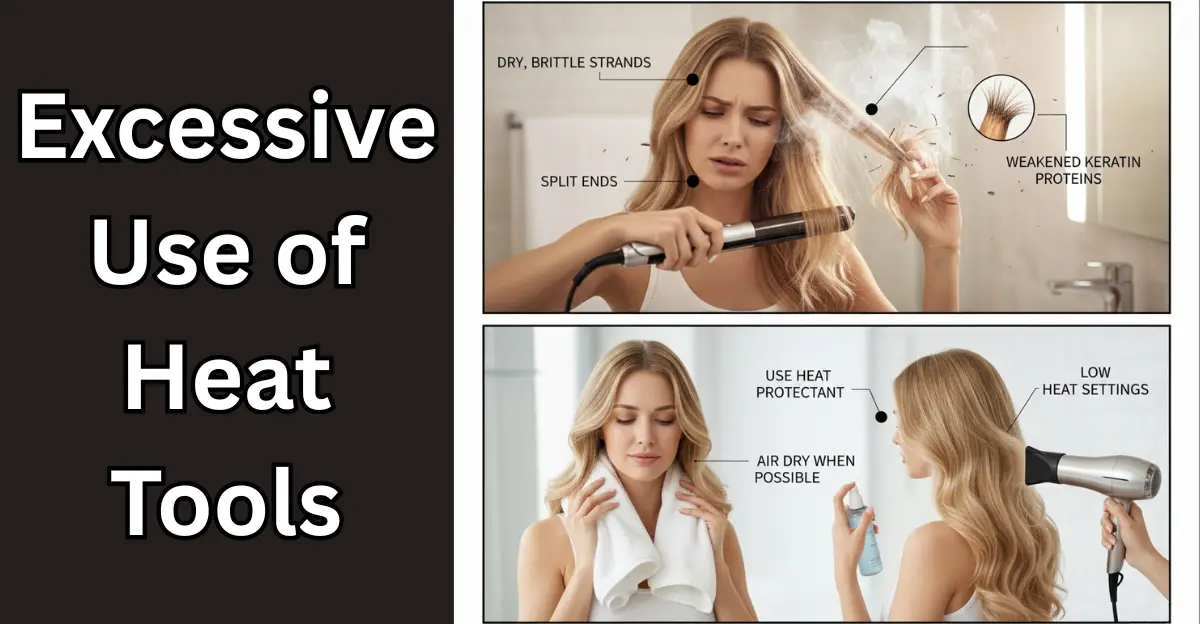
Many people rely on hot tools to style their hair, but overusing them can lead to damage. Frequent use of heat styling tools such as flat irons, curling wands, and blow dryers can cause hair to become dry and brittle. Strands also become more prone to breakage when these tools are used too often.
According to phys.org, curling irons and flat irons can damage the hair’s keratin proteins. These proteins make up about 85 percent of hair. When they are weakened, dry and brittle locks develop. Damage gradually accumulates over time, which affects hair health and hinders growth.
To minimize hair damage, follow these steps:
- Use tools with adjustable heat settings so you can control the temperature according to your hair type.
- Choose the lowest effective temperature for your hair type to prevent unnecessary stress on the strands.
- Limit styling time by only exposing each section to heat as long as needed to achieve the desired style.
- Allow hair to air dry whenever possible to reduce heat exposure from blow dryers and other styling tools.
Next-generation tools with built-in heat sensors, such as the T3 Curl ID Curling Iron, help by allowing input of hair specifics. These devices automatically adjust temperature based on the hair type. Although slightly pricey, this technology removes guesswork and protects hair from overexposure.
Being mindful of water temperature when washing hair is also essential. Hot water can strip hair of natural oils. This can lead to dryness and color fading. Using lukewarm water is gentler and preserves both the hair and scalp, maintaining moisture and vibrancy.
From my personal experience, adjusting heat usage and water temperature transformed my hair’s condition. Strands became stronger and more resilient. Air-drying and using proper temperature tools kept my hair healthier, shinier, and easier to style consistently.
6. Overuse of Hair Relaxers:
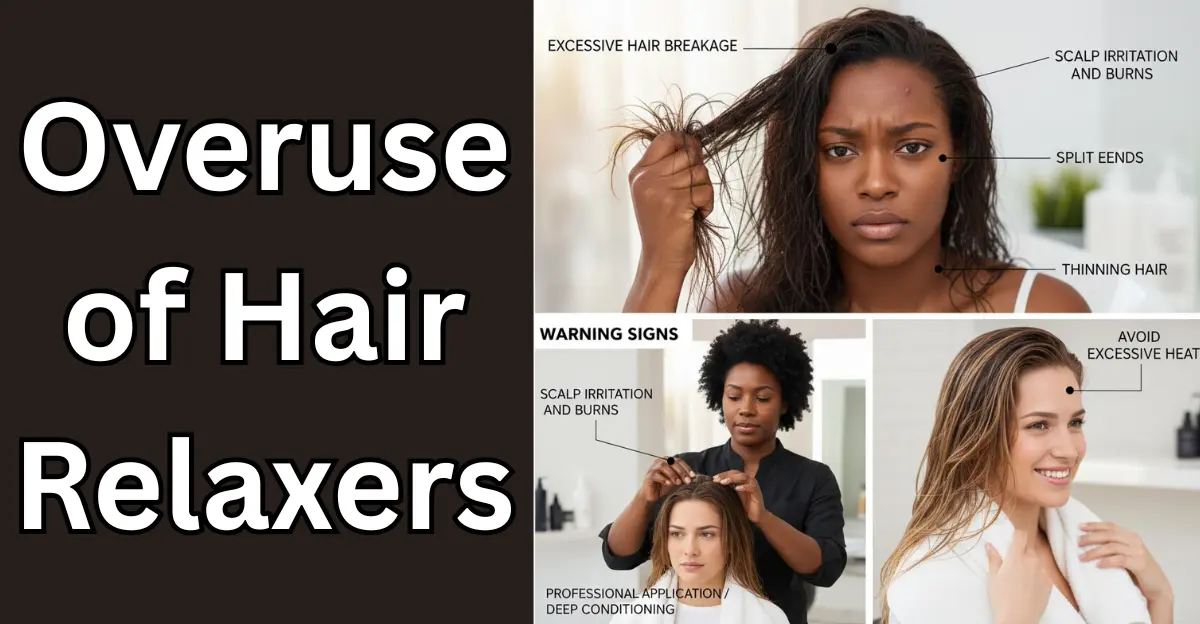
Hair relaxers can help you achieve sleek and straight styles, but overusing them can lead to serious damage. If they are poorly done, relaxers can cause long-term problems and make hair challenging to manage.
Warning signs of relaxer overuse are often commonly accepted or ignored, yet they are key indicators that hair is under stress and requires care. Recognizing these signals early can prevent further deterioration.
- Excessive hair breakage happens when relaxers weaken strands over time, leaving hair fragile and prone to snapping.
- Scalp irritation and burns may occur if relaxers are applied too frequently or left on for too long, causing discomfort and sensitivity.
- Thinning hair appears as fragile strands fall out more easily, reducing the overall volume noticeably.
- Dry and brittle texture develops because relaxers remove natural oils and proteins, leaving hair stiff and fragile.
- Split ends form when the protective layers of hair are repeatedly damaged and weakened.
- Hair won’t hold styles effectively because over-processed strands lose flexibility and resilience.
It is important to have relaxers applied by a professional stylist. You should also consider alternatives such as heat styling or temporary smoothing treatments. These methods provide straighter styles with less long-term damage to hair.
When you choose to use relaxers, proper aftercare is essential. Always deep condition your hair regularly and avoid excessive heat styling between treatments. These steps maintain hair health and help strands remain strong and manageable.
From my personal experience, overusing relaxers without proper care made my hair extremely weak. Switching to professional applications and consistent deep conditioning restored strength and smoothness. Spacing treatments and reducing heat styling allowed my hair to hold styles longer and stay resilient.
7. Frequent Chemical Coloring:
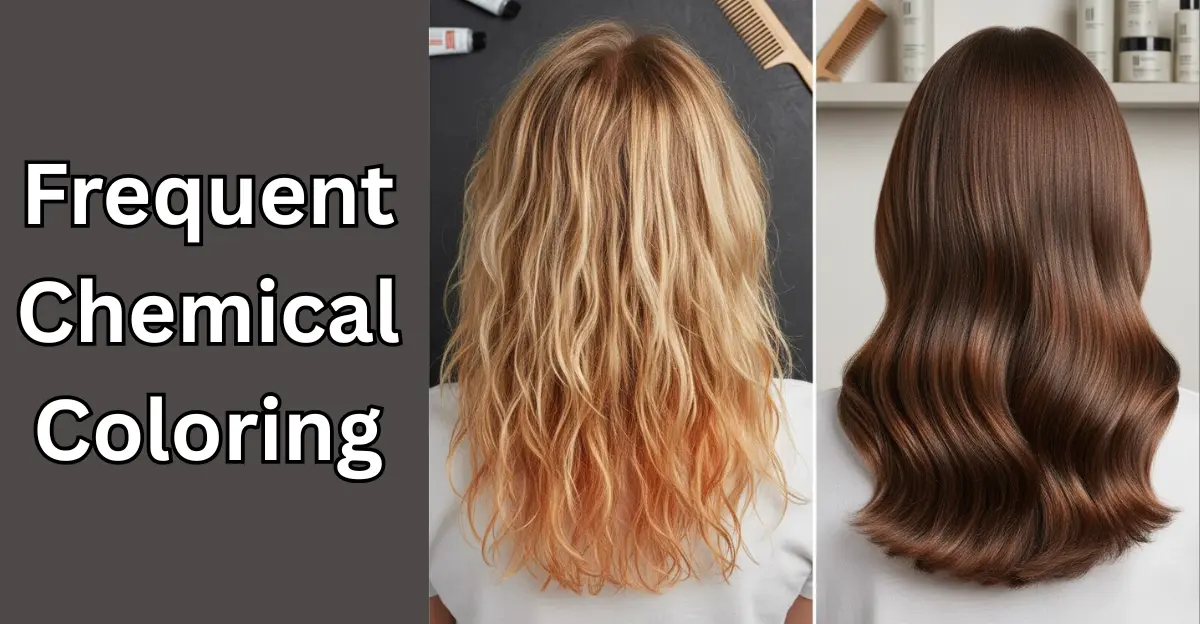
Chemical hair coloring can be a fun way to change your look, but overdoing it can lead to serious damage. It is recommend to space out color treatments carefully and take steps to protect your hair’s health while experimenting with new shades.
Excessive chemical processing can strip the hair of its natural oils and proteins, leaving dry and brittle strands that are more prone to breakage.
To maintain vibrant color between sessions, it is important to use color-safe shampoos, conditioners, and other products that help lock in pigment and at the same time nourish your hair from root to tip.
Deep conditioning treatments help combat the dryness that is associated with frequent coloring. Applying a mask once a week can restore moisture and bring back shine to your strands effectively.
If you notice significant damage, it is wise to consider taking a break from coloring and focus on repairing your hair with protein treatments and regular trims to rebuild strength and resilience.
Always remember that healthy hair holds color better and helps achieve longer-lasting and vibrant results. Proper spacing of chemical treatments ensures that hair remains strong, soft, and beautiful over time.
From my personal experience, spacing out coloring sessions and using deep conditioning made a huge difference in hair health. My strands became stronger and less prone to breakage. Protein treatments and regular trims kept my hair shiny, vibrant, and resilient even with frequent chemical styling.
Improving Your Haircare Routine
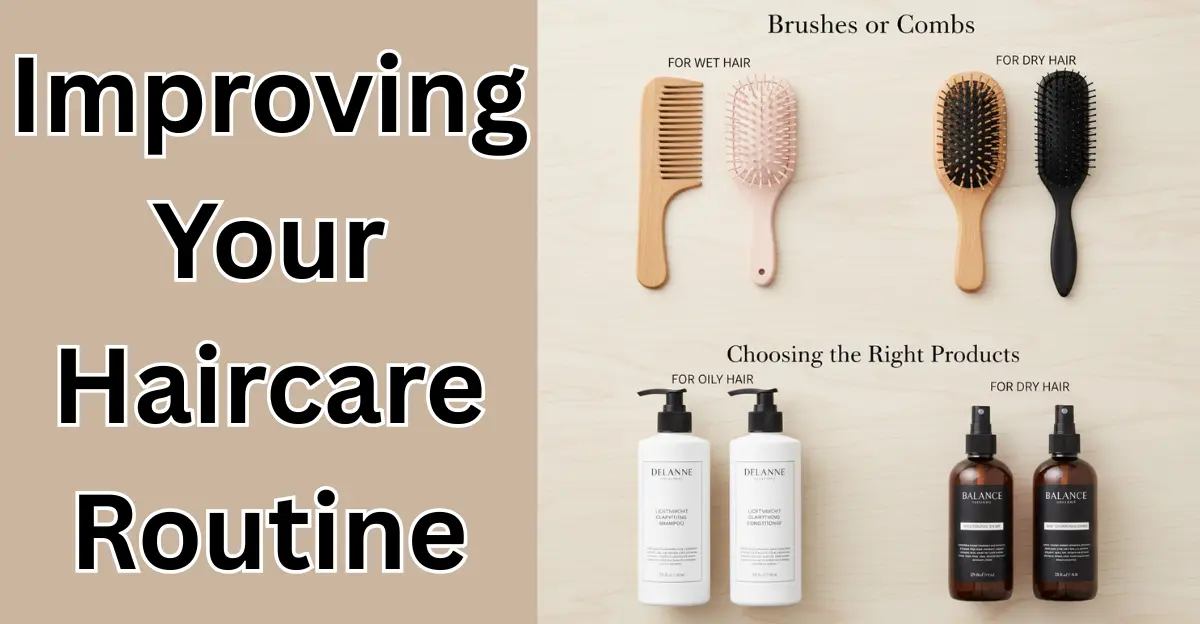
Improving your haircare routine is key to creating an effective system that keeps hair healthy and vibrant. Establishing consistent practices and making mindful product choices is crucial for maintaining your hair’s health and enhancing its appearance. By focusing on simple daily steps, you can optimize your hair’s strength, shine and overall look.
From my personal experience, refining my haircare routine brought noticeable changes. Following consistent practices and using the right products strengthened my strands and made my hair look lively and manageable every day.
Choosing the Right Haircare Products
Choosing the right haircare products is essential for keeping your hair healthy and looking its best. Selecting the appropriate products is crucial because it supports your hair’s natural strength and prevents damage. When picking shampoos, conditioners and styling products, you should always consider your hair type, texture and specific concerns.
If you have oily hair, go for lightweight clarifying formulas that remove excess oil without stripping natural moisture. For dry or damaged hair, moisturizing and repairing products provide essential care. Look for ingredients like keratin, argan oil or hyaluronic acid that add nourishment and help hair feel soft while looking healthy and shiny.
From my personal experience, switching to products that match my hair type made a huge difference. My oily sections stayed fresh without feeling heavy, and damaged strands regained softness. Using nourishing ingredients consistently improved texture, shine and overall manageability.
Brushes or Combs
Picking the right brushes or combs makes a huge difference when it comes to detangling and styling your hair. For wet strands, a wide-toothed comb or a Tangle Teaser works wonders. You can gently work through tangles, starting at the ends and gradually moving toward the roots to prevent breakage and damage.
When styling dry hair, a boar bristle brush helps distribute natural oils from the roots to the ends, adding shine and smoothness. For curly hair, finger-detangling or using a Denman brush is great for maintaining curl definition without disrupting the pattern or causing frizz.
It’s also important to avoid brushing too often. Overdoing it can lead to unnecessary breakage and frizz. Always brush gently, starting at the ends and working your way to the roots for the safest and most effective results.
From my personal experience, using a wide-toothed comb on wet hair and a boar bristle brush on dry strands completely changed how manageable my hair feels. Finger-detangling curls preserved their shape while reducing frizz. My hair became shinier, stronger, and much easier to style without unnecessary breakage.
Wet Hair Handling
Handling wet hair requires a little extra care because it is particularly vulnerable. Instead of rubbing your hair aggressively with a towel, gently squeeze out the excess water to avoid weakening the strands.
Switching to a microfiber towel or even an old t-shirt to blot hair makes a big difference. These gentler materials protect the hair cuticle and reduce unnecessary friction. Also, try to avoid tight ponytails or buns when hair is wet since they can easily cause breakage.
When it comes to detangling, reach for a Tangle Teaser or Ultimate Detangler. Starting on damp hair makes it less likely to snap. Applying a leave-in conditioner adds slip and makes the process smoother, reducing tugging and keeping strands soft.
From my personal experience, treating wet hair with gentle blotting and proper detangling completely changed how my hair felt. It became stronger, smoother, and much easier to manage, and I noticed less frizz and breakage after every wash. Using a leave-in conditioner made brushing effortless and kept my hair looking healthy throughout the day.
Conclusion
Taking care of your hair goes beyond occasional washes or styling. By avoiding common mistakes and building a thoughtful routine, you can protect your strands while enhancing their natural beauty. Paying attention to your hair type, choosing the right products, and handling hair gently creates stronger, healthier, and more vibrant locks. Consistency and proper care make a noticeable difference, turning daily habits into long-term results. Investing a little time and care today ensures your hair looks its best tomorrow.
FAQs
1. What are 3 do’s and don’ts of hair care?
Do regularly cleanse and condition your hair, protect it from heat and trim split ends. Don’t overuse chemical treatments, brush wet hair aggressively or skip hydration. Following these steps maintains strength, shine and overall hair health.
2. How to get silky hair in 7 days?
Use a nourishing shampoo and conditioner daily, apply a hydrating hair mask, and minimize heat styling. Gently detangle with a wide-toothed comb and finish with a lightweight serum. Consistent care and hydration can improve smoothness within a week.
3. What is the most damaging thing to hair?
Excessive heat from styling tools, chemical treatments and harsh brushing are the main culprits. These practices strip moisture, weaken keratin and lead to breakage. Protecting hair from these factors is essential for long-term health.
4. What are the 4 qualities of healthy hair?
Healthy hair is strong, shiny, elastic and smooth in texture. It resists breakage, retains moisture and has a natural bounce. Maintaining these qualities requires proper nutrition, gentle care and suitable products.
Please Write Your Comments