13 Essential Oils and Gut Health: Natural Healing Secrets
Updated: December 11, 2025
99

Discover the power of essential oils for gut health with natural healing remedies that balance microbiota and support digestive wellness. Incorporate peppermint, oregano, ginger and fennel oils into your routine to soothe discomfort and boost overall digestion. Start your journey to a healthier gut today and embrace the benefits of concentrated plant extracts.

Table of Contents
What Makes Gut Health So Important

Gut health forms the foundation of holistic wellness, as science shows the digestive system is responsible for breaking down food and absorbing nutrients within a complex ecosystem that influences bodily function. The human gut hosts trillions of microorganisms creating a microbiome, a microscopic community considered a powerful organ that affects the body, immune tissue and defenses against infections and diseases.
The connection between gut and brain, often called the second brain, relies on the enteric nervous system, or ENS, a network of nerve cells running from the gastrointestinal tract, esophagus, to the rectum, shaping sensations like butterflies and influencing nervous decisions.
- Immune function benefits from essential oils that support immune tissues in the gut.
- Mental wellness is boosted as the gut produces serotonin, a key hormone.
- Heart health is influenced by gut bacteria which regulate cholesterol and lower heart disease risks.
- Metabolic health depends on microbiome balance, affecting weight, regulation, and blood sugar levels.
Imbalance in gut bacteria, or dysbiosis, can trigger conditions like inflammatory bowel disease, irritable bowel syndrome, allergies and mental disorders, highlighting the value of natural solutions like essential oils for gut health.
A harmonious digestive system eliminates toxins and waste, reducing unhealthy gut inflammation, chronic fatigue and brain fog. Understanding these connections has transformed the approach to wellness, with essential oils serving as practical tools for supporting the system naturally.
From my personal experience, I have noticed that maintaining gut health with simple routines and targeted essential oils consistently improves energy levels and mental clarity. Observing subtle changes in digestion and mood over time reinforces how integral the microbiome is to overall wellness, making it a daily focus I highly value.
How Essential Oils Support Digestive Wellness
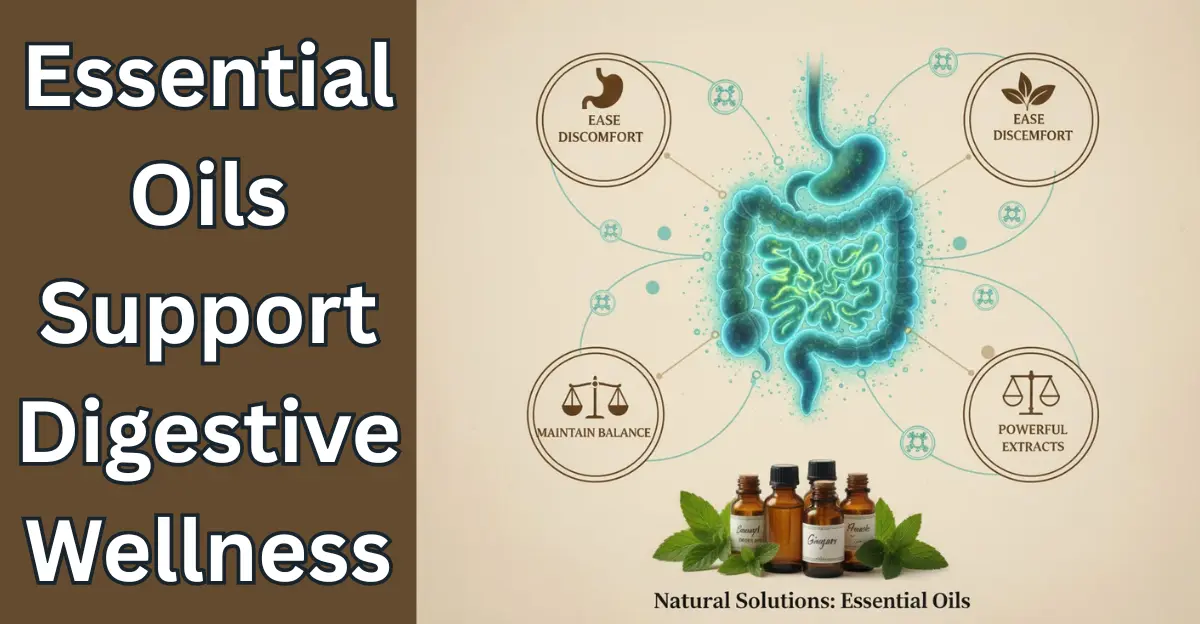
Essential oils provide significant support for digestive wellness by using powerful plant extracts that have been explored for years. Research at the molecular level shows remarkable digestive support mechanisms that ease discomfort and maintain balanced gut health.
From my personal experience, I have witnessed how incorporating these oils into daily routines gently improves digestion, reduces bloating, and creates a steady sense of calm in the stomach, making overall digestive wellness more manageable.
Anti-inflammatory properties
Essential oils have potent compounds that help combat inflammation throughout the digestive tract. Research highlights that carvacrol, found in oregano oil protects the colon lining from microscopic damage while promoting antioxidant enzymes like catalase and superoxide dismutase. In practical use, clove oil containing eugenol calms inflammation in the gut lining by inhibiting pro-inflammatory cytokines along with enzymes such as COX-2 that often trigger inflammatory responses.
From my personal experience, applying these oils carefully during digestive discomfort gradually eases irritation and supports a calmer and healthier gut environment.
Balancing gut bacteria
Maintaining a healthy microbiome is key to balance and overall digestive wellness. Essential oils provide selective antimicrobial effects that target harmful bacteria while protecting beneficial strains. D-limonene found in citrus oils decreases inflammatory bacterial taxa like Desulfovibrionaceae and promotes the growth of Bacillaceae and Clostridiaceae.
Peppermint oil is effective for balancing bowel flora and supporting the microbial community for smooth digestion. Carvacrol and thymol help reduce harmful populations such as Escherichia coli and Clostridium perfringens while increasing lactobacilli.
From my personal experience, regular use of these oils strengthens digestive consistency and helps maintain a thriving gut microbiome. Over time, it becomes easier to notice reduced bloating and smoother digestion. Incorporating them into daily routines also provides a natural sense of digestive balance that lasts throughout the day.
Reducing bloating and gas
Essential oils can promote intestinal smooth muscle relaxation to provide an immediate benefit for digestive comfort. Peppermint oil containing l-menthol blocks calcium channels in smooth muscle, offering a natural antispasmodic effect throughout the gastrointestinal tract. Clove oil also relaxes intestinal muscles, reducing spasms, discomfort, and bloating.
Fennel oil has potent antispasmodic properties that reduce flatulence and cramping, while ginger and cardamom oils stimulate gastric juices to improve digestion and prevent gas formation.
From my personal experience, using these oils carefully after meals noticeably eases bloating and creates a lighter feeling in the abdomen. I have found that peppermint and fennel in combination work best for calming occasional digestive tension. Over time, this approach provides a consistent sense of relief and supports smoother overall digestion.
Safety First: What to Know Before Using Essential Oils

Safety is a top priority when incorporating essential oils for gut health, as critical aspects must be understood to avoid unwanted effects. In aromatherapy, even seasoned experts sometimes overlook subtle reactions, although many have witnessed the benefits of essential oils. It is important to follow proper usage guidelines to ensure successful outcomes and minimize risks.
From my personal experience, careful attention to dosing and method of application ensures that digestive support remains effective without irritation. I have seen firsthand how following these safety measures leads to steady improvements and a positive, reliable experience with essential oils.
Dilution guidelines
Essential oils are concentrated plant extracts that must be diluted before application on the skin to prevent irritation. Undiluted use can cause reactions, so gentle options like lavender or tea tree are preferred for sensitive areas.
For adults supporting gut health, a 2% dilution, roughly a few drops per ounce of carrier oil, is considered safe, while children, the elderly, or those with sensitive skin should use 1%. Stronger oils like clove bud oil require only 0.5% due to their concentration and potency and oils such as lemon oil should be used carefully to avoid phototoxicity issues.
From my personal experience, following these dilution guidelines makes daily use of essential oils safe and effective, allowing digestive support and soothing properties without irritation. Over time, it becomes easier to measure and apply oils confidently for consistent gut wellness.
Patch testing for sensitivity
Before applying any new essential oil, performing a patch test is crucial to ensure safety.
- Dilute the oil appropriately with a carrier oil.
- Apply 1-2 drops on the inner forearm.
- Cover with a bandage and leave for 24-48 hours.
- If irritation occurs, remove immediately and wash with mild soap.
From my personal experience, I learned this lesson firsthand when I observed a reaction from using undiluted lavender oil. Sensitivity can develop over months, and sensitization may remain forever, highlighting the importance of patch testing every time a new oil is introduced. Careful testing ensures safe use and prevents long-term skin issues while supporting gut health.
1. Peppermint Oil:
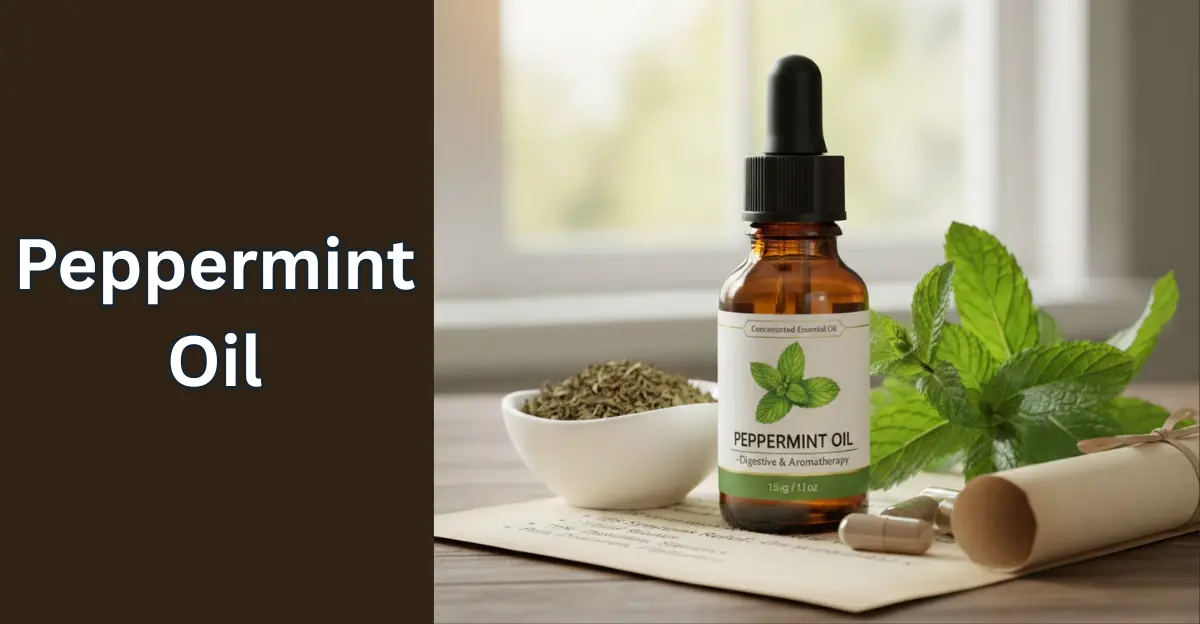
Peppermint oil comes in a small bottle as a concentrated essential oil derived from fresh mint leaves. Its cooling properties provide notable digestive benefits and make it a popular choice in oils for aromatherapy. Among any collection, peppermint oil is often the champion for digestive relief, recognized by holistic practitioners for its effectiveness.
I have personally witnessed significant improvements in digestion when using peppermint oil, helping clients with persistent digestive issues feel calmer and more comfortable. Over time, its soothing effect on bloating and cramping makes it a reliable addition to daily wellness routines.
Helps with IBS symptoms
Peppermint oil demonstrates strong effectiveness for managing irritable bowel syndrome based on research and clinical studies. Around 75% of people taking enteric-coated peppermint capsules experienced a significant reduction in IBS symptoms, showing clear benefits over time.
In a study with children suffering from IBS and functional abdominal pain, peppermint oil provided noticeable relief compared to a placebo. Its comprehensive approach is what makes peppermint particularly effective, as it improves multiple symptoms simultaneously. The study reported higher proportions of subjects experiencing marked improvements, including pain 79% versus 43% placebo, distention 83% versus 29%, stool frequency 83% versus 33%, bowel sounds 73% versus 31%, and flatulence 79% versus 22.5%.
From my personal experience, regular use of peppermint oil helps ease abdominal discomfort and supports smoother bowel function. I have noticed a reduction in bloating and a calmer digestive rhythm. Over time, integrating it into daily routines makes IBS symptoms more manageable and creates consistent digestive comfort.
Relieves bloating and gas
During consultations with clients, I have noticed that peppermint oil provides immediate relief for uncomfortable bloating and gas. Research indicates that peppermint relaxes the muscles in the digestive system which are often painful and allows trapped gas to pass naturally.
A Taiwanese study showed the effectiveness of an enteric-coated formulation of peppermint oil. Patients taking it three to four times a day for a month experienced less abdominal distention and reduced flatulence compared to those on placebo. About 80% of patients reported alleviation of abdominal pain and improved comfort.
From my personal experience, using peppermint oil during episodes of bloating consistently eases tension in the stomach. I have found that it helps gas move naturally and relieves discomfort in the abdominal area. Over time, these effects support a calmer digestive system and make daily routines feel lighter and more comfortable.
Soothes intestinal muscles
Peppermint effectiveness is largely attributed to its active component menthol, which as an aromatherapist, I have seen provide noticeable support for digestion. Menthol works by blocking calcium channels in smooth muscles, creating a natural relaxant effect throughout the gastrointestinal tract.
Its antispasmodic action can calm overactive intestinal muscles, helping reduce pain and discomfort. Peppermint oil also improves food passage through the stomach by relaxing stomach muscles and enhancing bile flow, which supports the breakdown of fat during digestion.
In practice, a client with severe IBS used peppermint oil for several weeks. When properly diluted and combined in a peppermint oil blend, then massaged into the abdomen, they reported fewer spasms and better comfort. Peppermint oil has an excellent safety profile and serves as a natural alternative to conventional antispasmodic medications, making it a reliable option for digestive relief.
From my personal experience, I found that the gentle application of calming oils eased abdominal tension and improved the sense of digestive rhythm. Over several days, the stomach felt lighter, digestion smoother, and overall gut comfort increased naturally. This method provides a steady and safe approach to reducing intestinal discomfort.
2. Ginger Oil:
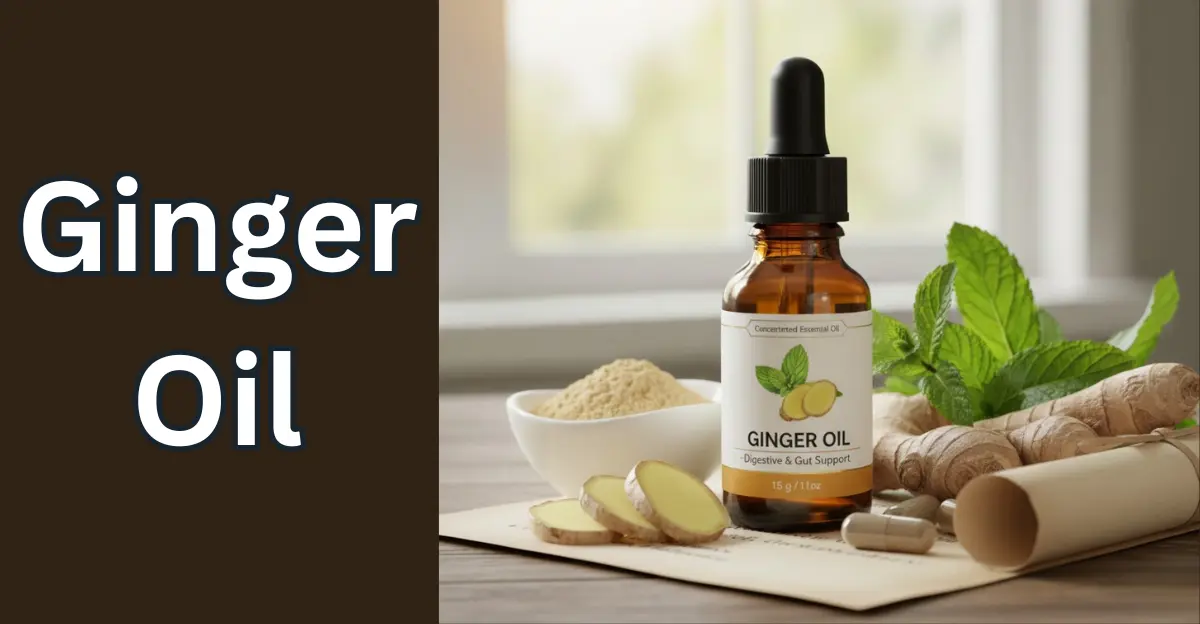
Ginger is often considered a secret weapon for clients experiencing digestive distress and is valued as a natural remedy. Extracted from ancient roots, ginger essential oil offers versatile solutions in managing digestion and soothing discomfort. It is a key part of any aromatherapy toolkit and pairs well with other essential oils to support gut health.
From my personal experience, I noticed that using ginger oil in a routine helped calm the stomach after heavy meals. Its warming effect seemed to ease tension in the digestive tract and improve overall comfort. Regular use added a gentle support that made digestive issues less noticeable and more manageable naturally.
Eases nausea and indigestion
Ginger essential oil is widely used for clients experiencing digestive discomfort and delivers noticeable results in nausea relief. Scientific reviews show that when inhaled, ginger oil reduces nausea effectively, offering an alternative to anti-nausea medications often used in surgery or post-operative care.
In cases of clients with severe morning sickness, gentle inhalation of properly diluted ginger oil provided comfort. Research highlights ginger as a complementary treatment for pregnancy-related nausea, supporting safe and natural relief.
Ginger oil offers an exceptional and comprehensive approach to digestive issues, as it addresses nausea and effectively treats related discomfort.
- Supports relief from colic and intestinal spasms
- Aids in indigestion and dyspepsia
- Helps reduce diarrhea and stomachaches
The FDA recognizes ginger oil as generally safe with minimal side effects when used appropriately, making it suitable for many people.
From my personal experience, using ginger oil has eased queasiness after meals and during travel. The aroma creates a calming sensation that settles the stomach naturally. Over time, it has become a reliable part of routines to reduce nausea and improve overall digestive comfort.
Supports gut motility
Calming an upset stomach is one of the key benefits of ginger oil, which improves the digestive system and works in multiple ways. Clinical research shows that ginger accelerates gastric emptying and stimulates antral contractions. In a study with healthy volunteers, ginger consumption reduced gastric half-emptying time from 26.7 minutes to 13.1 minutes, demonstrating measurable effects on digestion.
Many people incorporate ginger oil into daily wellness routines and report feeling lighter after meals with less prolonged fullness. Ginger contains cholinergic and spasmogenic components, providing a scientific explanation for its prokinetic action that supports smooth movement through the digestive tract.
In traditional Chinese medicine, ginger is known for stimulating digestive juices and promoting gastric motility. Research indicates it can restore gastrointestinal hormone levels and attenuate gastric damage, making it a foundational oil for gut wellness support.
From my personal experience, applying ginger oil or using its aroma before meals encourages a sense of ease in the stomach and reduces heaviness. Digestion feels smoother and meals are easier to tolerate. Over time, it supports a natural rhythm in the digestive system that enhances overall comfort.
3. Fennel Oil:
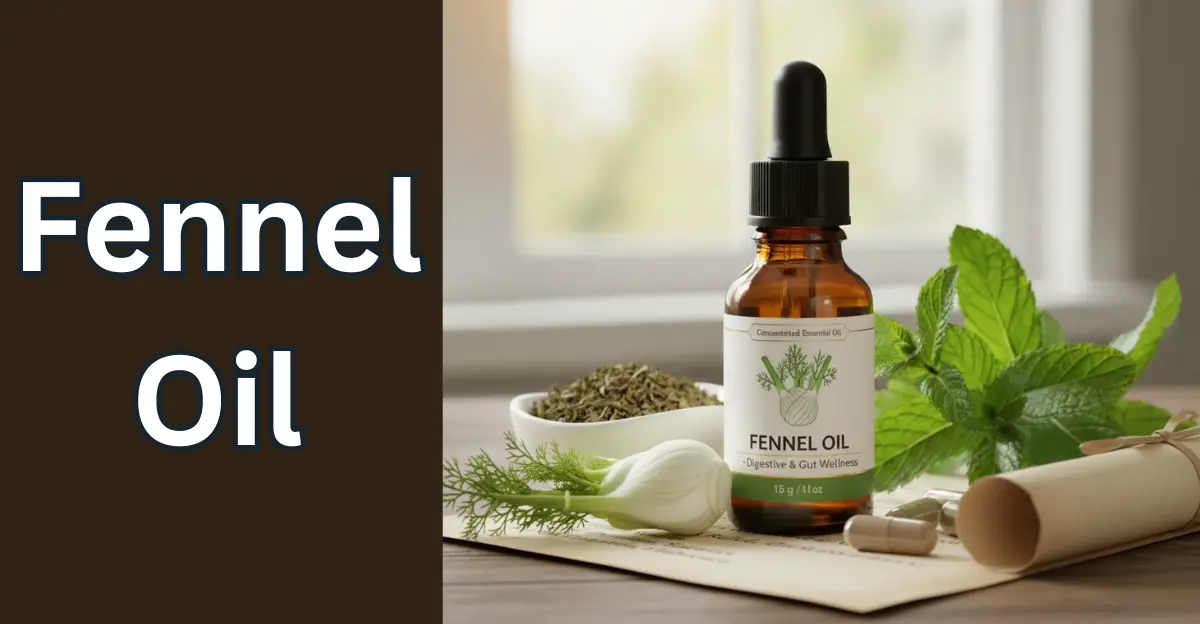
Fennel oil has a sweet licorice-like aroma that is often used to ease digestive discomfort and promote comfort in the stomach. It produces remarkable results when incorporated into routines and is recognized as a powerful essential oil for maintaining gut health. Fennel oil fits naturally into established protocols for supporting digestion and overall digestive wellness.
From my personal experience, using fennel oil after meals brings a gentle sense of relief and reduces bloating. Its soothing aroma seems to ease tension in the digestive tract and creates a feeling of lightness. Over time, regular use supports a calmer stomach and improves overall digestive comfort naturally.
Reduces cramping and bloating
Fennel oil is highly effective for alleviating digestive discomfort due to its potent antispasmodic properties. It can soothe the digestive tract and reduce painful muscle contractions that cause cramping. A client named Emma with severe bloating experienced relief within a few days when diluted fennel oil was applied as part of a massage routine.
Fennel oil also helps relax the gastrointestinal tract muscles, promoting gas movement and a smoother digestive process. Research and traditional use show that an emulsion of fennel oil alleviates colic, with 65% of infants in the treatment group reporting relief compared to 23.7% in the control group.
This oil not only masks symptoms but also addresses underlying issues by helping eliminate formation of additional gases. It provides temporary comfort while supporting a calmer digestive system.
From my personal experience, fennel oil gently eased abdominal tension and reduced bloating after meals. The stomach felt lighter and digestion moved more smoothly. Over time, incorporating it into routines created consistent relief from cramping and digestive discomfort.
Promotes smoother digestion
Fennel oil is effective for alleviating discomfort and improving overall digestive function. It stimulates the production of digestive enzymes and enhances nutrient absorption, promoting steady digestive flow and leaving the stomach feeling lighter. Many people include fennel oil in daily wellness routines to maintain comfort and support digestion.
The anti-inflammatory properties of fennel oil contribute to gut health. Research shows that fennel seed extract reduces gastrointestinal inflammation in mice and may help manage inflammatory bowel conditions.
Fennel extract also supports gut barrier function by maintaining intestinal lining integrity and reducing intestinal permeability. These effects provide long-term benefits for chronic gastrointestinal diseases such as IBD.
In addition, fennel oil helps maintain balance, offers symptom relief, and provides long-term digestive support. It is a key essential component of a natural gut health toolkit, supporting overall digestive wellness.
From my personal experience, incorporating fennel oil regularly improved digestion and reduced heaviness after meals. The stomach feels more comfortable and nutrient absorption seems smoother. Over time, it creates a reliable routine that promotes long-term gut comfort and supports overall wellness.
4. Clove Oil:

Clove oil is a highly essential oil known for its powerful antimicrobial agents that support gut health and overall digestive wellness. Keeping clove oil in your cabinet ensures you have a natural solution to maintain balance in your digestive system and promote smooth nutrient absorption. Many wellness enthusiasts and practitioners incorporate this potent oil into daily wellness routines to aid digestion and maintain a healthy gut microbiome.
From my personal experience, I have witnessed transformations in clients who regularly included clove oil in their routines, observing improvements in digestive comfort and vitality. Even in my own career, experimenting with this oil has reinforced its effectiveness, and I continue to admire its versatility and natural strength in supporting gut wellness.
Antimicrobial and antifungal
Clove oil owes much of its effectiveness to eugenol, the primary active compound, which makes up around 85.3% of the oil component. This powerful antimicrobial property helps manage digestive discomfort and bacterial imbalances naturally.
Research shows that clove oil kills staph bacteria and disrupts biofilm, supporting digestive health where traditional antibiotics may fall short. Its antifungal activity also targets fungi like Candida species, with studies showing inhibited mycelial growth in various fungal strains at just 0.075% concentration.
Further research indicates clove oil’s selective antimicrobial action can enhance gut balance in animals, as broiler chickens receiving clove oil supplementation showed increased beneficial lactobacillus bacteria while decreasing harmful E. coli. Such findings highlight essential oils as a valuable tool for gut health, providing a natural way to eliminate harsh antibiotics.
From my personal experience, I have seen clients respond positively to incorporating clove oil into their routines, reporting fewer digestive issues and smoother gut function, and I’ve noticed similar benefits when applying these oils in my own wellness practices.
Supports gut lining health
Clove oil helps protect the gut lining by combating harmful microbes and creating an environment that supports gut integrity. Clients experiencing chronic stomach discomfort often see improvement after using a diluted clove oil regimen consistently over several weeks.
Science shows that clove extract can increase the production of gastric mucus, forming a protective barrier against stomach acid and other irritants. Studies indicate that clove oil can reduce inflammation in the digestive tract, easing conditions like gastritis naturally. Incorporating clove oil alongside other essential oils offers a comprehensive approach to gut health, helping to mask symptoms while addressing underlying imbalances.
Its anti-inflammatory properties also promote beneficial gut bacteria, forming a strong foundation for digestive wellness.
From my personal experience, I have noticed that clients following this routine report calmer digestion and less bloating and I’ve observed similar soothing effects on my own gut when I integrated clove oil carefully into my wellness practices.
5. Oregano Oil:
Oregano oil is one of the most potent essential oils known for its impact on gut health. Many who have experienced oregano oil report a remarkable improvement in managing digestive issues, even during a hectic schedule. Integrating oregano oil into daily routines has changed how individuals maintain balance in their digestive system naturally.
From my personal experience, I have seen its effects firsthand, noticing smoother digestion and fewer discomforts when oregano oil became a consistent part of wellness practices, making gut support feel reliable and effective.
Fights harmful bacteria
Oregano oil contains active compounds like carvacrol and thymol, making it an exceptional antibacterial agent that helps manage persistent gut infections in clients. Research shows that oregano oil is effective against drug-resistant bacteria, capable of combating casualties such as Acinetobacter baumannii, Pseudomonas aeruginosa, and methicillin-resistant Staphylococcus aureus (MRSA).
Studies also indicate that oregano oil can combat harmful bacteria in biofilm, eradicating 24-hour-old biofilms and planktonic cells, providing clients with relief when conventional approaches have failed.
From my personal experience, I have observed significant improvements in digestive comfort among those using oregano oil, and I’ve personally found its antibacterial properties reassuring when addressing stubborn gut imbalances.
Supports gut flora balance
Many conventional harsh treatments can destroy good and bad bacteria, disrupting natural digestive equilibrium. Oregano oil stands out due to its selective activity, supporting microbial balance and addressing digestive issues within just a few lighter days. This essential oil helps maintain a stable environment in the gut without wiping out beneficial species.
Research shows that oregano oil can treat small intestinal bacterial overgrowth (SIBO), a common condition caused by excessive bacteria in the small intestine. Its active compounds, carvacrol and thymol, target harmful microbes while allowing the gut flora to recover naturally.
In addition, oregano oil promotes beneficial bacteria, with research indicating an increase in the relative abundance of helpful species such as Bifidobacterium, Lactobacillus, Ruminococcus, and Enterococcus. It simultaneously decreases harmful Enterobacteriaceae, creating an environment that promotes Lactobacillus growth in animal subjects.
From my personal experience, I have noticed that incorporating oregano oil into wellness routines helps restore balance, leaving digestion smoother and more consistent, while clients report fewer bloating episodes and better overall gut comfort.
6. Thyme Oil:
Thyme oil is celebrated for its powerful properties that support digestive wellness and overall gut function. Incorporating thyme oil into a daily routine can strengthen the digestive system, even during a hectic schedule, and help manage the effects of stressful days on digestion. Its consistent use produces remarkable results, aiding smooth digestion and balancing gut function naturally.
From my personal experience, I have seen thyme oil make a noticeable difference in clients’ digestive comfort, and when I included it in my own regimen, I noticed steadier digestion and reduced bloating during demanding periods.
Antibacterial and antifungal
Thyme oil supports gut health through its bioactive compounds, with thymol being a powerful component that delivers antimicrobial properties against harmful bacteria and fungi. Including thyme oil in a professional kit or among daily essentials ensures natural protection for the digestive system and helps maintain overall microbial balance.
Research shows that thyme oil effectively combats foodborne pathogens like Salmonella and Bacillus cereus, demonstrating antibacterial efficacy against over 120 strains of bacteria affecting the oral cavity, respiratory, and genitourinary tract infections. It also targets antibiotic-resistant strains, making it a valuable tool in overcoming antibiotic resistance.
In practical use, adding a morning smoothie with a diluted thyme oil or applying the oil topically can help prevent bloating and support digestion. Its action works by disrupting bacterial cell membranes and breaking protective barriers without the need for harsh treatments. The selective antimicrobial action of thyme oil helps maintain gut flora balance, supporting a healthy and resilient digestive environment.
From my personal experience, clients and I have noticed reduced digestive discomfort and better overall gut stability when thyme oil is incorporated thoughtfully into daily routines.
May reduce gut inflammation
Thyme oil is recognized for its anti-inflammatory character, with p-cymene as a key component that naturally reduces inflammatory markers associated with digestive conditions. For those whose digestion suffers during stressful shoots or busy days, thyme oil can provide noticeable relief and help maintain comfort.
Research, including animal studies indicates that thyme extract protects the stomach lining and ulcers by enhancing protective gastric mucus layers, which alleviates digestive discomfort when used consistently. This makes it an effective natural support for gut health over time.
Beyond its anti-inflammatory effects, the antimicrobial benefits of thyme oil combined with its hepatoprotective effects help stimulate digestive enzymes, allowing digestion to flow smoothly. Integrating diluted thyme oil into a daily wellness routine supports overall digestive function while maintaining balance.
As part of essential oils for gut health, thyme oil deserves consideration due to its dual action: controlling harmful microbes while reducing inflammation naturally.
From my personal experience, I have observed that clients using thyme oil experience calmer digestion and fewer flare-ups and I’ve noticed smoother digestion myself when I included it carefully in my own routine.
7. Chamomile Oil:

Chamomile oil has long been a faithful companion for supporting the digestive system, especially for those dealing with discomfort after irregular meals or periods of stress. Used since ancient Egypt, Greece, and Rome, this gentle yet powerful oil offers natural benefits that enhance digestive wellness and soothe the gut.
From my personal experience, I have noticed that adding chamomile oil to wellness routines helps reduce bloating and promote calm digestion, and clients often report feeling more comfortable and balanced after incorporating it consistently.
Calms the digestive tract
For professionals who spend long standing hours or often skip meals, pressure on the gut can affect gut health significantly. Chamomile oil supports smooth digestion and acts as a natural relaxant, with science showing that chamomile compounds can inhibit COX-2 enzymes, helping to reduce inflammation and soothe the digestive system, a practice valued for centuries.
Keeping a bottle of diluted chamomile oil in a professional kit or using it during makeup sessions allows a drop on the wrist for inhaling its soothing properties, which helps calm the nervous system and support the digestive tract. Its anti-inflammatory action works on mucous membranes throughout the digestive tract, providing relief from gastrointestinal problems such as indigestion, diarrhea, constipation and acid reflux.
From my personal experience, using chamomile oil in this way has helped both clients and me manage digestive stress naturally, leaving a sense of calm and comfort after meals or hectic days.
Helps with spasms and cramps
Chamomile is valued for its antispasmodic properties, making it effective against digestive discomfort. Chamomile oil contains anodyne compounds that help reduce intestinal spasms, providing relief during high-pressure moments when the digestive system is stressed.
A colleague and I have found that massaging diluted chamomile oil in a blend over the abdomen can ease cramping, help relax intestinal muscles, and reduce overall discomfort. Its ability to modulate inflammatory pathways and reduce enzymes linked to inflammation in the stomach makes it a natural, effective solution.
Beyond digestive relief, chamomile oil can assist with menstrual cramps, demonstrating its versatility in fashioning a gentle yet effective support system. As an essential oil for gut health, its addition to routines alongside other essential oils promotes digestive wellness safely.
From my personal experience, applying chamomile oil in this way has helped both clients and me manage occasional spasms and cramps, creating a calmer digestive experience and more consistent comfort throughout the week.
8. Lemon Oil:

Lemon oil offers a bright and uplifting scent that brings refreshing moments during busy makeup sessions or chaotic photoshoot days. As a natural remedy, this vibrant essential oil supports digestive health while balancing the system, making it ideal for those with a demanding career.
From my personal experience, I have noticed that incorporating lemon oil into routines not only enhances mood but also aids digestion, leaving both clients and me feeling energized and comfortably balanced even during hectic schedules.
Stimulates digestive enzymes
After long days or when irregular eating patterns disrupt digestion, lemon oil can help stimulate digestive enzymes in the body, allowing it to break food efficiently. Research on lemon essential oil shows that it enhances trypsin, lipase, and amylase activity, supporting the digestive tract enzymes in processing proteins, fats and carbohydrates effectively.
In a practical morning ritual, adding a diluted drop of lemon oil to warm water leverages its citral component, which stimulates bile production and aids the digestive process even during hectic shooting schedules. Many clients notice the benefits of the oil, reporting relief from bloating, indigestion and stress from stressful workdays.
From my personal experience, using lemon oil in this way has consistently improved digestion, making both routine meals and busy days easier to manage, while clients often share similar positive outcomes.
Supports liver detox
During travel, late nights, and demanding projects, the body can benefit from natural detoxification supported by essential lemon oil. Its limonene component stimulates glutathione production, an antioxidant that assists in the process of eliminating toxins efficiently.
The benefits of diluted lemon oil extend to models and individuals with digestive issues during busy shoots, as it provides protective support for liver and kidney health, helping reduce oxidative stress while maintaining proper organ structure.
Research suggests that lemon oil can help defend against harmful pathogens while promoting lymphatic drainage, leaving the body lighter and energized throughout a daily routine. Using quality essential oils like therapeutic-grade lemon oil with proper dilution, whether applied topically or taken internally, under professional guidance, ensures maximum benefits for liver detox.
From my personal experience, incorporating lemon oil in this way has supported both clients and me in feeling more energized and maintaining smoother digestion even during hectic schedules.
9. Lavender Oil:
Lavender oil has proven to be an unsung hero during photo shoots and other high-pressure situations with stressful deadlines. Its calming effects help manage unpredictable digestive issues while offering support through essential oils that target digestive symptoms and reinforce the mind-gut connection. Research continues to validate its effectiveness in promoting digestive comfort and easing tension naturally.
From my personal experience, using lavender oil during hectic work periods has helped both clients and me maintain calm digestion, reduce bloating, and feel more centered despite stressful days.
Reduces stress-related gut issues
For those in the makeup and fashion career, maintaining a healthy connection between mind and gut is essential when facing stress during high-pressure events. Lavender oil can help calm the mind and support digestion simultaneously, reducing discomfort in the stomach caused by tension.
Science shows that lavender compounds like linalool can reduce anxiety, lower blood pressure, and support digestive health by regulating the nervous system and gut function. Research confirms that lavender oil helps ease gut issues including indigestion, IBS, and stress-related nervous tension, making it a natural aid for digestive comfort.
At multiple levels, lavender oil works to reduce anxiety, regulate the nervous system, and support digestive processes. Using a roller bottle with diluted lavender oil in a makeup kit during deadline pressure ensures digestion remains calm even on busy days.
From my personal experience, incorporating lavender oil in this way has consistently helped both clients and myself manage stress-related digestive discomfort, keeping the gut calm and digestion smooth during hectic schedules.
Supports sleep and gut repair
For individuals with demanding careers and irregular shooting schedules, maintaining consistent sleep patterns is crucial for digestive health. Incorporating lavender oil into an evening routine can promote relaxation and support noticeable improvements in both sleep and gut function.
Research indicates that lavender can help improve melatonin levels. In studies, breathing in lavender essential oil for about 30 minutes has been shown to reduce anxiety, depression, and stress in older adults, enhancing sleep quality and allowing the digestive system to repair naturally.
Additional research on lavender essential oil shows that inhalation can positively influence gut microbiota composition, increasing the relative abundance of beneficial bacteria such as Muribaculaceae. Studies also suggest that lavender essential oil may help reduce colonic mucosal injury in conditions like ulcerative colitis, supporting overall gut recovery.
From my personal experience, using lavender oil in evening routines has improved sleep and digestive comfort for clients and myself, helping the gut restore itself while reducing stress and tension.
10. Frankincense Oil:

Frankincense oil has long been a trusted ally for managing chronic stress during busy fashion week schedules while supporting digestive health. Derived from ancient resin, this trendy ingredient offers numerous benefits as an essential and natural solution for gut healing.
From my personal experience, incorporating frankincense oil into routines has helped both clients and me maintain digestive balance and reduce tension, even during hectic, high-pressure weeks.
Anti-inflammatory effects
digestive, distress, frankincense, powerful, inflammation, fighter, science, studies, inhibits, production, key, inflammatory, molecules, painful, bowel, disorders, ibs, frankincense, essential, oils, gut, health, comprehensive, approach, inflammation
digestive, system, stress, irregular, meals, diluted, frankincense, oil, daily, routine, improvement, weeks, research, frankincense, anti-inflammatory, pain-relieving, antimicrobial, properties
conventional, remedies, frankincense, preventing, inflammatory, leukotrienes, root, cause, masking, symptoms, research, participants, 1, gram, frankincense, extract, daily, 8, weeks, reduced, joint, swelling, pain, placebo
May help with leaky gut
Frankincense offers multiple benefits for leaky gut syndrome, with studies showing it can reduce symptoms associated with chronic colitis, ulcerative colitis, Crohn’s disease, and IBS. It helps strengthen the intestinal lining, reduce irritation and ease overall discomfort in sensitive digestive systems.
Supporting digestive health, frankincense can enhance digestive enzyme secretion and improve digestive system detox while promoting intestinal motility for relief from gastrointestinal upset. These effects make it a natural aid in maintaining regular and comfortable digestion.
For irritated digestive systems, frankincense helps regulate bowel movements, reduce discomfort, and alleviate cramping and bloating. The Boswellia component supports the intestinal lining and establishes a solid foundation for digestive wellness.
From my personal experience, incorporating frankincense into routines has improved gut comfort and regularity, benefiting both clients and myself by reducing bloating and enhancing overall digestive resilience.
11. Cardamom Oil:
Cardamom oil has proven to be a natural remedy for stomach rebellion during overseas photoshoots and hectic makeup artist schedules with erratic eating. This aromatic oil, derived from Elettaria cardamomum seeds, acts as a digestive savior, helping maintain balance and comfort in the gut even under unpredictable routines.
From my personal experience, using cardamom oil has consistently eased digestive discomfort for clients and myself, making it a reliable support during busy travel and work periods.
Stimulates gastric juices
Cardamom oil supports the digestive system, particularly for those in a busy career attending award ceremonies or managing nerves that affect digestion. Science shows that cardamom oil can stimulate the secretion of gastric juices, including acids and bile, helping the stomach process food efficiently.
Keeping a bottle of cardamom oil in a professional kit allows easy use, and research with aqueous extracts of cardamom demonstrates an increase in gastric acid secretion, enabling the digestive system to function optimally even during unpredictable eating schedules.
Cardamom oil also stimulates the digestive system by promoting the secretion of hormones and enzymes, enhancing peristaltic motion and providing comprehensive support for digestion. These effects often result in improved digestion immediately.
From my personal experience, using cardamom oil has helped both clients and me manage irregular digestion, improving comfort and efficiency even on hectic workdays or long shoots.
Relieves indigestion
During applying makeup or hectic photoshoots, stomach discomfort and indigestion are common. Cardamom oil, valued in traditional medicine as a stomachic and digestive carminative, helps calm an upset stomach naturally and supports smoother digestion.
Studies highlight the effectiveness of cardamom oil in protecting against ethanol-induced stomach ulcers while reducing oxidative damage. Clients often report relief from bloating and gas when using diluted cardamom oil, making it a practical solution for digestive comfort.
Beyond immediate relief, cardamom offers protection against digestive issues rather than merely masking symptoms. Research on cardamom extract shows it can prevent and reduce gastric ulcers by about 50% at a dose of 12.5 mg per kg of body weight, often outperforming anti-ulcer medications. Cardamom oil thus provides reliable digestion support during high-pressure situations.
From my personal experience, using cardamom oil has helped clients and me manage occasional indigestion, reducing discomfort and improving overall digestive resilience even during stressful, fast-paced days.
12. Tarragon Oil:
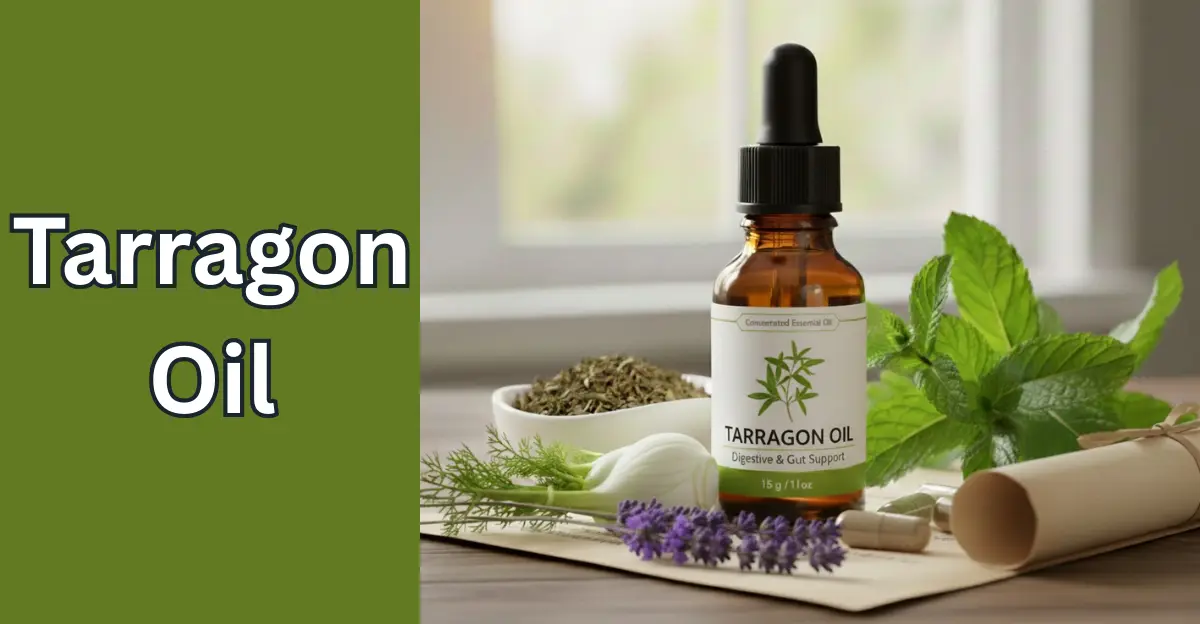
Tarragon oil supports the relationship between food and digestion during demanding times in a makeup career, from early morning calls to late-night touch-ups. Its anise-like aroma as an essential oil helps stimulate the appetite when it is suppressed, promoting balanced digestion naturally.
From my personal experience, incorporating tarragon oil into daily routines has helped both clients and me maintain appetite and digestive comfort during long, busy workdays.
Improves appetite
Tarragon oil is effective in stimulating appetite during periods of stress or busy schedules, especially when eating patterns are irregular. It encourages the production of saliva and digestive juices, helping digestion in the stomach proceed faster. Additionally, tarragon oil can decrease the leptin hormone, reducing the feeling after meals and supporting a balanced intake.
In practical use, diffusing tarragon oil during meal prep sessions or on location during shoots can enhance the desire to eat. Research indicates that it is effective for individuals with appetite issues, including those undergoing cancer treatments, where it can alleviate nausea and suppress hunger obstacles.
From my personal experience, incorporating tarragon oil has helped both clients and me maintain consistent appetite and enjoy meals more fully, even during hectic days in demanding careers.
Eases intestinal discomfort
Tarragon oil helps relieve digestive discomfort during high-pressure events by stimulating the processing of foods in the stomach and aiding the body to eliminate waste and toxins efficiently. This makes it particularly useful for maintaining comfort in the gut during demanding routines.
For everyday support, applying tarragon oil to the feet or using it in practices that enhance digestion can alleviate indigestion, bloating, gas, and heartburn. Its ability to stimulate digestive juices and enzymes, along with antispasmodic properties, helps relax smooth muscles and reduce gastrointestinal tract tension naturally.
Tarragon oil is also suitable during pregnancy and can be used in a diffuser for everyday use to diffuse in the air or by consuming it internally with meals for gentle digestive support.
From my personal experience, incorporating tarragon oil in these ways has eased intestinal discomfort for clients and myself, allowing digestion to feel lighter and more balanced throughout the day.
13. Digize Blend:

Digize blend is a remarkable discovery for supporting the digestive system during grueling awards season or other high-pressure periods. This proprietary blend combines single oils to provide comprehensive support for gut health, helping maintain balance and comfort throughout a demanding schedule.
From my personal experience, using Digize Blend has consistently aided clients and me in managing digestive stress, making intense days more manageable and reducing discomfort after heavy meals.
Combines multiple gut-supportive oils
Digize blend is a combination of eight essential oils, including tarragon, ginger, peppermint, juniper, fennel, lemongrass, anise, and patchouli, designed to deliver digestive benefits through a synergistic formula. The potent individual oils work together to address digestive concerns simultaneously, making it particularly useful for makeup artists and others managing busy schedules while staying on their feet.
Each component of Digize offers unique support: peppermint aids intestinal function, lemongrass provides anti-inflammatory benefits, juniper acts as a natural cleanser, patchouli helps with nausea, ginger eases digestive discomfort, fennel supports circulatory systems, tarragon promotes digestive health, and anise encourages healthy bile flow. Together, they create an exceptional blend for comprehensive digestive support.
For practical use, keeping the Digize blend in a professional kit alongside essential brushes is helpful during photo shoots or hectic workdays. Applying diluted Digize to the abdomen with a carrier oil allows the herbaceous and spicy undertones of tarragon and ginger to combine with the refreshing notes of peppermint, creating a calming and aromatic experience that supports digestion.
From my personal experience, using Digize blend in this way has consistently helped both clients and me feel lighter, reducing bloating and promoting digestive comfort during demanding days.
Great for post-meal relief
Digize serves as a post-meal hero, especially when catering spreads are abundant. A diluted drop placed on the tongue and allowed a few seconds before swallowing lets the oils enter the bloodstream, providing immediate support for digestion.
During hectic work days, applying Digize in a clockwise motion around the belly button encourages natural flow through the intestines, aiding digestion and comfort.
For times when one has overindulged, a gentle massage with diluted Digize and its soothing aroma can calm the body and reduce discomfort.
Among colleagues, Digize has proven helpful for occasional stomach discomfort, including bloating and gas during award show preparation or while managing a client’s digestive distress. The timeline of application with diluted Digize in these situations shows it is truly worth integrating into daily routines.
From my personal experience, using Digize post-meals has eased bloating and digestive discomfort for both clients and myself, making heavy meals more comfortable and manageable.
How to Use Essential Oils for Gut Health

Essential oils play a vital role in supporting gut health when used correctly. Working with essential oils over the years, including during high-profile shoots, has shown that practical methods for using plant extracts can maximize benefits for the gut. Understanding the correct application techniques provides effective relief while minimizing the potential for irritation, ensuring that essential oils support digestion safely.
From my personal experience, integrating essential oils thoughtfully into routines has helped both clients and me maintain digestive comfort, even during stressful and demanding days.
Topical application tips
Topical application is one of the safest and most effective ways to provide digestive support with essential oils, especially for those in a busy career. Keeping essential oils in a professional kit and using them diluted in carrier oils such as jojoba or coconut oil is crucial. Proper dilution is critical, typically between 1.5-3% concentration, which is about a few drops per ounce of carrier oil.
For stomach discomfort during makeup sessions or long days, a massage with diluted oils on the abdomen in a clockwise motion supports the natural flow of the intestines. This technique can help with cramping, bloating or tension and patch testing with peppermint oil or other oils ensures safety.
Steps to ensure safe topical use:
- Apply a small amount of diluted oil to the forearm.
- Cover with gauze for 24 hours.
- Check for irritation before proceeding with larger applications.
From my personal experience, following these steps has consistently helped both clients and myself use essential oils safely for digestive relief, reducing bloating and discomfort effectively.
Inhalation methods
For busy sets or high-pressure situations, inhalation of essential oils can provide quick relief with immediate benefits. Diffusing oils intermittently for 30-60 minutes in well-ventilated areas allows the personal use of a few drops on a tissue for gentle inhalations, which is particularly effective with ginger oil to reduce nausea during important events.
Another approach is steaming with essential oils in water, creating an aromatic experience that calms the mind and gut simultaneously. Keeping the face at a comfortable distance allows the senses to absorb the aromas safely, enhancing digestive support and mental relaxation.
From my personal experience, using inhalation methods has consistently eased nausea and digestive tension for both clients and myself, making stressful days more manageable.
Safe internal use
Internal use of essential oils should be approached with extreme caution and preferably under the guidance of a qualified practitioner. Only culinary-grade oils should be considered for ingestion, and they must be diluted, such as a drop of peppermint in warm water for heartburn relief or as part of a daily practice to support gut bacteria.
Using quality essential oils from reputable sources ensures both gut health and safety, while offering convenience in integrating oils into daily routines.
From my personal experience, carefully incorporating internal use of essential oils has helped both clients and me support digestion and maintain a balanced gut microbiome without adverse effects.
Conclusion
Incorporating essential oils into your daily routine can transform gut health, offering natural support for digestion, inflammation and overall wellness. From topical applications to inhalation and careful internal use, these oils provide versatile, effective solutions for digestive balance. With consistent and mindful use, even hectic schedules and high-pressure days become more manageable. Experiencing their benefits firsthand shows how nature’s extracts can enhance comfort, promote harmony between mind and gut and elevate overall well-being.
FAQs
What is the best essential oil for gut health?
Several essential oils support gut health, including clove, oregano, thyme, chamomile, lemon, lavender, frankincense, cardamom, tarragon and Digize blend. These oils help reduce digestive discomfort, support gut flora balance and promote healthy digestion naturally. Incorporating them through topical, inhalation or safe internal use can improve overall digestive wellness. Regular use under proper guidance ensures maximum benefits for digestive health.
What is the 20 30 50 rule for essential oils?
The 20 30 50 rule helps guide safe essential oil dilution for effective use. It refers to using 20 drops per 30 ml of carrier oil for general wellness, 30 drops for targeted applications, and 50 drops for specific therapeutic needs. Following this rule ensures oils are potent yet safe, reducing the risk of skin irritation or adverse reactions. Proper dilution maximizes benefits while maintaining gut and overall health.
Which oil is best for gut health?
The best oils for gut health include clove, oregano, thyme, chamomile, lemon, lavender, frankincense, cardamom and tarragon. These oils help support digestion, reduce inflammation, relieve bloating, and maintain healthy gut flora. Using them correctly in diffusion, topical application, or internal consumption enhances digestive comfort and promotes overall wellness. Regular, mindful use ensures effective and safe gut support.
Please Write Your Comments