How to Master Makeup for Beginners in 5 Easy Steps
Updated: December 9, 2025
102
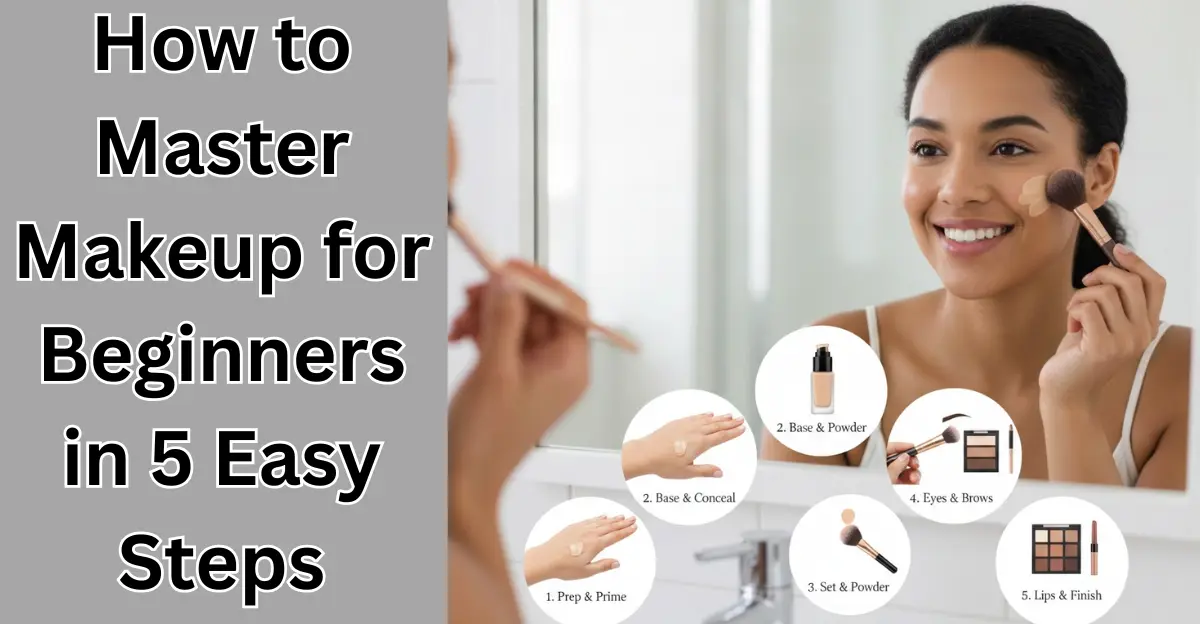
Mastering makeup as a beginner becomes easier when you follow simple steps that build confidence and create a smooth routine from start to finish. This guide helps you learn essential techniques that shape a flawless look in the right order so your results stay natural and long lasting. Keep reading, explore each step with focus, and start building a makeup routine that feels effortless and enjoyable.
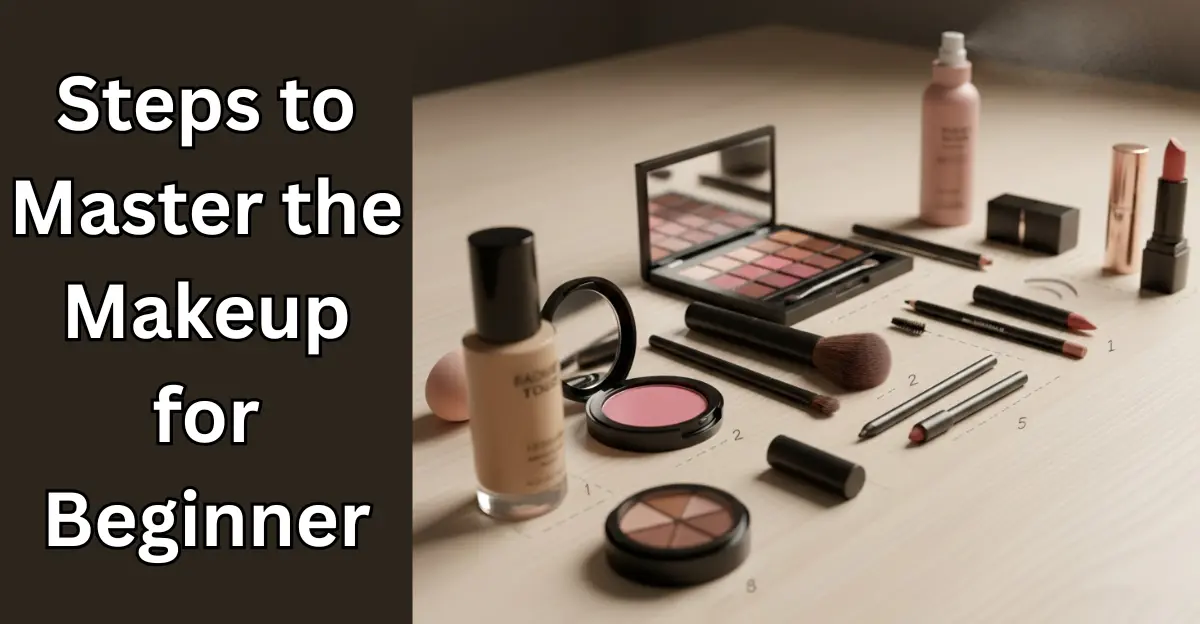
Table of Contents
Step 1: Prepping Your Skin for Makeup
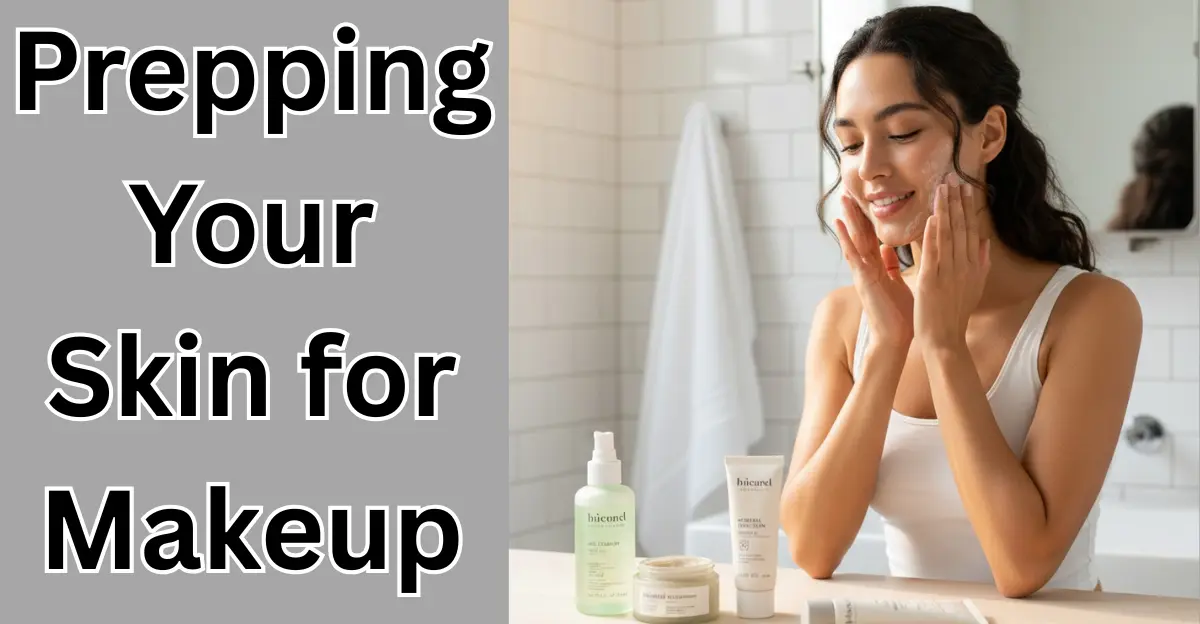
Preparing your skin properly before applying makeup is the true secret to a foundation that creates a flawless look. Paying attention to what goes underneath the products matters because a smoother, healthier canvas leads to a better final creation. Cleansing, moisturizing, and lightly priming your skin sets the stage for everything that follows and ensures your makeup sits all day perfectly.
From my personal experience, taking just a few extra minutes to prep the skin transformed the entire routine. I noticed the foundation blended effortlessly and the overall finish appeared more polished. Over time, consistent prep made the process feel natural and much more enjoyable.
Cleanse and moisturize for a smooth base:
A well-cleansed face is where every great makeup routine begins. Thoroughly cleansing your skin removes dirt, oil, and impurities that could interfere with application. Gently massage a cleanser onto damp skin using soft circular motions, then rinse with lukewarm water to refresh and prep your face.
Moisturizing is the next and crucial step you should never skip. The moisturizer is absolutely essential as it smoothes the skin surface, creating an even base for foundation and helping makeup stay longer without looking dry, cakey, or unnatural. Choosing the right moisturizer for your skin type makes a noticeable difference.
- For oily skin: use lightweight and oil-free formulations
- For dry skin: opt for richer and hydrating options
Allow the product to absorb for a minute, moving forward with patience as it pays off when makeup applies evenly and lasts all day.
From my personal experience, taking time to properly cleanse and moisturize transformed how foundation sat on my skin. It felt smoother, looked fresher, and stayed intact far longer than when I skipped these steps. Patience here truly makes a visible difference.
Importance of sunscreen in your routine
Sunscreen is an everyday and essential part of any makeup steps because skin benefits from regular, daily SPF to prevent developing issues like squamous cell carcinoma and reduce the percent risk of melanoma. It provides protection that can delay aging, minimize wrinkles and prevent age spots.
Always apply after moisturizer and before makeup. The FDA recommends waiting approximately 15–20 minutes before heading outdoors so products can provide adequate protection. Use a nickel-sized dollop for the face to ensure full coverage.
A crucial tip is reapplication: sunscreen must be continued and reapplied every two hours, which can feel challenging but ensures starting with the proper application truly protects your skin.
From my personal experience, incorporating sunscreen consistently transformed how my skin looked over time. Fine lines appeared softer and my skin maintained a more even tone. Making reapplication a habit kept the protective layer effective throughout the day.
When to use a primer and how to choose one
Using a primer as the final step in skin preparation before applying makeup acts as a bridge between skincare and makeup, ensuring the first step of application sets the tone for a flawless finish.
An ideal canvas helps foundation, concealer, and other makeup products smooth over the skin, keep everything in place, brighten, fade imperfections, address fine lines, target acne and lock in moisture.
Choosing the right primer depends on your skin concerns.
- For redness: color-correcting primers
- For fine lines: smoothing formulas
- For dry skin: hydrating options
- For oily skin: mattifying formulas
Wait a full minute to allow it to dry completely before foundation, which prevents pilling and patchiness. The combination of primer and foundation should complement each other to match, avoid thick, cakey-looking makeup, and eliminate patchy spots, while some experimentation helps achieve a truly flawless finish.
From my personal experience, taking the time to choose the right primer for my skin type dramatically improved how the foundation looked and lasted. The makeup appeared smoother and stayed fresh longer, making the entire routine feel more professional and polished.
Step 2: Creating a Flawless Base
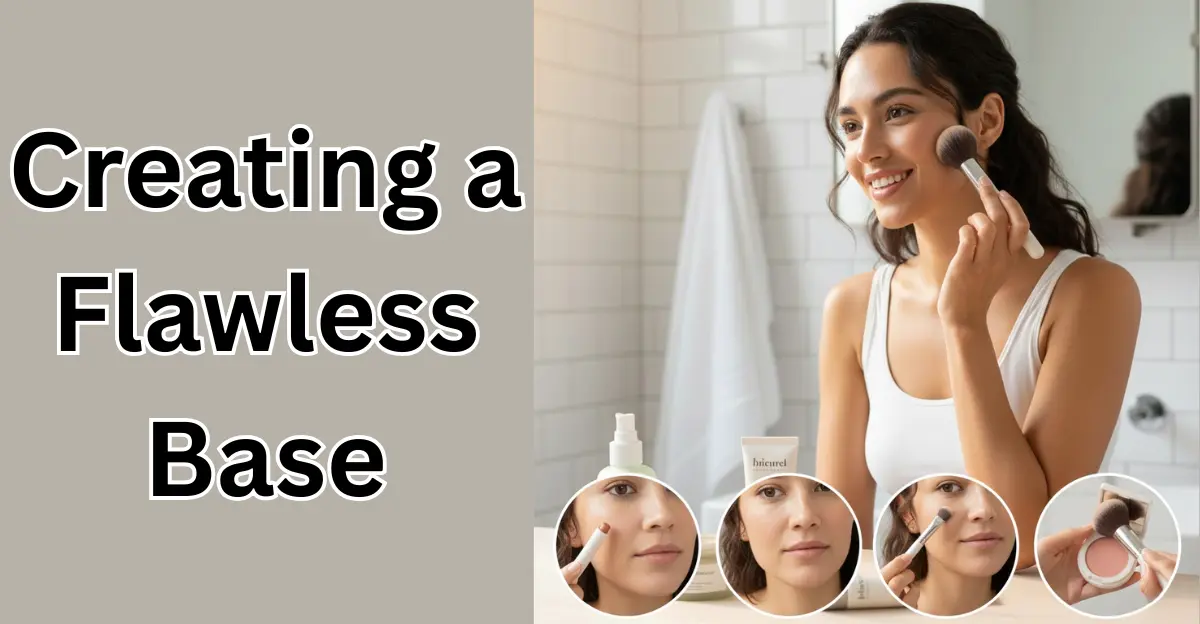
Once your skin is properly prepped, take the time to create a flawless base that will carry your entire makeup look. The foundation acts as the cornerstone of application, ensuring the right amount blends seamlessly so everything falls into place and provides a smooth canvas for the rest of your routine.
From my personal experience, focusing on building a solid base changed how the entire makeup appeared. Foundation applied more evenly, and the final look felt polished and stayed intact throughout the day without needing constant touch-ups.
Choosing the right foundation for your skin type
Finding the perfect foundation match starts with selecting a formula that suits your unique skin needs. For oily skin, oil-free, mattifying foundations help shine control and prevent clogged pores, with powder or liquid-to-powder formulations that absorb excess oil throughout the day.
Dry skin benefits from hydrating, moisture-rich foundations in luminous, liquid, stick, or creamy consistencies that lock in hydration, evening out tone. Combination skin works best with balanced formulas that avoid drying or overly dewy results, addressing different parts of the face for optimal results.
Testing is crucial to match the jawline so the product disappears seamlessly while blending for even tone, ensuring it doesn’t mask your natural complexion.
From my personal experience, experimenting with different formulations for each skin type helped me discover which foundations provided lasting wear and a natural finish. Once the right match was found, the application became quicker and the overall look more polished.
How to apply foundation evenly
The foundation application technique can make or break a look, so it’s important to concentrate the product where it’s needed most, such as the center of the face, redness and other imperfections you want to appear evened out.
Start applying in small dots on the nose, forehead and chin, then blend outward for a natural finish while avoiding harsh line demarcation along the jawline. The golden rule of application is to stipple, paint, or tap with fingertips, a brush, or a sponge, never wiping or rubbing, which prevents streaking and ensures a seamless finish.
Using the warmth of fingertips helps skin and foundation melt together, while a full-coverage foundation can also be blended with a brush or damp beauty sponge for flawless, even results.
From my personal experience, starting with small dots and blending outward with fingertips or a sponge consistently gave my foundation a natural and smooth look. It prevented streaks and made the skin appear radiant and even.
Using concealer to brighten and correct
A concealer works best when applied over a foundation that is already in place. To apply it properly, avoid the risk of removing or messing with the base by using a light sweep, as recommended by experts.
Choosing the right shades of concealer involves matching your skin tone to cover blemishes and using lighter, brightening tones for the under-eye area. Apply in gentle, tapping motion with your finger or a small brush, focusing on dark circles, redness, and areas where visible foundation needs enhancement.
For maximum brightening effect, place small dots of lighter concealer on the eyes, center, nose, forehead and chin, then blend carefully into the surrounding skin without disturbing the foundation beneath.
From my personal experience, using small, precise dots and blending gently made the under-eye areas look fresh and natural while keeping the foundation intact. This approach brightened my features subtly without appearing heavy or cakey.
Setting your base with powder
The final step in creating a flawless base is setting with powder, which is crucial as it prevents foundation from rubbing, reduces shine, and increases longevity. During application, use a large, fluffy powder brush to apply a light coat across the face, paying special focus to the T-zone, which tends to get shinier throughout the day. Use a gentle press with the bristles followed by sweeping long, arching strokes for even coverage.
Apply a thin layer of setting powder first, and build only if needed to prevent a cakey, overdone look. This keeps dry skin looking luminous while setting powder maintains a natural finish, providing crucial staying power.
From my personal experience, taking the time to apply powder with a light hand transformed the base, keeping it fresh and polished all day. Even with long hours, the foundation stayed in place without losing its smooth finish.
Step 3: Adding Dimension to Your Face
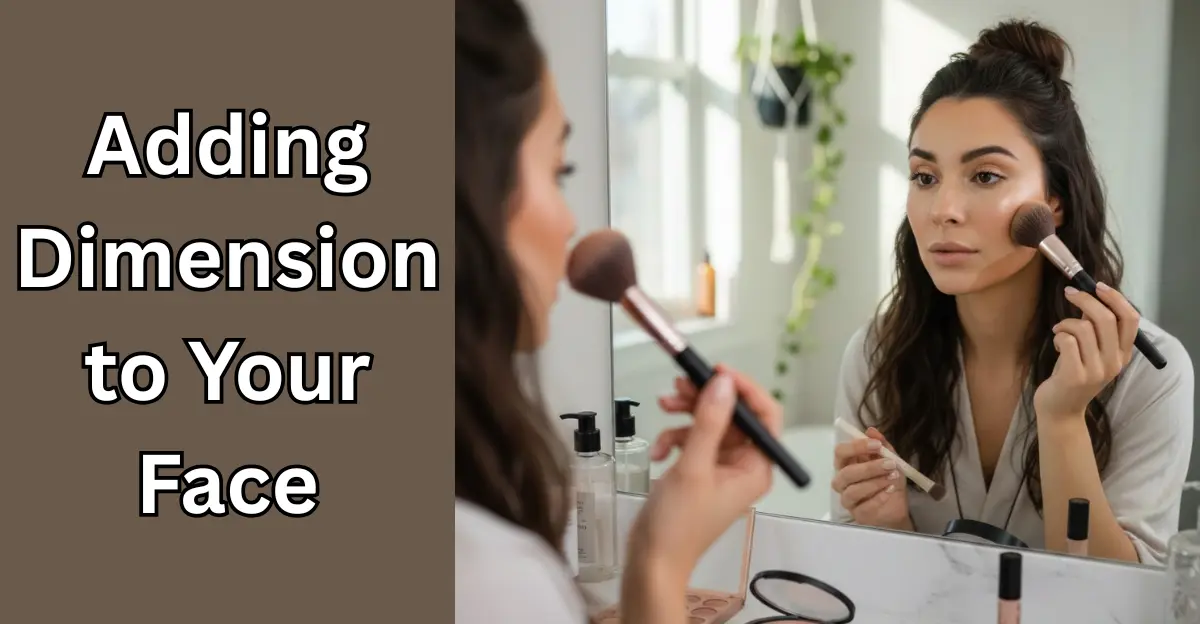
After perfecting your base, the next step is to sculpt and define your features by adding dimension to your face. This creates a professional-looking makeup effect that stands out and can jump off Instagram feeds. Following these essential steps has transformed my routine, making the overall look more polished and visually dynamic without feeling heavy or overdone.
From my personal experience, taking the time to subtly contour and highlight brought life to my face and enhanced natural angles. The process added depth that made every look appear more refined and structured, giving a satisfying professional finish.
Contouring basics for beginners
Contouring can feel intimidating at first, but it seems complex only until you understand how it creates shadows to sculpt your facial features. Highlighting brings certain areas forward, while beginner makeup lovers can start by learning where to contour using the right shade for their olive undertone or other orange tones to make believable shadows.
Focus on key areas for contouring: the sides of the forehead along the hairline, the hollows of the cheeks, and the jawline. A breakthrough approach is to start at the perimeter of the face and work inward, applying gently toward the center for a natural and structured effect.
From my personal experience, mastering basic contour placement made the face appear more lifted and defined. Applying gradually and blending well gave a realistic depth that enhanced features without looking artificial.
Where and how to apply bronzer
Bronzer differs from contour as it is designed to replicate a natural tan and create gentle shadows for a natural-looking application. The focus should be on the high planes of the face such as the cheekbones, forehead along the hairline and the bridge of the nose.
When applying, use a large, fluffy brush rather than a dense one. The technique works best with constant movement, using sweeping, circular motions to prevent stripe-y lines and create a cohesive look. Always apply lightly to the neck and ears for a balanced finish.
From my personal experience, using gentle circular strokes with a fluffy brush made bronzer appear soft and sun-kissed. Blending carefully across the face and neck produced a seamless glow that enhanced my natural features effortlessly.
Blush placement for a natural flush
The placement of blush can dramatically affect your overall look, making it one of my favorite steps in a makeup routine. Applying color on the side of the apple of the cheek and sweeping it upward toward the temple helps create a lifted and defined cheekbone, keeping the finish naturally sculpted.
For round faces, applying slightly higher on the cheeks adds a visually lifting effect, while on a square face, focusing on the apples of the cheeks can create the illusion of softer, rounded features. A simple rule for application is to let the color travel close to the nose, using the pupils as a subtle marker for balanced placement.
From my personal experience, adjusting blush according to face shape instantly enhanced natural radiance. This technique made the cheeks appear lively and sculpted without looking heavy or artificial.
Highlighting key areas for glow
Highlighting brings your makeup look to life by catching the light on the high points of the face, so it’s important to focus on the key areas. Apply highlighter to the tops of the cheekbones, blended along the temples, on the brow bone, beneath the eyebrows, down the bridge of the nose, on the cupid’s bow, and in the inner corners of the eyes.
Use less rather than more product to avoid an unflattering shine, letting the highlighter combined with natural skin oils, touch the strategic points for a coveted, lit glow within. This approach keeps the finish natural without looking overdone, giving skin a subtle radiance that enhances your features.
From my personal experience, applying highlighter sparingly and strategically made my skin appear fresh and luminous. The glow felt soft and natural, adding a touch of vitality without overwhelming the overall look.
Step 4: Enhancing Eyes and Brows
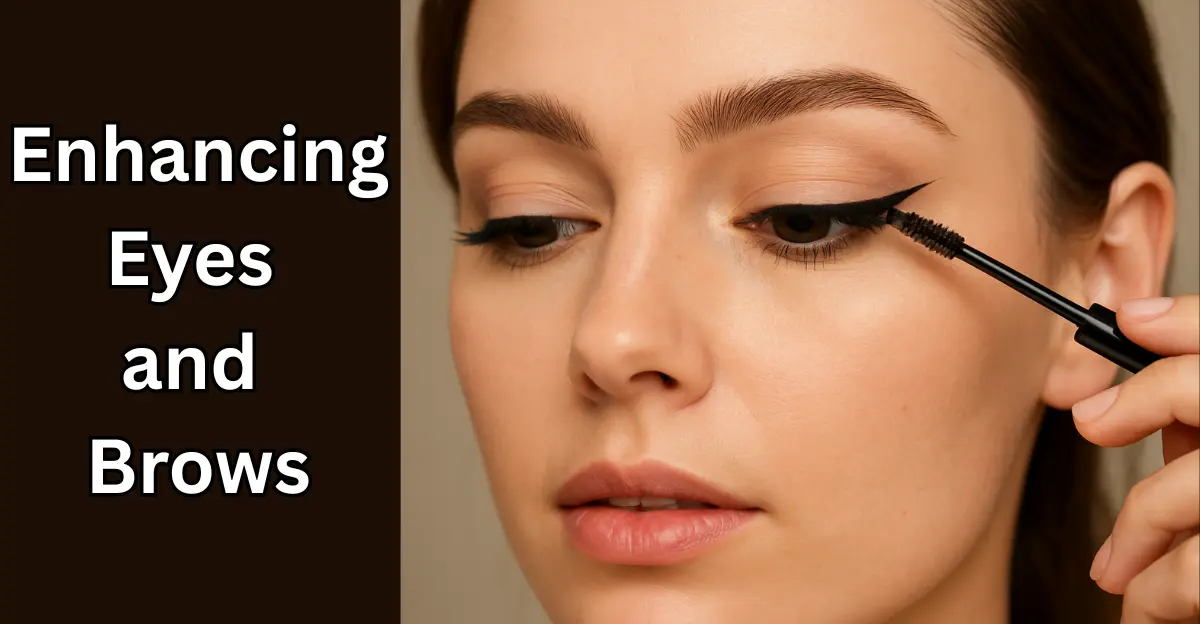
The eyes are often called the windows to the soul, making enhancing them one of my favorite makeup steps. I discovered that even the simplest eye makeup can dramatically transform your overall look when done correctly, emphasizing shape, depth and expression.
From my personal experience, taking time to define brows and subtly enhance the eyes made the entire face appear more awake and polished. Small adjustments here consistently elevate the makeup, giving a more refined and expressive finish.
Simple eyeshadow techniques for everyday looks
For everyday eyeshadow, keeping it simple often wows without feeling overwhelming. Start with a stick or powder in neutral shades, applied strategically. Use a light, matte shade across the lid up to the browbone as an even base that neutralizes any discoloration. Then add a slightly deeper tone in the crease for definition, blend thoroughly to soften any harsh edges. Simplicity is key; less is more, especially for daytime looks.
From my personal experience, focusing on neutral shades and careful blending made everyday eye looks appear polished yet effortless. The subtle definition enhances the eyes naturally without looking heavy or overdone.
How to apply eyeliner without smudging
A smudged eyeliner can ruin an otherwise perfect look, so choosing a long-wear, waterproof formula makes a noticeable difference. Proper application starts with prep: ensure lids are clean and lightly set powder is applied to absorb excess oils that can cause smudging. When drawing the line, use short, even strokes along the lash, then connect into a continuous stroke for a polished finish.
To maintain application throughout the day, set the eyeliner with a dusting of matching eyeshadow to create a protective barrier against humidity and oils. For oily skin, I recommend using oil-absorbing sheets periodically to prevent midday smudging and keep eyes looking sharp.
From my personal experience, prepping the lids and setting eyeliner with a light shadow consistently kept my lines crisp all day. This method prevented smudging even during long hours or humid conditions, giving a clean and defined eye look.
Mascara tips for longer lashes
Mascara tips can help achieve longer lashes with a natural curl and instant lifting effect that opens the eyes. Start by using the wand at the base of the lashes, wiggle it slightly while pulling upward, applying multiple coats from root to tip for maximum length and definition.
For dramatic lashes, focus on additional coats at the outer corners to create a beautiful, eye-enhancing effect. Hold the wand vertically while applying to lower lashes and avoid smudging, keeping the look clean and lifted.
From my personal experience, wiggling the wand at the base and layering coats gradually produced long, defined lashes without clumping. This technique consistently opened the eyes and enhanced every look naturally.
Filling and shaping your brows
Well-shaped brows frame the face and instantly elevate any look. Start by brushing upward with a spoolie to reveal the natural shape of the brow. Make sure the brow is aligned with the nostril, arch, and outer edge, using the iris as a guide, and mark where a pencil should be placed so it reaches the corner of the eye.
Filling in sparse areas with light, feathery strokes helps mimic natural hair growth in the direction upward at the front and outward toward the tail. Finish by setting with a clear brow gel to keep everything in place throughout the day.
From my personal experience, carefully following the natural brow shape and using light strokes created a polished but soft look. Setting with gel ensured the brows stayed tidy without feeling stiff or unnatural.
Step 5: Lips and the Final Touch
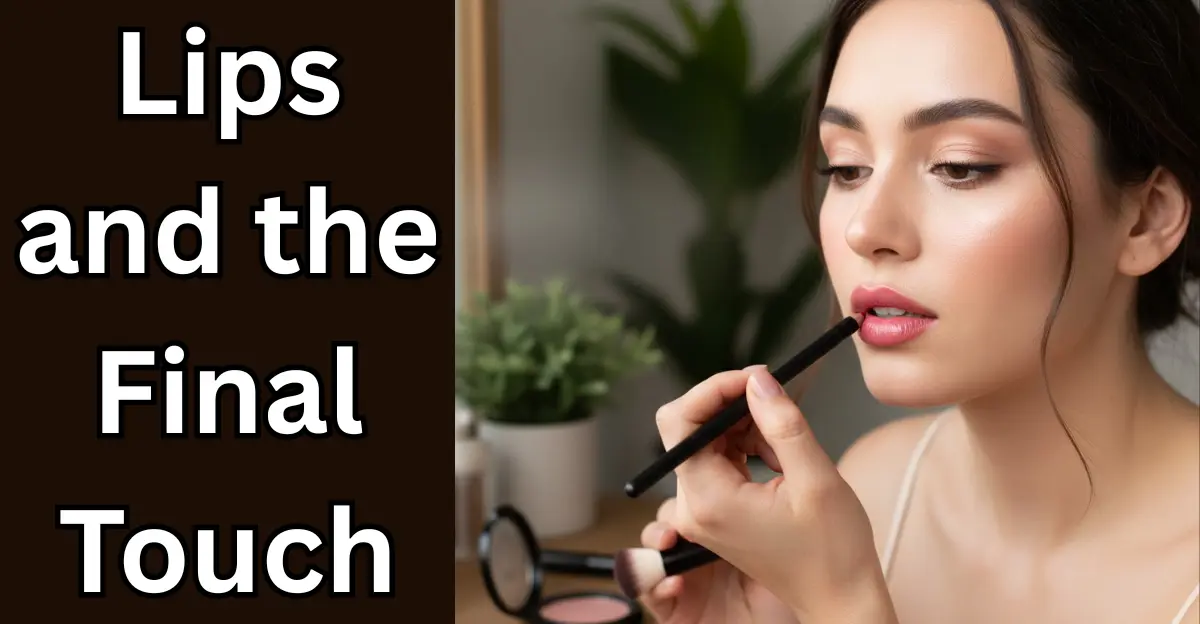
The final flourish of any makeup look often comes from perfecting the lips, ensuring setting keeps everything in place. Finishing touches can elevate the entire appearance when done correctly, adding a polished, complete effect that ties the whole routine together.
From my personal experience, carefully applying and setting lip color added a refined finish that made the overall look cohesive. Taking a moment for this final step made the makeup feel complete and truly professional.
Choosing the right lip color for your look
Selecting the perfect lip shade begins with understanding your skin undertones. Visible veins can help: green hints indicate warm undertones suited to golden, orange-based colors, while blue or purple tones point to cool undertones, pairing well with blue-based or purple-based shades. Those with neutral undertones enjoy flexibility in choosing colors.
Consider hair color and blue eyes to complement the look. Coral and peach tones enhance brown eyes, while deep reds and burgundies intensify the overall look. For nude lips, balance dramatic eye makeup, and with softer eye makeup, bolder lip colors create a striking contrast.
From my personal experience, matching lip color to undertones and eye makeup consistently elevated the entire look. The right shade made features pop naturally while keeping the overall makeup harmonious.
Using lip liner for definition
A lip liner prevents color bleeding and creates definition, helping lips appear fuller. For beginners, choosing a shade slightly darker than lipstick or matching your natural lip color is ideal.
During application, start at the tip by creating a small ‘x’ at the cupid’s bow for precision, then use short, light strokes along the lip line for a natural effect. Blend the edges inward with a finger using side-to-side motions and fill the entire lips with liner before applying lipstick to extend wear.
From my personal experience, using a precise liner and blending carefully made my lips look defined and polished while keeping lipstick in place all day. It added subtle fullness without appearing overdone.
Setting spray vs. setting powder: what to use and when
Setting powder and spray serve different purposes but can complement each other perfectly. Powder absorbs excess oil and sets liquid makeup products, especially focusing on the T-zone, while a spray forms a light film that locks the entire look in place for hours, helping products mesh seamlessly with the skin.
For maximum longevity, apply setting powder over foundation and concealer first, then finish with setting spray as the absolute final step. Oily skin types often benefit most from powder products, whereas dry skin may prefer a setting spray with hydrating properties to maintain a fresh and dewy finish.
From my personal experience, combining a thin layer of powder with a finishing spray made my makeup last all day without looking cakey. Adjusting the method to my skin type kept the finish natural and long-lasting.
Conclusion
Mastering makeup for beginners becomes simple when you follow the right steps and techniques. From prepping the skin to enhancing eyes, shaping brows, and perfecting lips, each step builds a flawless, confident look. Consistent practice and understanding your products can transform your routine into a seamless, enjoyable experience. With patience and attention to detail, anyone can achieve professional-looking results that highlight their natural beauty. Embrace these steps, and let your makeup reflect your unique style effortlessly.
FAQs
What are the 5 steps of makeup?
The 5 steps of makeup include prepping the skin, creating a flawless base with foundation and concealer, enhancing eyes and brows, adding dimension with blush, bronzer, and highlighter and finishing with lips and setting spray. Following these steps ensures a balanced and long-lasting makeup look. Each step builds on the previous one for a polished and professional result.
How to start makeup as a beginner?
Beginners should start makeup by prepping the skin, choosing a lightweight foundation, and learning basic eyeshadow, eyeliner and mascara techniques. Focus on one step at a time and practice blending and color matching for natural results. Using simple tools and neutral shades makes starting easier and builds confidence gradually.
How does Gen Z do makeup?
Gen Z makeup emphasizes natural, glowing skin, subtle contouring, and bold, creative eye or lip looks. They often use lightweight products, highlighters and multi-purpose formulas for fast, expressive application. The trend combines effortless techniques with personalized, Instagram-friendly finishes for a youthful and modern style.
Please Write Your Comments