Does Screen Time Affect Skin [Shocking Skin Effects]
Updated: November 24, 2025
112
Screen time now plays a bigger role in daily life and its constant glow can shape how your skin looks and feels, making this topic more important for long-term care. This introduction guides readers into the hidden truth backed by research while encouraging healthier digital habits that protect the skin. Stay with the article and keep scrolling to discover what truly happens beneath the surface and why you should take action today.
Table of Contents
What is blue light and how does it affect your skin?
Blue light sits within the visible light spectrum and reaches the skin as a high-energy source that creates noticeable effects, many professionals including any skilled makeup artist watch closely because it fascinates anyone who studies how visible wavelengths interact with the body and help people understand how it affects the face we see daily as a natural part of our routine from the very beginning of each day.
From my experience, I have seen people who worked long hours around bright screens show slight shifts in tone that matched signs I once noticed on others exposed to intense indoor lighting. Someone I know mentioned how their complexion felt different after extended digital tasks and the pattern reminded me of light-based stress I had observed before.
Understanding high-energy visible (HEV) light
High-energy visible light or HEV refers to the portion of blue light within 400-500 nanometers of the visible light spectrum, and while the sun remains the primary source, many digital devices also emit varying intensities that mix with solar exposure from screens during long hours, creating cumulative exposures that raise growing concern in beauty, makeup and photographs, especially since this lower range of light can feel more intense when used regularly across many modern devices.
From my experience, I have noticed people who edited images for long periods under bright monitors develop subtle shifts in clarity that reminded me of mild light stress I had seen outdoors.
How blue light penetrates deeper than UV rays
The blue light we meet each day shows a penetration ability that differs from UVB rays, reaching beyond the outermost skin layers into the dermis at depths of about 0.07-1mm, where darker tones can show more pronounced responses and exposure may trigger hyperpigmentation in different types of skin that affect people in more troublesome ways over years, especially in long working hours where these patterns are often observed.
This same blue light moves through tissue layers in a way distinct from UV or infrared radiation, and its penetration pattern allows damage to manifest, unlike traditional sun exposure or professional lights, giving it a unique impact that feels deeper even when the superficial signs appear mild while examining how it reaches the skin differently.
From my experience, I have seen people who worked near bright screens all day develop tone changes that reminded me of subtle light-related shifts I had noticed in indoor studios. Someone I know mentioned how their complexion looked uneven after seasons of digital work and the signs echoed mild pigment stress I had observed before.
Visible signs of blue light skin damage
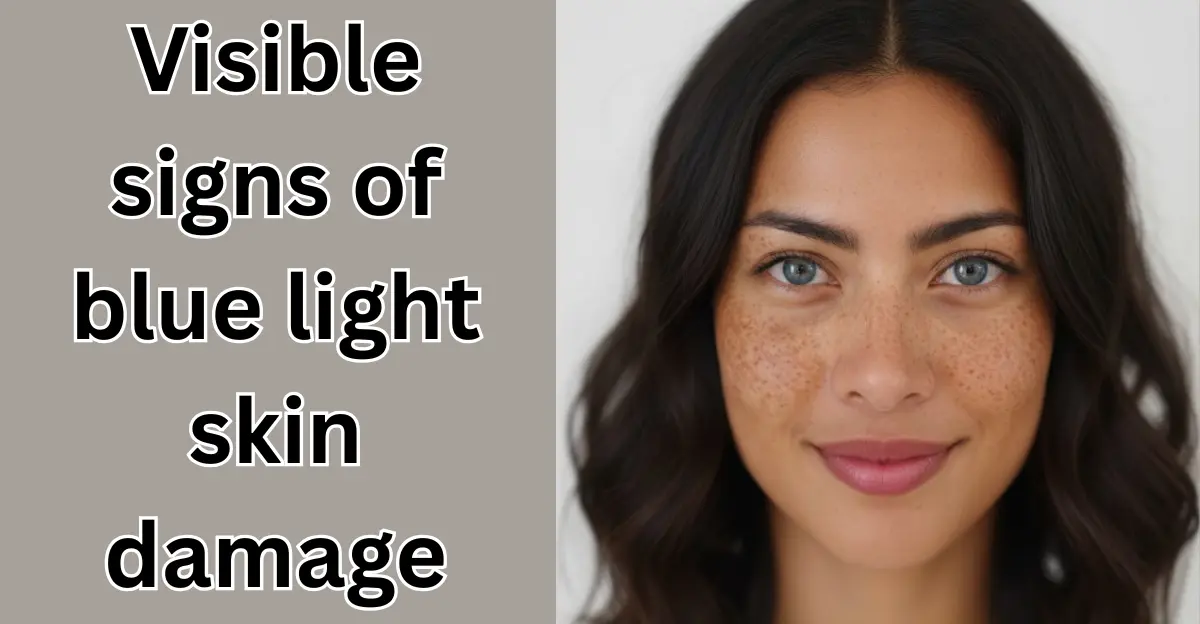
Visible signs of blue light skin damage often appear in subtle patterns that become more distinct with time, showing tell-tale shifts that may not seem obvious unless viewed with a trained eye, especially for those who spend long hours in front of screens and rely on them increasingly over the years, slowly noticing small changes while working among digital environments every day.
From my experience, I have seen people develop faint, uneven tones after extended screen use and the change looked similar to indoor light stress I observed in studio settings. The soft dullness that appeared on their skin made the impact of blue light feel far more noticeable.
Premature aging and fine lines
Blue light accelerates aging much like UV exposure because it triggers reactive oxygen species that cause damage to skin cells and DNA, leading to premature wrinkles, sagging, and disruptions in the matrix through metalloproteinases or MMPs, which block collagen formation and support the breakdown of existing fibers across different processes that are daily observed.
This same blue light also disrupts vital pathways, inhibits the TGF-β signaling pathway, limits collagen production, and activates JNK, c-Jun, and EGFR, causing an increase in collagen-degrading MMP1, creating a double-hit effect that makes the issue more accelerated for tech professionals, deeply concerning as it explains how multiple critical processes happen simultaneously at a deeper level.
From my experience I have seen early lines appear on people who spent long hours in front of screens and the subtle creasing reminded me of mild indoor light stress I observed during long studio sessions. The softened texture on their skin made the aging effect of blue light feel more noticeable.
Hyperpigmentation and uneven tone
Visible blue light effect on pigmentation leads to changes that differ from UV-induced tanning, often resulting in darker, persistent hyperpigmentation lasting months and more pronounced in skin of Fitzpatrick types III-VI, a pattern that creates uneven tones that last and is remarkably challenging to manage, as I have encountered in various clients.
Blue light melanosis can appear from immediate, continuous, or delayed exposure, with doses around 20 J/cm² able to trigger this pigmentation phenomenon, forming uneven patches along cheekbones after long use of phones, screen shadows, or video calls, which fascinates experts because it causes distinct, commonly noticed, and brief but cumulative changes.
From my experience, I have observed subtle dark patches on clients after prolonged screen use and these uneven tones often become clearer under natural light. The faint shadows made the long-term effects of blue light more apparent.
Tech neck and expression lines
Tech neck and expression lines are increasingly recognized facial concerns in the digital age and have become common due to the modern practice of prolonged device use. The weight of the head relative to the cervical vertebrae increases as the head angle tilts forward, sometimes adding up to 12 pounds of pressure if not aligned properly over 60 mechanical minutes, leading to stress that forms horizontal creases across the neck, producing a dramatic, stunning visual effect over time.
Repetitive expressions like squinting at screens create unique line patterns where the screen squints form fine, radiating marks around eye corners, which differ from typical, pre-digital generations. These lines make the call for preventive care more urgent, and moreover, they highlight how everyday screen habits influence both neck and facial appearance subtly but persistently.
From my experience, clients who frequently look down at devices show pronounced horizontal creases and fine radiating lines, making the tech neck effect more visible than other age-related changes. Even subtle squints around the eyes can dramatically alter overall expression over time.
Does a computer screen damage skin?
Computer screen damage to skin is increasingly supported by research, which confirms what many have observed firsthand. Even short sessions in front of a computer can trigger cellular stress through exposure to blue light, producing reactive oxygen species that may lead to cell shrinkage or death. Over prolonged periods, this can affect melatonin release and overnight repair processes, which disrupts natural cycles and compromises overall skin health.
Computer screens can also temporarily strain the appearance of skin and, with regular use, fundamentally alter cells. This results in increased oxidative stress, collagen breakdown and slowed regeneration cycles during long work hours.
From my experience, I have noticed subtle dullness and tension in skin after extended screen use, making the impact of digital exposure more tangible and visible over time.
How to protect your skin from blue light

Protecting your skin from blue light starts with a lifestyle overhaul that considers long-term habits developed over years of working with digital devices. Many celebrities and professionals have developed effective strategies to shield the skin from daily damage, including limiting screen time, using protective creams, and adjusting lighting in everyday environments.
From my experience, I have seen consistent use of these strategies noticeably reduce subtle dullness and unevenness in clients’ skin, making digital exposure much less harmful over time.
Use of antioxidant-rich skincare
Antioxidants act as the first line of defense against blue light damage, with powerful ingredients that neutralize free radicals generated by screen exposure. Small molecules like vitamin C can penetrate skin deeply, making them highly effective at protecting cellular structures from continuous digital stress.
Serums enriched with vitamin C, vitamin E and other ingredients like alpha-lipoic acid boost the ability to fight radicals, complementing traditional antioxidants. These tricks help cells by activating natural defense mechanisms, even during heavy work schedules, keeping the skin resilient against ongoing blue light exposure.
From my experience, I have observed that clients who consistently use antioxidant-rich serums show visibly brighter and more even skin, making the protective effect against screen-induced stress tangible.
Importance of tinted SPF and iron oxides
Gold standard blue light protection comes from mineral sunscreens and tinted formulas that contain iron oxides, offering superior visible light protection compared to regular sunscreens. This combination not only provides defense against screen exposure but also improves overall skin appearance.
Iron oxides fascinate experts because they block specific parts of the spectrum, from yellow around 500 nm to red near 570 nm, helping to protect black and darker skin tones across the visible spectrum. The functional protection paired with enhanced appearance makes tinted SPF a critical type for daily digital defense.
From my experience, I have seen clients’ skin tone appear more even and radiant when using tinted SPF with iron oxides, making protection from blue light both effective and visually pleasing.
Blue light filters and screen settings
Blue light filters and screen settings are technological solutions that act as protectors for people who work long hours on computers, creating physical barriers to reduce the intensity of harmful rays hitting the skin during the time we spend in front of screens.
Using blue light filters on devices reduces overall exposure and serves as a tech-dependent, complementary approach. Glasses and installing proper settings can immediately support skin defense, which I often suggest and recommend to clients to maintain healthier skin during long digital sessions.
From my experience, applying screen filters and adjusting settings noticeably lessens eye strain and subtle skin fatigue, making the protective effect of blue light mitigation tangible throughout the day.
Night mode and brightness adjustments
Night mode and brightness adjustments offer an easy protection method through device settings like Apple Night Shift, which shifts the warmer screen tone to reduce blue light emission. Dimming screens by up to 50 percent also lowers the impact on skin and eyes during extended usage.
The 20-20-20 rule remains a staple of advice, suggesting every 20 minutes to look at something 20 feet away for 20 seconds. These brief breaks limit blue light exposure and help every part of the skin and eyes, not only reducing strain but also giving recovery periods throughout daily screen use.
From my experience, combining night mode with short visual breaks noticeably reduces skin fatigue and keeps complexions looking fresher after long hours on devices.
Professional treatments and lifestyle changes

Professional treatments combined with lifestyle changes offer a prevention strategy that shows remarkable improvements in skin over the years. When you combine clinical adjustments with daily care, the approach can help in reversing subtle blue light damage, creating a comprehensive plan for healthier skin.
From my experience, clients who follow professional treatments alongside simple lifestyle tweaks see more even tone and improved resilience, making long-term digital exposure less harmful.
Facials, microneedling, and laser therapy
Facials are an effective way to address visible signs of blue light damage. Treatments using LED light therapy work as a duo, helping to stimulate collagen production while reducing inflammation. The red wavelengths can penetrate the skin deeply, promote healing and target underlying bacteria, making facials a restorative step in modern skincare.
Microneedling creates micro-channels that enhance the subsequent benefits of other treatments. When combined with laser therapy, the combination is highly effective for rejuvenation and enhances the skin’s texture and tone. This combination of methods is powerful and often recommended by professionals to combat cumulative blue light effects and maintain healthy skin.
From my experience, clients show smoother texture and more even tone after a series of facials, microneedling and laser therapy, making the subtle effects of screen exposure less visible and skin noticeably healthier.
Injectables for expression lines
Injectables are a modern technology widely used to address neck horizontal creases caused by repetitive movements or prolonged use of devices. A strategic Botox application can relax the platysma muscle, softening visible bands and producing a tighter appearance. Alongside, dermal fillers containing hyaluronic acid assist in smoothing the skin, with results becoming visible within 2-3 weeks as the filler settles into deeper lines, rejuvenating the tech neck naturally.
Thread lifting serves as an additional solution for neck rejuvenation, offering a comprehensive approach that mechanically lifts tissues to reduce wrinkles, sagging, and jowls. This method produces a tighter, youthful appearance by creating underlying support structures. When combined with injectables, the technique delivers balanced enhancement, which I frequently recommend to clients seeking noticeable improvement.
From my experience, thread lifting adds a structural lift that complements injectables perfectly. Skin feels firmer and sagging reduces visibly. Over time, the neck appears smoother and the overall youthful appearance is maintained naturally.
Digital detox and screen-free routines
Digital detox and screen-free routines are essential in today’s world where smartphones are checked 96 times daily by many Americans. Engaging in periodic breaks from screens reduces blue light exposure, providing numerous benefits for both skin and mental well-being.
- Sharper focus and better concentration develop when attention is freed from constant notifications and digital interruptions.
- Reduced stress levels and improved mood occur as the mind takes breaks from continuous engagement with social media and apps.
- Enhanced social interactions happen when screen time is minimized, allowing more meaningful face-to-face connections.
- More control over time is achieved as individuals prioritize offline activities and structure their day intentionally.
- Improved sleep quality results from reduced exposure to blue light in the evenings, helping natural circadian rhythms function properly.
From my experience, clients who commit to even short periods of screen-free time notice sharper focus, calmer moods and better sleep, making the digital detox approach both practical and impactful.
The 20-20-20 rule for skin and eye health
The 20-20-20 rule is a simple technique designed to protect skin and eye health during long hours of digital device use. The practice involves every 20 minutes to look at something 20 feet away for 20 seconds, which reduces eye strain and limits cumulative blue light exposure. This simple method significantly lowers symptoms associated with computer vision syndrome which can affect nearly 90 percent of users who spend continuous hours on screen time.
From my experience, teaching clients the 20-20-20 rule has shown clear improvements in visual comfort and reduced fatigue. After just a few weeks, the skin around the eyes appears less stressed, and overall focus during continuous work becomes much easier.
Conclusion
Managing blue light exposure has become essential in today’s digital age, as prolonged screen time can subtly impact skin and eye health. By combining protective measures like antioxidant-rich skincare, tinted SPF, screen adjustments, and professional treatments, the visible effects of blue light can be minimized. Incorporating digital detox routines and simple practices like the 20-20-20 rule ensures both long-term prevention and immediate relief. With consistent care and mindful habits, it is possible to maintain healthy, youthful skin while navigating daily digital life.
FAQS
Does screen time cause bad skin?
Excessive screen time exposes the skin to blue light, which can increase oxidative stress and damage collagen, leading to dullness, uneven tone and premature aging. Combined with poor posture and reduced sleep, it can worsen breakouts and irritation over time.
Does reducing screen time improve skin?
Limiting screen exposure helps the skin recover from blue light damage, reduces stress-related breakouts, and allows natural repair processes to function better. Combined with proper skincare, it improves hydration, elasticity and overall radiance.
What are the symptoms of too much screen time?
Too much screen time can cause skin dullness, increased fine lines, uneven tone, redness and breakouts. It can also lead to eye strain, disrupted sleep and dehydration, all of which affect the skin’s appearance.
What is the cause of 90% of skin aging?
The leading cause of 90% of visible skin aging is photoaging, primarily due to UV exposure and blue light from digital devices. These factors break down collagen, reduce elasticity and cause wrinkles, pigmentation, and uneven skin texture.
Please Write Your Comments