Low Fade vs Mid Fade vs High Fade
Updated: February 12, 2026
38
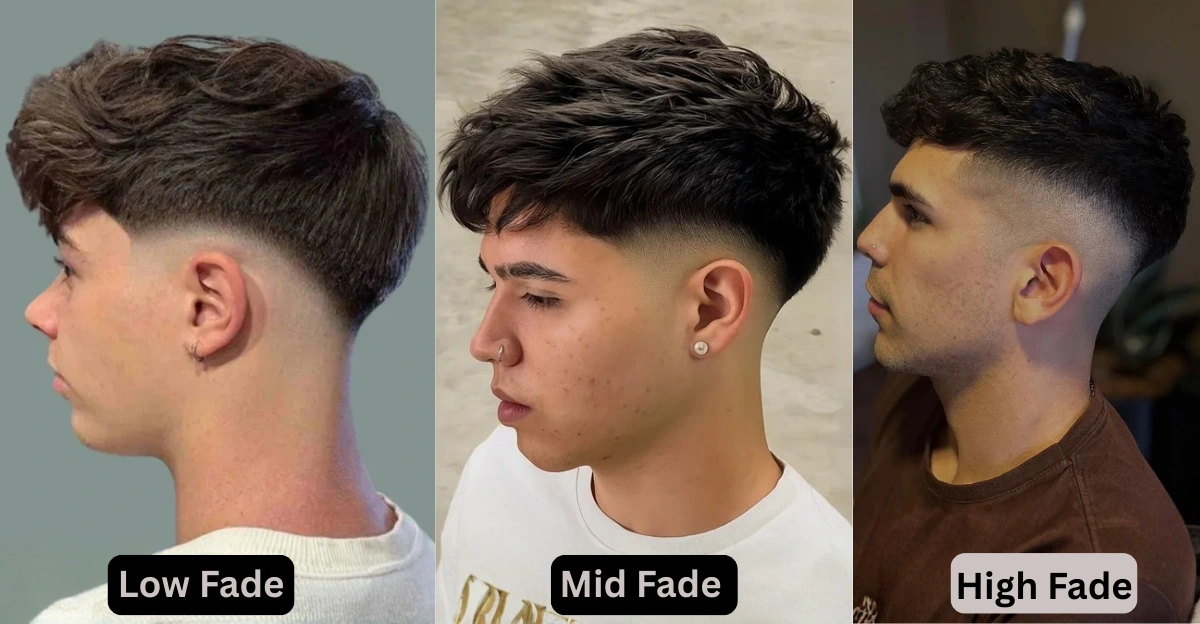
Low Fade vs Mid Fade vs High Fade is one of the most searched men’s haircut comparisons, helping you understand how fade placement changes blend, contrast and overall style. Each level shapes the sides and back differently, creating a distinct look that suits different face shapes and lifestyles. Explore the key differences below and choose the fade that best defines your personal style today.
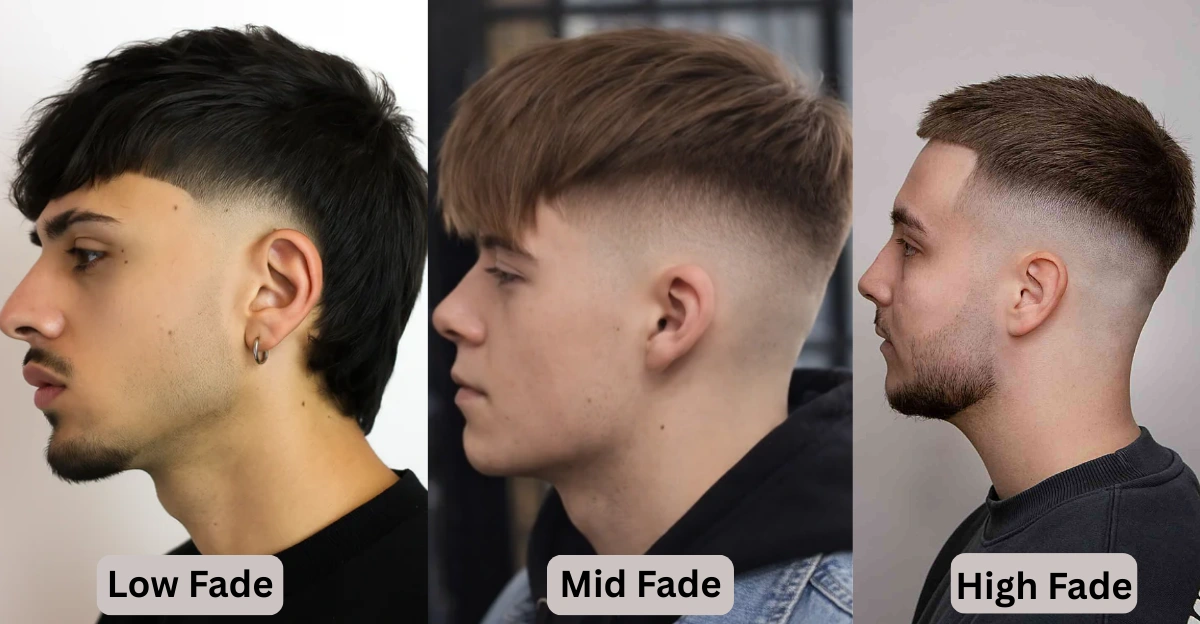
Table of Contents
What Is A Low Fade?
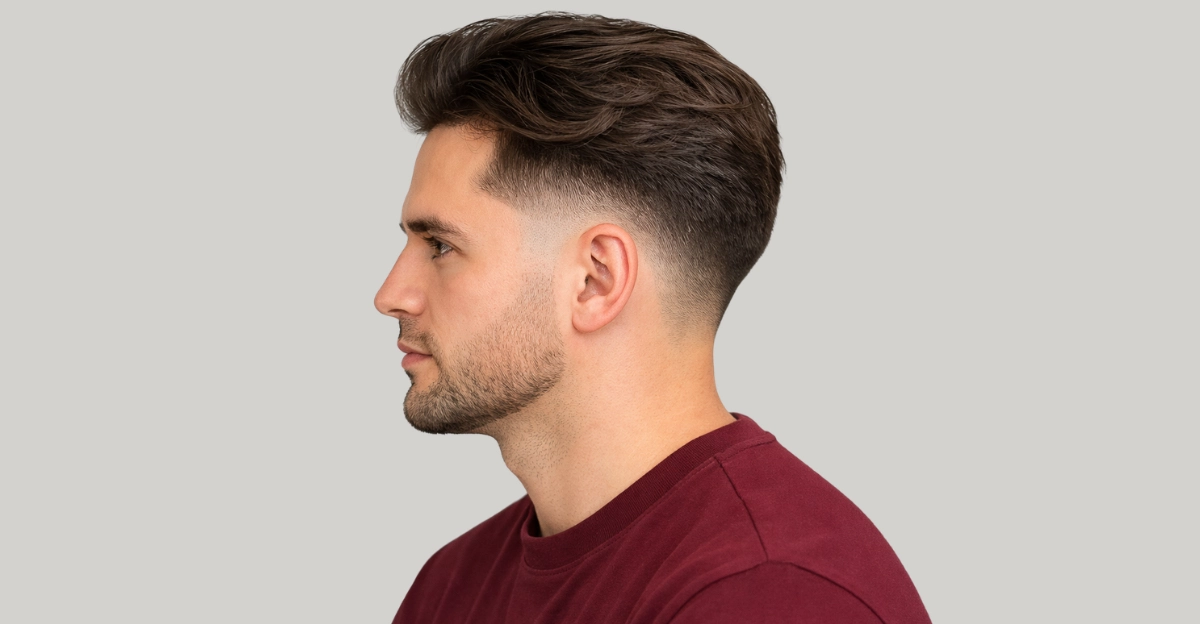
A low fade haircut is a classy style known for smooth transitions from longer hair to tight edges near the neckline. It creates an understated, conservative, and professional look many men prefer. The shape is low-maintenance because it gently tapers the sides and back, forming soft contrast without harsh lines. That balance keeps it among the most popular modern hairstyles, giving a polished, clean-cut finish that feels neat but natural.
A skilled barber shapes hair using a trimmer, clippers, and various guards to guide the shorter lengths. A shaver may refine the edge to blend smoothly into the skin for a seamless result.
From my experience, this cut works best for people who want structure without sharp drama. I have shaped many versions, and precision near the lower fade line always defines the final result. Clients often keep it long term because it stays tidy with minimal effort. It consistently delivers balance, comfort and confidence.
Defining Characteristics of A Low Fade
Take a quick look at the key traits that shape this style before choosing your next cut.
- A low fade begins near the ear, creating a subtle starting point.
- The low cut builds gentle contrast with a modern, sophisticated, and professional look.
- A gradual, soft transition keeps the blend smooth and natural.
- The low fade can drop, burst or temp in style, shaped to tailor personal preference.
- Favored by business professionals and clean-cut guys who want a refined finish.
From my experience, the starting point near the ear always defines how balanced the fade feels. I have shaped many variations, and small adjustments in the blend change the entire impression. Most clients who want a neat everyday look stay loyal to this structure. Precision and restraint make the style truly stand out.
What Is A Mid Fade?
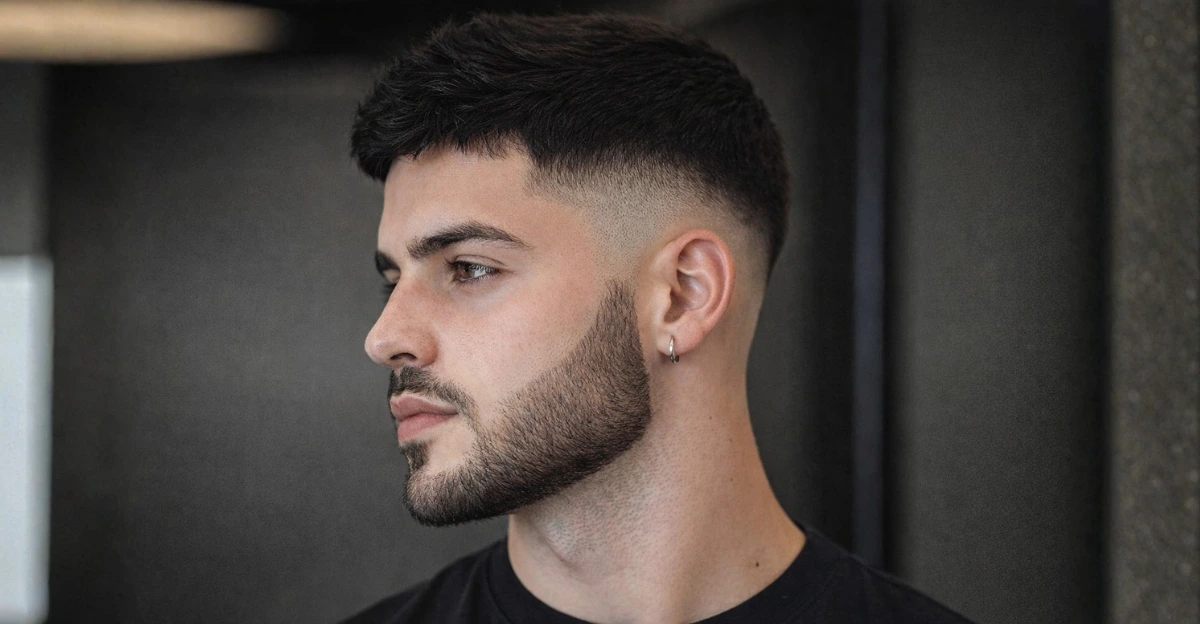
A mid fade haircut sits at a balanced point, with fading starting around the temples and shaping the sides of the head with just the right level of boldness and class many men appreciate. It offers a slightly more daring style than a low, yet softer than a high, making it easy to wear in business, professional, or casual settings.
A skilled barber uses clippers to guide the transition through a medium fade, moving neatly toward the skin or scalp. The result feels trendy, carries a contemporary vibe, and creates clean contrast that looks sleek and fresh as a modern hairstyle.
From my experience, this level hits the sweet spot for most clients. I often recommend it to those unsure between subtle and sharp. The balance always photographs well and grows out neatly. It consistently delivers structure without feeling extreme.
Defining Characteristics of A Mid Fade
Take a moment to explore the defining elements that shape this balanced fade.
- A mid fade shapes the temples, brow, and ears around the head.
- A medium cut creates contrast with a ruggedly, attractive, and stylish edge that holds timeless charm.
- A more aggressive transition defines the blend.
- The mid fade can drop, burst, or temp the cut, adding a bold, fresh dimension.
- Suits business, professional, and gentleman looks, while young, trendy guys wear it confidently.
From my experience, the temple area always controls how sharp the fade feels overall. I have seen small shifts in height completely change the personality of the cut. Many clients choose it for its strong presence without losing refinement. It consistently delivers structure that feels both modern and timeless.
What Is A High Fade?
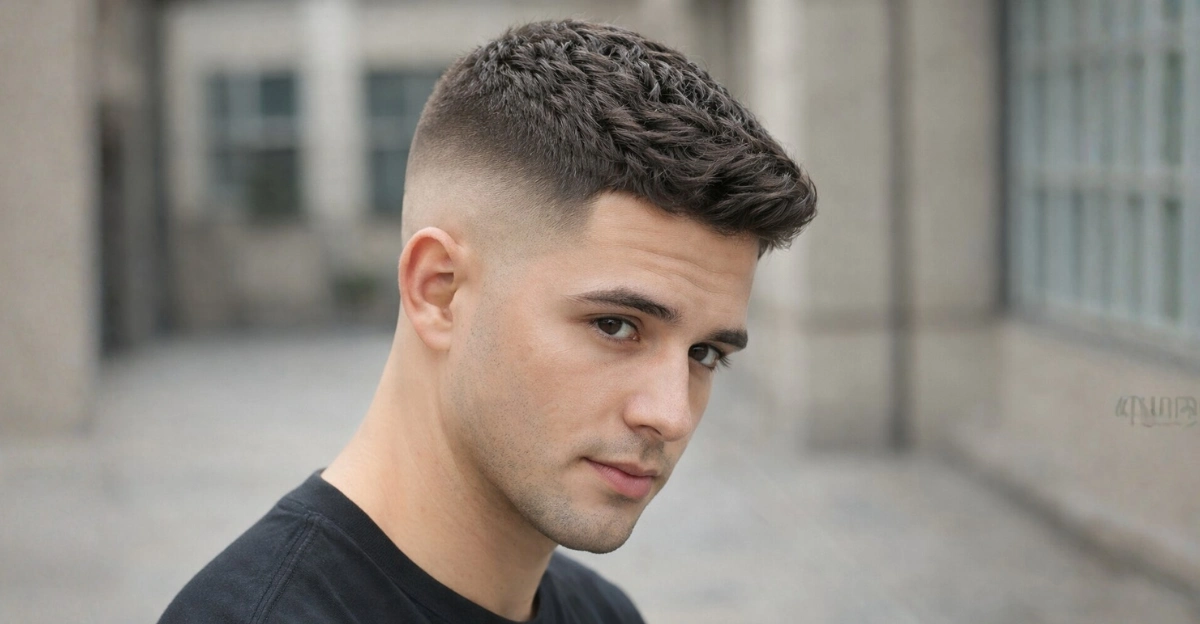
A high fade haircut is an edgy, modern choice where the blend starts near the temples and lifts the sides and back much shorter for a more dramatic contrast against longer hair on the top. The result feels sleek and fresh, giving every cut a bold statement that looks even trendier than low or mid levels, with sharp high-cut transitions that move quickly into tight tapers or clean skin.
This design naturally draws attention, relying on precision from skilled clippers and an experienced barber to shape the taper and overall appearance. The striking structure creates a youthful aesthetic that fits current haircut trends, working especially well with textured styles like a crew cut, tight comb over, lifted quiff, classic pompadour, slick back, sharp mohawk or shaped afro, all framed by a clean high fade that defines the entire hair profile.
From my experience, this height instantly sharpens facial features and changes how confident someone carries themselves. I rely heavily on control and steady clipper work because even small mistakes show clearly. Clients who want energy and presence almost always choose this level. It consistently delivers impact the moment they see the mirror.
Defining Characteristics of A High Fade
Explore the standout traits that give this fade its strong personality.
- A high fade lifts toward the top of the head and graduates shorter, creating an edgy vibe.
- A higher-faded cut builds strong contrast with short men’s haircuts, shaping sharp sides and back.
- A more aggressive transition increases skin exposure.
- The high fade may burst, drop, or temp the style, staying trendy, customizes shape, and adds a playful element.
- Often linked with a rebellious, trendy, young man’s image.
From my experience, the higher graduation rate always makes the strongest visual impact. I have noticed clients instantly stand taller when they see the sharper outline. Precision around skin exposure demands steady control every time. It is the fade most chosen by those who want real presence.
Low Fade vs Mid Fade vs High Fade
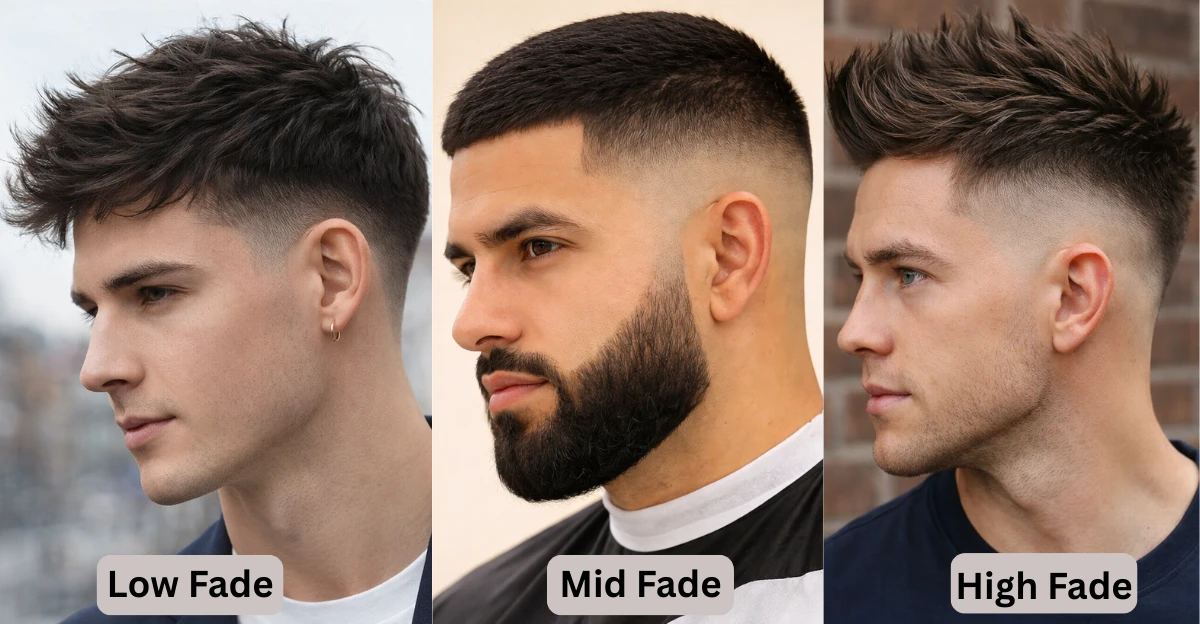
A low, mid, and high fade differ mainly in how the blending moves across the haircut, shaping the sides of the head with different levels of shortness and contrast. The low keeps styling more subtle in overall appearance, while the high sits closer to the top with a faster transition that feels sharper. The mid stays balanced, often forming a smooth taper around the temples, giving a clean middle ground between soft and strong. These variations create a clearly faded hairstyle, and each look changes how bold or refined the finish appears.
From my experience, placement alone can completely shift how structured the haircut feels. I often guide clients by face shape before choosing the fade level. Small changes in transition height always redefine balance and sharpness. Precision in blending is what truly separates an average cut from a refined result.
Different Types of Fade Haircuts
Fade haircuts come in many types, each stylish and modern for men, adding dimension around the sides and back to shape a distinct style.
Skin Fade:
A skin fade cut blends the hair into the bottom for a sharp look across the sides and back.
Drop Fade:
A drop fade cut curves along the back of the head, moving away from a straight line for a unique finish.
Burst Fade:
A burst fade variation forms curves around the ear in a semi-circular cut, shaping the sides and back, often paired with mullet or mohawk styles.
Temp Fade:
A temp fade haircut focuses on tapering the hair at the temples, smoothly blending the sides, ears, and back while keeping the top longer.
Undercut Fade:
An undercut fade haircut keeps the cut tight on the sides, building strong contrast while transitioning into hair on the top.
Conclusion
Choosing between a low, mid or high fade comes down to how much contrast and visibility you want in your overall look. Each fade level shapes the sides and back differently, influencing balance, sharpness and everyday styling. Understanding their placement, transition and personality helps you match the cut to your lifestyle and face shape. With the right barber and clear preference, any fade can be tailored to feel natural, confident and distinctly your own.
FAQs
1. Which fade haircut is best for a professional look, low, mid or high?
A low fade is usually best for professional settings because it looks subtle, clean, and conservative. A mid fade also works well if you want a balanced and modern appearance. High fades can look sharp and stylish but may feel too bold for strict workplaces.
2. How do I choose between a low fade, mid fade, and high fade for my face shape?
Face shape plays a big role in fade placement. Low fades suit longer or narrow faces by keeping volume balanced. Mid fades work for most face shapes because they sit evenly. High fades highlight facial structure and suit round or fuller faces by adding definition.
3. How often should you maintain a fade haircut to keep it looking fresh?
Most fade haircuts need a touch up every 2 to 3 weeks to keep the blend clean and sharp. Low fades grow out more naturally, so they may last slightly longer. Mid and high fades show growth faster, so regular trims help maintain their crisp look.
Please Write Your Comments