Bath Tips for Glowing Skin: Expert Ritual Guide (2026)
Updated: November 17, 2025
134

A consistent bath routine can completely transform your skin, giving it a healthy and lasting glow. This expert ritual guide reveals the best bath tips to keep your body nourished, refreshed and radiant year-round. Keep reading to discover how a simple daily bathing ritual can enhance your skin’s glow and elevate your self-care experience today.

Table of Contents
Set the Mood: Preparing for Your Bath Ritual

The preparation stage is where a transformative bath begins. Setting the right atmosphere turns an ordinary soak into a skin-enhancing ritual that feels professional and purposeful. When each routine follows steps perfected over the years, it works wonders in helping you achieve that coveted natural glow.
From my experience, taking a few moments to prepare my bath space made every soak feel more luxurious. When I dimmed the lights and added calming scents, it felt like entering a spa. That small effort always helped my skin absorb nourishment more effectively and left me with a naturally glowing complexion afterward.
Remove makeup and tie your hair
Before taking a bath, it’s essential to prepare your skin and hair properly. Begin by removing makeup completely to clear away all traces that can cause pore clogging. Warm water helps heat and soften stubborn waterproof products, while gentle micellar water works wonders in lifting away residue without irritating the skin. This step allows your face to breathe and absorb moisture more effectively during bathing.
Next, gather your hair away from your face to prevent oils and products from transferring onto freshly cleansed skin. Keeping it tied in a bundle or knot on top of your head ensures a comfortable bathing experience. Also, remove any jewelry, including rings or bracelets, as they can be abrasive when cleansing. Once done, your skin is perfectly ready for skincare and applying products that deliver maximum benefits.
From my experience, taking time to remove my makeup before a bath made a noticeable difference in how fresh my skin felt afterward. I always tie my hair neatly on top of my head, and that simple habit prevents oil or product buildup. It’s a small step that keeps my skin clean and glowing after every soak.
Choose calming music or scents
Creating the right ambiance in your bathroom greatly impacts how well you unwind. When the space is transformed into a serene retreat by dimming lights and adding soft candlelight, every bath feels like a personal escape. Use unscented candles for subtle warmth or enhance the atmosphere with essential oils to make your bath more inviting and peaceful.
Through aromatherapy, a few drops of essential oil such as lavender can bring deep relaxation while rose or geranium adds a luxurious touch. Be cautious with strong aromas, as they might trigger a headache or create conflicting scents that disturb the mood. Pairing gentle background music or soft nature sounds helps melt away tension and quiet the mind after a long day.
From my experience, adding lavender oil and soft instrumental music completely changed my bath experience. The gentle scent and relaxing melody helped me release the day’s stress. It felt like stepping into a peaceful spa where both my body and mind could truly unwind.
Dry brushing before stepping in
Among the best bath tips for glowing skin, dry brushing stands out as an ancient technique known for its improved texture and radiant results. Using a natural bristle brush, start from your ankles and move upward with long fluid strokes toward the heart, then continue along the torso and back with gentle circular motions. This process helps boost circulation, smooth the surface and prepare the skin to absorb moisture more effectively during your bath.
Be careful around sensitive areas like the abdomen and neck, keeping the pressure light to avoid irritation. After a shower or bath, your exfoliated skin feels renewed as dead cells are brushed away. To prevent irritation, limit the practice to a few times weekly, especially if your skin is new to it. Always wash away loosened impurities immediately for a fresh and clean feel that helps lighten and brighten the skin naturally.
From my experience, dry brushing before a bath gave my skin an instant smoothness I hadn’t felt before. The gentle strokes improved circulation and I could see my skin glowing more evenly afterward. Doing it twice a week became my little ritual for softer and healthier-looking skin.
The Ideal Bath Routine Steps for Glowing Skin
Setting the mood is the first step in turning your bathing process into something more than a simple rinse. Treating it like both a career of self-care and an act of mindfulness helps you perfect the bath art and science together. When these steps come together as a harmonious ritual, they create balance and beauty, leading to that camera-ready glow many adore. Every moment, from preparation to finish, becomes part of a personal rhythm that refreshes the body and calms the mind, allowing your skin to reflect true inner radiance.
From my experience, following a consistent bath routine changed how my skin looked and felt. Paying attention to each step, from setting the mood to moisturizing after, gave me a natural glow that lasted all day. It felt like my skin finally started to adore the care I was giving it.
Start with lukewarm water, not hot
The temperature of your bath water is crucial for maintaining skin health. Fill your tub with lukewarm water around 37°C or 98 to 105°F to keep the balance right. While steamy hot baths often look relaxing in photoshoots, they remove the skin’s natural oils and cause dryness and irritation. Keeping the water mild can improve skin appearance overnight, helping it stay soft and smooth. Avoid what strips away moisture and resist the temptation of hot water, as this simple change can bring a visible glow and healthier skin.
From my experience, using lukewarm water made my skin feel nourished instead of dry. I noticed my skin stayed hydrated longer and looked clearer the next morning. That one simple change completely improved how my skin reacted after every bath.
Add natural ingredients to your bath water
Using the power of nature in your bath helps your skin stay calm and healthy. Adding colloidal oatmeal can soothe inflammation and strengthen the skin’s barrier, making it ideal for sensitive skin types. When you need to ease muscle tension after a long day of standing, mix in Epsom salt for its anti-inflammatory properties that relax the body.
A small amount of baking soda helps balance pH levels and relieves itching, giving your bath a comforting self-care touch, especially in the evenings. You can also pour in milk for its lactic acid, which gently exfoliates and leaves the skin smooth after every soak.
From my experience, adding oatmeal and milk to my bath gave my skin a soft and healthy glow. The warmth of the water mixed with these ingredients felt relaxing, and the mild scent made each soak more peaceful. My skin always felt calmer and refreshed afterward.
Use a gentle body wash or cleanser
Choose body washes that contain mild ingredients and do not compromise the skin barrier. A fragrance-free and dye-free cleanser keeps irritation away while maintaining a pH balanced formula that supports natural moisture. Avoid antibacterial products with alcohol or harsh solvents, as they can strip the barrier and cause dryness.
Over time, you will notice improvements in your skin’s tone and texture when you opt for gentler formulas. Simply switching to a mild cleanser helps keep the skin healthy and glowing with every bath.
From my experience, using a gentle cleanser instead of harsh soaps made my skin feel smoother and less dry. The balance in formula helped retain moisture and I could see visible improvements in my skin tone within days. It was a small change that made bathing feel more soothing and refreshing.
Exfoliate with a scrub or mitt
A gentle exfoliation helps reveal the natural glow of your skin when done correctly. After a short soak of a few minutes, use a scrub or mitt and move it in circular motions to remove dull surface cells. Keep the process light and limit it to a few times weekly, as the hands and cleansing routine you follow daily already maintain some renewal. Avoid the urge to overdo it because over-exfoliation can cause damage and irritation. Consistent yet careful exfoliating keeps the skin smooth, fresh, and luminous.
From my experience, exfoliating twice a week gave my skin a noticeable softness. The circular motions with a mitt felt relaxing and my skin always looked brighter afterward. Staying gentle made all the difference in keeping the glow without any irritation.
Shave after exfoliating for smoother skin
A proper shaving routine works best when exfoliating comes first in the sequence. Removing dead skin cells allows for a closer and smoother shave, as the razor can glide more easily over the surface. Use a moisturizing cream or soap to protect the barrier and prevent irritation. Avoid using dull blades, as they can pull hair instead of cutting cleanly which leads to redness and discomfort. Following this simple order leaves the skin soft, refreshed and beautifully polished after every bath.
From my experience, shaving after exfoliating made my skin much smoother. The razor moved easily and I had fewer bumps afterward. It also made my moisturizer absorb better, leaving my skin calm and silky all day.
Rinse with cool water to close pores
A cool water rinse is one of the most effective ways to refresh your skin and tighten pores. It helps prevent bacteria buildup while improving circulation for a healthy glow. This final routine step supports firmness and enhances radiance by helping close the pores after cleansing. The sudden temperature change prevents irritation, stimulates the skin and enhances its natural balance. Making this a non-negotiable step to conclude your bath may feel shocking, but it works instantly to leave your skin calm, smooth and revitalized.
From my experience, ending my bath with a cool rinse always made my skin feel tighter and more awake. The fresh sensation gave an instant lift to my complexion and helped my skin stay clear and glowing longer.
Post-Bath Care to Lock in the Glow
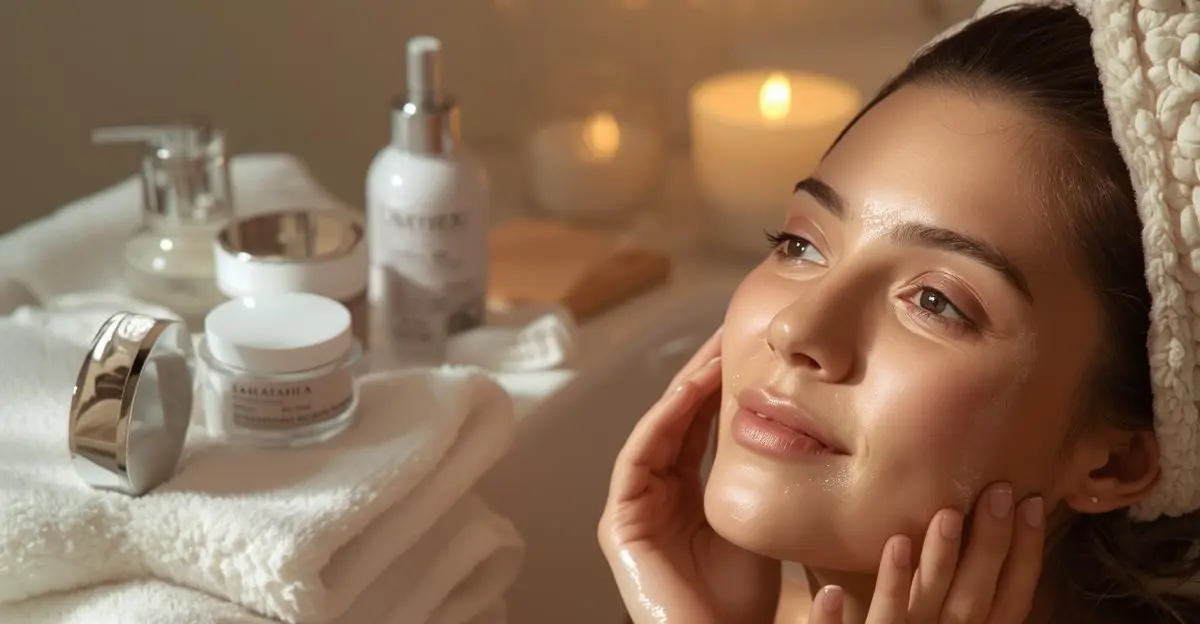
The true transformation of your skin begins within the first few minutes after your bath. This is when the glow develops through mindful post-bath care. Proper skincare at this stage is where the real magic happens, turning your daily career of self-care into visible results. Following a few thoughtful steps prevents dull texture and maintains that camera-ready radiance.
Applying lotion or oil right afterward seals in hydration, keeping your skin soft and smooth. The difference shows afterward, revealing real, healthy skin through simple, consistent habits that make you fall in growing love with your natural glow every day.
From my experience, moisturizing right after a bath made my skin feel like silk. That few-minute window truly mattered because it sealed in the glow. Over time, I noticed my skin looked naturally radiant without needing extra products.
Pat dry, don’t rub
Using a towel the right way after bathing is important to avoid rubbing and damaging the skin. The American Academy of Dermatology advises gently patting instead of wiping to reduce friction that can irritate and dry the surface.
Choose delicate, silk, or soft bamboo fabrics as your favorite option to protect your skin from harm. Pay special attention to areas like toes and arms to prevent rashes and infections, especially when moisture is trapped in folds. Gentle care keeps the skin calm and supports its smooth texture after every bath.
From my experience, switching to patting instead of rubbing made my skin feel less irritated and more hydrated. Using a soft bamboo towel became my favorite part of drying off. It helped me avoid small rashes and made my skin feel calm and fresh after every soak.
Apply moisturizer while skin is damp
In any bath routine for glowing skin, applying moisturizer within a few minutes of stepping out is essential. When the skin is still damp, it stays more hydrated, allowing the product to seal in hydration effectively. Many board-certified dermatologists agree that this step makes a noticeable difference in maintaining smooth and radiant skin.
The skincare process works best when the product is gently spread after patting the body dry, letting the skin act like a sponge, absorbing the moisture from its wet surface. The timing trick is simple yet powerful, and following this transformed my routine completely. It may seem challenging, but sticking to this simple golden minute rule keeps the glow lasting longer.
From my experience, applying moisturizer on damp skin made hydration last through the day. That short golden minute truly locked in moisture and gave my skin a fresh, healthy glow. It turned my usual post-bath step into something that felt soothing and rewarding.
Use body oils or serums for extra hydration
To enhance your natural glow, include body oils in your routine as recommended by many board-certified dermatologists. Applying oil to semi-damp skin after showering helps seal the moisture barrier and improves the skin’s water function, providing deep hydration while preventing dryness.
For the ultimate soft finish, choose ingredients that suit your needs. Dry skin benefits from squalene, which hydrates and softens, while jojoba oil works well for those who want a nourishing yet lighter texture that won’t clog pores. Even if your skin is oily or acne-prone, a few drops on damp skin go a long way, absorb quickly and leave the surface smooth, balanced and perfectly hydrated.
From my experience, using a few drops of squalene oil on damp skin made my body feel silky and plump. The hydration lasted all day without feeling greasy. It quickly became my perfect finishing touch for maintaining soft, glowing skin.
Common Bathing Mistakes That Dull Your Skin
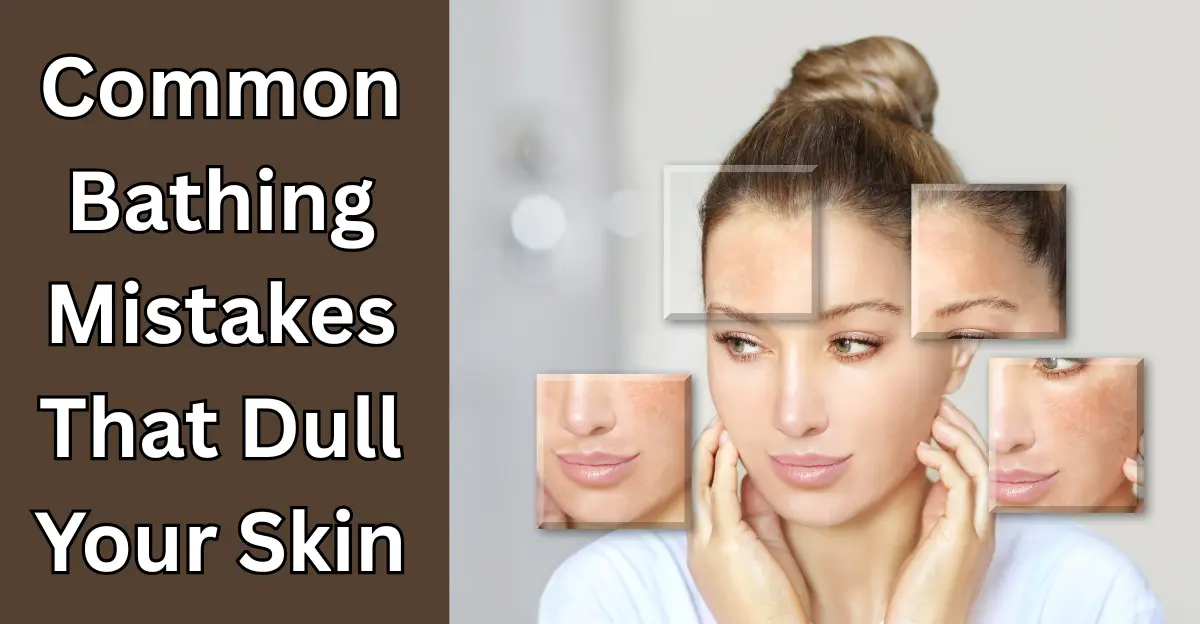
Even with luxurious bath products, simple mistakes can harm your skin more than help it. Many overlook the fundamental habits that cause a dull look over time. Taking overly long baths, using harsh cleansers or skipping moisturizer are common bathing errors people make consistently without realizing their impact.
Over the years, these small missteps strip the skin’s natural glow and moisture balance, making it appear tired instead of radiant. Paying attention to the basics keeps your bath experience truly nourishing and your skin looking fresh and luminous.
From my experience, I once believed more products meant better results, but my skin started looking dull instead. When I simplified my routine and avoided long hot baths, I noticed my skin regained its softness and natural shine within weeks.
Using harsh soaps or hot water
A bath that leaves the skin feeling squeaky-clean might seem satisfying, but it actually removes essential natural oils and leaves the surface stripped of protection. Studies show that hot water increases transepidermal loss (TEWL), where moisture escapes through the skin at higher rates. The pH also increases which raises the ideal balance significantly, leading to dryness and irritation. That tight feeling after washing often indicates your skin’s barrier is compromised.
Prolonged redness, dullness and the reduced effect of even expensive serums can come from frequent scalding showers that damage the barrier. Switching to lukewarm water helps restore a healthy complexion, often transformed within weeks of consistency.
Using harsh soaps with antibacterial agents or sulfates is equally damaging, as these disrupt the skin’s barrier function and alter pH levels, causing dryness and irritation. Even well-meaning products can harm the natural levels of moisture when used excessively, ultimately dulling the glow that healthy skin should have.
From my experience, replacing my harsh soap and hot showers with mild cleansers and lukewarm water completely changed my skin. The tightness and redness faded within weeks and my complexion started looking balanced and calm again.
Skipping exfoliation or overdoing it
In any bath routine for glowing skin, balance is what keeps the results consistent. When it comes to exfoliation, moderation is the key, and this advice has served many skincare experts well. Skipping exfoliation allows dead skin cells to accumulate, leading to dullness and clogged pores that block natural radiance.
Conversely, over-exfoliation can cause redness, irritation, and peeling, which weakens the skin’s surface. This increased sensitivity makes it harder for the skin to recover, leading to inflammation and dryness. Maintaining a consistent rhythm once or twice weekly depending on your skin type helps preserve the smooth, healthy glow that exfoliation is meant to achieve.
From my experience, when I used to exfoliate daily, my skin turned red and tight. After switching to twice a week, the texture became even and I could feel that natural softness returning without irritation.
Not moisturizing right after bathing
Many people unknowingly make the mistake of skipping or delaying moisturizing after a bath. Even during photoshoots, professionals ensure the skin stays supple by applying moisturizer within minutes of showering. Research shows that applying moisturizer immediately after bathing helps the skin retain hydration and optimizes its moisture balance. Waiting too long allows the skin to lose that post-bath moisture boost, leaving it dry and dull.
Timing is crucial because water strips natural oils from the skin, and without prompt moisturizing, the skin loses bath-derived hydration, leading to dryness and tightness. Making this step part of your daily ritual ensures the glow you achieve in the bath doesn’t fade moments later.
From my experience, I once ignored moisturizing right after bathing and always felt that uncomfortable tightness. After making it a habit to apply lotion on damp skin, I noticed my skin stayed smooth and plump throughout the day.
Staying in the bath too long
A relaxing bath can feel heavenly, but extended exposure to water can actually damage the skin’s barrier. Experts recommend keeping bath time between ten and thirty minutes, as anything longer may lead to moisture loss instead of nourishment. While it’s tempting to linger, prolonged soaking causes the skin to swell and weakens its intercellular lipid lamellae, reducing its ability to retain hydration.
Through tests and experience, dermatologists have found that fingers wrinkling is a clear indicator that the skin has absorbed enough moisture and it’s time to exit. Staying beyond that point doesn’t enhance relaxation but instead risks dryness and irritation. Limiting your time ensures your bath remains a true act of care, not harm.
From my experience, I used to take long baths thinking it would make my skin softer, but my hands and legs always felt dry afterward. Once I started keeping my baths under twenty minutes, I noticed my skin stayed supple and more balanced
Conclusion
A glowing complexion isn’t just about products, it’s about the small, consistent bath rituals that nurture your skin and mind together. From setting the mood to locking in moisture, every step contributes to that lasting radiance you admire. When practiced mindfully, your daily bathing routine becomes more than cleansing, it turns into a self-care ritual that revitalizes both body and spirit. Embrace these habits and let your skin naturally reflect the care you give it.
FAQs
How to shower for glowing skin?
To get glowing skin, always start your shower with lukewarm water instead of hot. Use a gentle body wash that doesn’t strip your skin’s natural oils and exfoliate once or twice a week to remove dead skin cells. After showering, pat your skin dry instead of rubbing and apply moisturizer or body oil while the skin is still damp to seal in hydration. This simple routine keeps your skin smooth, soft and naturally radiant.
How to get 100% clear skin?
Achieving completely clear skin requires consistency and balance. Keep your skincare routine simple, cleanse, exfoliate gently and moisturize daily. Drink plenty of water, eat fresh fruits and vegetables and manage stress since it directly affects your skin’s clarity. Avoid touching your face too often and always remove makeup before bed. Over time, your skin naturally becomes clearer and healthier with these steady habits.
Can coconut oil remove acne marks?
Coconut oil contains antioxidants and fatty acids that can help improve overall skin texture, but it’s not ideal for everyone. While it may lightly fade mild marks by keeping the skin moisturized, it can clog pores and trigger breakouts in oily or acne-prone skin. It’s best to use it sparingly or choose non-comedogenic oils like rosehip or jojoba oil for fading acne scars safely.
Please Write Your Comments