35 Stylish Flow Hairstyles For Men
Published: 11 Aug 2026
Flow hairstyles for men are a great choice if you want natural movement, medium-to-long length and a relaxed yet stylish appearance. From classic flow and Bro Flow to modern fades, tapers curls and textured variations, there is a style for almost every hair type. These cuts can be adapted to your face shape, lifestyle and preferred level of maintenance. Explore the 35 styles below, choose your favorite and take a reference photo to your barber for a personalized finish.
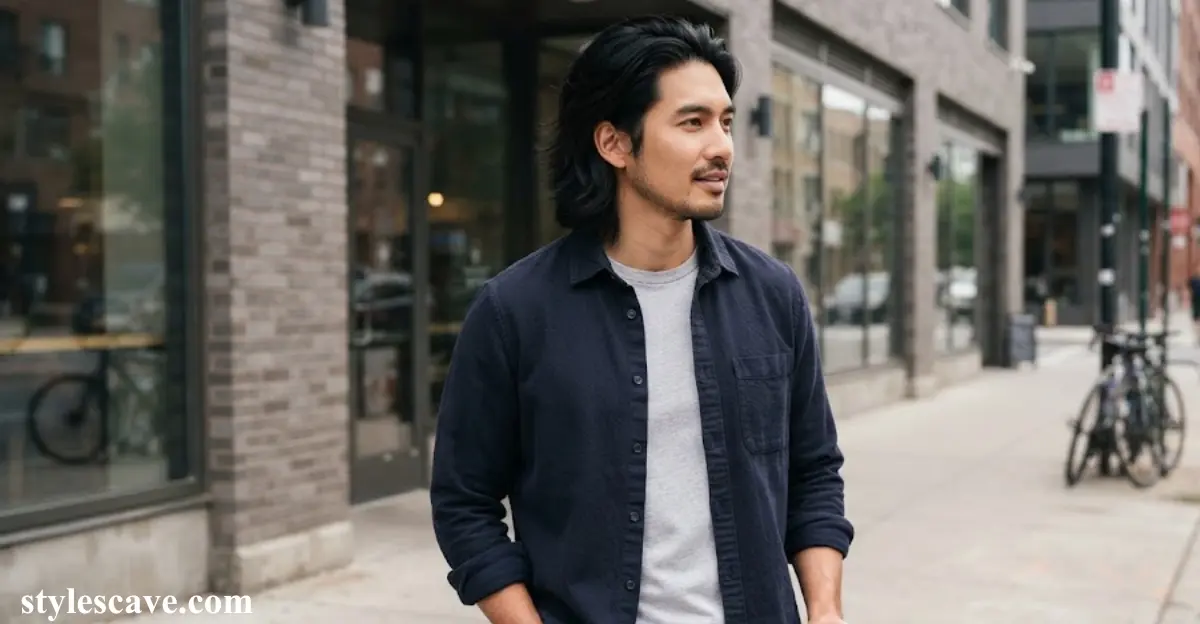
Table of Contents
Trending Flow Haircut Styles for Men
Explore these trending flow haircut styles for men, choose the one that matches your hair and face shape and show your barber a reference photo for the best result.
Classic Flow
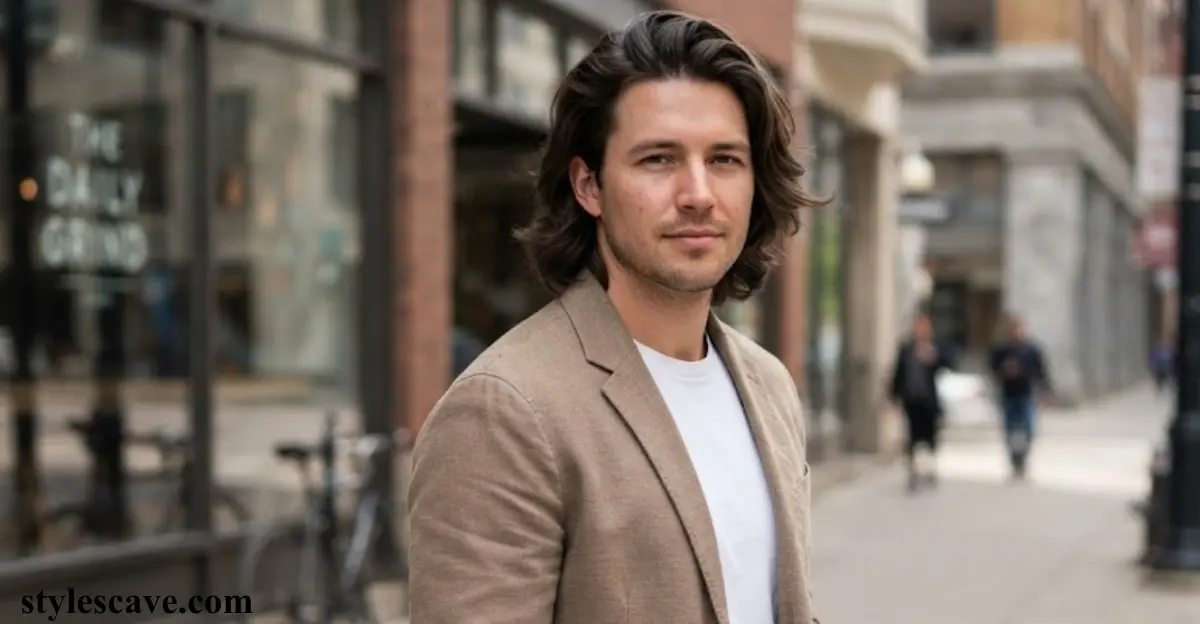
A flow haircut keeps medium-length hair moving naturally in a swept-back direction, creating a connected shape through the sides, top, and behind the ears. The ear-length hair and collar-length strands form a connected silhouette that gives men’s hair a balanced look, natural texture, and relaxed character.
For styling, use a blow-dry to guide the hair into a backward direction and enhance subtle volume without disturbing its natural shape. A lightweight styling cream provides soft control, cream styling, and a soft finish, while maintaining mobile hair, side movement, and organic movement throughout the day.
In my experience, I prefer to keep this style slightly loose rather than make it overly polished. A small amount of cream gives enough control while preserving the natural movement and flowing texture. It is an adaptable, versatile haircut that offers effortless appearance, manageable length, and understated grooming.
Modern Flow
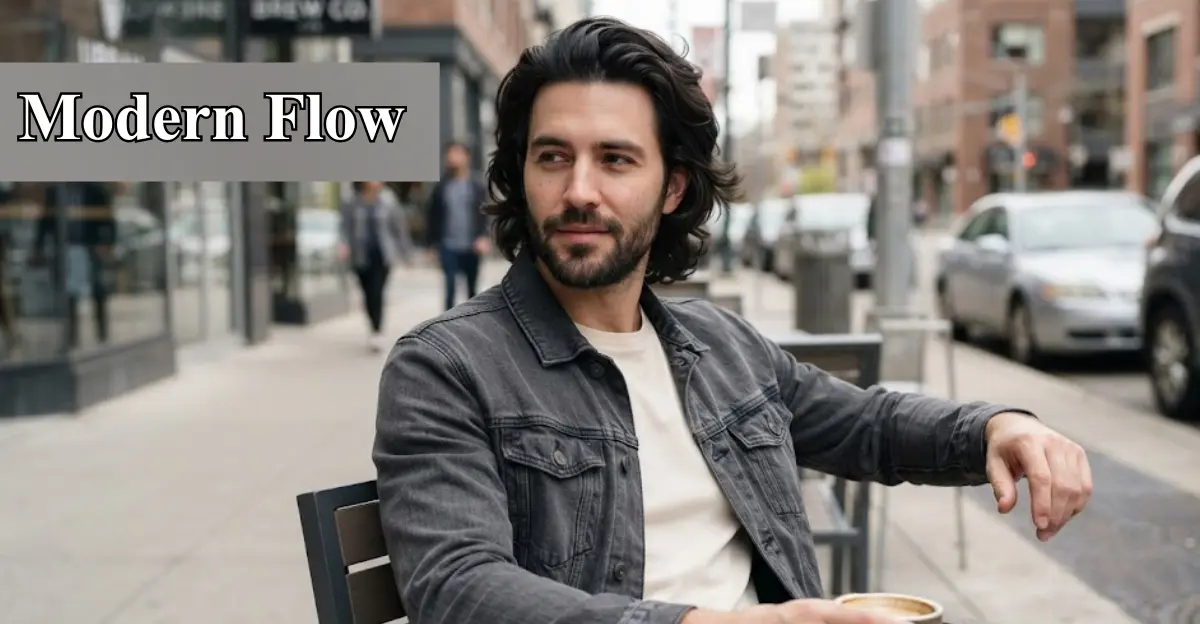
The Modern Flow updates the classic shape with cleaner lines, deliberate proportions, and cleaner sides while keeping the natural movement that defines this alluring men’s haircut. Its controlled length, flowing length, and refined shape create a contemporary silhouette that feels polished without completely losing the rustic roots associated with longer, shaggy appearance styles.
For styling, use a round brush to guide the hair into a backward sweep, then apply medium-hold styling cream for cream hold and definition. This brush-styling approach creates defined strands, refined movement, and a clean finish, giving the hair a structured flow with less shagginess and a more intentional shape.
From my experience, I prefer this version when someone wants longer hair but still needs a polished appearance for everyday grooming. Keeping the sides neat makes the proportional haircut feel much more controlled without removing its personality. The result is a sophisticated appearance, modern grooming, and intentional styling that suits a contemporary lifestyle.
Curtain Flow
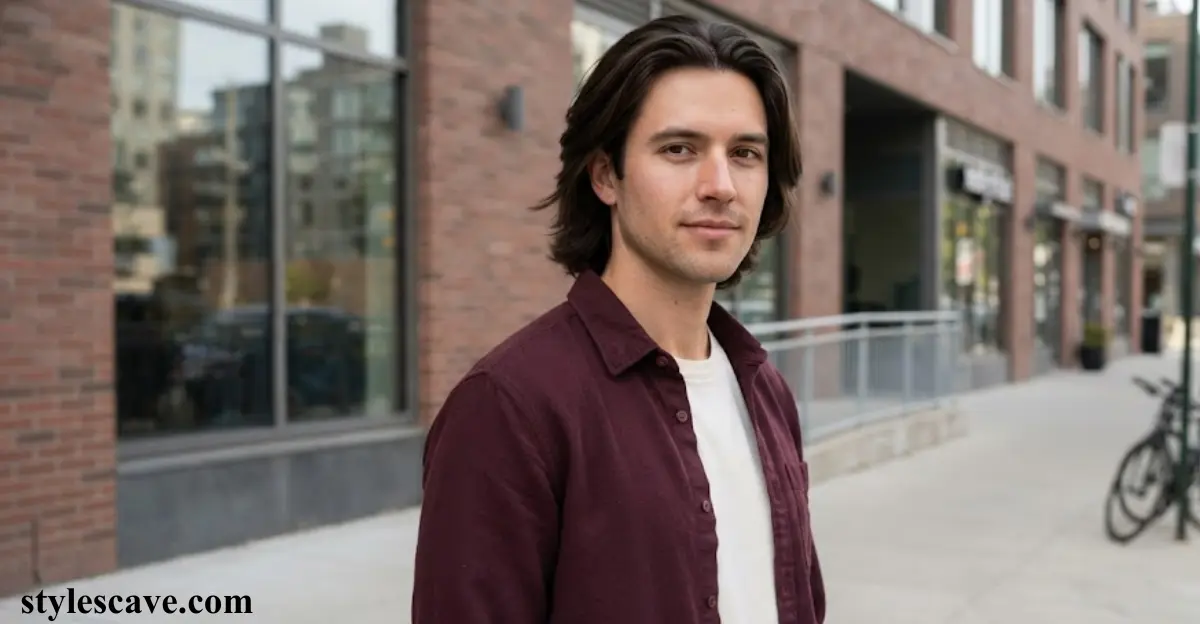
The Curtain Flow combines a middle part with longer front sections that create a natural curtain effect around the face. Inspired by the 1990s curtain cut, this men’s flow haircut uses extended length, straight texture, or subtle waves to create soft face framing with a relaxed, updated finish.
For styling, use a blow-dry while directing the front downward first, then outward to establish the middle separation and natural fall. Downward drying and outward styling encourage backward movement through the longer sections, while preserving natural movement, a distinctive shape, and flowing length.
I find this style works best when the front is allowed to move naturally instead of being heavily fixed in place. A clean center parting gives the hair enough structure while the face-framing strands soften the overall appearance. In my experience, that combination creates a relaxed flow with a subtle retro influence and convincing modern finish.
Short Flow
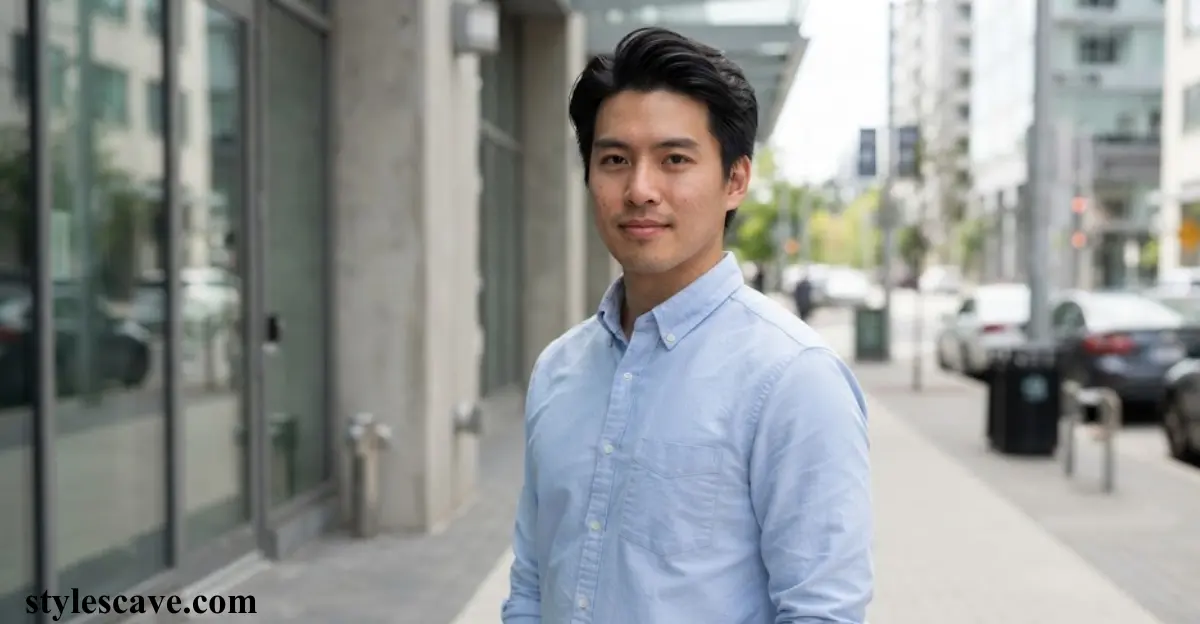
The Short Flow is an entry-level version for men who want some flow energy without committing to a longer cut. Keeping around two to three inches on the top creates a manageable shape with subtle movement, while the shorter sides make this men’s haircut practical for everyday wear and easier to grow out.
For styling, use a blow-dry with your fingers to guide the top into a swept-back direction, then add a small amount of matte paste for shape. This finger styling method gives matte texture, flexible control, and a natural appearance while maintaining understated volume, easy upkeep, and a relaxed finish.
I usually recommend this version to someone testing the flow style for the first time. The shorter length makes daily maintenance simple while still allowing the hair to develop natural movement. In my experience, it is a practical choice for men wanting low-maintenance style, moderate length, and a softer transition toward longer hair.
Off-Center Parted Flow
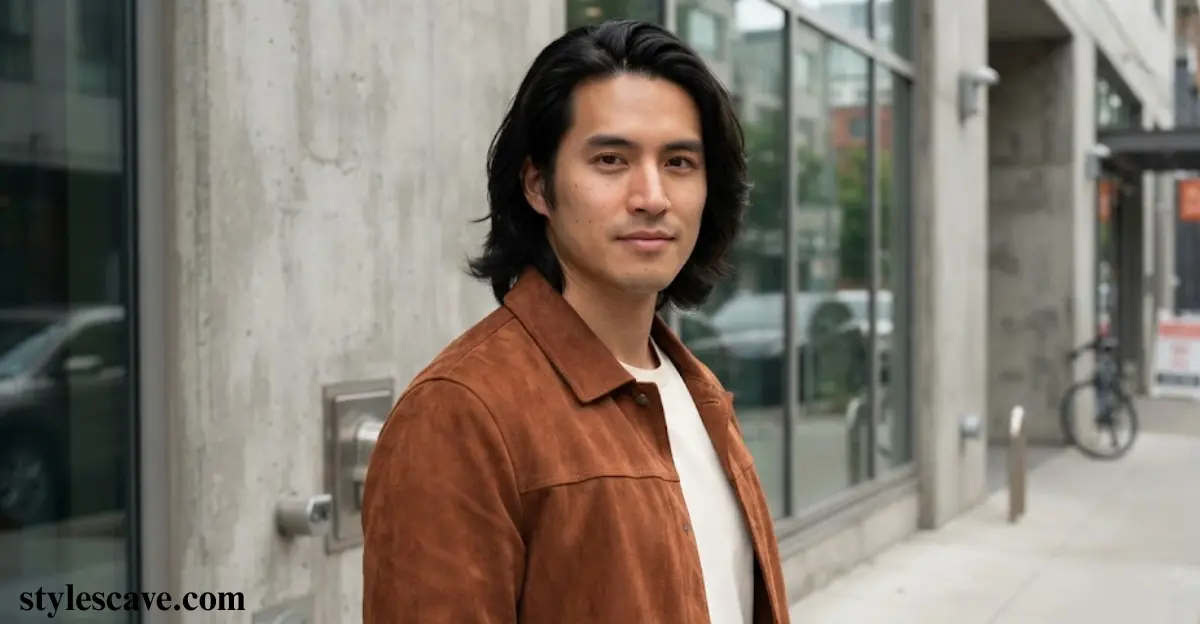
The Off-Center Parted Flow uses an off-center part to introduce gentle asymmetry and extra visual interest while keeping the longer top connected with the sides and back. Wavy hair, textured hair, and a natural pattern work particularly well because the uneven symmetry complements the hair’s organic movement.
Instead of creating a rigid division, use damp hair, a controlled drying technique, and finger shaping to establish the desired direction. Guide the strands backward or sideward while maintaining soft control, allowing the flowing sides, extended top, and textured finish to form a relaxed appearance with understated asymmetry.
I like this variation when a standard center part feels too symmetrical or predictable. The slight shift in the part creates personality without making the haircut look overly styled. From my experience, preserving the natural pattern gives the casual grooming a more believable finish and keeps the connected haircut visually balanced.
Flow with Undercut
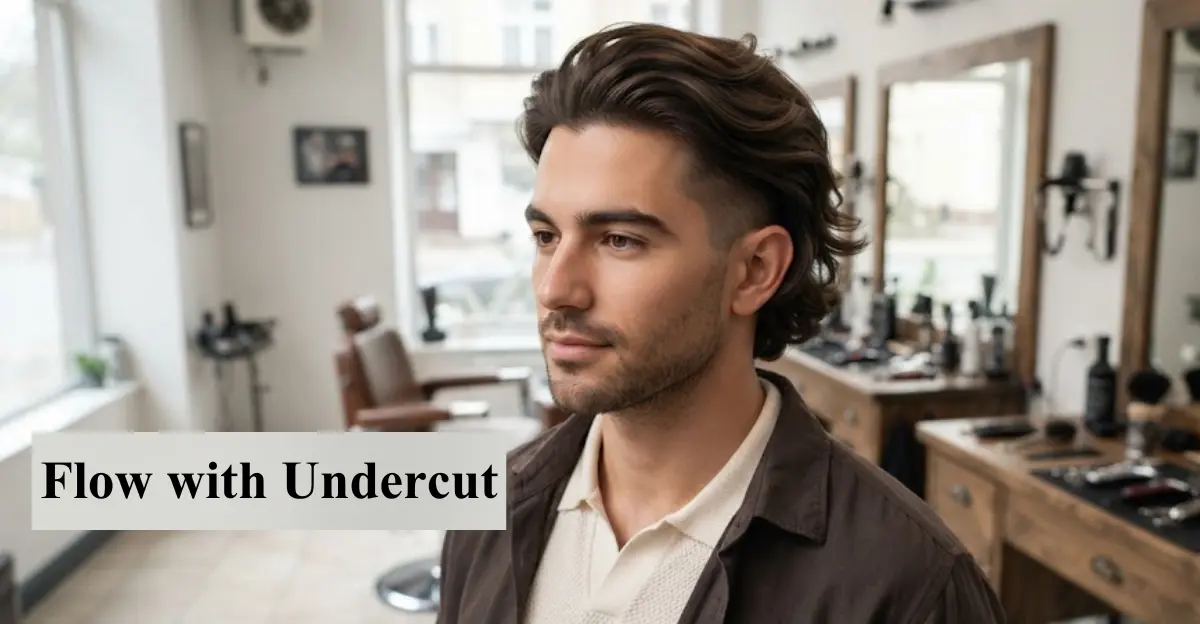
A Flow with Undercut creates a stronger contrast by pairing shorter sides with a flowing top, producing a contemporary style with a noticeably sharper division. The two lengths, shorter perimeter, and exposed or hidden undercut give the haircut a strong silhouette while allowing the upper section to retain its flowing length.
For a more dynamic finish, use a blow-dry to direct the top backward or toward the side before applying a medium-hold product. This creates an elevated top, lifted flow, and controlled movement while emphasizing the visual separation, defined separation, and disconnected effect created by the shorter sidewalls.
I have found that this version works best when the contrast is intentional rather than excessively harsh. Keeping enough length on top allows the hair to move naturally and prevents the undercut from overpowering the overall shape. In my experience, that balance produces a modern haircut, bold silhouette, and confident contemporary appearance.
Hockey Flow
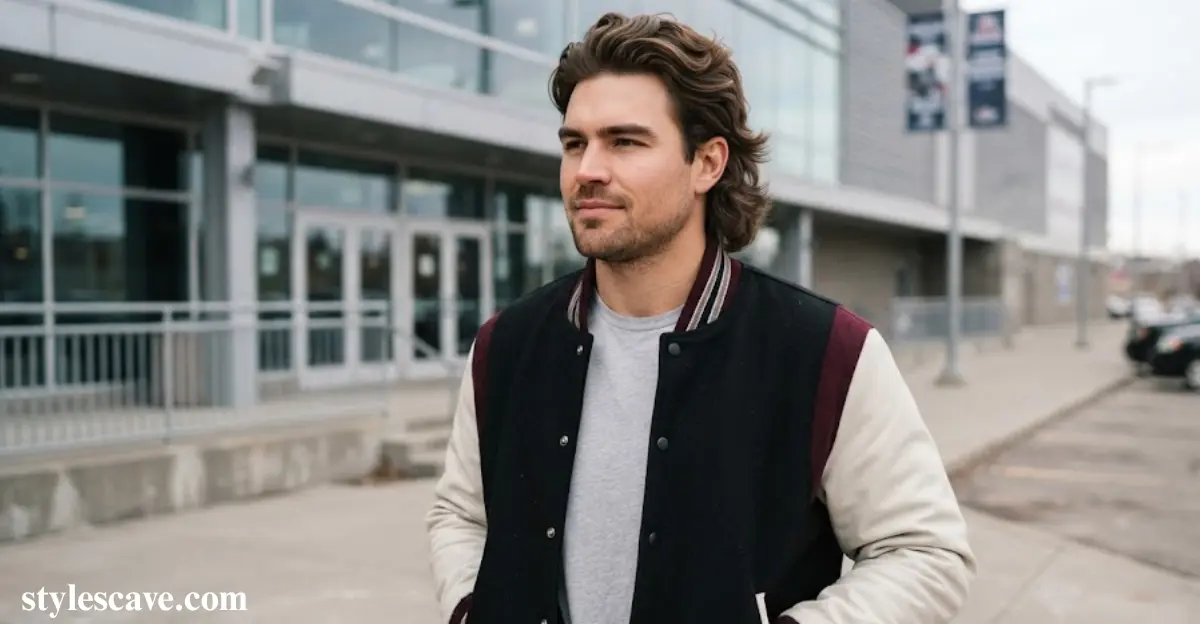
The Hockey Flow is known for its longer length, full top, and extended sides that naturally reach toward the ears, collar, and back. Often associated with a helmet, this hockey hairstyle carries strong athletic energy and laid-back energy, making it a popular sport-inspired haircut for younger clients and men who enjoy flowing length.
For everyday styling, let the hair air dry naturally or use finger-combing to guide the strands into place. A light sea salt spray adds texture, grip, and a textured finish while keeping the helmet-friendly length comfortable and preserving the connected back, relaxed movement, and lightweight grip.
I find this haircut looks best when it is allowed to develop naturally instead of being heavily shaped every morning. The longer length gives the hair its identity, especially when paired with casual grooming. In my experience, the athletic aesthetic and effortless styling make it a great choice for younger men wanting a relaxed, sporty appearance.
Textured Medium Flow

The Textured Medium Flow keeps the hair around four to five inches, giving enough length for movement while maintaining a manageable shape. Visible layering, piece-y separation, and carefully reduced weight create a lived-in texture, while the layered structure helps prevent flat hair and gives the style a flowing silhouette.
For styling, use point-cutting and razor texturing to control weight before blow-drying the hair with your fingers. A small amount of matte paste provides paste definition and a matte finish, helping shape the strands while maintaining a flexible shape, natural motion, and relaxed texture rather than a stiff finish.
I prefer this flow when someone wants noticeable texture without looking like they spent too much time styling. The layers give the haircut movement even on ordinary days, while the moderate length keeps it practical. From my experience, good layer control makes this medium-length men’s haircut look fuller, more natural, and easier to maintain.
Wavy Flow
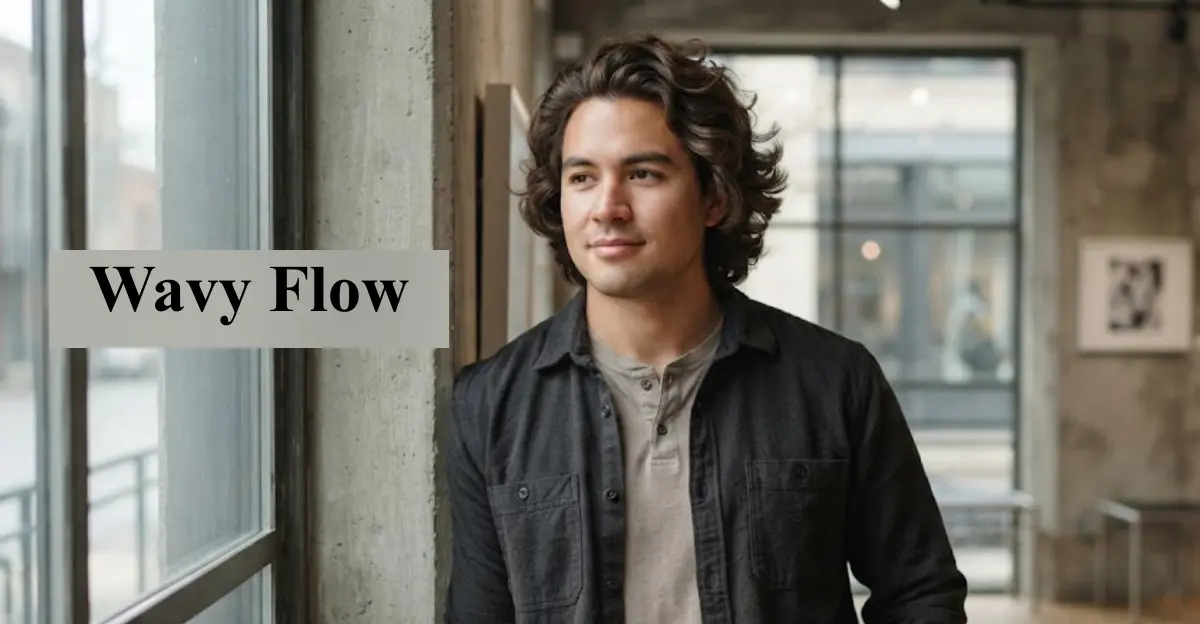
The Wavy Flow works with natural waves to create a full shape, continuous movement, and an effortless appearance. The existing wave pattern, extended sides, and flowing length form a unified shape, while wavy texture gives the hairstyle natural dimension without requiring heavy styling work.
Begin with damp hair and apply a light sea salt spray, then use a scrunching technique to encourage wave definition and textured strands. Allow the hair to air dry or use a diffuser with low heat to preserve airy volume, natural movement, and a soft texture without disturbing the continuous flow.
I usually avoid brushing wavy flow hair too much because it can break up the natural pattern and reduce its character. Letting the waves settle on their own creates a much softer result. In my experience, lightweight styling and minimal manipulation provide the best natural finish, organic movement, and effortless grooming.
Flow with Taper
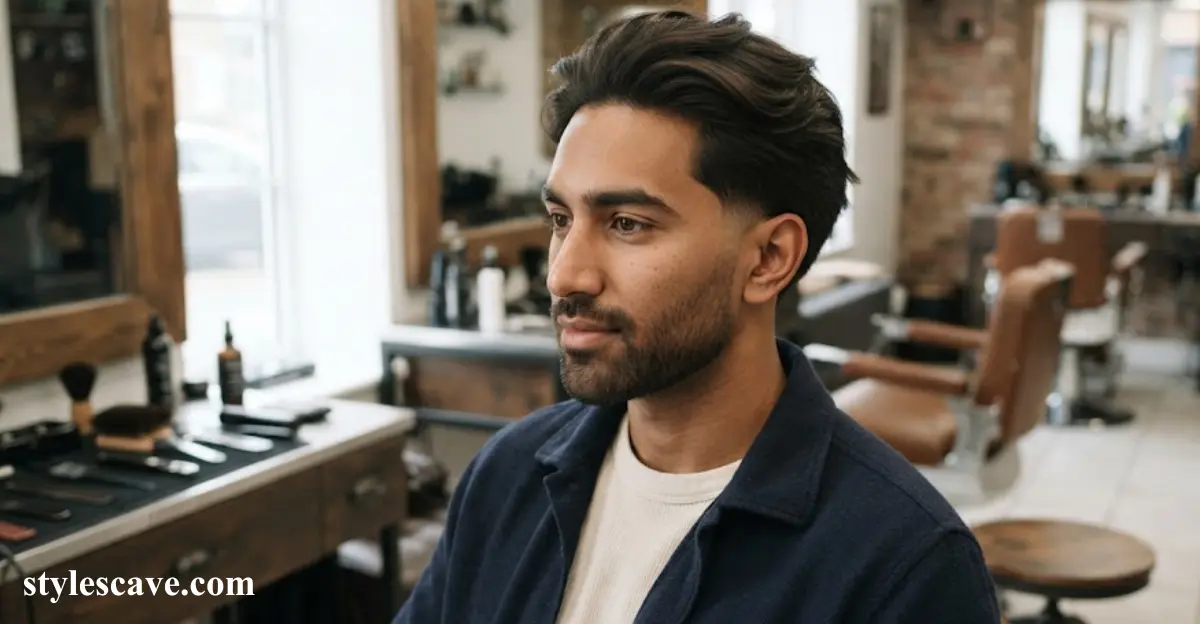
Flow with Taper combines a subtle graduation through the sides and neckline with enough length on top to preserve natural movement. The graduated sides, tapered neckline, and flowing top create a refined silhouette that feels office-friendly, polished, and deliberately styled while retaining the relaxed character of a flow.
For a professional finish, use backward blow-drying to direct the top and then apply a small amount of medium-hold styling cream. This creates a controlled perimeter, clean edges, and balanced shape while the tapered sides and clean neckline maintain a tidy appearance suitable for workplace styling.
I usually recommend this version when someone wants flow without making the haircut feel too casual for work. The subtle taper keeps the edges organized while allowing enough length for movement. In my experience, it creates a modern office haircut with professional appearance, versatile styling, and natural movement.
Curly Flow
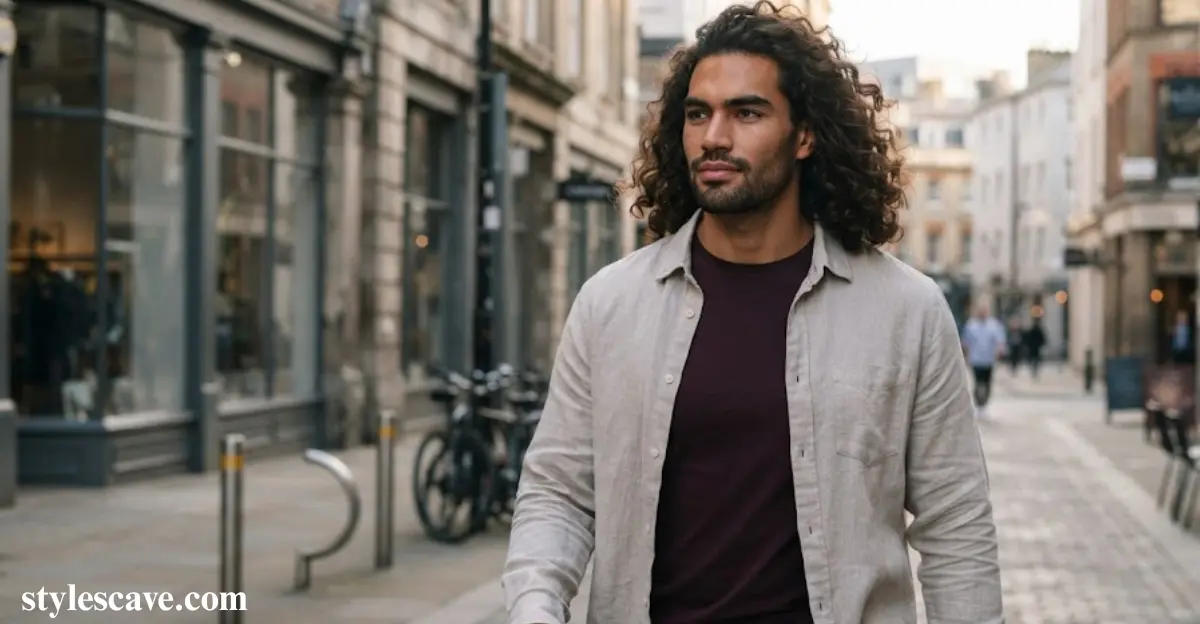
Curly Flow uses natural curls to create a swept-back shape with outward and backward movement. The added length allows defined volume, voluminous curls, and expressive texture to develop naturally, while a deliberate shape prevents unruly hair from losing its direction or overall structure.
Start with damp hair and apply curl cream before using a diffuser on low heat. This cream application technique encourages curl definition, controlled volume, and a natural pattern while helping with frizz control. The result is flowing curls with relaxed shape and intentional styling.
I find curly flow looks better when the curls are guided rather than forced into place. Trying to straighten or heavily control the pattern usually removes the character that makes the haircut appealing. From my experience, preserving the natural texture creates expressive movement and a contemporary men’s haircut that feels effortless.
Short, Shaggy Flow with Waves

A short shaggy flow keeps the hair around three to four inches, using layering to create a relaxed, lived-in shape. The natural wave pattern, piece-y separation, and loose movement give the haircut a casual energy, while the layered top creates an undone appearance without becoming completely unstructured.
Style damp hair with sea salt spray, then use a scrunching technique before allowing it to air dry. Finger styling can refine individual sections while preserving loose waves, natural texture, and organic movement, creating a casual silhouette with a softened perimeter and an effortless appearance.
I like this variation when someone wants texture without committing to a long shag. The shorter length keeps the haircut manageable while the waves provide enough personality to avoid a plain finish. In my experience, the lived-in finish looks strongest when the hair is allowed to keep some natural irregularity.
Short Flow with Tapered Sides
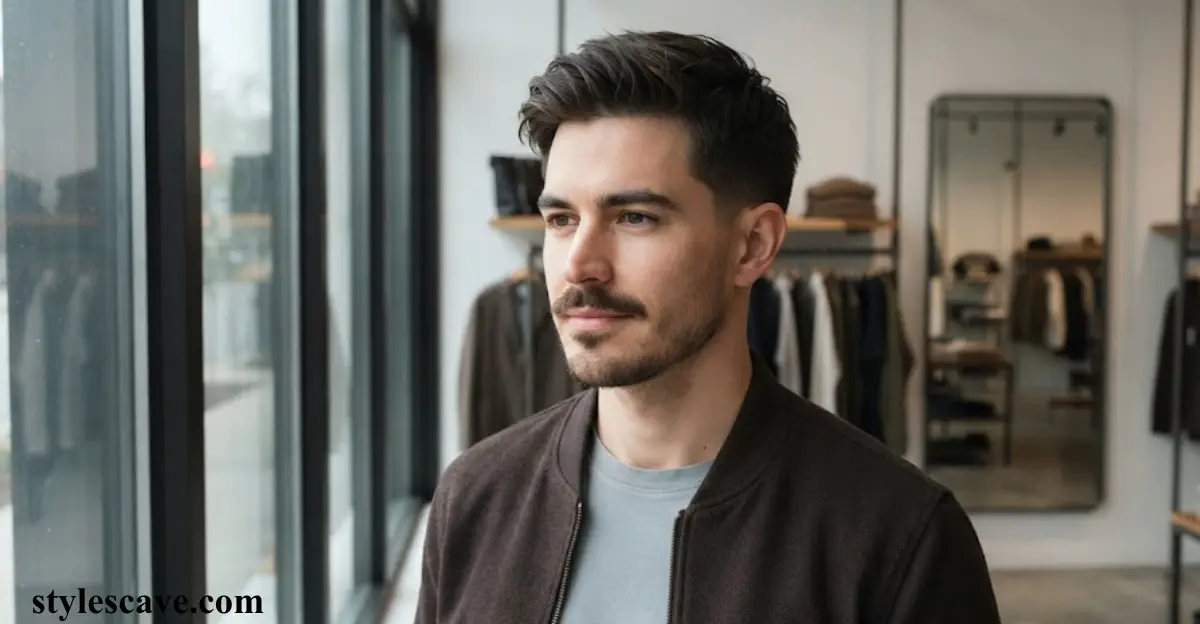
A short flow with tapered sides offers a low-maintenance approach while keeping enough length for movement and personality. Around three to four inches through the layered top creates natural motion, while the cleaner sides, ears, and neckline provide a defined outline and sharper appearance.
Use directional drying to guide the top backward or toward the side, then apply matte paste or a small amount of light styling cream for controlled hold. The layered crown, ear taper, and neckline taper create a precise outline, while the matte finish supports a polished flow with a structured silhouette.
I often prefer this version for men who want the character of flow but need a cleaner everyday haircut. The taper keeps the perimeter neat without removing too much length from the top. From my experience, it works particularly well for workplace-friendly styling, giving a refined grooming effect without becoming overly formal
Flow with Burst Fade
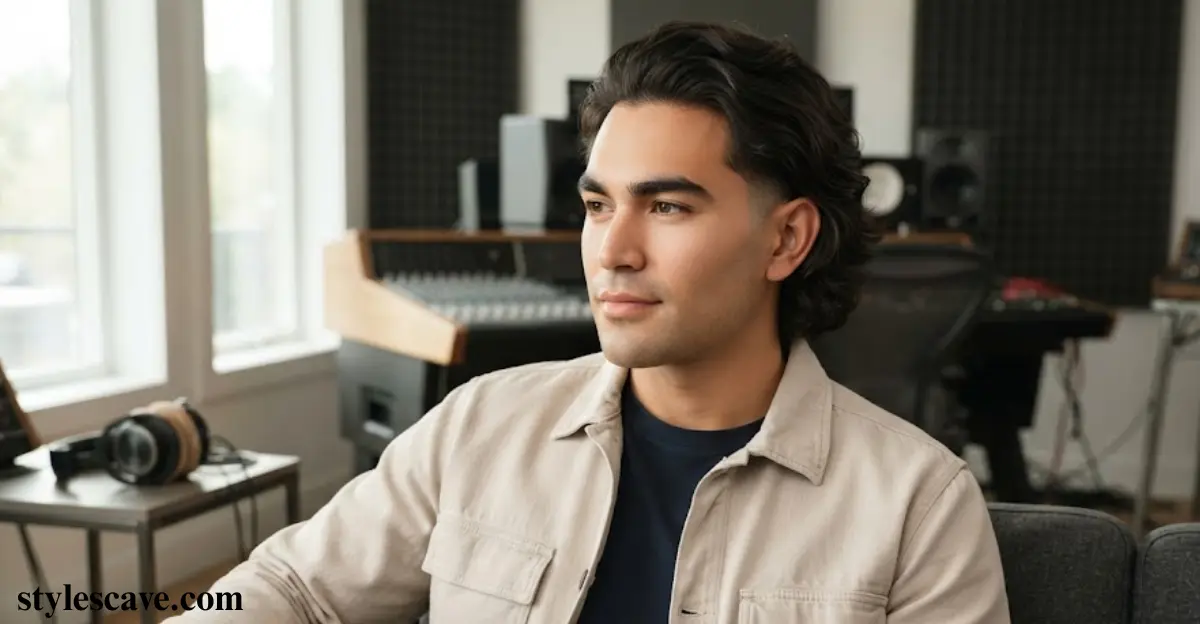
A burst fade gives the flow a modern edge by creating a semicircular fade around the ear while preserving the swept-back length on top and through the back. The curved fade, rounded fade, and curved perimeter create a clean transition without removing the full length, allowing natural movement and visual weight to remain.
The arc-shaped fade follows the ear contour before creating an outward curve toward the neckline, giving the sides a precise but softened appearance. Use a blow-dry in a backward direction followed by styling cream to maintain flexible movement, a defined outline, and a clean fade area while keeping the flowing top balanced.
I like this variation when someone wants a noticeable fade without sacrificing the identity of longer hair. The curved shape gives the haircut extra dimension while keeping the top mobile. In my experience, the rounded taper creates a fresh appearance and balanced silhouette that feels like a genuine modern haircut.
Straight Flow
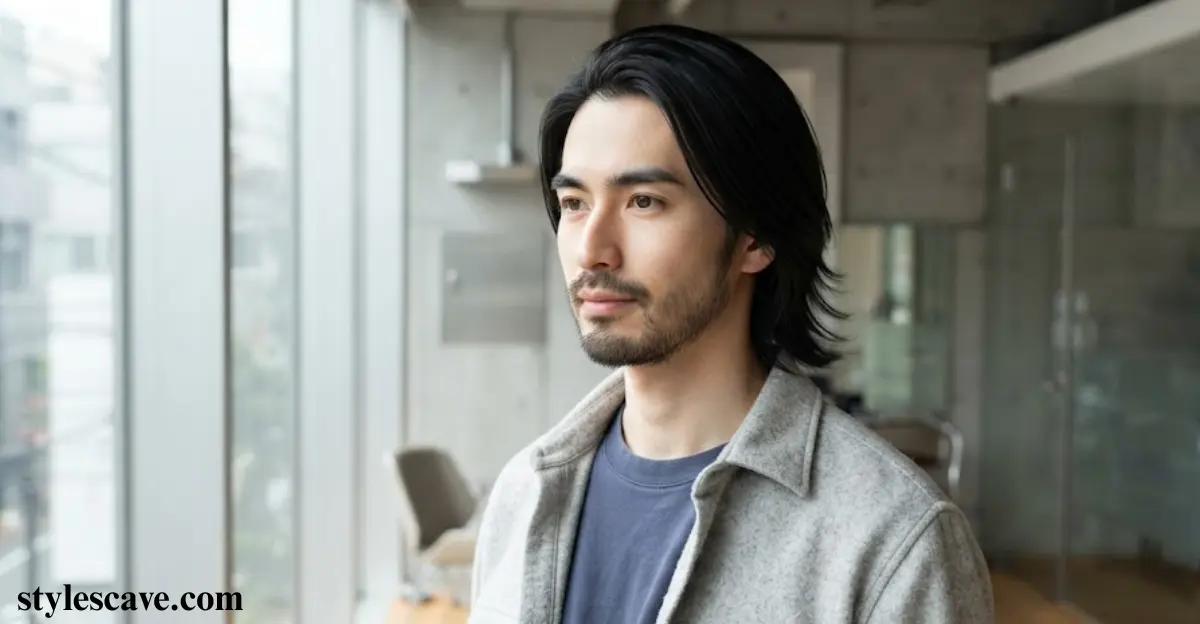
Straight Flow uses naturally straight, smooth hair to create a sharper shape with clean lines and a refined appearance. The straight texture gives this sleek version a polished finish, while extended length and controlled strands create a smooth silhouette that differs from styles built around natural waves or curls.
Use a round brush to create lift at the roots before guiding the hair in a backward or side direction. A small amount of light pomade or styling cream helps maintain a controlled flow, while round-brush styling, a cream finish, and smooth texture produce a sophisticated appearance with defined structure.
I find straight hair especially easy to shape because its natural direction already supports a clean finish. I usually avoid excessive product and let the smooth strands provide most of the definition. That approach gives a polished grooming effect with a professional haircut feel while preserving the sleek character of a straight men’s hairstyle.
Slick Back Flow
Slick Back Flow creates clean backward movement from the forehead toward the back, combining controlled length with a polished finish. The forehead sweep, smooth hair, and defined lines create a sharper appearance, while the light shine and sleek texture make the style particularly suitable for formal and professional settings.
For styling, use a round-brush technique to guide the hair backward before applying light pomade or styling cream. Pomade application, combed finish, and controlled strands create directional lines and a smooth surface, while subtle shine enhancement gives the polished flow a sophisticated, elegant appearance.
I prefer this style when the occasion calls for something more refined than a relaxed flow. The key is keeping the shine controlled so the hair still looks natural rather than overly glossy. In my experience, that balance works well for workplace style, formal appearance, and professional grooming.
Long Flow
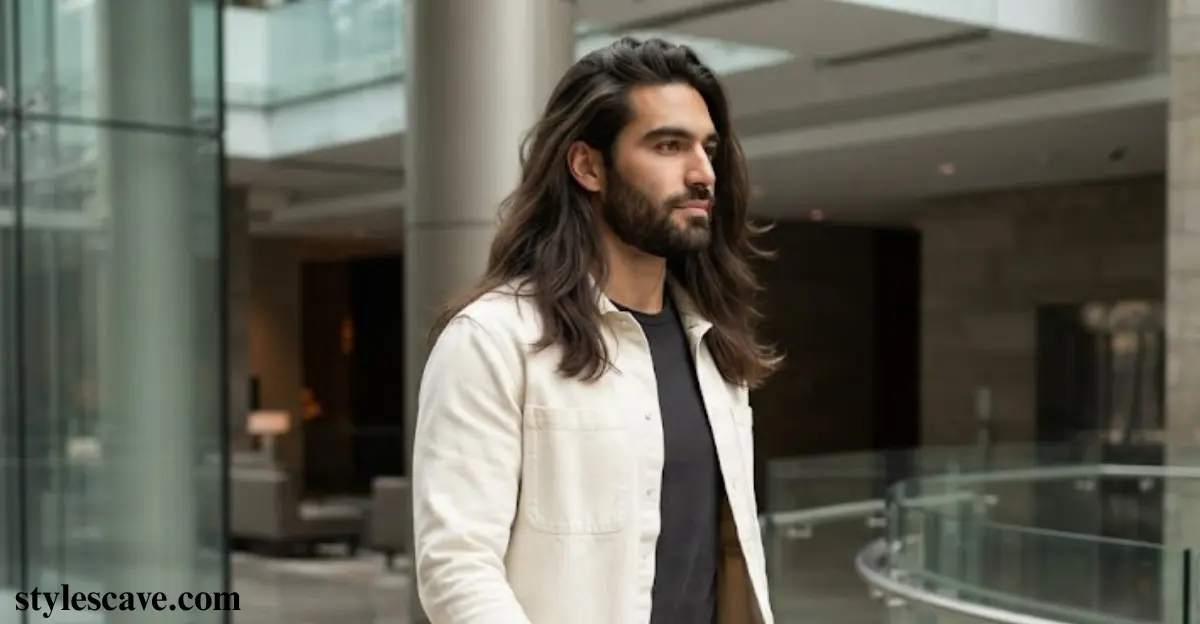
Long Flow takes the style into shoulder length, allowing the hair to fall around the collar and shoulders with substantial visual weight. The swept-back shape, flowing texture, and added length create a dramatic silhouette, while the natural fall gives the haircut a relaxed but distinctive character.
With longer hair, the hair maintenance routine becomes more important. Regular conditioning supports moisture retention, while a leave-in treatment helps maintain a healthy appearance through the extended strands. Finger combing and a gentle drying process preserve natural movement without unnecessarily disturbing the flowing silhouette.
I have found that long flow requires more commitment than shorter versions because the length itself becomes part of the style. Consistent conditioning makes a noticeable difference in how manageable the hair feels. For me, maintaining a dedicated routine is essential for keeping the dramatic shape healthy, smooth, and naturally flowing.
Flow with Fade
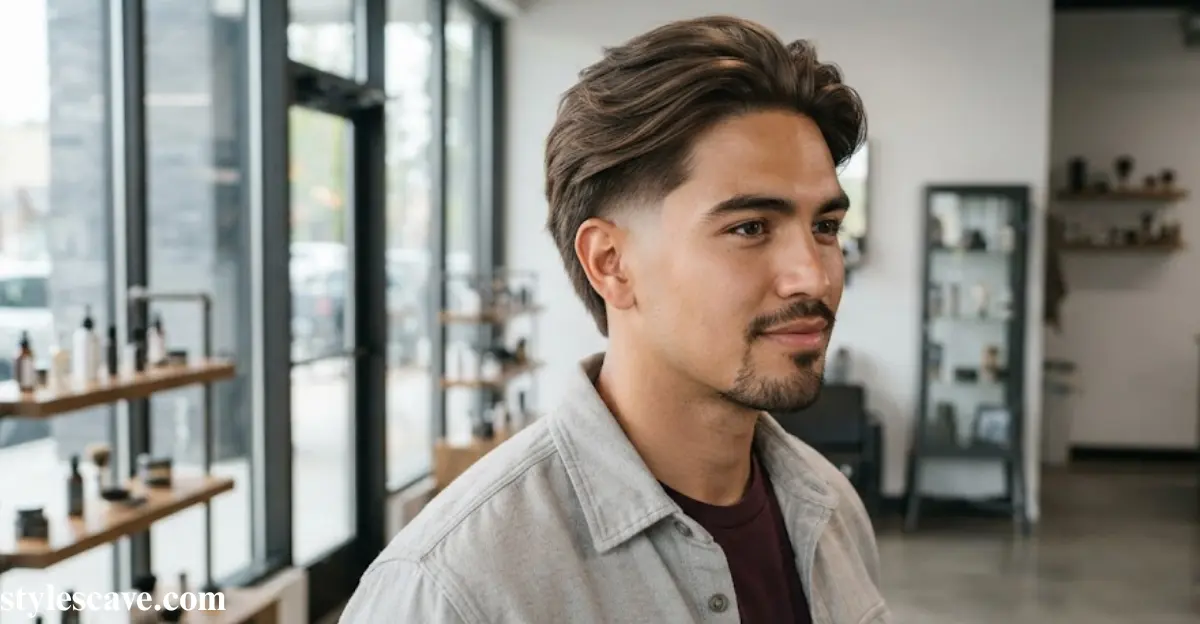
Flow with Fade combines preserved top length with either a low fade or mid fade, giving the traditional style a cleaner, more current structure. The graduated sides, defined ear area, and clean neckline create a sharp outline while the flowing top maintains uninterrupted movement and a balanced silhouette.
The choice between low-level fade and medium-level fade changes the overall contrast without removing the character of the hairstyle. Keeping the top length intact allows versatile styling, while regular barber visits maintain the fade upkeep, sharp edges, and clean transition through the sides and neckline.
I usually suggest this approach for someone who likes flowing hair but wants the sides to look consistently neat. The fade makes the haircut feel more intentional and easier to manage around the ears. In my experience, regular fade maintenance keeps the modern haircut looking fresh and preserves its contemporary shape.
Flow with Middle Part
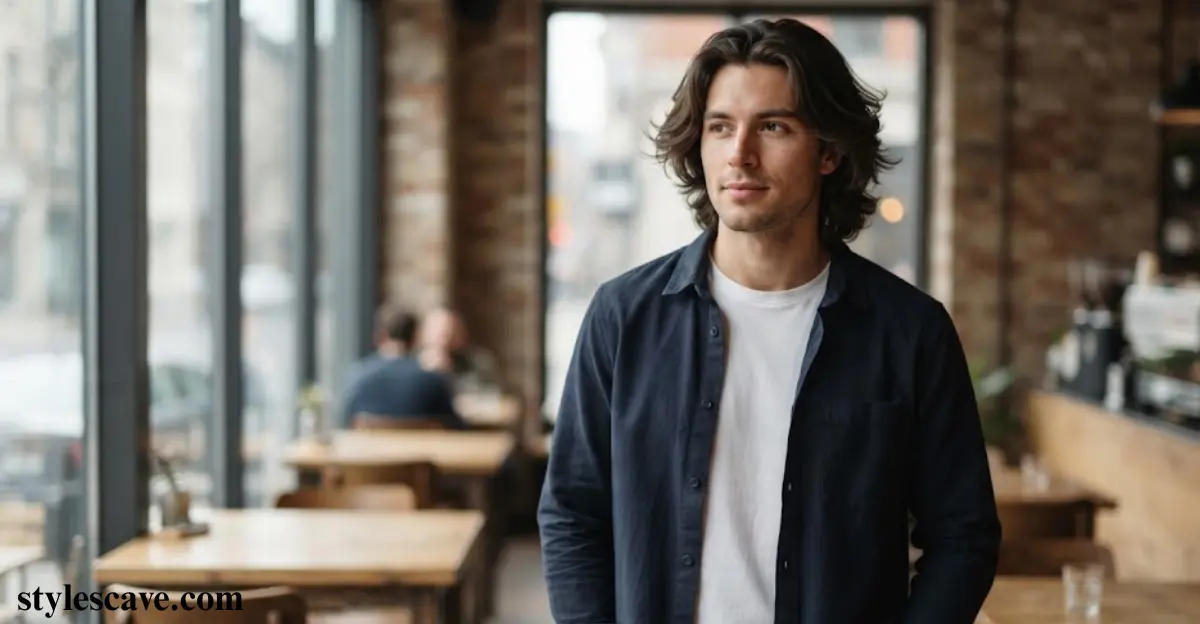
Flow with Middle Part uses a clean center part to divide the hair evenly while the longer sides fall naturally around the face. The middle separation, extended length, and symmetrical fall create balanced framing for different facial features, while the swept-back energy keeps the style relaxed and current.
For styling, use a blow-dry in the center direction before guiding each side slightly outward. A small amount of light cream helps maintain a smooth part and natural sweep, creating face framing, balanced proportions, and flowing strands without making the central separation look overly rigid.
I often find this style particularly appealing on younger guys who want to embrace longer lengths without making the haircut feel old-fashioned. The middle part gives the hair a clear structure while still allowing natural movement. In my experience, this combination explains much of the middle-part trend and its continued popularity.
Flow with Fade
Flow with Fade combines the longer top of a flowing hairstyle with either a low fade or mid fade, creating a modern take with cleaner structure. The graduated sides, sharp outline, and defined area around the ears and neckline provide contrast while the full length maintains uninterrupted flow and movement.
The fade height can be adjusted according to the desired appearance, from a subtle low-level fade to a stronger medium-level fade. Preserving the top length creates versatile styling, while regular barber visits maintain the clean perimeter, sharp edges, and smooth transition through the faded sides.
I usually recommend this option to men who enjoy longer hair but still want their haircut to look organized around the edges. The fade gives the style a fresher appearance without taking away its flowing character. In my experience, consistent fade maintenance is what keeps the contemporary shape looking intentional between cuts.
Messy Flow
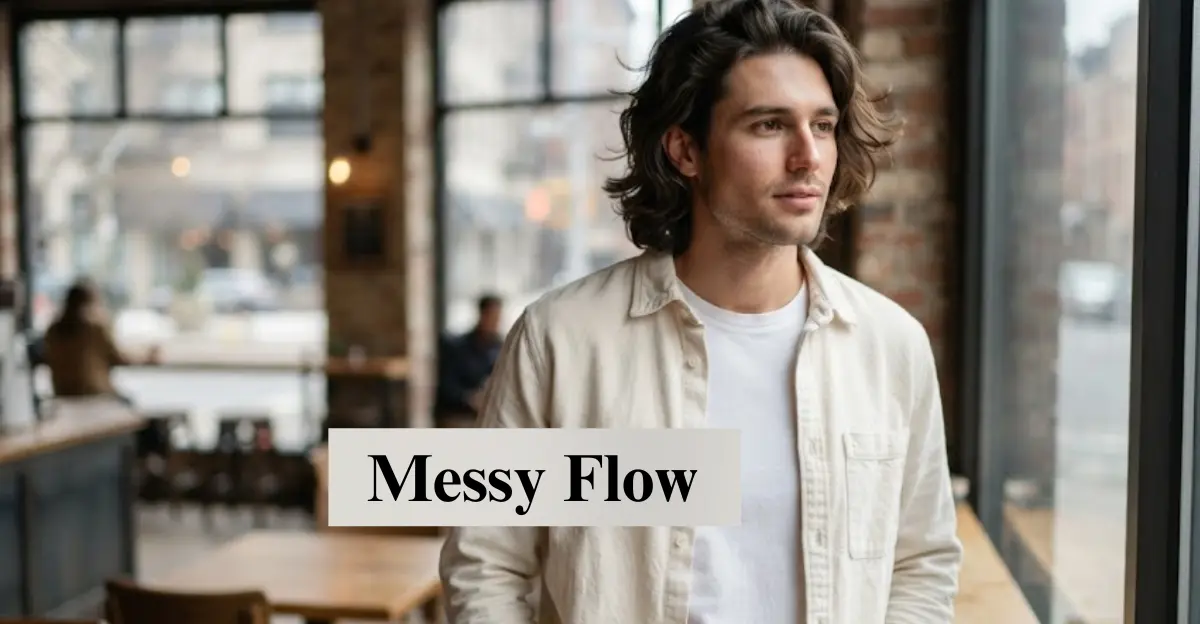
Messy Flow keeps the hair intentionally relaxed with a loose finish, irregular pieces, and natural movement instead of a perfectly combed style or structured shape. The added length supports a natural appearance, while relaxed texture, directional styling, and an unforced look create flowing hair that feels casual rather than carefully arranged.
Use your fingers instead of a comb to shape the strands, then work a small amount of matte paste through selected sections. This finger styling creates matte texture, loose movement, and an unstructured finish, while the natural fall and non-combed finish preserve an organic, carefree appearance.
I usually prefer this haircut when the goal is effortless grooming rather than precision. Leaving a few irregular strands gives the style more personality and keeps it from looking overworked. In my experience, the best results come from minimal product, easy styling, and allowing the natural flow to remain visible.
Professional Flow

Professional Flow gives the classic flow a more polished direction, combining a brushed-back look, medium length, and neat sides for an office-friendly appearance. A subtle taper around the ears and neckline creates a tidy outline, while controlled direction and restrained movement make the style suitable for meetings, formal events, and conservative workplaces.
Use a round brush to create gentle lift before applying light pomade for control and natural shine. The round-brush technique, backward styling, and pomade application produce a controlled top with a refined finish, while the clean neckline, ear contour, and tapered sides maintain a sophisticated silhouette.
I find this version especially useful when someone wants longer hair without losing a professional impression. The styling needs to remain controlled, but I avoid making the finish completely rigid because some movement keeps it natural. From my experience, this balance creates a classy flow, polished grooming, and a sharp flow suitable for professional settings.
Flowing Slick Back Undercut
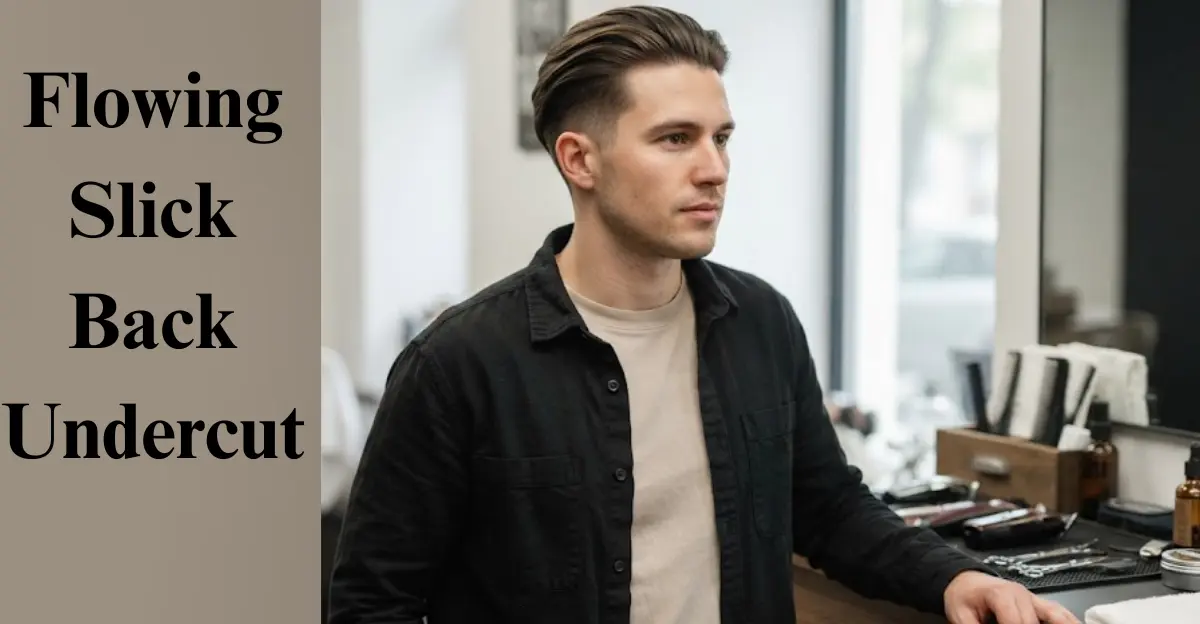
Flowing Slick Back Undercut combines a longer top with clipped sides and a disconnected perimeter for a strong, modern contrast. The swept-back top, ear-length hair, and longer length create a polished yet edgy style, while the undercut gives the classic shape a distinctly contemporary look.
Use a round-brush drying technique to guide the hair in a backward direction, then apply medium-hold pomade and finish with a comb technique. This creates a smooth surface, defined flow, and subtle glossy texture while maintaining structured movement, a sharp undercut, and bold profile.
I prefer this style when someone wants longer hair with a noticeably stronger edge. The disconnected sides make the upper length stand out, so there is little need for excessive styling. In my experience, keeping the finish smooth but flexible creates a refined silhouette and polished grooming without losing its modern character.
Side Part Flow
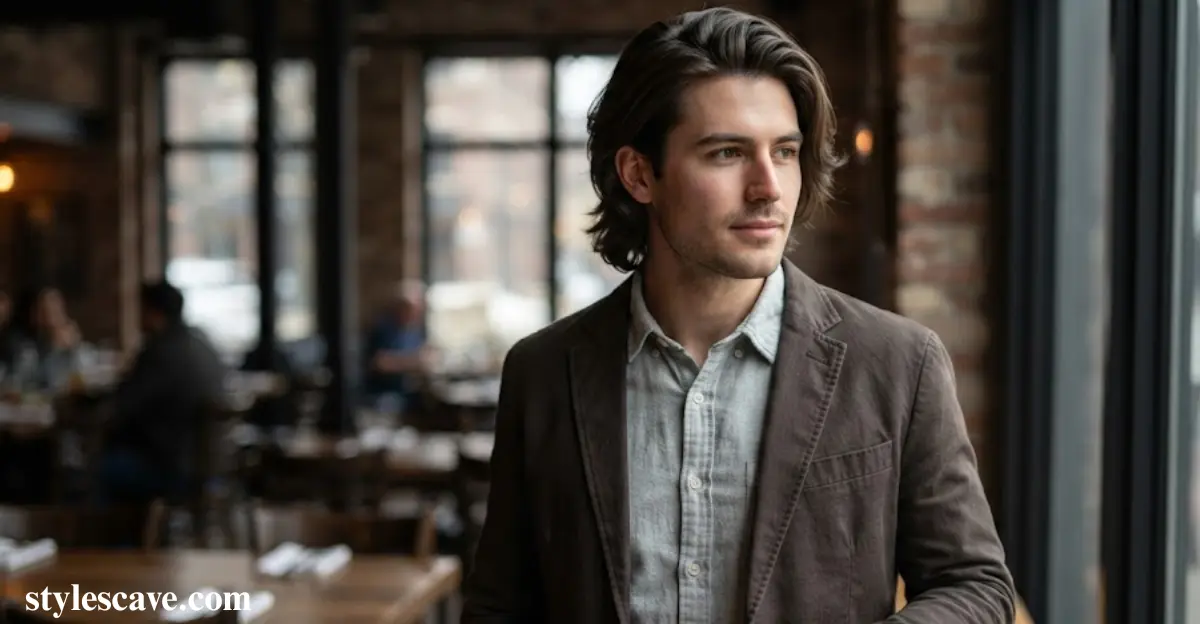
Side Part Flow uses defined parting to create a sharper shape with a structured yet flowing appearance. The defined division, directional length, and side separation give the haircut a mature character, while the added length preserves movement and prevents the style from looking overly rigid.
Start with damp styling and use a comb to establish the part line before applying a small amount of light pomade. The pomade hold adds controlled direction and understated shine, creating a polished texture and balanced shape while keeping the side-parted hairstyle naturally refined.
I usually suggest this variation when someone wants their flow to look more grown-up without removing its movement. The part provides enough structure to make the haircut feel intentional. From my experience, this approach creates a sophisticated finish and mature grooming while retaining a subtle classic influence.
Bro Flow
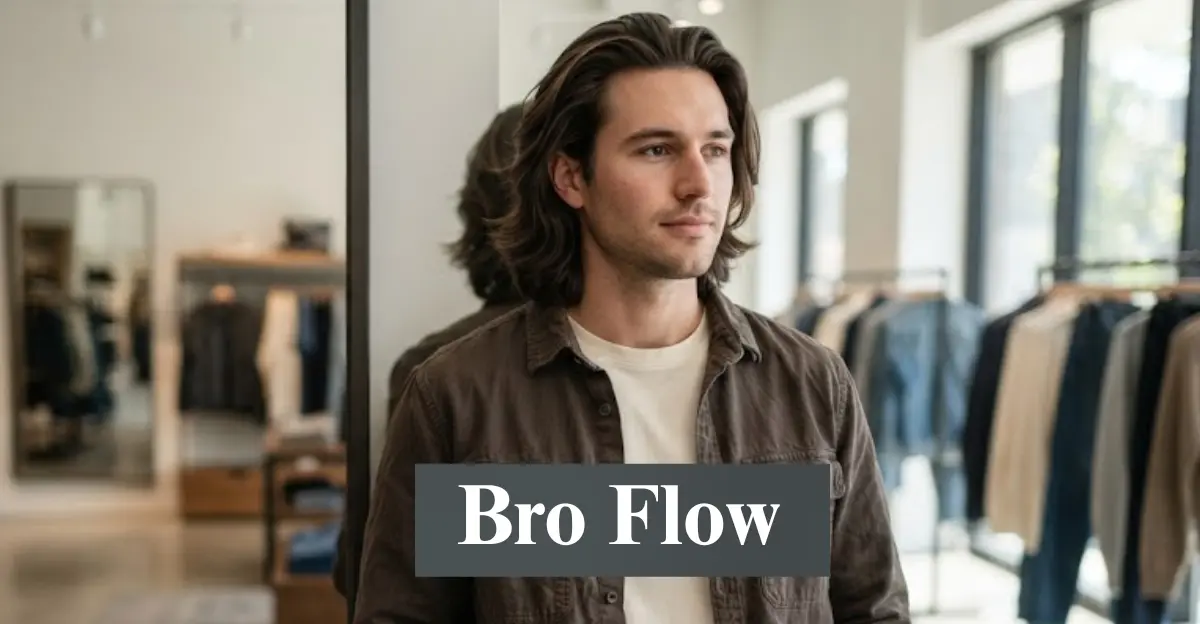
Bro Flow keeps a medium-to-long length that naturally sweeps backward and clears the face while falling around the ears and collar. Its natural texture, easy volume, and relaxed shape create the archetypal laid-back version of flowing hair, offering casual grooming without a fussy appearance.
Use a blow-dry to guide the backward sweep, then shape the strands with your fingers and a small amount of styling cream. This finger styling technique preserves natural fullness, facial clearance, and collar length while creating a soft cream finish, flowing movement, and easy styling.
I like the Bro Flow because it does not need to look overly perfected to work well. Allowing the hair to sit naturally behind the ears gives it most of its character. In my experience, this low-fuss styling creates an effortless appearance and relaxed silhouette that suits everyday wear.
Blonde Flow
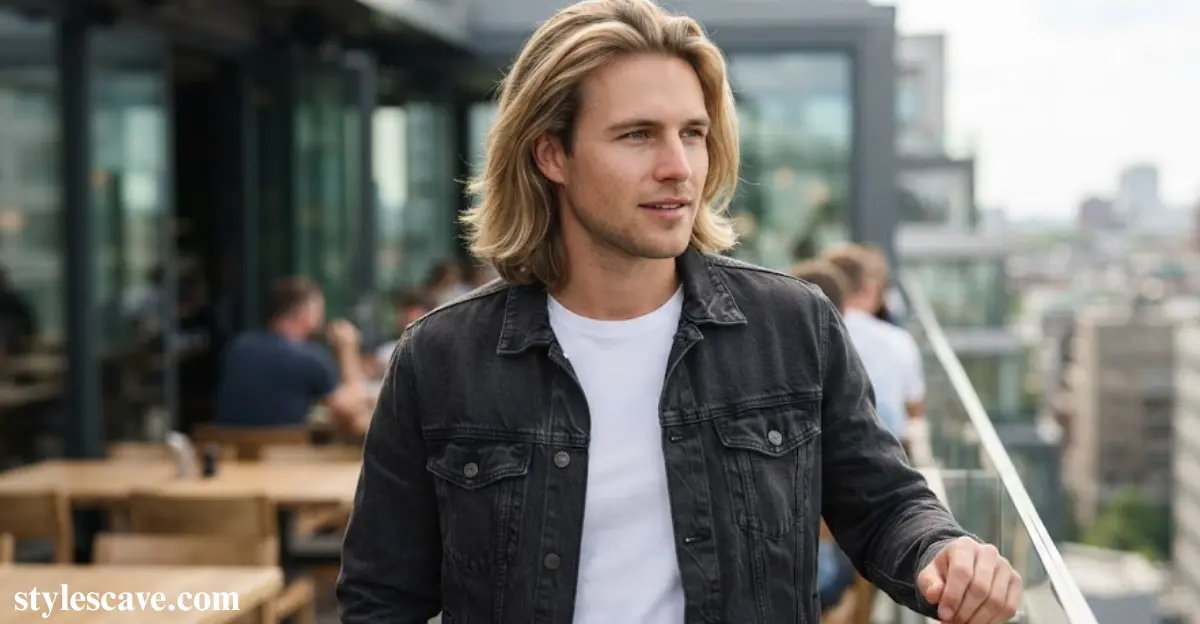
Blonde Flow combines a swept-back shape with blonde or bleached strands, allowing lighter tones to catch natural light and create noticeable color contrast. The length provides movement, while the reflective color and sharper shape give the hairstyle a bright appearance with a distinct light-toned character.
Maintaining blonde hair requires consistent color protection and a dedicated conditioning routine. Use color-safe shampoo regularly and add purple shampoo for weekly care when needed to preserve a cool blonde tone. Root maintenance and touch-ups every five to six weeks can help manage regrowth and maintain color preservation.
I have found that blonde flow needs more attention than darker versions because the color itself becomes part of the hairstyle. Regular conditioning helps keep bleached strands looking healthier and easier to style. In my experience, consistent weekly maintenance, color maintenance, and a proper haircare routine help maintain a vibrant appearance.
Athletic Flow
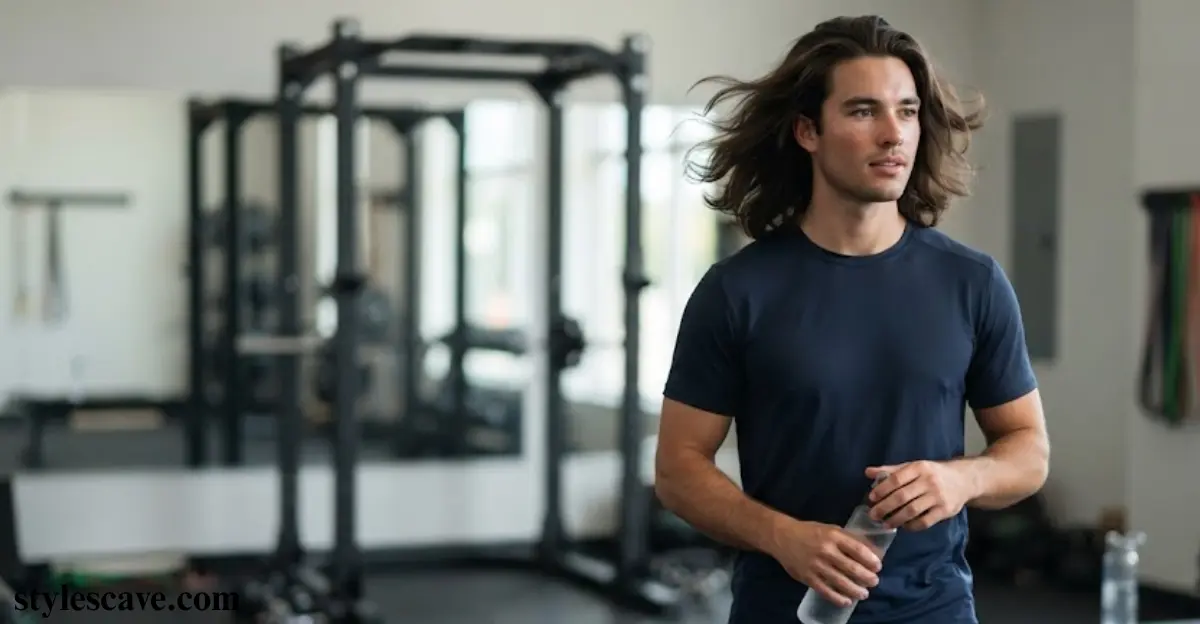
Athletic Flow keeps the length shorter than the classic version, making it practical for high-movement sports, daily workouts, and an active lifestyle. The moderate length provides visible motion while remaining easy to manage, creating a functional hairstyle that combines a stylish shape with sporty grooming.
For everyday use, let the hair air dry or guide it with your fingers after a workout. A small amount of texture cream provides lightweight styling and controlled flow without making the hair feel heavy, while the sport-friendly length keeps it compatible with hats and regular exercise routines.
I like this variation for men who need their hairstyle to keep up with an active schedule. It does not demand lengthy preparation before training or daily activities. In my experience, the shorter silhouette makes this a practical men’s haircut while still preserving enough movement to feel stylish.
Long Flow with Beard
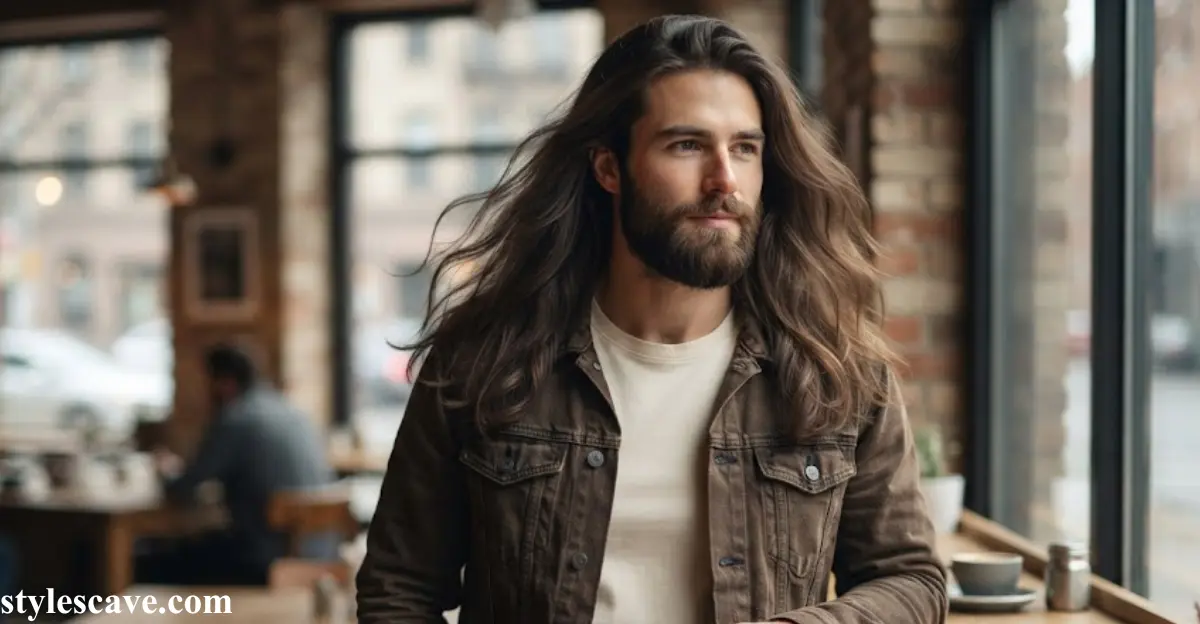
Long Flow with Beard combines extended hair with a full beard to create a strong masculine look that depends on balanced proportions. The longer hair frames the head and face, while substantial facial hair adds weight around the lower face, creating a cohesive appearance with a mature style.
Maintaining this combination requires commitment to both hair and beard care. A conditioning routine, regular trimming, and an oiling routine help manage growth, while beard shaping keeps the facial hair coordinated with the extended hairstyle. Proper maintenance also supports healthier-looking length and a cleaner overall silhouette.
I have found that the beard can completely change how long hair looks on the face. Keeping both areas reasonably shaped prevents the overall appearance from becoming unbalanced. From my experience, coordinated grooming and consistent care create the strongest masculine silhouette with this style.
Two Block Flow
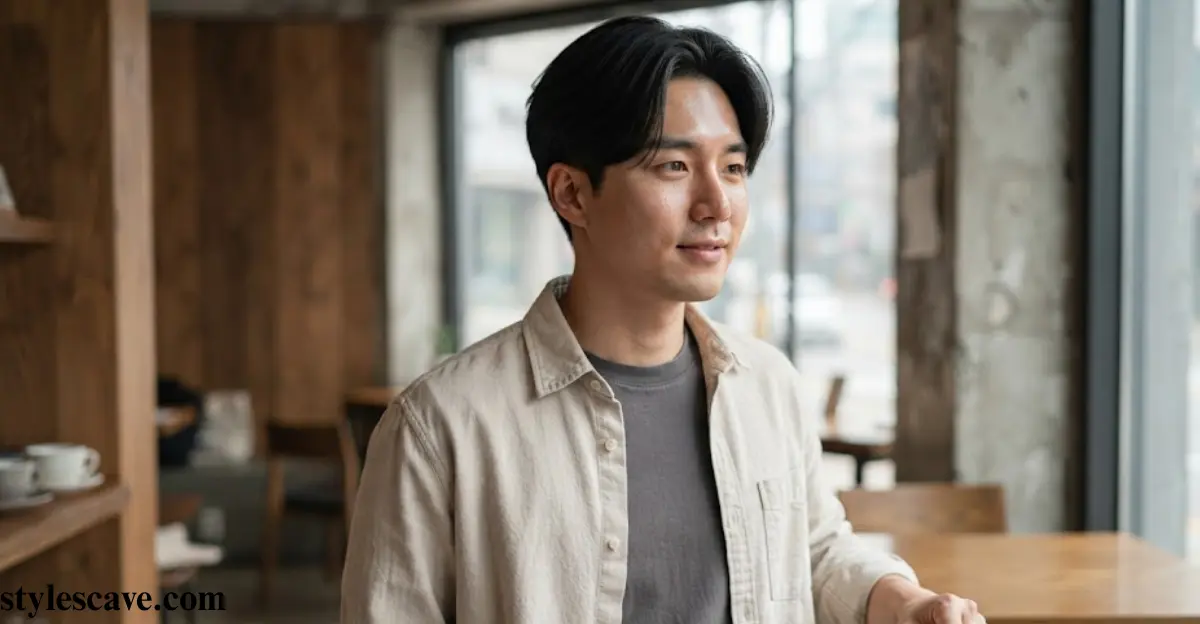
Two Block Flow combines cropped sides with a longer upper section, creating strong contrast between the short lower section and the flowing top. The extended crown can be swept backward to produce full movement, while the disconnected proportions give this modern hairstyle a distinct fashion-forward character.
Use a blow-dry to establish the backward sweep, then shape the hair with your fingers and apply a medium-hold matte product. This creates an elevated top, matte finish, and directional movement while preserving the flowing texture and contemporary silhouette.
I like this haircut when someone wants a noticeable contrast without relying on a very aggressive fade. The separation between the sections gives the style its personality. In my experience, the longer upper length works especially well for youthful grooming and modern styling.
Layered Flow
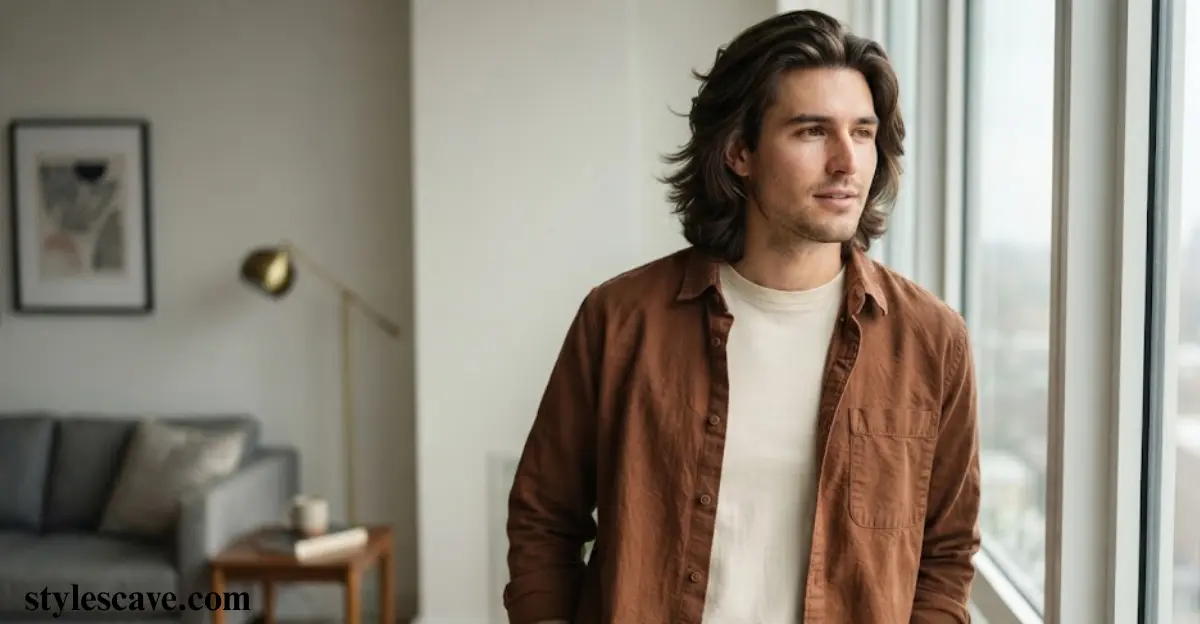
Layered Flow uses shear-cut layers to reduce unnecessary bulk while creating visible movement, shape, and a dimensional flow. It works particularly well with thick hair that needs weight removal, while fine hair can benefit from the added definition and wider range of movement created through graduated length.
A round-brush styling technique can lift the layers and reveal their structure before applying a small amount of styling cream. This cream finish supports natural volume and a lightweight silhouette, while the layered structure produces a softer appearance, versatile texture, and flowing layers.
I often prefer layers when the hair feels too heavy to move naturally. Removing the right amount of bulk can make a major difference without sacrificing overall length. In my experience, careful layering creates an adaptable haircut that feels lighter, more defined, and easier to style.
Asian Flow
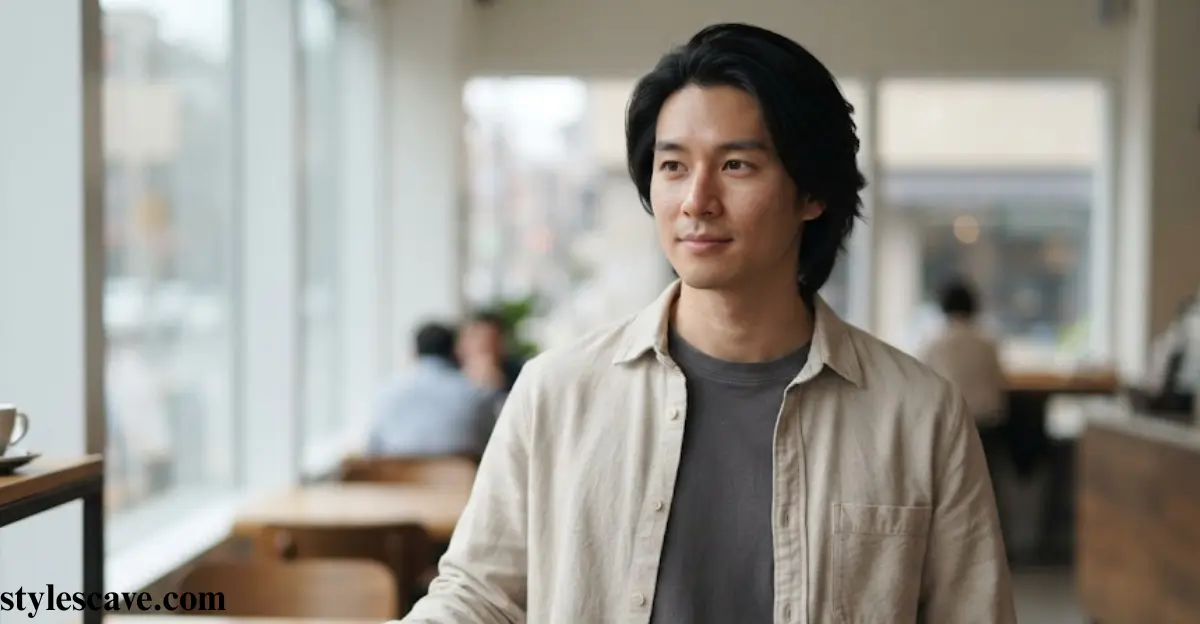
Asian Flow works especially well with straight hair and dense texture, using medium-to-long length to create a clean, sharp finish. The backward sweep and side direction follow the hair’s natural strengths, while defined lines and smooth texture create the sleek version often associated with Korean and East Asian street-style grooming.
Use a round-brush technique to create subtle root elevation before guiding the hair backward or toward the sides. A small amount of light pomade or styling cream keeps the strands controlled while preserving natural density, polished lines, smooth surface, and a refined silhouette.
I find this variation particularly effective when the hair already has strong natural density and a straight pattern. Heavy products are rarely necessary because the texture provides much of the shape. From my experience, light control and careful direction create the sharp flow and polished finish that make this style stand out.
Casual Flow
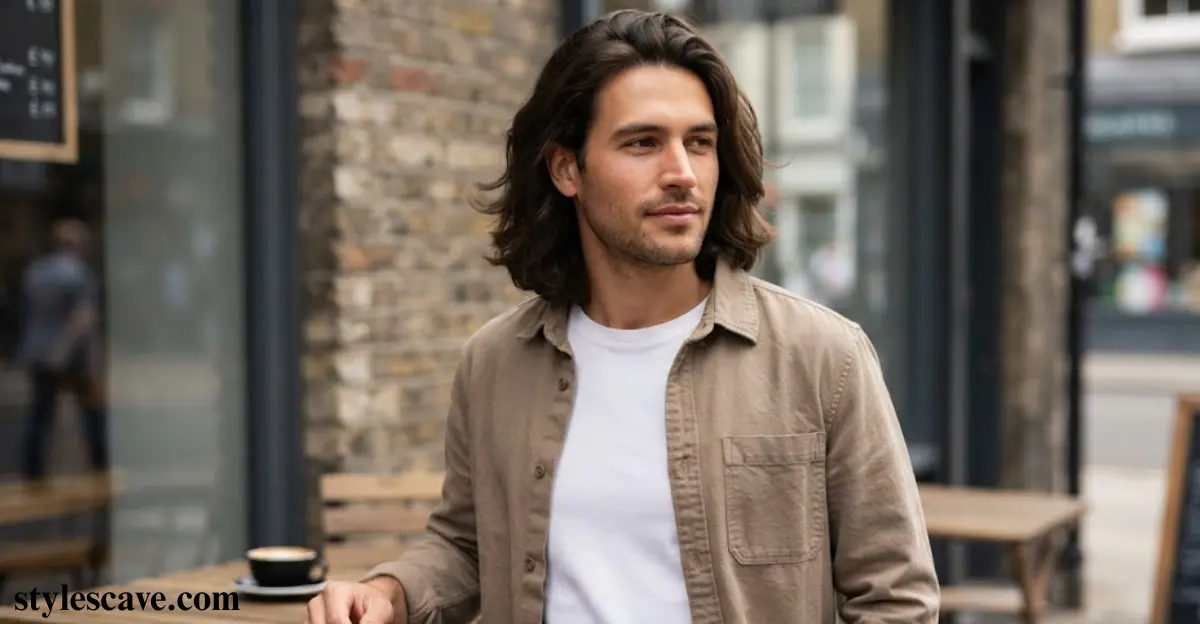
Casual Flow keeps the haircut relaxed with a relaxed finish, medium length, and natural texture that feels easy to wear without looking overly styled. The hair follows a loose, natural fall around the sides, while a loose perimeter and lived-in finish create an approachable style suited to weekends and other low-key settings.
For daily styling, gently towel dry the hair before using your fingers to guide the strands into place. A small amount of matte cream or texture spray provides light hold without removing natural movement, keeping the silhouette relaxed and the styling routine simple.
I usually prefer this version when someone wants their hair to look good without spending much time preparing it. The slightly imperfect finish gives the haircut more character than a heavily controlled style. In my experience, minimal maintenance and low-fuss grooming make this an easy haircut for everyday wear.
Fresh Brushed Back Flow
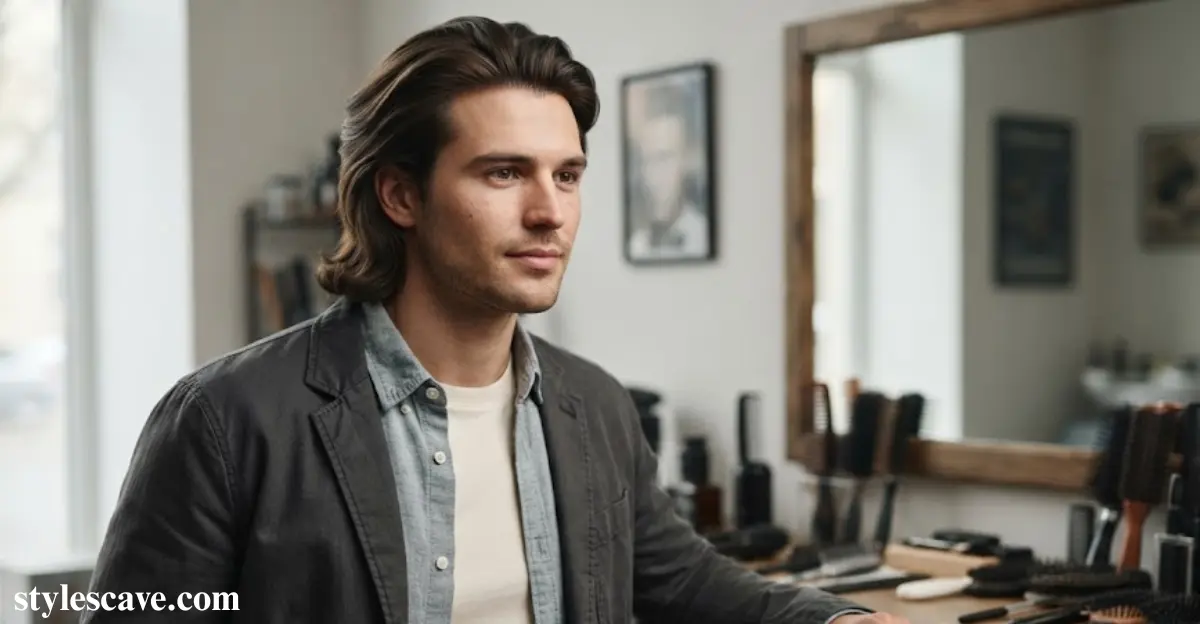
Fresh Brushed Back Flow creates a cleaner appearance by directing the longer top straight backward from the forehead. The intentional finish, visible lift at the roots, and defined lines create directional styling without turning the haircut into a true slick back, giving it a polished yet relaxed character.
Use a round brush during drying to build root lift and guide the hair from front to back. Follow with a small amount of matte styling cream and use a comb for controlled separation. This creates elevated roots, brushed texture, smooth movement, and a non-shiny finish with dependable all-day shape.
I like this approach when someone wants the freshness of a brushed-back haircut without the stiffness associated with heavily slicked styles. Keeping the product matte allows the hair to retain some natural softness. From my experience, this balance produces relaxed refinement with a contemporary flow and sophisticated haircut appearance.
How to Ask Your Barber for a Flow Haircut
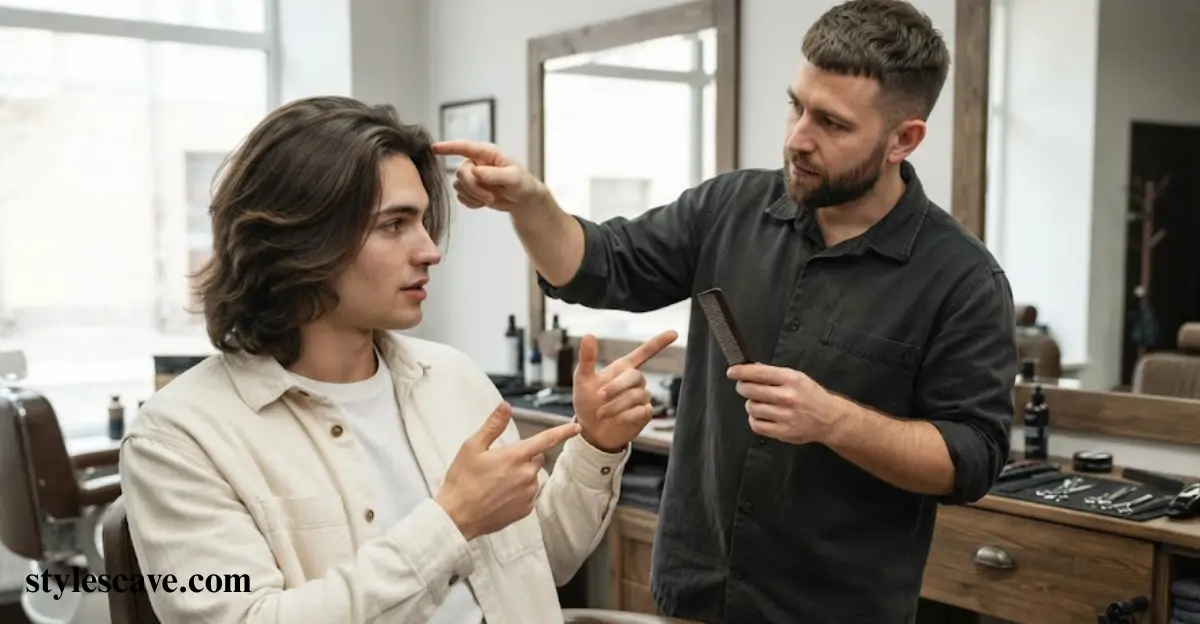
A good haircut conversation starts before the cutting begins, because simply asking for a flow haircut can lead to different interpretations. During the barber consultation, explain your preferred length, shape, and finish, then mention the specific flow variation you want. Bringing a visual reference can make your desired result much clearer and reduce guesswork, especially when discussing different flow variations and styling preferences.
During the pre-cut discussion, be specific about how much length you want to keep, how the sides should sit, and whether you prefer a relaxed or polished finish. Sharing your style clarity, specific request, and desired outcome gives the barber useful direction while still allowing their expertise to guide the cutting process. Proper appointment preparation also makes the consultation smoother and helps create a customized flow suited to your hair.
I always recommend spending a few minutes discussing the haircut before the first cut is made. A clear conversation can prevent the disappointing result that sometimes happens when the haircut name is left open to interpretation. In my experience, showing a visual reference and explaining your length preferences, shape preferences, and finish preferences gives the barber much better information for creating the result you actually want.
Name the Flow Version You Want
Using a specific style name makes your barber communication much clearer than relying on the general term flow. Mention whether you want a classic version, bro version, hockey version, or another specific variation so the barber understands your target appearance and haircut identity. Clear haircut terminology narrows the choice and turns a broad flow category into a precise request.
Before the appointment, decide which desired version matches your preferred appearance and bring a suitable style reference if possible. Explaining the haircut variation, target style, and specific haircut you have in mind gives the barber better direction while leaving room for personalized adjustments based on your hair.
I always find that naming the exact variation saves time during a haircut consultation. Saying “I want a flow” can mean several different things depending on the barber’s interpretation. In my experience, a defined style name creates much better barber clarity and makes the cutting process more predictable.
Specify Your Target Length
Your target length determines how the flow haircut will develop, so tell your barber exactly where you want the hair to fall. You can describe the desired hair length using landmarks such as ear length, collar length, or even chest length, depending on how long you want the finished cut to become.
If you are still growing your hair, explain your current cut and where you eventually want the strands to land. Discussing the cut length, growth stage, and desired shape helps the barber preserve enough length while controlling the areas that need refinement.
I recommend using a physical reference point instead of simply saying “long.” Different people have very different ideas about what long hair means. From my experience, telling the barber exactly where you want the hair to fall makes the final shape much easier to manage.
Decide How Clean or Shaggy You Want the Sides
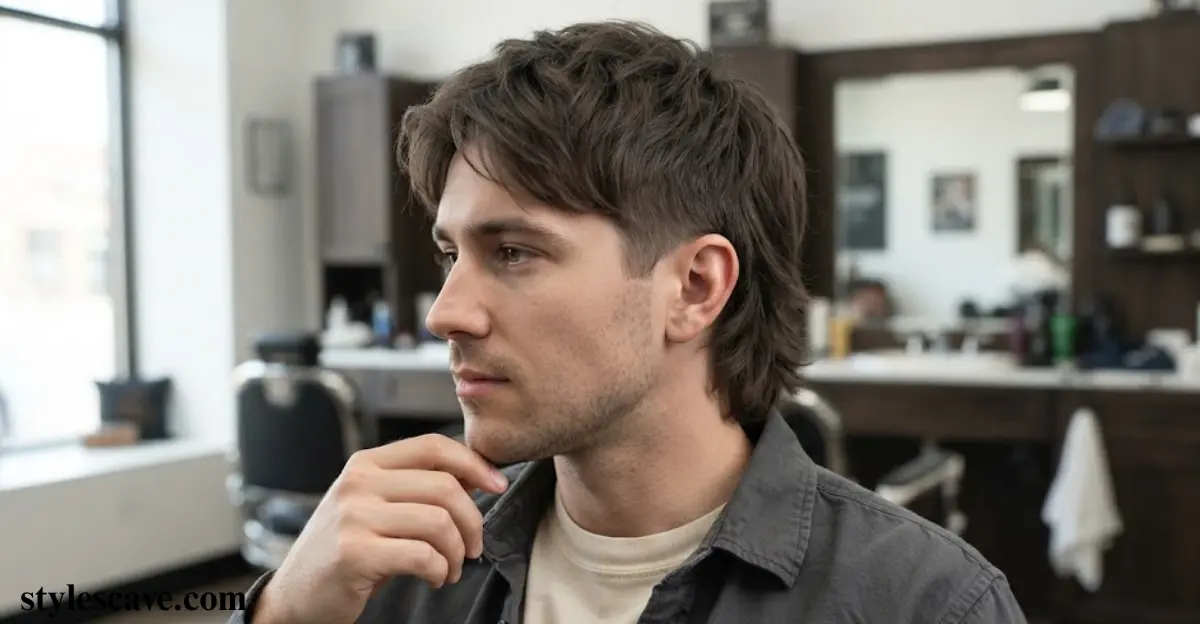
The sides can completely change the character of a flow, so decide whether you prefer longer sides that naturally blend into the style or a subtle taper that creates a cleaner outline. A faded or clipped-short approach introduces modern structure, while an undercut produces stronger contrast and a more dramatic silhouette.
Think of the choice as a spectrum between clean and shaggy. Longer side length preserves character and natural movement, whereas a taper, fade, or short sides can reduce maintenance and sharpen the haircut structure. Your barber can also adjust the side length according to how quickly your hair grows.
I usually suggest keeping some side length when the goal is a traditional flow rather than an extremely modern version. Removing too much can make the haircut lose its natural character. In my experience, the right balance between side length, taper, and contrast creates a more wearable modern flow.
Bring Reference Photos
Good reference photos show your barber the exact length, shape, and finish you have in mind. Bring several images showing the front view and side view, especially if you want to demonstrate a particular flow style or haircut variation. A clear visual reference can communicate details that are difficult to explain verbally.
When choosing photos, look for examples that resemble your own hair appearance and texture rather than focusing only on the celebrity or athlete wearing the haircut. Hairstyles can change dramatically between seasons or even on the same person, so compare images carefully before choosing your desired length, desired shape, and desired finish.
I always think photos are one of the most useful tools during a haircut consultation. A written description can leave too much room for interpretation, while several consistent images give the barber a clearer target. In my experience, showing matching front and side references makes communication considerably easier.
Talk About Your Growth Pattern and Cowlicks
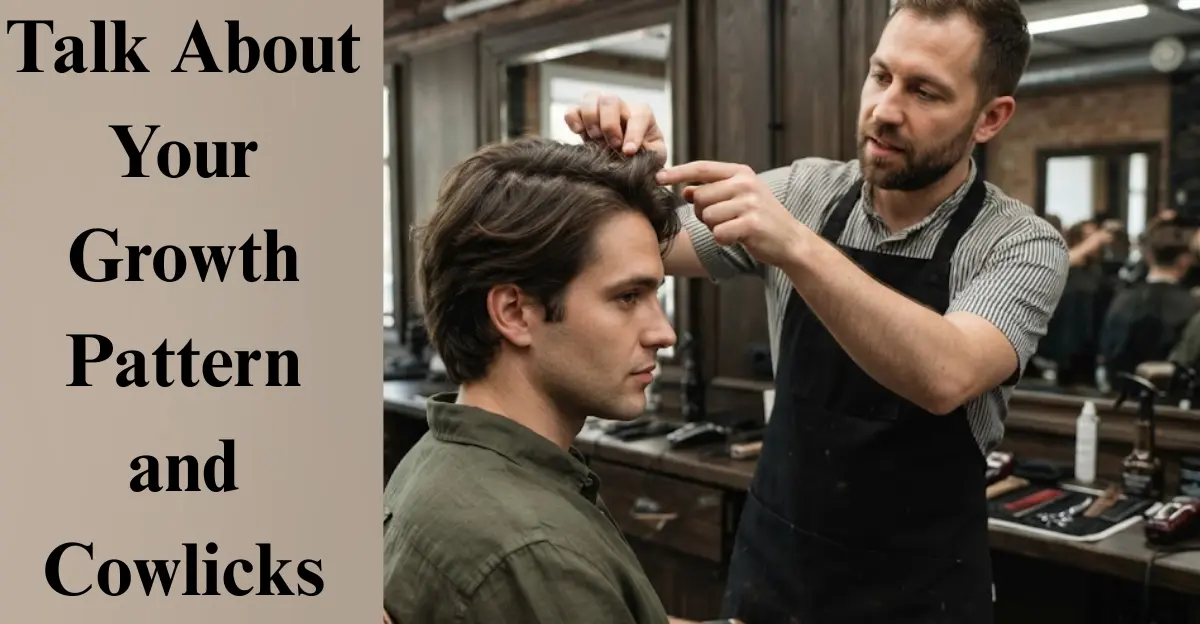
Tell your barber about your natural growth pattern, especially if you have a cowlick, stubborn spot, or unusual growth direction around the crown. These areas influence how the hair falls and how the flow haircut behaves, so discussing your natural growth helps the barber plan the cut around your actual hair behavior.
The barber can assess the crown area, hair movement, and natural growth before deciding how much to remove. Instead of forcing the strands to work against your hair, the cutting process can follow the direction your hair naturally wants to move, making the finished style easier to control.
I have found that acknowledging these details early prevents many styling frustrations later. A cowlick does not always need to be removed or fought against; sometimes the better solution is simply working with it. In my experience, respecting natural growth creates smoother movement and makes the flow much easier to style
Confirm Whether You Want a Beard Line Discussion
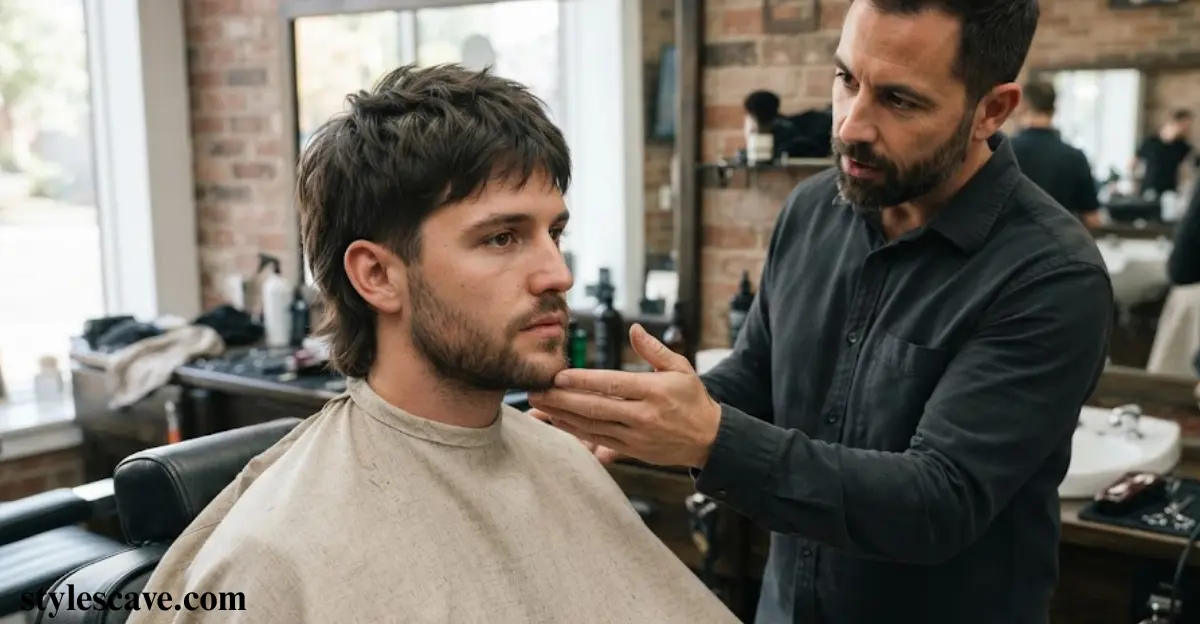
If you wear facial hair, ask your barber whether you want the beard line discussed alongside your flow haircut. A planned beard combination can make the haircut and beard feel visually cohesive, especially when you want a specific flow-and-beard appearance. The barber can consider beard shaping, clean edges, and the overall interaction between your beard style and haircut style.
Discussing both areas during the same visit can also make beard maintenance easier because the barber can shape the facial hair according to the finished haircut. Whether you prefer a clean cut or a fuller beard, explaining how you want the two styles to interact gives the barber a clearer direction.
I usually think it is better to mention the beard before the haircut is finished rather than treating it as an afterthought. Small changes to the beard line can noticeably affect how the face and hairstyle work together. In my experience, a coordinated approach produces a cleaner and more visually cohesive result.
Before Getting A Flow
Before getting a flow haircut, consider your hair type, current hair length, growth pattern, and the amount of styling you realistically want to do. If you are growing hair, discuss your current length and desired variation with your barber, then bring a photo found online that closely matches the style you want. Your hair texture and lifestyle should both influence the final haircut choice.
Think about your daily routine and whether you can handle the commitment that comes with longer hair. Different flow variations require different amounts of maintenance, so understanding the styling routine beforehand helps create realistic expectations. A good barber can also use your hair growth and texture to recommend a suitable flow hairstyle.
I have found that clients often focus on the finished photo without considering what it takes to maintain that appearance. The same haircut can behave differently depending on hair texture and daily habits. From my experience, discussing these practical details with your barber before the cut leads to a much more realistic and satisfying result.
Your Daily Routine
A flow needs more daily attention than a buzz cut or simple fade, but usually much less effort than a fully styled slick back. Plan on a few minutes of morning styling while keeping a healthy hair-care routine to maintain the length and overall hair condition. A shorter flow generally requires less styling time, while a longer flow demands more consistent care.
Your daily routine should match the haircut length and your available time. Regular hair maintenance, appropriate hair styling, and basic hair care help keep the flow hairstyle looking good throughout the day. If your routine is busy, choosing a shorter hairstyle may make more sense than committing to a longer hairstyle you cannot maintain.
I always recommend choosing the amount of hair you can realistically manage rather than selecting a style solely because it looks impressive in a photo. Even a few extra minutes can become frustrating if your schedule is packed. In my experience, matching styling minutes with your actual routine keeps the haircut looking better from day to day.
Your Workplace
Your workplace should also influence your flow haircut choice, particularly if you work in a professional setting. A short flow, flow with taper, or slick back flow can provide a cleaner and more polished appearance, while a longer flow may suit more relaxed environments. Hockey flow and other bolder versions can work better in creative workplaces or casual workplaces where longer hairstyles are accepted.
Consider whether your workplace environment favors a casual style, youthful look, or more conservative grooming. A taper can make a longer hairstyle appear more controlled, while a slick back offers a refined workplace style. Long flow can still look appropriate when the surrounding environment welcomes longer hair, whereas a bold hairstyle may require more careful styling.
I usually suggest looking at the expectations of your workplace before committing to a dramatic variation. A hairstyle can be fashionable and still feel out of place if it conflicts with the environment. In my experience, choosing a flow that fits both your personality and workplace makes the haircut much easier to wear confidently every day.
Conclusion
A flow hairstyle gives men plenty of room to express their personal style while keeping the hair natural and full of movement. Whether you prefer a short, clean version or a longer style with more volume, the right variation depends on your hair texture and daily routine. Fades, tapers, layers and different parting options can completely change the overall appearance. Regular trims and proper hair care will also help maintain the shape as your hair grows. Choose a style that fits both your personality and workplace rather than copying a look that may not suit your routine. With the right length and styling approach, a flow can remain versatile, modern and easy to wear.
FAQs
What is a flow hairstyle for men?
A flow hairstyle features medium-to-long hair that naturally moves backward, sideways, or around the face. It is known for its relaxed shape, natural movement, and flowing appearance.
How long does hair need to be for a flow haircut?
Most flow styles need at least a few inches of length on top and around the sides. Longer variations may require hair reaching the ears, collar, or shoulders.
Is a flow haircut good for thick hair?
Yes, thick hair works especially well because its natural density creates volume and movement. Layering can also remove excess weight and make thick hair easier to style.
How do you style a flow haircut?
Start with damp hair and use a blow-dryer, round brush, or fingers to guide the hair backward or sideways. A lightweight cream, matte paste, or styling product can provide control without making it stiff.
How often should you trim a flow haircut?
A trim every 6–10 weeks can help maintain the shape while allowing the hair to keep growing. Shorter flow styles with fades or tapers may need more frequent barber visits






- Be Respectful
- Stay Relevant
- Stay Positive
- True Feedback
- Encourage Discussion
- Avoid Spamming
- No Fake News
- Don't Copy-Paste
- No Personal Attacks
- Be Respectful
- Stay Relevant
- Stay Positive
- True Feedback
- Encourage Discussion
- Avoid Spamming
- No Fake News
- Don't Copy-Paste
- No Personal Attacks
