How to Straighten Hair Without Heat: 5 Easy Tips
Updated: January 6, 2026
62
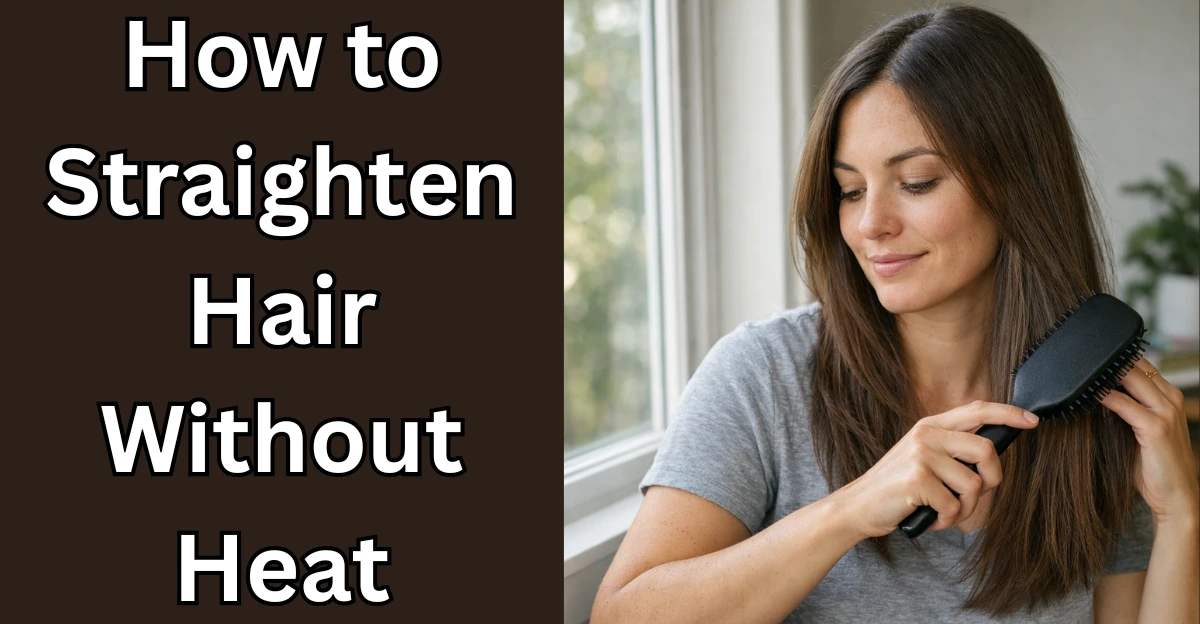
Achieving smooth, straight hair without heat is a healthier approach that protects hair from damage while enhancing softness, control and natural texture through simple heat free methods. By focusing on moisture balance, gentle styling techniques and the right products, you can maintain a sleek appearance without relying on hot tools or chemical treatments. Explore these effective strategies now and start your heat free straightening routine today for healthier and more manageable hair.
Table of Contents
Why Avoiding Heat Protects Hair
Avoiding heat during styling with tools like flatirons and blow dryers saves hair from long-term damage caused by high temperatures that strip natural moisture over time, leading to dryness, split ends, breakage, a weakened shaft and strands becoming more prone to frizz and brittleness, which is why opting for no-heat methods is a gentler approach that preserves overall health, supports effective techniques that reduce stress on strands, maintain shine and strength, and proves ideal for fragile or chemically treated hair.
From my professional work with different textures, I’ve consistently seen better elasticity over time, fewer split ends during routine trims, stronger hair response to products, and noticeably healthier strands when heat is completely removed from daily styling.
How to Straighten Hair Without Damaging It
Keeping hair straight without heat starts by using the right techniques and doing prep properly. Begin with washing and conditioning using a detergent-free shampoo, then gently squeeze extra water as much as possible. Never press hair with a rough towel, a microfiber option like aquis works best to absorb moisture without roughing the strands. Hair should be damp, not soaking wet, then apply leave-in conditioner evenly to help it hold a straightened shape. These tips make the process look straight and get it done safely, avoiding heat stress.
From my experience, careful prep always gives better control. I have seen smoother alignment when moisture is balanced. Over time, this approach keeps hair healthier and easier to manage.
Method 1: Brushing
This method of brushing is the simplest way to straighten natural hair and does not require heat, but it does need time and the patience to wait until hair is fully dry. First, find a clean part, then use a comb, fingers, or hands to guide the hair before you brush it while damp, always moving down and pulling gently but tightly for a few minutes until it is completely set. Adding a leave-in conditioner is necessary to prevent lift at the root, create a nice texture, improve the overall look, and tame strays, while a light oil-based product helps smooth everything out.
From my experience, this method rewards consistency more than force. I have seen noticeably straighter results when brushing is done slowly and evenly. Over time, the hair starts responding faster and looks naturally smoother with less effort.
Method 2: Wrapping
This method of wrapping works best when hair is wet, starting by using a comb to divide the middle, then moving the left section all the way to the right in a smooth combover motion and wrap it around the back of the head. Use large bobby pins to secure and guide each portion from one side to the other, making sure every pin sits well, then let it air dry completely, which takes time and works best if you sleep overnight with a silk scarf on.
If needed, a blow on cool when hair is nearly dry helps prevent dents, and placing a sandwich sliver of cardboard or tissue under pins avoids marks.
From my experience, wrapping gives the smoothest finish when sections are clean and tension is balanced. I have personally learned that rushing causes dents and uneven flow. With regular practice, this method becomes faster and delivers consistently straighter results.
Method 3: Rolling
The rolling technique is a reliable method to straighten without heat, an old-fashioned, tried and true approach that remains the best choice for straightening coarser and curlier textures of hair by using jumbo rollers, usually six plastic ones for a smoother effect, while velcro or foam options also work when hair is damp.
Start by creating a clean section the width of the comb, keep strands flat, wrap the hair around the roller against the head with even tension, then roll inward and use a duckbill clip on the side to secure it, allowing room to experiment with size since bigger rollers create straighter results while smaller ones add a slight bump at the crown.
The largest rollers should be placed where you want less curve, especially near the ends, while smaller rollers can refine shape and once you remove them after hair is completely dry, avoiding leftover moisture is key because it can re-activate a curl or wave.
From my experience, roller placement matters more than speed. I have noticed straighter flow when tension stays even throughout. With time, this method trains hair to relax naturally and hold shape longer.
Method 4: Cool Blow-Drying
This method uses cool blow drying with electricity but helps avoid heat by using a dryer set to cool while a brush or fingers gently coax curly hair straight, making this trick effective when done with control. Keep the nozzle pointed steadily out and down toward the ends, and move in concert with your hand, since dirt and oils can collect and transfer back into the hair, which makes it important to use a clean hairbrush.
Once hair is completely dry, avoid over touch, then apply a tiny oil or pomade to calm flyaways and reduce frizz, always keep this balance in mind.
From my experience, patience with airflow gives the cleanest finish. I have found smoother results when movement stays slow and controlled. Over time, this method delivers straightness without stressing the hair.
Method 5: Banding
This method of banding works unlike rollers or wraps because it can be worn as a style itself while it gently pulls damp hair straight by starting with a low ponytail, or two or more sections if hair is very thick.
Fasten a soft tie or small scrunchie at the base, then add additional ties spaced about an inch apart moving down the length, helping strands hold together without needing to bind too tightly, which helps leave fewer marks while still being enough to let hair dry completely. This is a great overnight option, and once you remove the bands, the hair falls straighter and more controlled.
From my experience, softer ties make a big difference in the final look. I have seen cleaner results when spacing stays even throughout. With regular use, banding trains hair to stretch naturally without stress.
Additional Tips and Resources
Small finishing choices can elevate heat-free straightening results and help maintain a polished look for longer. Use the right support products consistently to protect texture, improve smoothness, and extend wear time. Try these essentials and refine your routine today for healthier, sleeker hair results.
1. Hair Balm
A lightweight hair balm works as a gentle leave-in conditioner during prep, helping strands hold their straightened shape without weighing them down. It softens the surface, improves manageability and keeps hair controlled throughout the day.
2. Microfiber Towel
A microfiber towel efficiently absorbs excess water without causing frizz, making it ideal after washing. It reduces friction, protects the cuticle and prepares hair for smoother heat-free styling.
3. Silk Scarf
Wearing a silk scarf at night prevents friction and maintains smoothness overnight. It helps preserve straightened styles, minimizes flyaways and supports consistent results by morning.
4. Oil-Based Serum
An oil-based serum lightly tames flyaways and adds natural shine without heaviness. Used sparingly, it seals the finish and keeps hair looking sleek and refined.
From my experience, combining these small steps makes a noticeable difference in results. I have seen better longevity and smoother texture when these are used consistently. Over time, they help maintain straight styles with less effort and stress on the hair.
Tips for Maintaining Straight Hair
Adopt these simple habits to keep your hair smooth, controlled, and healthy for longer with minimal effort.
1. Sulfate-Free Cleanser
A sulfate-free cleanser helps retain natural moisture in the hair, which plays a key role in preventing frizz. Gentle cleansing supports a straighter finish while protecting the cuticle.
2. Silk Pillowcase or Scarf
Sleeping on a silk pillowcase or using a scarf to wrap the hair helps maintain lasting smoothness. Less friction overnight means fewer bends and less disruption to the style.
3. Avoid Touching Hair
Make it a habit to avoid constant touching of the hair to prevent oil transfer from hands. Reduced contact keeps strands clean, sleek and aligned longer.
4. Hair Balm and Water Mist
To refresh your style, use a light mist of water and gently dab hair balm where needed. This helps redefine the straightened look without flattening or buildup.
Using the right tools with patience and choosing air-drying as the healthiest option can treat hair that feels damaged, fragile or even styled with extensions more gently. Prioritizing heat-free methods over rushed styling is one of the smartest choices to avoid damaging heat, knowing when to retire the blow dryer or flat iron is often the best option, not an obligation, since hot tools and frequent heat-style routines should always be used safely and sparingly.
From my experience, consistency matters more than products alone. I have seen better results when heat is treated as a backup, not a habit. Over time, this mindset keeps hair straighter, stronger and easier to manage.
Conclusion
Straightening hair without heat is about making smarter choices that protect strength, moisture, and overall health. With the right techniques, tools, and patience, smooth and polished results are achievable without daily damage. Consistency and gentle care allow hair to respond better over time and hold its shape longer. Commit to these habits to maintain straight hair that looks refined, resilient, and naturally healthy.
FAQs
What can I use instead of a hair straightener?
You can use heat-free methods like brushing, wrapping, rolling, or banding to straighten hair without damage. Leave-in conditioners, microfiber towels, and silk scarves help improve smoothness and control. These alternatives protect hair health while still delivering a straight and polished look.
What is the quickest way to straighten hair?
Cool blow-drying with a brush is one of the fastest ways to straighten hair with minimal risk. It speeds up drying while avoiding high temperatures that cause damage. Using the right products helps lock in smoothness quickly.
What is the healthiest hair straightening method?
Air-drying combined with techniques like banding, wrapping, or rolling is the healthiest option. These methods maintain moisture, reduce breakage and protect natural texture. Over time, hair becomes stronger, smoother and easier to manage without heat.
Please Write Your Comments