How to Moisturize Hair: 13 Tips to Make Hydrate Hair
Updated: January 4, 2026
61
Keeping your hair moisturized and hydrated is essential to prevent dry, brittle strands and maintain a silky and luscious look. By following simple, easy tips and the right products in your routine, you can nourish parched locks and enjoy hair that truly feels healthy and properly cared for. Start rehydrating your hair today and discover how small tweaks can make a big difference in keeping your strands happy and fully nourished.
Table of Contents
1. Use moisturizing shampoo
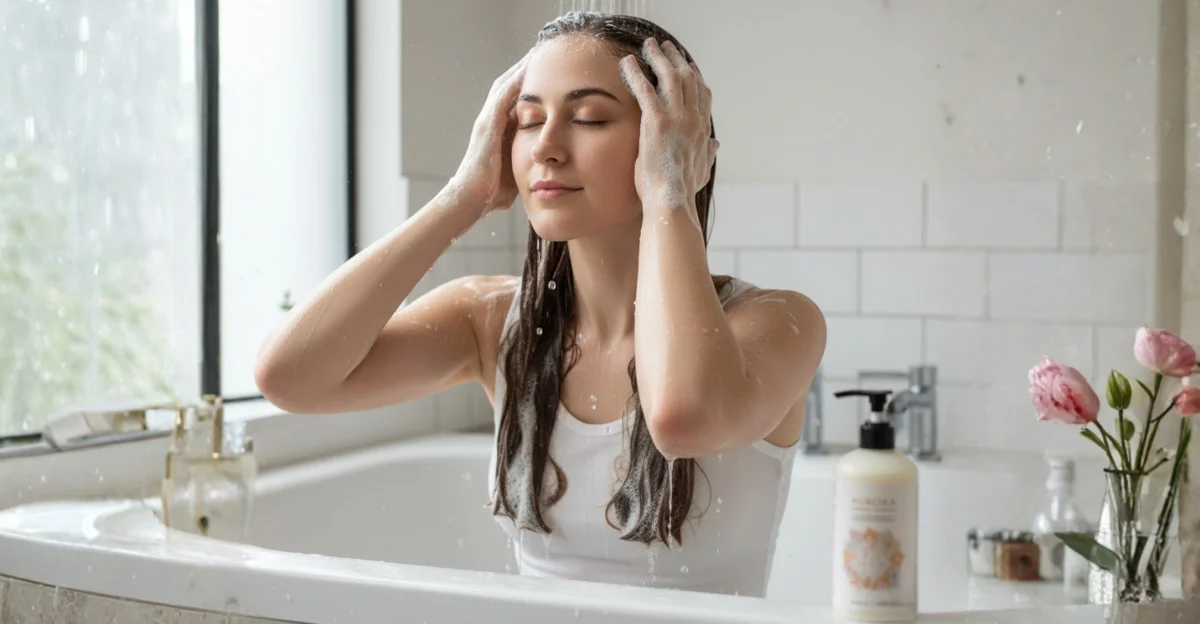
Choosing the best moisturizing shampoo is the first step to transforming dry, frizzy, or dull hair into soft, manageable strands. A rich and concentrated formula like Biolage Professional Hydra Source gently cleanses while nourishing the scalp and retaining natural oils, which adds shine and increase softness with each single application.
Unlike typical shampoos, it gives more results in less time, making styling easier and helping cut inshower conditioning time when paired with the corresponding Conditioning Balm.
Personally, I noticed that incorporating aloe and plant-based ingredients keeps my hair hydrated without leaving buildup and focusing efforts on a complete routine rather than only shampoo makes a dramatic difference in overall manageability and shine.
2. Try a hair mask

Every little step counts when you want to improve hair quality, and adding an intensive mask to your wash day lineup is a great idea. A well chosen option like Mizani Moisture Fusion Intense Moisturizing Mask works deeply and restores essential hydration. It features rich cupuaçu butter, argan oil, and honey which together help dry strands feel softer and healthier with consistent use.
To apply it right, focus on conditioning damp sections so the formula spreads evenly. After application, cover hair with a thermal plastic cap for a few minutes, then rinse well. Towel dry gently before any heat style, and your strands will please love the smooth finish and manageability it leaves behind.
Another strong option is Pureology Hydrate Superfood Treatment for Dry hair that needs a nutrient infused solution. It is ideal for all types and helps boost shine while intensely moisturizing locks. It also offers color protection through the inclusion of the brand’s patented Antifade Complex, making it a smart choice for treated hair.
From my own experience working with different textures and routines, masks became a turning point once I treated them as care, not luxury. I noticed stronger softness and better moisture balance when I stayed consistent instead of rushing results. Using the right mask weekly changed how my hair responded to styling and environmental stress.
3. Rinse with cool water
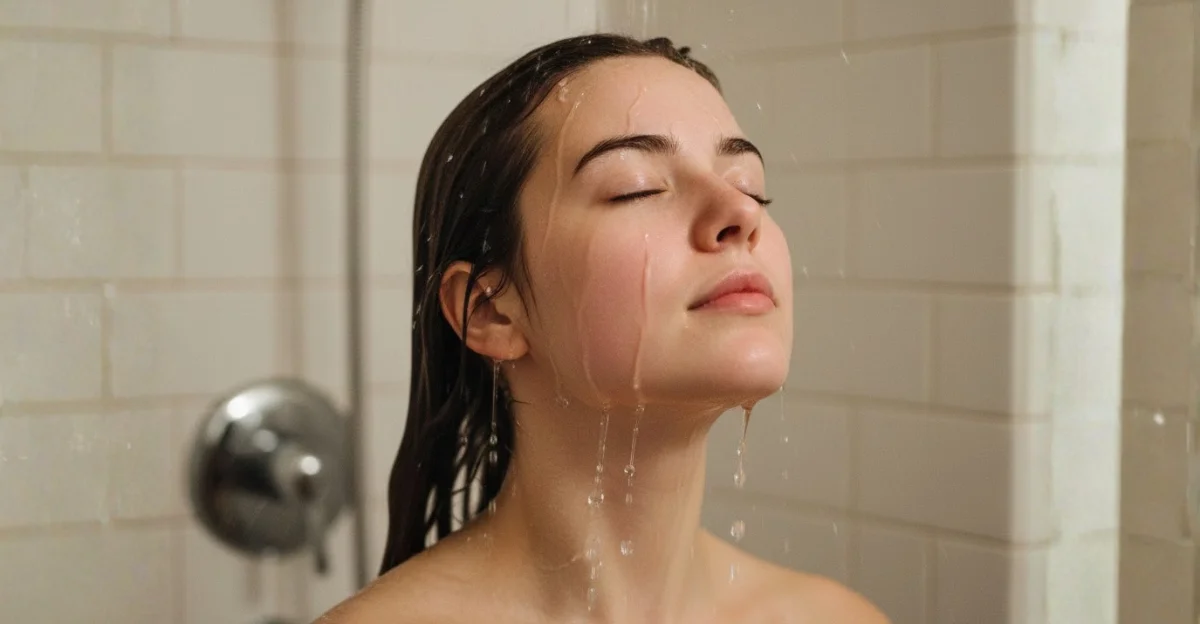
A simple rinse with cool water can make a visible difference to both skin and hair health because using excessively hot water on hair can strip your mane of natural oils. During washing, it is better to use warm water for shampoo and conditioner, then switch temperatures to close the cuticle and keep hair moisturized.
According to pros, this small habit is a making easy adjustment that helps lock in conditioning, add shine and is especially helpful for dry or color-treated hair.
From my own routine, once I committed to ending every wash this way, my hair felt smoother within weeks. Styling became easier and frizz was reduced without adding products. Over time, the shine lasted longer between washes. It is one of those quiet changes that delivers real results when done consistently.
4. Apply hair serum
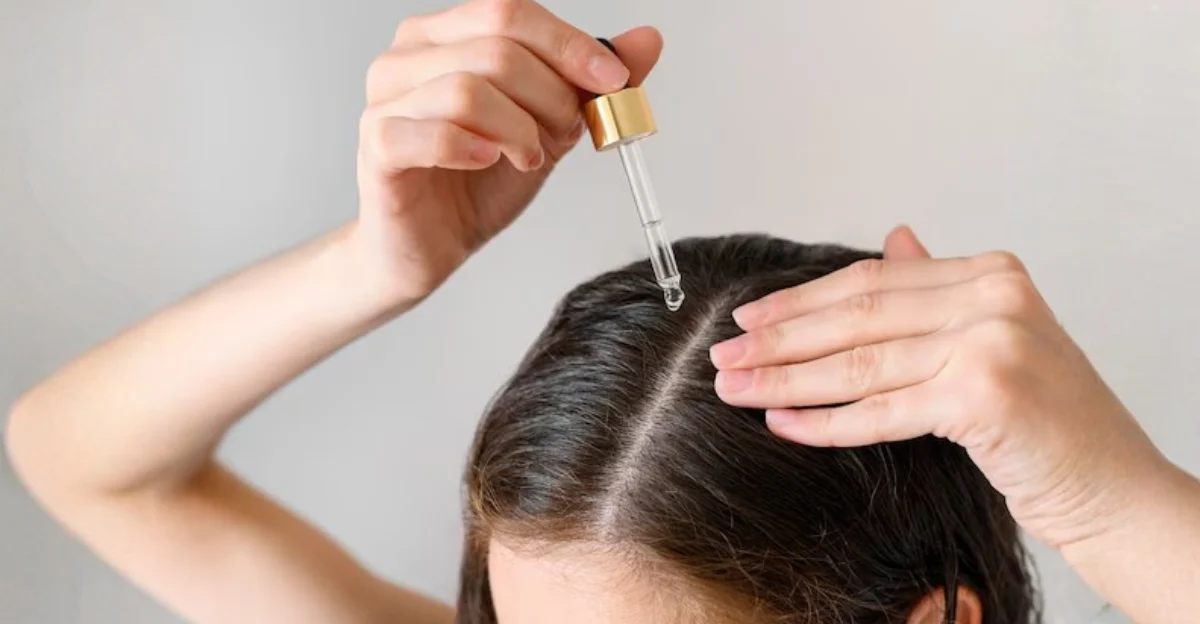
To apply hair serum the right way is to rethink how it should feel in your daily regimen, not as a heavy product but as a finishing step. When starting, I always remind people to treat it like an elaborate skincare routine, which fits perfectly into the skinification trend shaping modern haircare. A slew of innovative formulas are now designed to target specific results, making serum a perfect example of an optional, albeit helpful, method for long-term moisture care.
Serum works by coating the outer layer of each strand to seal moisture, enhance shine and smooth hair texture. This benefit is clear for coarse and frizzy hair, and it is particularly useful across different types. I often recommend Kérastase 8H Magic Night as an overnight option made with plant-based proteins that provides eight hours of nourishment.
You simply work it into leave-in hair on damp lengths at night, with no need to rinse in the a.m.
I started using overnight serums when styling damage became obvious, and the difference was immediate. I would wake up with soft, supple-feeling hair that needed less heat. Over time, it became my most reliable step for moisture control without buildup.
5. Use heat protectant
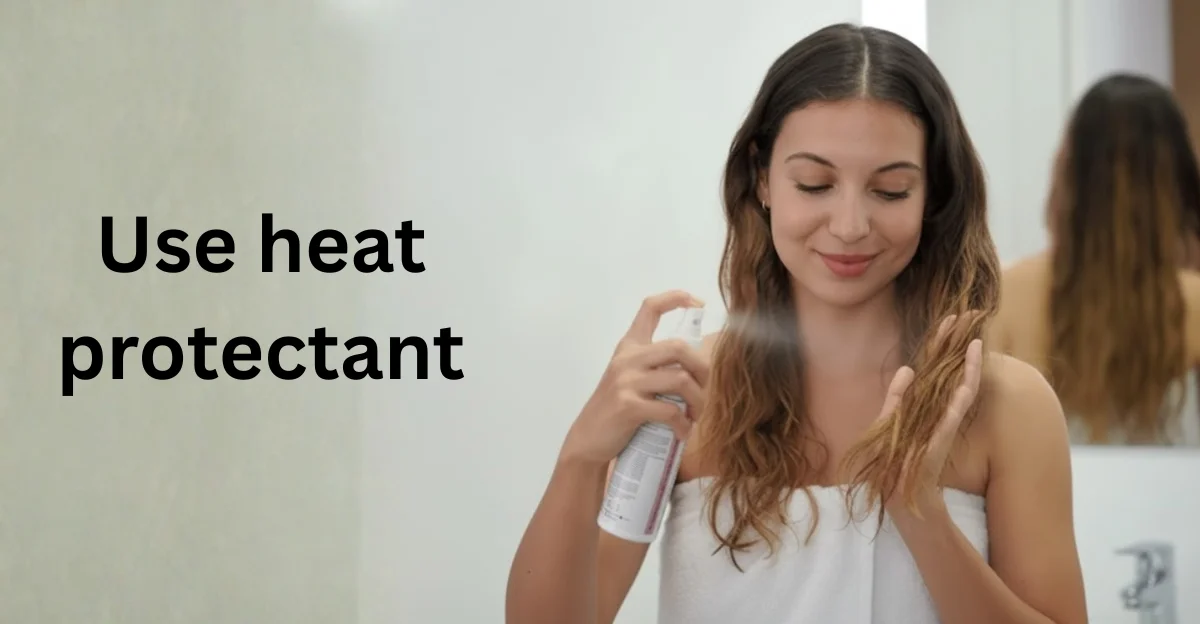
When you use heat regularly, a protectant becomes essential because dry hair and breakage are more likely to follow, especially when hot tools are a part of your styling routine. A good formula helps guard against damage, so it is always smart to try something reliable like Mizani’s Thermastrength Protecting Serum, a cream-based option that controls frizz while delivering a smooth and shiny finish.
From my own experience, skipping this step always showed up later as rough texture and split ends. Once I stayed consistent with heat protection, my hair retained moisture longer. Styling felt safer and results looked healthier over time.
6. Add leave-in conditioner
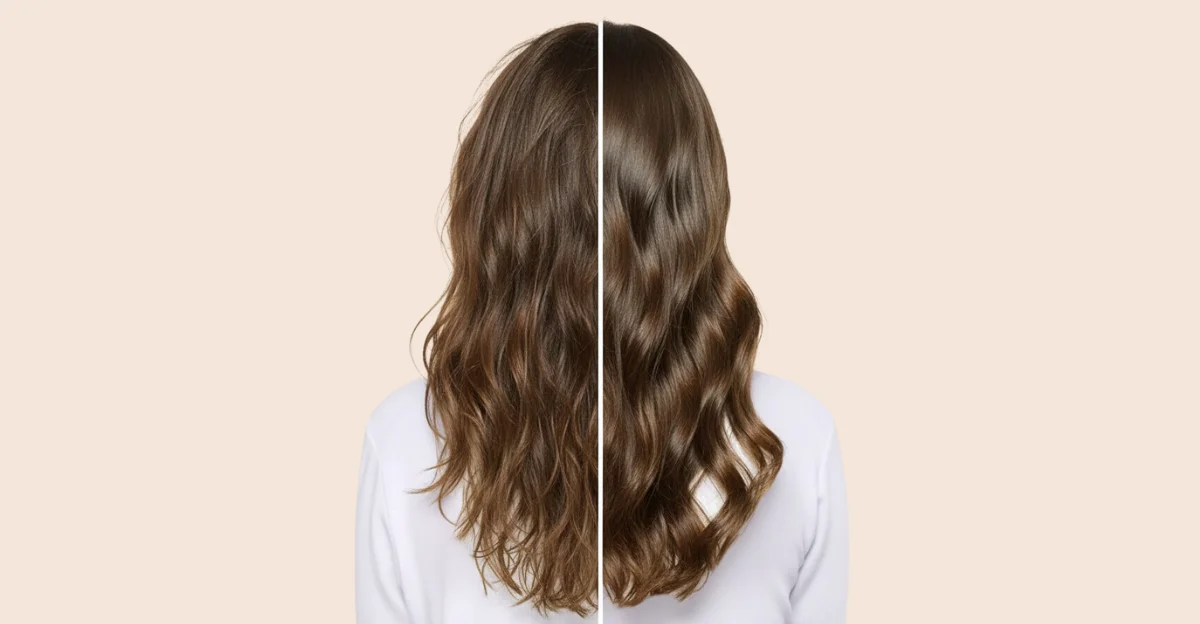
When you add a leave-in conditioner, parched hair becomes less difficult to style, whether you wear natural curls or go for a sleek blowout. This step can help hydrate strands and make them more manageable, so you can easily pull off your favorite hairstyles without dryness taking over. A good leave-in works quietly throughout the day, supporting moisture without effort.
One standout option is Mizani 25 Benefit Miracle Milk, a lightweight formula that repairs and detangles while enhancing curls, waves and coils. This benefit makes it a smart buy, especially since it is formulated with coconut oil to boost softness and shine while deeply moisturizing the hair. It fits well into routines that need results without heaviness.
For extra advice tailored to specific curly needs, keep scrolling to a dedicated whole section on this topic further down. A simple pro tip when applying is starting at the ends and working your way up toward the roots, which is one of the best tips when it comes to using product efficiently. This method helps you pick the right amount and avoid weighing hair down.
From my own experience, leave-in conditioner completely changed how my hair behaves between washes. Once I focused on correct placement instead of quantity, styling became faster and smoother. My curls stayed defined longer and dryness stopped creeping in midday. It is now a non-negotiable step in my moisture routine.
7. Spread out hair services
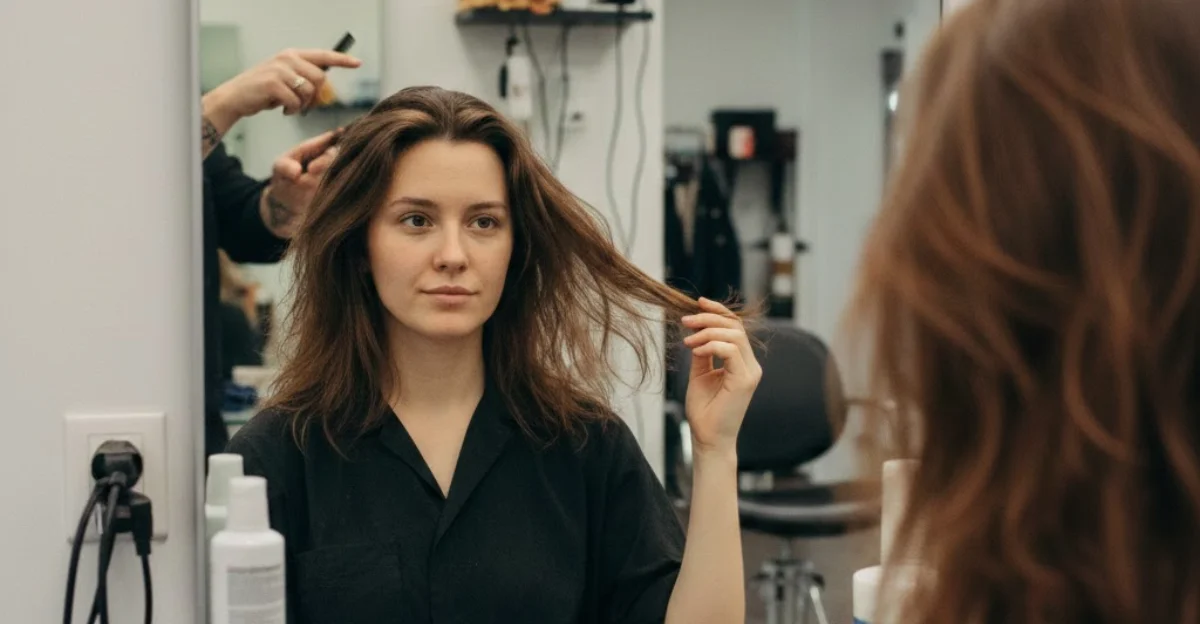
To spread out hair services is one of the smartest ways to prevent overprocessing, which is one of the most common ways people accidentally remove much-needed moisture from their hair. Experts often advise you to make regular salon visits to maintain color, refresh a cut, but also to be mindful about adding a little more time between chemical work. Spacing things out helps hair recover instead of constantly being stressed.
If you do a perm or relaxer, delaying touch-ups is a good idea, and the American Academy of Dermatology considers it best to allow eight to 10 weeks or longer between professional treatments. This becomes especially important during winter, when hair can get particularly brittle and fragile. Giving hair that breaks protects hydration and strength over time.
In the same vein, you may want to just book one service at a time. For example, leave getting coloring and cuts as separate appointments, which is often worth keeping in mind. Since everyone’s hair is different, be sure you can handle multiple services in one day before heading back to your stylist.
From my own experience, spacing appointments completely changed my hair’s condition. Once I slowed down, dryness reduced and breakage stopped creeping in. My stylist helped help me find the right solution based on my schedule and hair type. That balance kept my hair healthier without sacrificing the look I wanted.
8. Incorporate hair oils
To incorporate hair oils as a real fix for dry strands, it helps to understand there are no quick answers if the first approach is always using the same oil. Many people do not know how products, lifestyle, and daily choices can quietly strip moisture from strands and lead to ongoing dryness. Being mindful of what you are using can already help lock in hydration your hair will love.
A great option is Matrix Food Soft, which is infused with avocado and hyaluronic acid and boosts moisture in locks up to seven times more for 72 hours. There is no need to fret about weighing hair down because this oil is designed to do its job with a silky formula. It absorbs well and leaves hair soft instead of greasy.
The texture is buildable, meaning you can layer the product as needed. You can simply apply a few drops after shampoo, conditioner or a mask, depending on your mood and how dry your hair feels that day. This flexibility makes oils easier to stick with long term.
From my own experience, oils worked best once I stopped overusing them and focused on timing. Applying small amounts on damp hair made a visible difference in softness. Over time, my hair stayed hydrated longer between washes. It became a support step instead of a temporary shine trick.
9. Try co-washing
If you try co-washing, you might notice a shift in how your hair responds, especially if you haven’t found the right balance between clarifying shampoo and conditioner.
People who tend to wash their hair frequently may consider skipping their next time’s lather with shampoo and instead embracing the natural community approach that supports dehydrated curls. This method has become popular in the late 2010s because it works well when you skip a step and focus on washing with only conditioner. Proponents of this technique use it regularly to combine both cleansing and moisturizing for long-term benefits.
For those seeking the actual experience, Matrix Curl Can Dream is a great option that nourishes dry hair while providing gentle care without stripping essential oils. Co-washing allows strands to retain moisture, especially for curly textures that react poorly to frequent shampooing.
From my personal experience, switching to co-washing transformed my curl definition and reduced frizz. My hair stopped feeling tight or brittle after every wash, and the combination of cleansing and hydration made styling far easier. Consistency was key; once I embraced it fully, my curls looked healthier and stayed softer for days.
10. Limit heat styling

To limit heat styling is crucial if you want healthier hair, and it goes without saying that frequent use of blow dryers, flat irons, and curling tools can take a serious toll on your mane. Using a protectant as discussed above can help shield your strands, but you may want to consider reducing exposure. This step can prevent breakage and hot tools while still allowing you to enjoy your practice of air-dried hairstyles.
Experimenting with new approaches lets you find a new favorite look without constantly relying on heat. Even simple tweaks, like letting hair dry naturally for a few days a week, can make a noticeable difference.
From my personal experience, dialing back on heat styling completely changed my hair’s texture. My strands felt stronger, and frizz was reduced dramatically. I discovered that letting hair air-dry or using minimal heat not only preserved moisture but also made styling easier over time.
11. Switch to a silk pillow

When you switch to a silk pillow or pillowcases, your hair instantly feels indulgent and luxurious, but that isn’t the only reason this habit has become popular. The real hair benefits come from fabrics that soak less moisture than silky options, so they don’t retain water the same way and let your sleep better. Silk helps hold onto hydration plus keeps strands on a smooth fabric that helps limit friction, which would otherwise contribute to frizz and breakage.
From my experience, making the switch to silk pillowcases was a small change with a noticeable difference. My hair wakes up softer, less tangled, and easier to style. Over time, the reduction in breakage and frizz has made it feel healthier and more manageable, especially on nights after heavy styling.
12. Minimize bleach damage
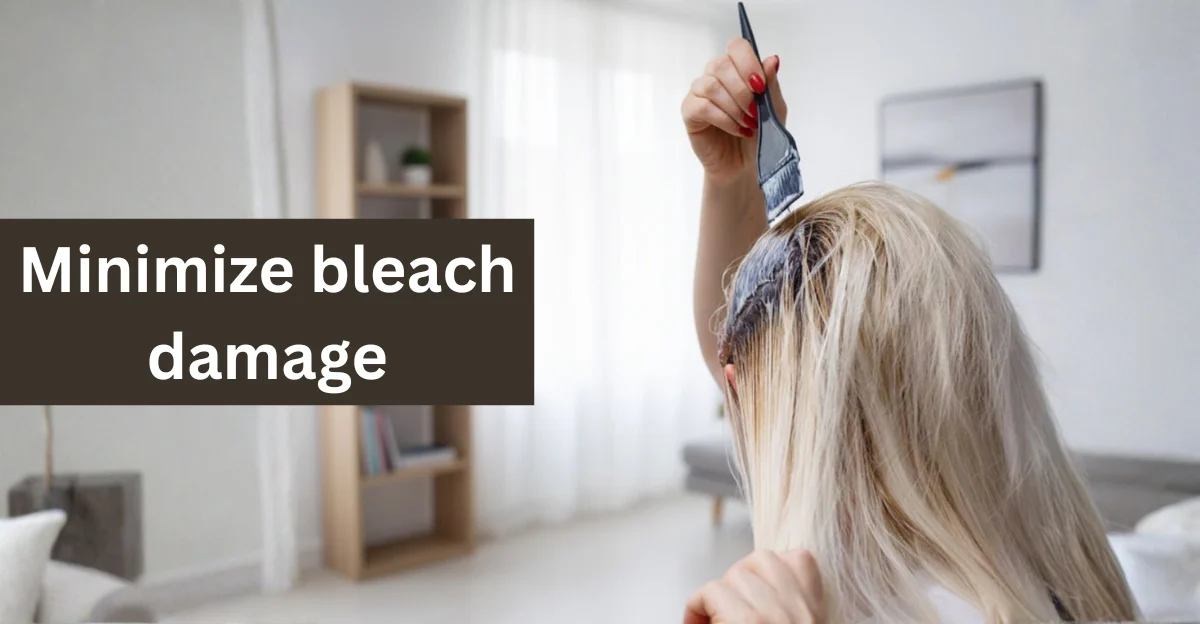
To minimize bleach damage, it’s important to approach dramatic hair color changes with care. Those that involve bleaching should be done slowly, transitioning over time, which is often more helpful than rushing a gradual transformation. Taking this approach makes it less difficult to keep dryness at bay while allowing strands to stay resilient between sessions. Use products specifically for color-treated, bleached hair to maintain moisture and strength.
From my experience, spacing out bleaching sessions and using targeted treatments like Cica Cream transformed my bleached hair. Breakage reduced, strands felt softer, and color looked more vibrant for longer. Patience and consistent care made all the difference in maintaining healthy hair despite repeated lightning.
13. Nourish your scalp
To nourish your scalp, it’s important to understand its needs for moisture and how to incorporate it into a pre-shampoo oil routine. Proper care helps both hair and scalp simultaneously, keeping strands healthy from root to tip. A product like Shu Uemura Art of Hair Essence Absolue Treatment is exactly the kind of soothing formula that targets hydration while talking to your hair gently.
This treatment is crafted from a blend of natural camelia, jojoba, argan, and avocado oils, which hydrate dry scalps and give a soft and shiny finish from root to tip. It integrates effortlessly into your routine, leaving hair and scalp refreshed without feeling heavy.
From my own experience, adding a nourishing scalp treatment made a dramatic difference in overall hair health. My roots felt balanced, dryness disappeared and the shine extended through the length of my hair. Over time, scalp care became as essential as any leave-in or mask, and my hair responded with stronger and more hydrated strands.
How to Moisturize Curly Hair
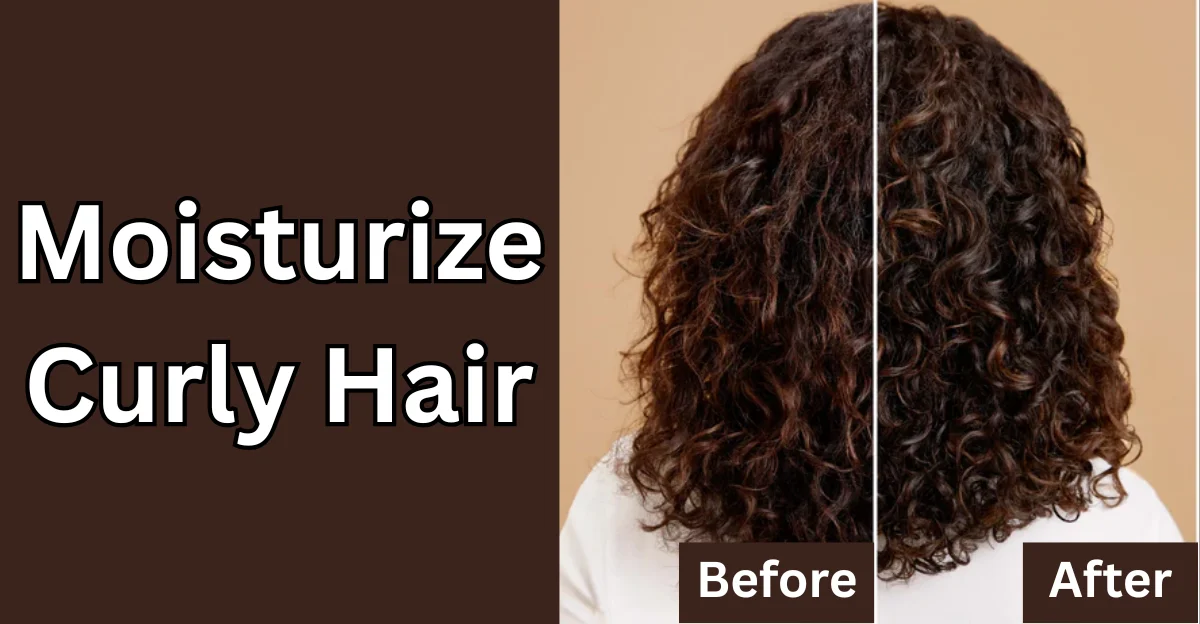
To moisturize curly hair effectively, it’s important to follow tips that are relevant to your specific texture. Parched curls require learning how to keep them moisturized without making the routine complicated. Unlike other types, ringlets, coils, and tight twists need effort to stay hydrated and maintain their naturally defined patterns. Loose curls are less prone to dryness and damage, but all types benefit from nourishing twists and turns at the follicles to keep strands healthy.
Because curly hair is often harder to manage, natural oil from the scalp has to travel longer along strands that are more porous than straight hair, making retaining moisture a challenge. When it is lost easily, people come to blame limp hair or unwanted frizz. The key is to accept this reality and focus on building an arsenal of rich, layerable products that refine and nourish each curl. Consistency is the key to success.
A great place to start is Shu Uemura Art Urban Moisture Shampoo and Conditioner, which contains moringa and red algae, a nutrient-dense duo that intensely purifies, protects, and restores bounce while preserving hydration. For extra care, a mask like Matrix A Curl Can Dream Rich will strengthen, infuse and leave defined and frizz-free curls.
From my experience, moisturizing curly hair requires patience and the right combination of products. Using a nutrient-rich shampoo and conditioner with a deep mask transformed my ringlets. Strands became softer, curls stayed defined longer and frizzwas reduced without extra effort. Accepting the unique needs of each curl pattern makes the routine rewarding and manageable.
How to Moisturize Bleached Hair
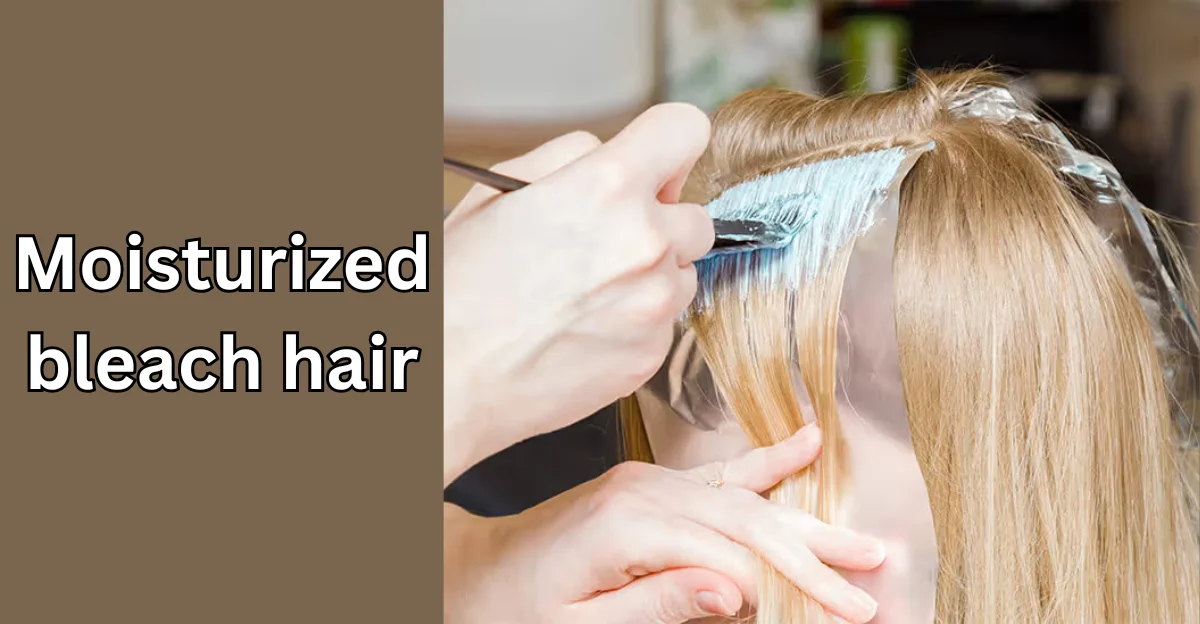
To moisturize bleached hair, it’s important to remember that bleaching chemically alters your locks, making it a big commitment. To avoid damage after major transformations, don’t leave parched, weak, and vulnerable strands untreated. Knowing how to care after bleaching helps your hair start to feel less coarse, rough, and almost crunchy when air dried.
The result of becoming porous requires you to add more moisture into the equation to improve the overall look, feel and strength of strands while helping reinforce weakened bonds.
Nourishing shampoos and conditioners, like Matrix Unbreak My Blonde with a sulfate-free formula, revive chemically treated hair, making it softer and stronger. Incorporating bond-repairing solutions into your day-to-day regimen is smart. This includes leave-in or concentrated products, like Redken Acidic Bonding Concentrate, which help strengthen stressed hair. It is formulated with citric Bonding Care Complex to provide color-fade protection, making it ideal for color-treated hair needs.
For extra care, a lovely restorative mask such as Shu Uemura Art Ultimate Reset Extreme Repair targets frequent treatments with intensive repairing rice extract that promotes healthier strands. Massage onto wet hair from middle to ends, wait five to 10 minutes, then rinse, giving tresses a smoother, longer-lasting softness and shine.
From my experience, moisturizing bleached hair is about consistency and using the right products. Incorporating bond-repairing treatments and masks transformed my hair from brittle to soft. Regular care after each wash strengthened strands, reduced breakage and kept color looking vibrant longer. Over time, my bleached hair felt healthier, more manageable and visibly shinier.
Conclusion
Moisturizing hair is essential for maintaining healthy, strong, and vibrant strands, whether your hair is natural, curly, or bleached. By following a consistent routine with the right shampoos, conditioners, masks, and treatments, you can lock in hydration and prevent dryness or damage. Incorporating targeted products like leave-ins, serums, oils and protective measures ensures long-lasting softness, shine and manageability. With these simple yet effective steps, every hair type can stay nourished, resilient and looking its best.
FAQs
How to keep hair moisturized 24/7?
To keep hair moisturized around the clock, maintain a consistent routine with hydrating shampoos, conditioners, and leave-in treatments. Use hair oils or serums to lock in moisture, avoid excessive heat, and sleep on a silk pillowcase to reduce friction and dryness. Regular deep conditioning and protective styling also help hair stay soft and hydrated throughout the day.
How to rehydrate your hair quickly?
For quick hair rehydration, apply a hydrating mask or leave-in conditioner to damp strands, focusing on dry ends. Using a lightweight oil or serum afterward helps seal in moisture. Cool water rinses and minimal heat styling can further restore softness and manageability in minutes.
How to hydrate hair naturally?
Natural hydration can be achieved by using plant-based oils like coconut, argan, or avocado, combined with deep-conditioning masks made from natural ingredients. Drinking plenty of water, limiting heat styling, and using gentle, sulfate-free shampoos help retain your hair’s natural moisture. Regular scalp massages with nourishing oils also boost hydration from root to tip.
Please Write Your Comments