Is Massage Good for Mental Health? Science-Backed Benefits
Updated: November 17, 2025
123
Massage therapy plays a vital role in improving mental health, supported by strong research that highlights its power to calm the mind and relax the body. It helps lower stress, boost mood and promote lasting emotional wellbeing. Explore how this science-backed practice can transform your daily wellness routine and bring balance to both your mind and body.
Table of Contents
How Massage Affects the Brain and Body
The science of massage reveals remarkable effects on mental health and captivates both researchers and wellness professionals who have studied its benefits for years. Through continuous working with clients, experts have observed these outcomes firsthand, noticing how consistent sessions make people feel incredibly good inside and out. Massage naturally transforms the body’s appearance, uplifts the mood and restores energy, creating harmony between the brain and body that supports long-term wellbeing.
From my personal experience, I felt completely relaxed after my first massage as the tension in my shoulders slowly faded away. My face looked softer and my thoughts became lighter as a deep calm spread through me. It truly felt like my body and mind had reset at the same time.
Cortisol and stress hormone reduction
The remarkable effects of massage therapy lie in its ability to decrease cortisol, the primary stress hormone responsible for tension and fatigue. Research shows that massage can reduce cortisol levels by approximately a noticeable margin, though studies suggest the effects vary among individuals. This natural reduction helps alleviate feelings of stress and anxiety that often build up in our daily lives, promoting both relaxation and emotional balance.
People receiving regular massages during stressful periods of their career often describe a clear sense of post-massage calm. These sessions create both psychological and biochemical relief, helping the body stabilize and recover from constant strain.
From my personal experience, I noticed a clear difference in how my body reacted to pressure after a few regular sessions. The tension in my neck and shoulders eased and I felt a lasting calm that carried into my workdays. It made me realize how powerful a consistent massage can be for managing stress naturally.
Boosting serotonin and endorphins
Stress reduction through massage therapy not only calms the body but also promotes the release of feel-good chemicals that support emotional balance. Studies demonstrate that massage increases serotonin levels approximately 28% and dopamine 31%, both key neurotransmitters regulating mood and creating feelings of well-being. These natural changes in the brain help lift energy, stabilize emotions, and bring a gentle sense of clarity that lasts long after each session.
A massage stimulates the release of endorphins, which are natural compounds that act as painkillers and mood elevators. This mood-lifting process delivers a deep sense of calm and contentment. A good massage, with its combined effect, often leaves a distinctive post-massage glow that reflects both physical relaxation and inner peace.
From my personal experience, I always notice a wave of lightness and happiness right after a massage. My thoughts feel clearer and even small worries seem to fade as my energy lifts. It feels like my body and mind realign in a balanced, effortless way.
Activating the parasympathetic nervous system
Massage therapy helps the body shift from its natural fight or flight mode into a calmer rest and digest state by activating the parasympathetic nervous system. According to scientific research, participants who received moderate pressure massage showed increased parasympathetic activity, while those who experienced light pressure massage had more of a sympathetic nervous system response. This means that the right pressure in massage encourages deep calm, allowing both the mind and body to recover from daily stress.
Even a simple 10-minute targeted massage can activate the parasympathetic nervous system, slowing heart rate and promoting deep relaxation. Short and brief chair massages have also shown significant mental benefits, proving that a few mindful minutes of touch can refresh the mind and restore focus.
From my personal experience, I often feel my heartbeat slow as the session begins. My muscles start to loosen and my thoughts quiet down in a way that feels naturally soothing. It’s a reminder of how powerful even a few minutes of massage can be for true mental calm.
Emotional and Psychological Effects of Massage
The physical sensations of massage therapy go far beyond muscle relief, offering deep emotional and psychological benefits that nurture overall well-being. In any career that involves long hours of helping others, massage becomes an essential tool for balance and healing. It allows people to feel more centered and peaceful both on the outside and inside, creating a space for emotional release and mental clarity.
From my personal experience, I’ve felt how a single session can quiet the mind and lighten emotional weight. It’s like releasing worries stored in the muscles and replacing them with a sense of calm confidence. Every time, I walk away feeling centered and emotionally renewed.
Improved mood and emotional clarity
The emotional benefits of massage are significant, as it eases both physical and mental strain, leaving people feeling more relaxed and calmer after each massage session. Within a safe and nurturing environment, it becomes easier to refocus and gain mental clarity, restoring balance to thoughts and emotions.
In stressed routines and tight schedules, massage brings visible change, seen in brighter expressions and noticeable mood enhancement. A massage naturally triggers the release of endorphins, the body’s natural feel-good chemicals, which uplift spirits and enhance well-being, creating a steady emotional lift that lasts beyond the session.
A valuable massage provides the opportunity in our busy lives to pause and reconnect with ourselves. This reconnection leads to improved mental clarity, helping us make better decisions and regain control over our lives, both emotionally and mentally.
From my personal experience, I always notice how clear my mind feels after a massage. The tension that clouds my thoughts fades away, and I feel lighter, more present, and ready to face my day with calm focus.
Reduced anxiety and depressive symptoms
Research demonstrates that massage can be an effective approach to addressing anxiety and depression, offering both emotional comfort and physical relief. Over time, studies have shown that massage therapy delivers real benefits for individuals managing psychological conditions, working alongside traditional care to promote balance.
Many findings reveal that consistent sessions lead to a visible reduction in depressive symptoms, supported by strong evidence from meta-analyses that used standardized mean differences and multiple effects models to confirm its lasting impact.
Anxiety disorders continue to affect adults across the United States, and massage provides a non-invasive solution that helps calm the nervous system. It’s often recommended before important events or during moments when people struggle to stay centered or feel anxious, creating a space to breathe and slow down the racing mind.
Through massage therapy, both everyday stress and clinically diagnosed disorders can be managed more gently. Evidence from studies on psychiatric patients, people with chronic pain, and cancer patients consistently shows reduced anxiety levels after massage treatment, reinforcing its value as a supportive and holistic practice.
From my personal experience, I felt a deep calm settle in during my session, almost as if my thoughts began to loosen their grip. The pressure eased both my muscles and my mind, leaving me quieter inside. That gentle stillness stayed with me long after, like my body had finally exhaled.
Enhanced self-image and confidence
One of the most overlooked benefits of massage is how strongly it supports self-image and confidence. The experience itself feels nurturing and powerful, helping people positively reconnect with their bodies. Through regular sessions, many start to develop greater body awareness and appreciation, realizing that their bodies deserve care instead of criticism.
Massage naturally promotes relaxation and reduces stress, while gently enhancing posture, mood, and energy levels. All these components build self-confidence, creating a combination that truly empowers people to embrace their authentic selves without pressure to be perfect.
Research confirms this change, showing that massage therapy encourages people to accept their physical shape and let go of unhealthy self-talk. It also helps reduce stress linked to unrealistic beauty ideals that the industry often gets criticized for promoting. In this way, massage becomes a valuable tool for learning self-acceptance and peace with who we are.
From my personal experience, I noticed that regular massage helped me feel more at ease with my body. Instead of focusing on flaws, I began to appreciate how relaxed and balanced I felt. It built a quiet confidence that came from comfort, not comparison.
Scientific Evidence behind Massage Therapy for Mental Health
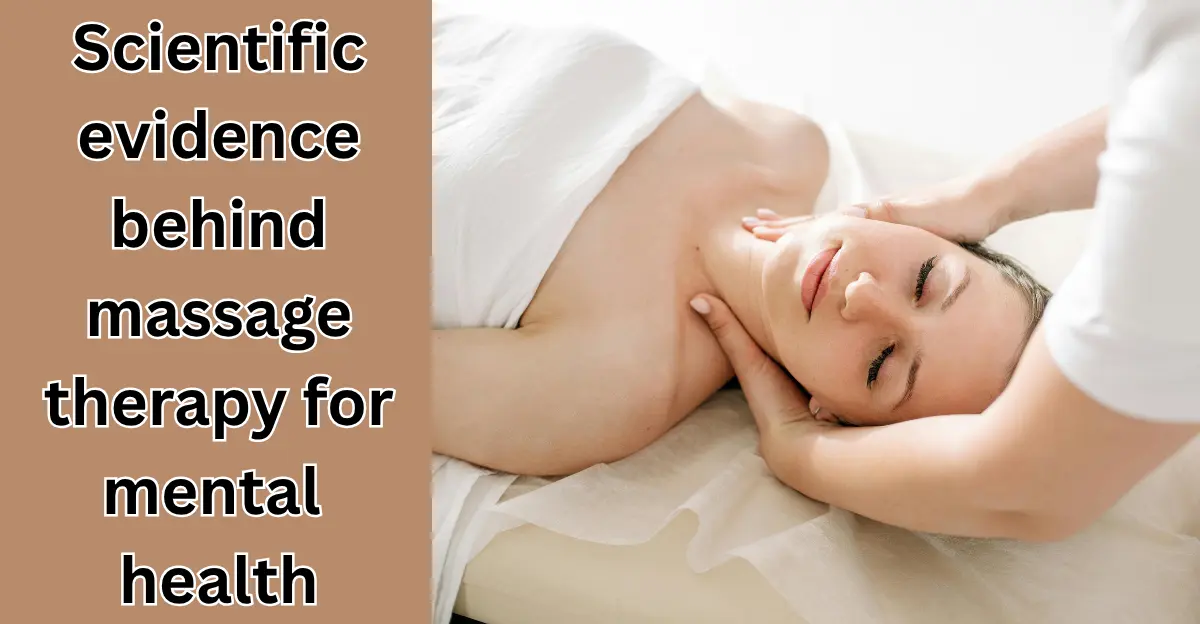
Significant stress affects both the mind and body, but massage gently transforms appearance and supports a stable mental state through calming touch. Growing scientific research continues supporting these practical observations as experts grow deeper insights into how therapeutic touch directly affects brains and bodies. These findings confirm that massage creates a powerful connection between physical care and emotional recovery, making it an effective, natural way to strengthen mental well-being.
From my personal experience, I felt a noticeable shift in my mood after a few consistent sessions. My body felt lighter and my thoughts cleared as if a weight had lifted. It showed me how real the connection is between touch and peace of mind.
What brain imaging studies reveal
Modern brain scans clearly show that massage affects how our brain works, especially in areas that control emotions and relaxation. Functional MRI studies on Swedish massage have found increased activity in parts of the brain like the subgenual anterior cingulate cortex (sACC) and the retrosplenial/posterior cingulate cortex (RSC/PCC). These areas are part of the default mode network, which helps with self-awareness and emotional balance.
PET scans also show that after a back massage, the anterior cingulate cortex becomes more active, linking touch to calm and emotional relief.
Different types of massage techniques affect the brain in different ways. Swedish massage, known for its long and gentle strokes, creates strong changes in brain activity while reflexology and pressure-based massages target other sensory pathways. Among these, traditional Swedish massage often provides the deepest sense of mental relaxation, easing both the body and mind.
Brain imaging also shows that massage activates the brain’s reward centers, such as the nucleus accumbens, caudate, and orbital frontal cortex. These areas release dopamine, the feel-good chemical that creates pleasure and contentment. This explains why many people feel lighter, happier and more relaxed after a good massage.
From my personal experience, I noticed how my thoughts slowed down during a massage, and the usual tension behind my eyes and forehead started to fade. It felt like my brain was resetting, leaving me calm yet energized when I got up from the table. That peaceful clarity stayed with me for hours afterward.
Hormonal changes observed in clinical trials
Clinical research confirms that massage naturally alters biochemistry in the body. Studies show that it can decrease cortisol levels by a noticeable amount, and these effects don’t fade right after the session. In one study, participants who received regular heat massages for a few weeks had significantly lower cortisol levels, showing how the body slowly learns to let go of built-up tension with consistent care.
Massage also increases neurotransmitters like serotonin by 28% and dopamine by 31%, both of which play key roles in emotional balance. This gentle hormonal rebalancing brings a sense of calm and contentment that stays even after the session ends.
The effects of massage therapy often depend on frequency. Research shows that a once-weekly massage helps maintain positive immune changes, while twice-weekly treatments can further enhance neuroendocrine function, supporting the balance of oxytocin and cortisol. Together, these shifts build a stronger foundation for mental and physical well-being.
From my personal experience, I’ve noticed that after a few weeks of regular massages, my sleep became deeper and my stress reactions softened. My body felt lighter and my thoughts cleared up in ways that surprised me. It truly felt like my hormones had found their rhythm again.
Massage and immune system response
The mental health benefits of massage therapy reach deeper than relaxation. It actually helps strengthen the immune system, supporting both emotional and physical health. Studies at Cedars-Sinai found that just a few minutes of Swedish massage can trigger changes in lymphocytes, the white blood cells that play a key role in defending the body against disease. Continued research reveals that massage increases the activity of natural killer (NK) cells, allowing the body to fight off viruses and cancer cells more effectively.
When people face stressful life events, their internal balance can weaken. Massage helps maintain that mental equilibrium and builds physical resilience through relaxation and improved circulation. Research shows that massage therapy decreases inflammatory cytokines, which reduces tension while boosting immune surveillance and preparing the body to respond to threats naturally. It’s an example of how simple touch can support the body’s deeper healing systems.
From my personal experience, I noticed that regular massages made me more resistant to burnout. I stayed healthy even when life got intense and my body felt lighter and more awake. That calm strength carried into my days, making everything feel more manageable.
When Massage Works Best and When it doesn’t

In any career, massage therapy can be a valuable solution for maintaining balance and easing tension. The mental health benefits of massage are well-documented, but understanding when massage works best and when its limitations appear is crucial for making informed wellness decisions. Massage tends to work best when used regularly to manage stress, improve sleep and support emotional wellbeing, rather than as a quick fix for deeper psychological struggles.
From my personal experience, I’ve seen that massage helps most when I include it as part of a steady routine. It keeps my stress under control and clears my mind, but during times of emotional burnout, I’ve learned it’s most effective when paired with rest and mindfulness. That balance is where the real healing happens.
Chronic stress and burnout
Burnout has become common among people with demanding careers and hectic schedules. For many individuals, massage therapy serves as an effective stress reduction tool that helps restore both mental and physical energy. The real benefit of massage therapy lies in how research shows it decreases cortisol levels while increasing serotonin and dopamine, two key chemicals that stabilize mood and improve motivation.
Regular massage sessions are known to ease the weight of chronic stress. Even twice-weekly massages can make a difference, helping people feel more centered and resilient in their daily routines. Studies show that individuals receiving regular massage therapy experience less anxiety, lower depression and reduced pain after each session, making it a practical approach to managing ongoing pressure.
From my personal experience, I’ve felt the effects of burnout lift after sticking to a consistent massage routine. My focus returned, my body stopped feeling so heavy and I handled work stress without losing energy. It reminded me that caring for myself consistently was the real secret to staying strong.
Sleep issues and insomnia
Many Americans face sleep problems due to stress and long workdays, but massage therapy has shown remarkable potential in improving rest. Research on massage confirms that it improves sleep quality by decreasing cortisol and increasing serotonin and melatonin, the natural sleep hormones that help the body relax. These hormonal changes make it easier to fall asleep and stay asleep through the night, leading to deeper and more restorative rest.
During insomnia or a particularly stressful period in one’s career, regular evening massages can help reset sleep patterns. Many people find the benefits especially helpful when they struggle with racing thoughts at bedtime, as massage helps the body activate the parasympathetic nervous system, allowing the mind to slow down and drift naturally into sleep.
From my personal experience, I noticed how my restless nights faded once I added a short massage routine before bed. My body relaxed more easily and my thoughts stopped spinning endlessly. It felt as though my mind had finally learned how to rest again.
Limitations and safety considerations
Massage isn’t appropriate for everyone or every situation. It should be avoided in cases where it might cause harm or slow down recovery. These include:
- It should not be performed on areas with severe inflammation or infection, because touch can worsen pain or spread bacteria.
- Recent surgeries or open wounds need time to recover, and applying pressure too soon can interrupt healing.
- People with blood clots or cardiovascular conditions should be cautious, as massage affects blood flow and may increase risk.
- Those with broken bones or acute injuries should wait until the body is stable before any massage session.
Massage can help improve emotional balance, but for mental health conditions, professional therapy should always be the primary treatment. Massage works best as a complementary method, not as a replacement. People with pre-existing health conditions should consult their healthcare providers before starting sessions to ensure the treatment is safe and beneficial.
The effectiveness of massage for mental well-being depends on individual needs and how often it is received. Every person responds differently based on their condition, technique and pressure applied. Understanding what feels right is essential and experimenting with different approaches helps find the one that supports both mental and physical well-being effectively.
From my personal experience, I once booked a session after recovering from a mild ankle injury. My therapist adjusted the pressure carefully and focused on safe areas. That thoughtful approach helped me relax without pain and made me realize how awareness and communication make massage truly beneficial.
Conclusion
Massage therapy goes far beyond simple relaxation; it’s a science-backed practice that nurtures both the mind and body. Easing stress, improving mood and restoring hormonal balance, it helps create a deep sense of calm and emotional clarity. When practiced regularly and safely, it supports overall mental wellness and strengthens resilience against daily challenges. In a world that rarely slows down, massage offers a gentle reminder to pause, breathe and reconnect with ourselves.
FAQs
1. How does massage improve mental health?
Massage therapy supports mental health by lowering cortisol, the body’s main stress hormone and increasing serotonin and dopamine levels, both known as feel-good neurotransmitters. This science-backed process helps reduce anxiety, lift mood and restore emotional balance. Regular sessions promote deeper relaxation and improve overall mental well-being.
2. Can massage help with anxiety and depression?
Yes, research shows massage therapy can ease anxiety and depression symptoms. The soothing pressure and repetitive motions calm the nervous system, lower stress levels, and enhance mood. Many people describe feeling lighter, more grounded and emotionally recharged after consistent sessions, especially during stressful phases of life.
3. Is massage therapy a science-backed way to support mental health treatment?
Massage therapy is recognized as a science-backed complementary approach for mental health. While it’s not a replacement for therapy or medication, it works effectively alongside them by reducing stress, improving sleep quality and promoting emotional resilience. For many, it’s a holistic way to feel better both mentally and physically.
Please Write Your Comments