How to Get Rid of Oily Hair: 8 Easy Ways to Get Rid of Greasy Hair
Updated: January 3, 2026
61
Dealing with oily hair and a greasy scalp can make your hair look dull and lifeless soon after washing. However, with the right routine, products and DIY solutions like baking soda, apple cider vinegar, lemon juice, tea tree oil or baby powder, you can effectively rid your roots of excess grease.
Follow these tips to treat your hair, promote healthy growth and break free from oily habits in the long term. Start today and give your hair the attention and care it deserves for less greasy days and a good shine.
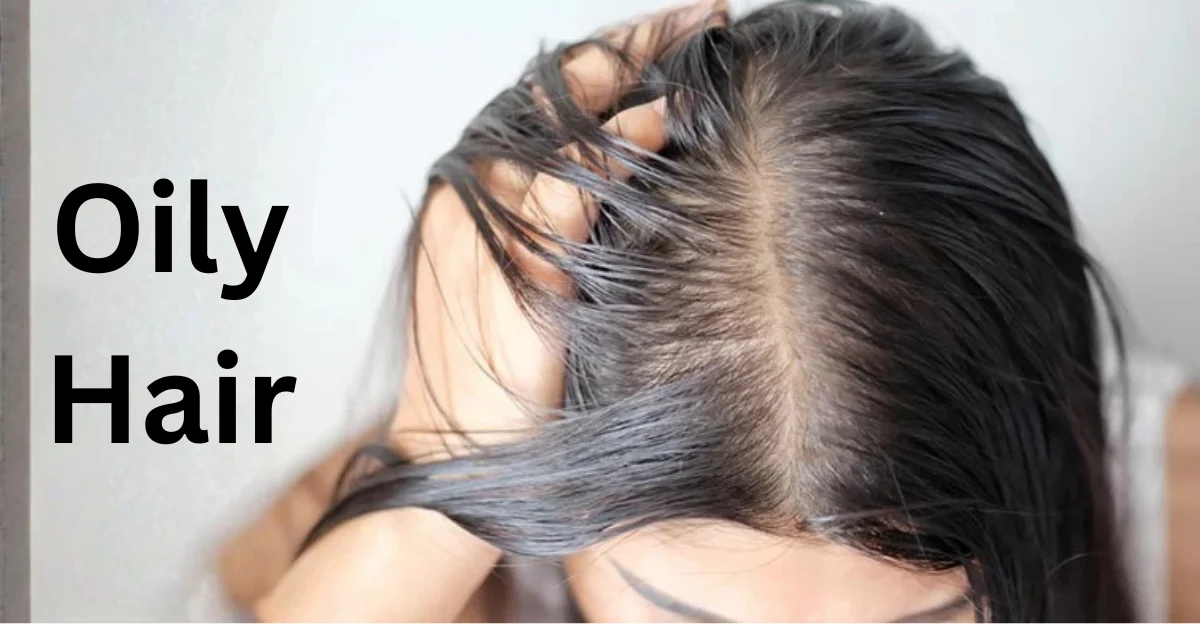
Table of Contents
What is Oily Hair?

Oily hair is a common annoyance caused when the scalp produces more sebum than necessary, leaving roots looking and feeling greasy soon after a daily washing. This natural oil is meant to provide protection and hydration, but sometimes scalps produce too much, making hair well-defined yet heavy and shiny. Hair care experts call it a sign that your scalp is overactive and adjusting your daily routine can break the cycle and restore balance.
8 Easy Ways to Get Rid of Oily Hair
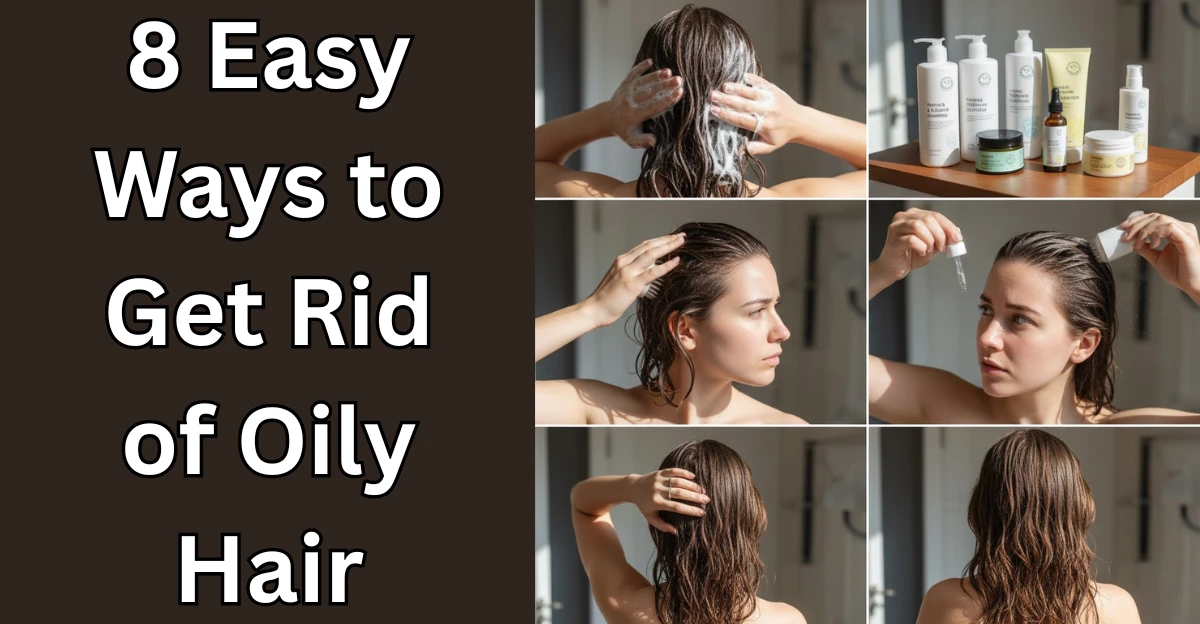
Managing oily hair is all about using the right products, following a consistent scalp care routine, and avoiding excessive washing that strips natural oils. Apply these 8 easy ways to fix greasy days and keep your mane looking and feeling fresh.
1. Establish a washing routine
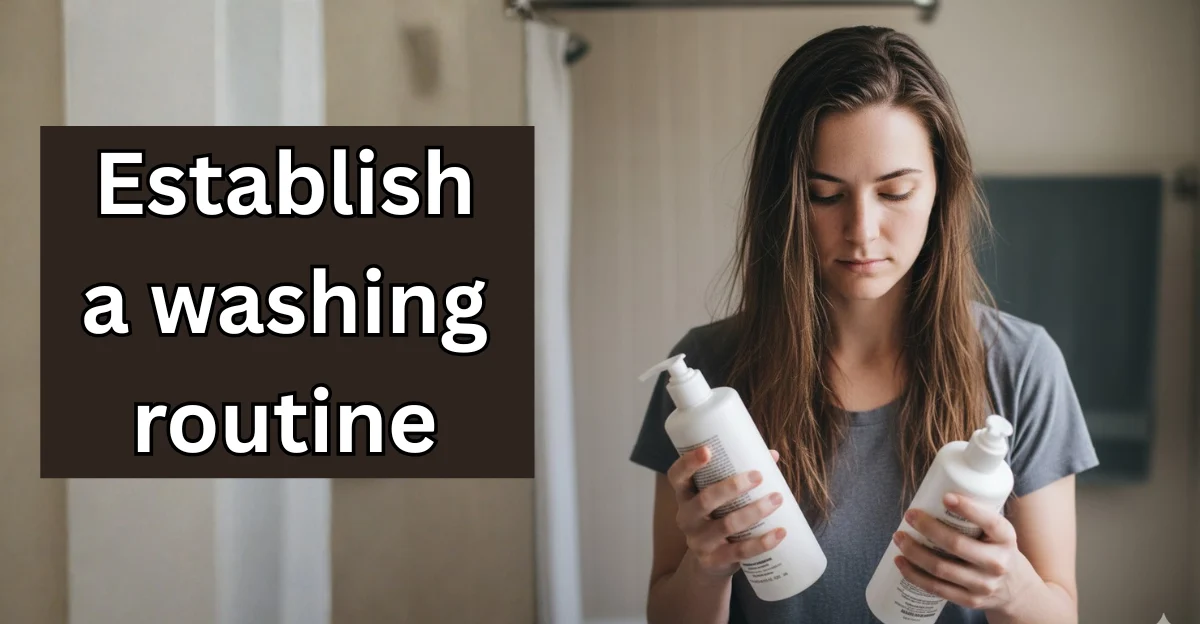
To establish a proper washing routine, you need to stick with it. How often you wash your hair is directly correlated with greasy buildup, because the scalp can trigger glands to overproduce natural oil. This can cause oily roots, while washing too infrequently allows dirt, sweat, and product to build up and become heavy. This happens typically with finer hair that needs care on a daily basis, so it is important to know what works best for you.
Let your lifestyle play a role, test around different lengths of time between washes, and determine the ideal pattern. Give it a few weeks to see how your scalp adjusts and adapts, whether that means washing more or less frequently. It may sound simple, but establishing a consistent routine truly works and it is the easiest way to ensure long-term control.
From my own experience, rushing changes never helped. I always allow time for habits to settle. Once consistency set in, oil levels balanced out naturally. That steady approach delivered the most reliable results for me.
2. Detox your scalp
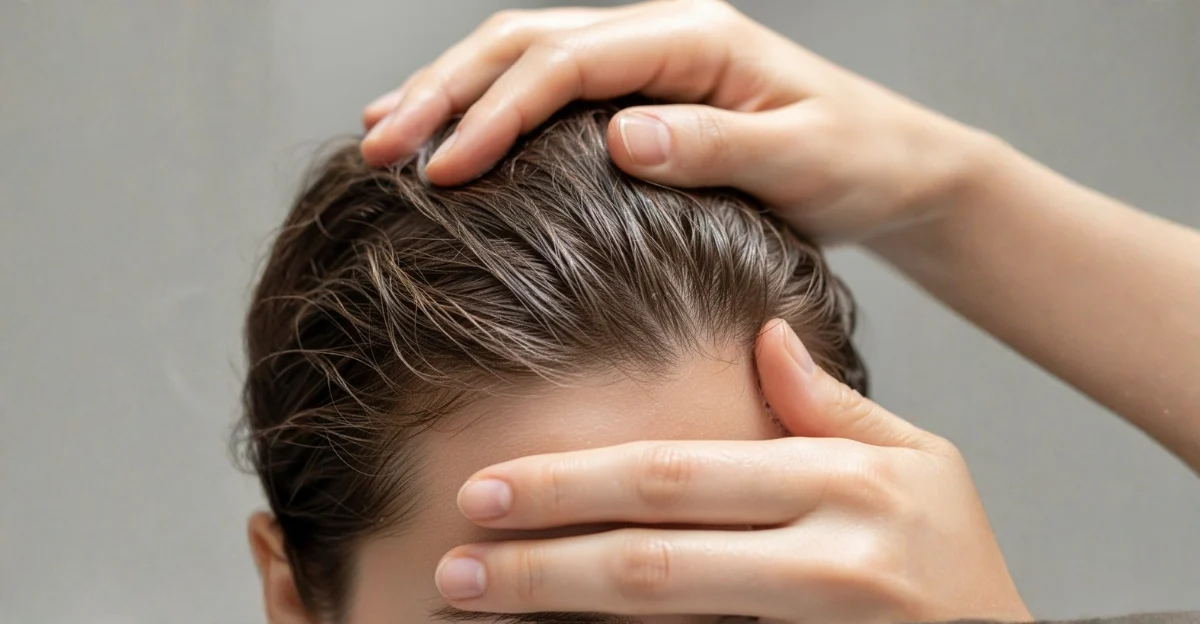
To detox your scalp, many people start wondering how to get rid of greasy hair fast and the key is making this step a core part of your washing routine. You should include using a clarifying shampoo product once a week, or less often like every few weeks, which is great because it provides a deeper clean. This process gets stubborn buildup from pollution, dandruff and hard water, which act as an enemy to any style and overall scalp comfort.
Most styling products used regularly are not able to wash away fully, especially when they feature heavy ingredients like silicone that glue-like resins, making them difficult as they sit on top and leave behind residue. A proper detox works as a reliable fix that helps reveal hair feeling fresh and revitalized.
From my personal experience, adding a clarifying step immediately reduced oil overload at the roots. I noticed my scalp stayed cleaner for longer without extra washing. Over time, the hair felt lighter and responded better to styling. This small change made my routine far more effective.
3. Use the right shampoo
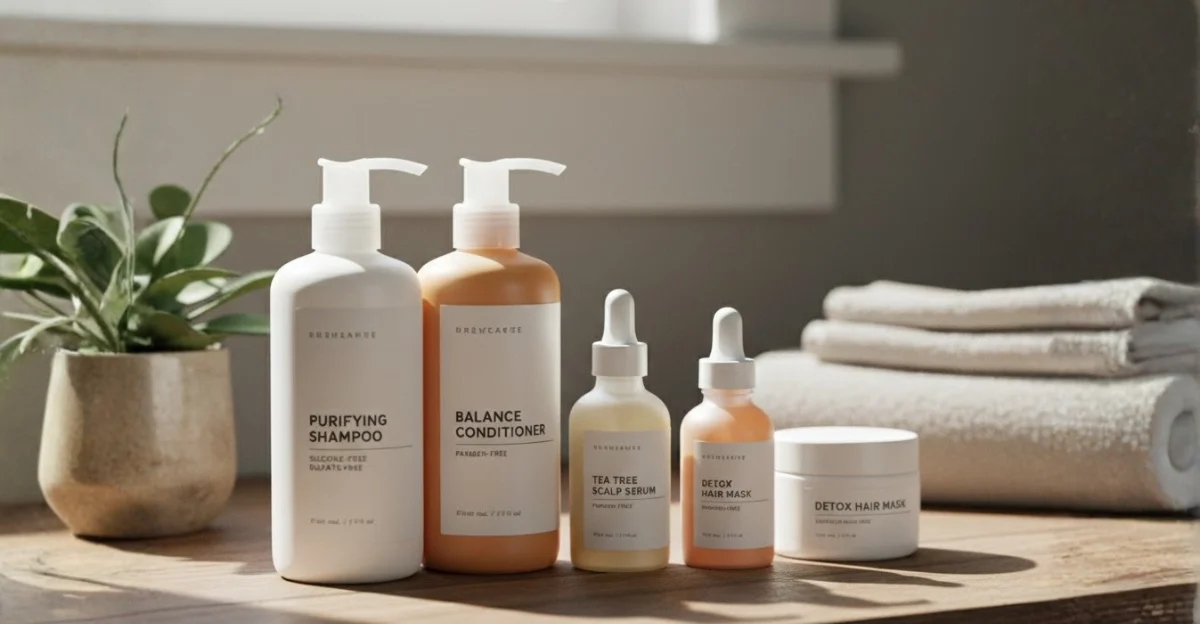
To use the right shampoo is another staple you should have in your shower when learning how to fight grease, because it’s not just about grabbing any formula for oily hair, but choosing one free from harsh ingredients such as silicones, sulfates and parabens that silently worsen buildup and imbalance.
Say No to Silicones
Many people ask why silicones create instant shine in the short term, but over the long run they build up on the surface of the hair and cause strands to feel thick, heavy, and greasy with stubborn residue, because they are not water-soluble and do not easily rinse away in the shower. This means that, plus they actually attract dirt, making oily hair harder to manage and style day after day.
From my personal experience, removing silicones was a turning point. My hair stopped feeling coated after washing. The scalp felt cleaner for longer periods. That simple switch reduced grease more than expected.
Skip the Sulfates
It’s important to know why powerful cleansing agents commonly found in many shampoos don’t always work well, because they can strip the hair’s natural oil, causing the scalp to overproduce oils in response. While they can be plenty effective for heavy buildup, the negative result often outweighs the benefit, making it safer to use sulfate-free alternatives for consistent oil control.
From my personal experience, switching to a sulfate-free shampoo calmed my scalp within weeks. Hair felt softer and less weighed down. Styling became easier, and oil buildup slowed noticeably. That small change improved my hair routine dramatically.
Pass on the Parabens
It’s important to pass on parabens when you use shampoo often, because they can dry out the hair and leave the scalp feeling irritated and itchy, which can lead to dryness while the scalp produce excess sebum, making greasy hair worse.
Choosing the healthiest option means selecting a silicone-free, sulfate formula and being ready to switch products, as immediate results are rare and it takes time for a proper detox from bad ingredients. After about five washes, you usually begin to see improvement in oil control and scalp balance.
From my personal experience, making this switch transformed my routine: the scalp stopped overproducing oil, hair felt lighter and styling became much easier. Sticking with a gentle, paraben-free shampoo gave the best long-term results for maintaining healthy and manageable hair.
4. Detox your shelf

If you are experiencing greasy hair regularly, it’s time to look beyond your shampoo and take a full look at all the products you use, including stylers that may contain silicones or parabens which can increase oil production. It’s smart to swap and leave behind conditioners or treatments that aren’t better suited for oil-prone hair and choose ingredients that are important, suitable for your type, whether thick, fine or fragile strands.
Products that can handle carefully create every look from loose waves, tight curls, to battle frizz and flatness should be silicone-free, paraben-free, and treatment designed specifically for your concern, because this step takes down more than just surface oil; it balances scalp health.
From my experience, clearing out old, heavy products made a huge difference: my hair felt lighter, roots stayed cleaner longer and styling became easier. It taught me that even small changes on the shelf can transform oily hair management.
5. Reach for dry shampoo

When time is short and you can’t shower, the easiest way to deal with greasy roots is a solution that’s easy, quick and effective to get rid of oily hair fast. Dry shampoo lets you manage those in-between days without sacrificing style or freshness.
Anyone who says dry shampoo isn’t helpful for oily hair hasn’t met the perfect hair day formula. The right product actually cleans while absorbing excess oils and odors, so you don’t need to dunk your head in water. A few shakes, spray it on and you can see the difference seriously.
For the best results, target the section of dry hair where oil shows most, and thoroughly apply the product in a sweeping motion. Focus on areas while holding the canister slightly away, then wait a few seconds for the powders to activate. You can cleanse by removeing any white residue while massaging the scalp with fingers or a hairbrush, then brush through and continue as needed. This leaves hair feeling clean without worrying about buildup, sweat or water.
Showing proactive care by using dry shampoo as part of your workout, morning, or styling routine helps prevent excess sweat and dirt from dampening your style.
From my personal experience, dry shampoo has been a total game-changer for managing greasy roots between washes. I noticed that the right formula instantly absorbs oil and refreshes my hair without leaving residue. Using it consistently during busy mornings or after workouts keeps my style looking fresh and manageable all day.
6. Blow-dry your roots
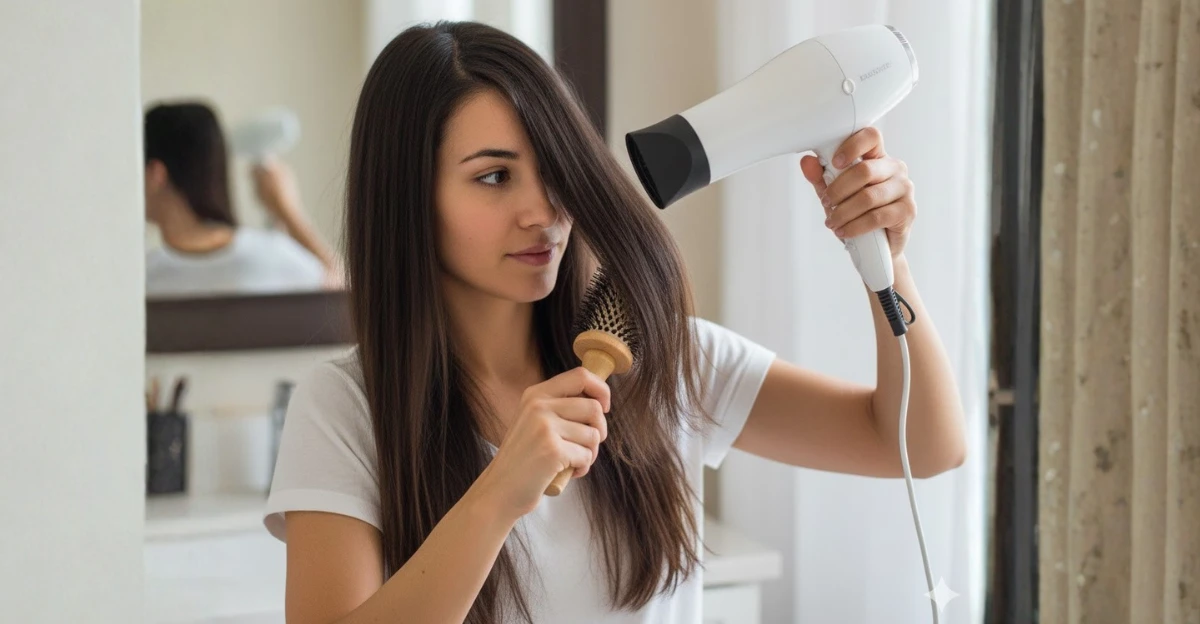
A blow-dry session is not just for styling; it’s a fast and effective way to dry hair after shampoo and quickly get rid of that bit of grease without hopping in the shower. Using a round brush to lift the roots helps breathe new life into strands, adding volume and shine while making hair look fresher and less oily.
From my personal experience, incorporating a quick blow-dry at the roots transformed limp, greasy hair into bouncy, light hair within minutes. It became my go-to trick before meetings or evenings out. Over time, this small habit helped maintain oil-free roots longer than relying on washing alone.
7. Blot It
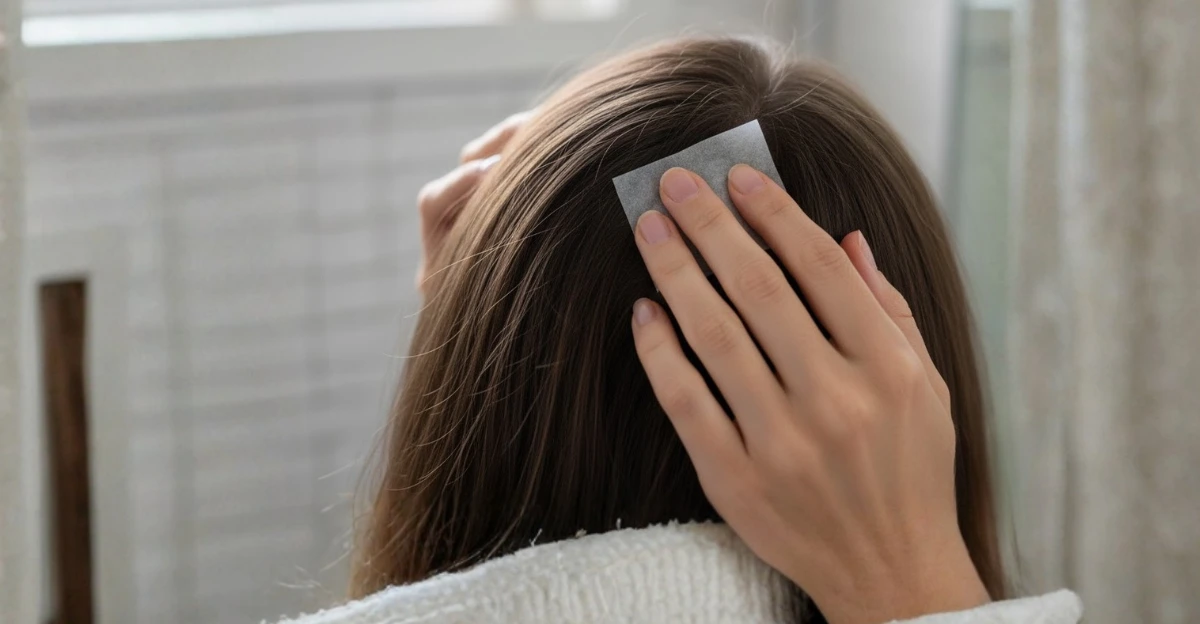
A quick way to blot greasy roots at home or on the go is one of the simplest tools to combat excess oil and get rid of that bit of oil without washing. Just take a pinch of blotting paper or a few squares from your stash in your purse, place them right along the part and close to the root and soak up the oil. This simple solution allows you to go about your day while removing visible grease and keeping your hair looking fresh.
From my personal experience, keeping a few sheets handy has saved me countless times before meetings or events. It’s discreet, fast, and surprisingly effective. Over time, I realized it also helps prevent buildup between washes and keeps styles looking polished.
8. Hide it with accessories

Using accessories like hats, headbands, or scarves is a smart way to manage greasy roots and oily hair while keeping your hairstyle intact. Styles such as top knots, French braids or a slicked-back bun work well on third-day hair or fourth-day hair, allowing strands to stay protected from damage caused by extra washing and styling.
These small tricks fix visible oil, slap a fun, stylish twist on your look, and help cover the problem while letting hair stick to a gentle routine that saves both time and effort. The advantage is that it’s the quickest way to hide a little oil and keep your hair looking polished, making hair care, hair styling and hair accessories work together to tame greasy hair strands and hair roots.
From my personal experience, relying on accessories has been a lifesaver on busy days. Even when my roots looked oily, a scarf or headband instantly refreshed my look. It also gives me time to extend washes without stressing my hair, keeping strands healthier over the long term.
Conclusion
Incorporating these 8 simple strategies can transform the way you manage greasy hair, keeping your roots fresh and your hairstyle intact. By following a consistent routine, choosing the right products and using practical tools like dry shampoo or accessories, you can control oil without over-washing. Small changes like detoxing your scalp and shelf make a big difference over time. Commit to these steps and enjoy healthier, more manageable hair every day.
FAQs
How do I stop my hair from being so oily?
To stop your hair from being oily, establish a consistent washing routine using a shampoo suited for your hair type. Avoid over-washing, which can trigger excess oil production and consider detoxing your scalp regularly to remove buildup from products and pollution. Incorporating lightweight conditioners and dry shampoo between washes helps maintain freshness and volume.
Can diet affect oily hair?
Yes, a diet high in processed foods, sugar and unhealthy fats can increase sebum production, leading to greasy hair. Eating balanced meals with plenty of fruits, vegetables, and hydration supports scalp health. Nutrients like zinc and omega-3 fatty acids help regulate oil production, making your hair look fresher and healthier naturally.
Does using dry shampoo too often damage hair?
Using dry shampoo occasionally is safe and effective for managing greasy roots, but relying on it too often can leave residue that clogs pores and dulls your hair. Always massage it into the scalp gently and brush through thoroughly. It’s best used as a temporary solution while maintaining a proper washing routine to protect hair health.
How long does it take to balance an oily scalp?
Balancing an oily scalp usually takes a few weeks after establishing the right routine, switching to sulfate-free, paraben-free shampoos and avoiding harsh products. Regular detox treatments and proper styling habits help normalize sebum production. With consistent care, you can reduce greasy buildup and enjoy cleaner and healthier hair.
Please Write Your Comments