How to Get Rid of Static Hair: Effective Tips To Stop Static Hair
Updated: December 31, 2025
94
Static hair can quickly turn a good hair day into a frustrating one, especially during cold and dry weather when flyaways become harder to manage. This guide on how to get rid of static hair shares practical and effective tips to keep your strands smooth, controlled and healthy. Start applying these proven techniques today and take control of static hair with confidence and ease.
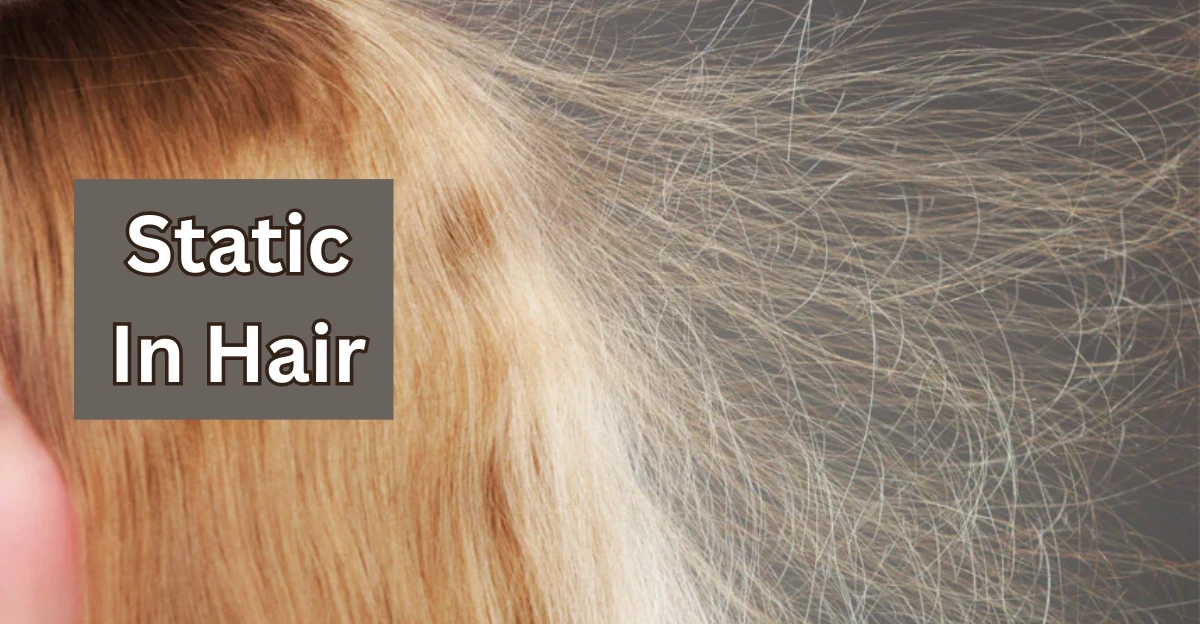
Table of Contents
What Causes Static In Hair?
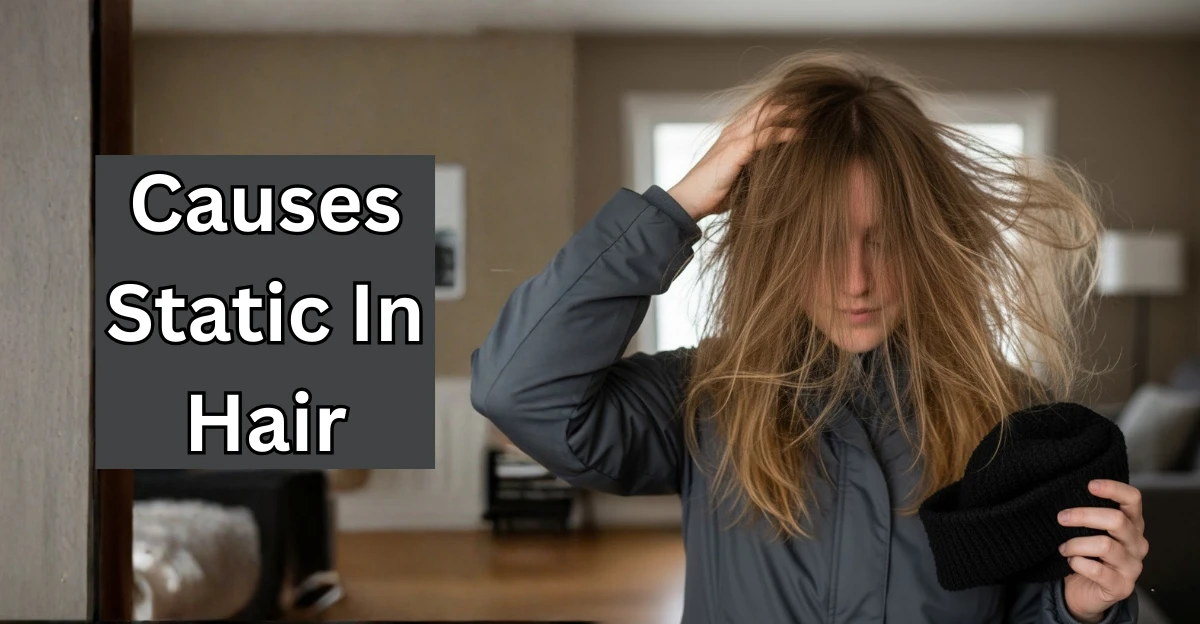
Static hair becomes prone to problems when it gets charged with electricity and in basic terms, this experience often hits while reading an article and still wondering why hair behaves this way.
Several factors, such as friction and changes in humidity, cause strands to gain electrons, building an electric charge. I still recall from science class how positive charges repel when hair gets charged, as individual strands lift away from each other, providing a more in-depth yet less technical explanation.
Hair is prone to static electricity when the air is dry since it generally lacks moisture, and natural oils act as a conductor that balances positive charge until hair goes away from calm conditions, while humid weather reduces the brunt hair takes from dry air.
Proper hair hydration and moisture make a real difference, and this is crucial for managing static electricity because they play both a preventive and a control. Every day, friction happens when the head rubs against a hat, scarf, jacket or collar which can create static. Synthetic fabrics like nylon and polyester are the worst causes of static hair.
From my professional experience, I see this daily in clients who switch outfits often in winter. I have dealt with the same issue during long styling sessions in dry studios. Understanding these triggers helped me control static faster and protect hair health long-term.
What’s the Difference Between Static and Frizz?
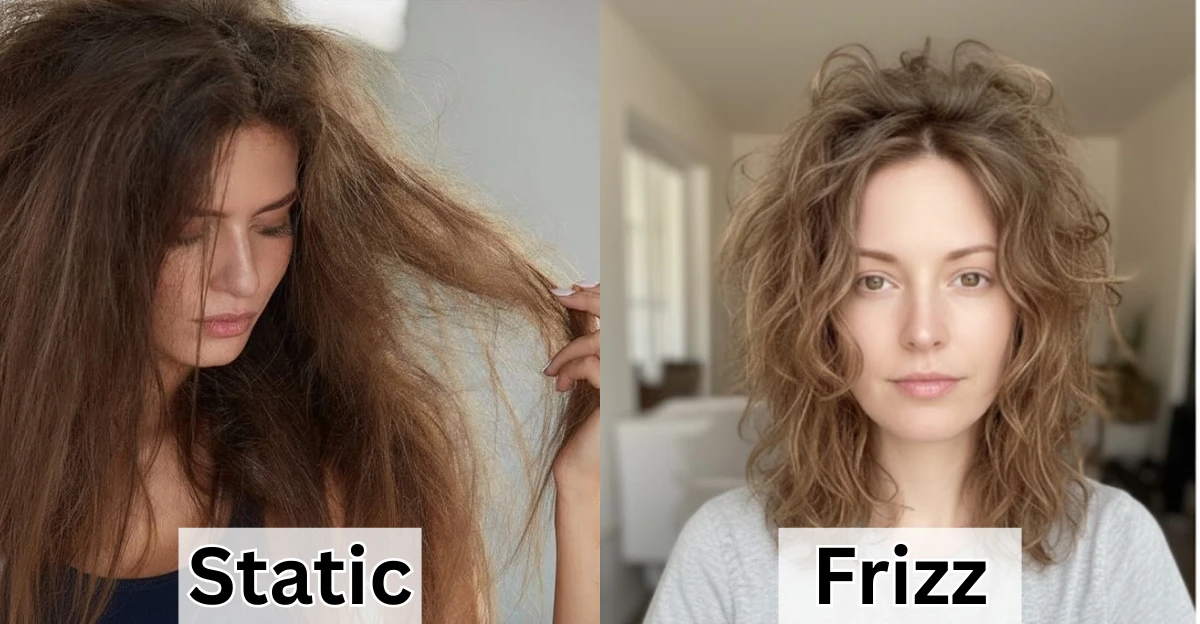
Static and frizz may look similar but the result is slightly different since flyaways stem from different causes when it comes to hair care. Hair becomes static when there is not enough moisture in the air, while frizz happens when too much moisture fills the air and hair soaks that moisture into the cuticle which stays raised, causing strands to swell, lift and start forming an irregular texture. If you are wondering why your hair looks frizzy, it is probably the result of humid air rather than dryness.
From my professional experience, I have seen clients misdiagnose static as frizz and use the wrong products. I faced this myself while working in coastal climates where humidity changed daily. Learning to spot the difference helped me treat hair correctly and maintain smoother results.
How to Stop Static Hair
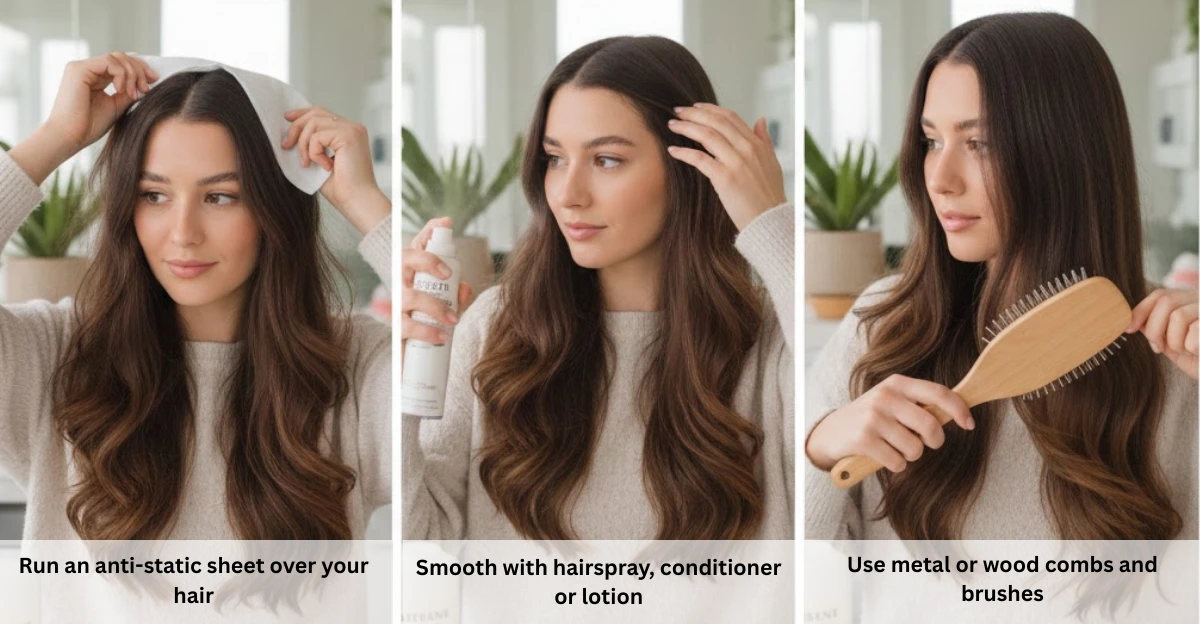
When static hits quick and flyaways appear out of nowhere, it often strikes right when you need your look to stay smooth, so having fast fixes for hair really matters. The right use of anti-static habits helps you learn how to calm hair down, and these practical tips help you get static out without stress, shared clearly below for everyday routines.
Run an anti-static sheet over your hair
Using an anti-static sheet on hair is a common DIY tip that comes straight from the laundry room, and it works as a fast way when you walk out the door and grab a dryer sheet to run it gently over your head. This helps neutralize the charge in hair and calm stubborn flyaways within seconds.
However, dryer sheets often contain harsh chemicals, so relying on regular anti-static sheets for hair is not always ideal, and there are available options specifically made for hair care. It is often said by many professionals that hair-friendly alternatives are safer for repeated use.
From my own experience, I used dryer sheets early in my career during quick fixes backstage. Over time, I shifted to products made for hair after noticing dryness from laundry sheets. That change helped me manage static without compromising hair health.
Smooth with hairspray, conditioner or lotion
To manage static hair, always carry a small container of leave-in conditioner in your bag for quick touch-ups. Take a small dab of a product like Hairstory Hair Balm, warm it between your palms and hands, then rub and glide it over your head to smooth away static. Working the strands gently together helps tame flyaways and keeps hair in place, making it look polished and healthy.
In my professional experience, keeping a compact leave-in like this has saved many styling sessions. I often use it before heading out in dry weather and it consistently keeps hair calm without weighing it down.
Use metal or wood combs and brushes
When styling hair, choosing metal or wood combs and brushes can make a big difference. These tools detangle hair without increasing static. Unlike plastic, non-conductive tools often make static worse because they remove negative charge from hair, which can actually make the problem bigger. Using the right tool is simple: always opt for metal or wood if you need to calm your strands quickly.
From my experience, switching from plastic to wooden combs in dry seasons noticeably reduced static during long styling sessions. It’s a small change, but it consistently keeps hair smoother and easier to manage.
How to Prevent Static Hair In The First Place
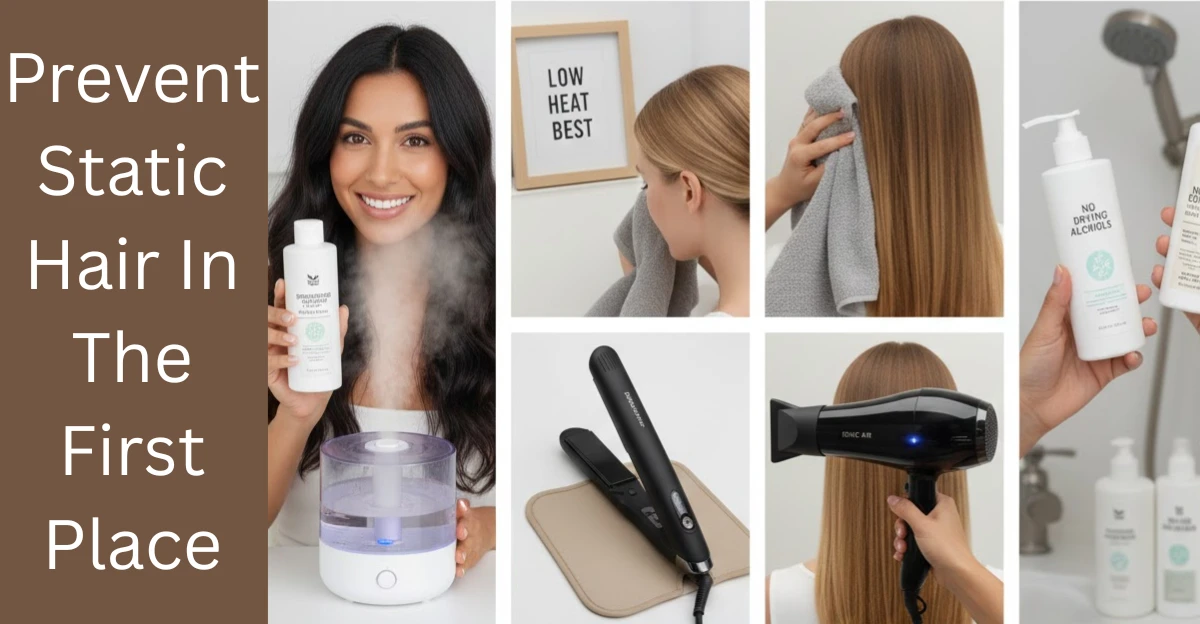
To prevent static hair, mastering a few techniques can stop static hair the moment it tries to appear. By preparing your dry weather routine and acting proactively, you can prevent static hair before it becomes noticeable. Simple tips like moisturizing regularly and using gentle fabrics make hair less of a static problem throughout the day.
Keep your hair moisturized
Keeping hair properly moisturized is essential because dry hair attracts a positive electric charge and becomes susceptible to static electricity. To keep static strands under control, maintaining sufficient moisture is key for healthy, manageable hair.
Using the right products regularly makes a noticeable difference. Many traditional shampoos contain harsh detergents that strip hair of its natural oils and moisture, so following up with a second product like a conditioner helps add it back effectively.
To maintain optimal moisture levels, a detergent-free shampoo is an excellent alternative because it cleanses without stripping hair of its natural protective barrier. You might still need a separate conditioner and occasionally, a leave-in product can be added to boost hydration and smoothness.
From my personal experience, switching to detergent-free shampoos and consistent moisturizing routines completely changed how my hair reacts to dry air. I noticed fewer flyaways and smoother strands during the winter months and even clients who struggled with severe static saw remarkable improvement after adopting this method.
Go easy on the hot tools
Overusing hot tools like blow-dryers, curling irons, and rollers can strip hair of its natural moisture, leaving it dry and prone to static electricity. The air-dry method often gives the best results, and applying a small amount of styling product such as Hair Balm can lock in moisture and protect against frizziness while embracing a more natural look.
Excessive heat styling sometimes requires a cold turkey approach, where you plug the tools for a while and rely on smooth lotion or a Dressed Up protectant that acts as a buffer between the tools and your hair, protecting if you’re not willing to fully quit heat styling.
From my personal experience, reducing daily use of hot tools and incorporating a protective balm before any styling significantly minimized static and improved hair texture. Over time, I noticed less frizz, stronger strands and a healthier shine, even in dry indoor environments.
Opt for an ionic hair-dryer
Using an ionic hair-dryer can transform your drying routine because ionic dryers emit negative ions that break down water molecules, speeding up evaporation while keeping your strands smoother than traditional dryers. These dryers work as a gentler alternative for drying hair, as the ions neutralize the positive charge in hair, effectively minimizing static electricity.
Personally, I’ve noticed that switching to an ionic dryer not only reduces drying time but also prevents frizz, making daily styling much easier and keeping my hair soft and manageable. From my experience, investing in a good ionic hair-dryer is one of the simplest ways to fight static while maintaining healthy-looking hair.
Stay away from products with drying ingredients
To keep your hair flyaway-free, it is important to check the labels on your haircare products because many of them contain ingredients notoriously drying, like sulfates, certain types of alcohol and other products such as silicones that are not necessarily drying but can build up on hair and eventually lead to a dry, dull appearance. To stay flyaway-free, the best approach is to choose sulfate-free and silicone-free products.
Additionally, when air gets dry, wearing sweaters, scarves, and hats can make static begin to appear, and don’t settle easily, leaving hair perpetually electrified and lacking that solid finish. Adding a little Hair Balm to your haircare routine or keeping it in your handbag can help your hair look smooth and flyaway-free year-round.
From my experience, switching to sulfate-free and silicone-free haircare completely changed the way my hair behaves in winter. I no longer deal with strands sticking out from hats or scarves and applying a small amount of Hair Balm after styling keeps my hair soft without weighing it down.
Conclusion
Managing static hair becomes much easier when you combine proper moisture, careful styling and the right tools. Simple habits like using ionic dryers, avoiding harsh products and keeping strands hydrated can prevent flyaways before they start. Consistently applying these techniques ensures your hair stays smooth, healthy and easy to manage. With these tips, you can confidently maintain polished hair even in dry and cold weather.
FAQs
How do I stop my hair from being static?
To stop your hair from being static, keep it moisturized and avoid excessive use of hot tools. Using ionic dryers, metal or wooden combs and leave-in conditioners can neutralize charges and reduce flyaways. Regular hydration and gentle styling prevent static from forming in dry or cold weather.
How do I remove static from my hair naturally?
You can remove static hair naturally by using moisturizing products, such as leave-in conditioners or a small dab of Hair Balm and by avoiding synthetic fabrics that create friction. Air-drying hair and rubbing a slightly damp hand over strands also helps neutralize the charge without chemicals.
How do you get rid of static fast?
To get rid of static fast, run an anti-static dryer sheet gently over your hair or use a small amount of leave-in conditioner on flyaways. Metal or wooden combs can also quickly calm individual strands, providing instant smoothness and control for styling emergencies.
How to fix static hair in winter?
Winter hair is prone to static due to dry air. Keep hair hydrated, use detergent-free shampoos, ionic dryers, and protective leave-in products to prevent flyaways. Wearing natural fabrics and avoiding overuse of hot tools helps maintain smooth and manageable hair throughout the season.
Please Write Your Comments