How to create Double Dutch Braid Updo
Updated: December 16, 2025
90
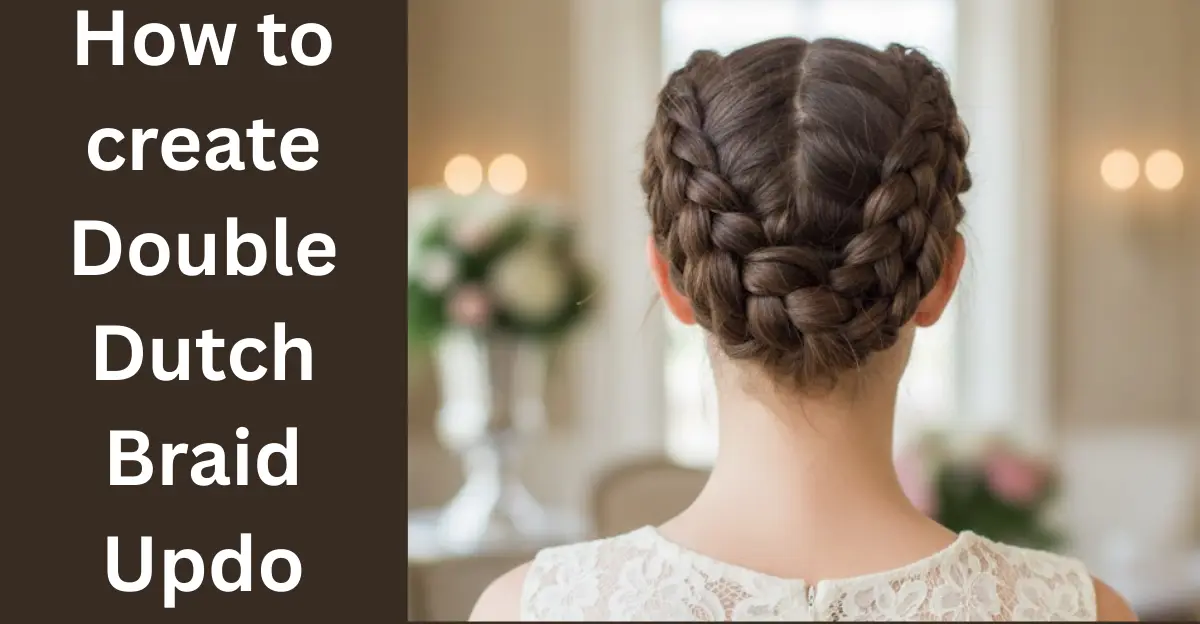
The Double Dutch Braid Updo is a stylish and on-trend hairstyle that blends elegance with everyday ease, making it perfect for casual outings, brunch plans or special events. This guide helps you understand the look clearly while keeping the process simple and approachable. Follow along to master this braided updo and start creating a chic and polished style that upgrades your hair game effortlessly.
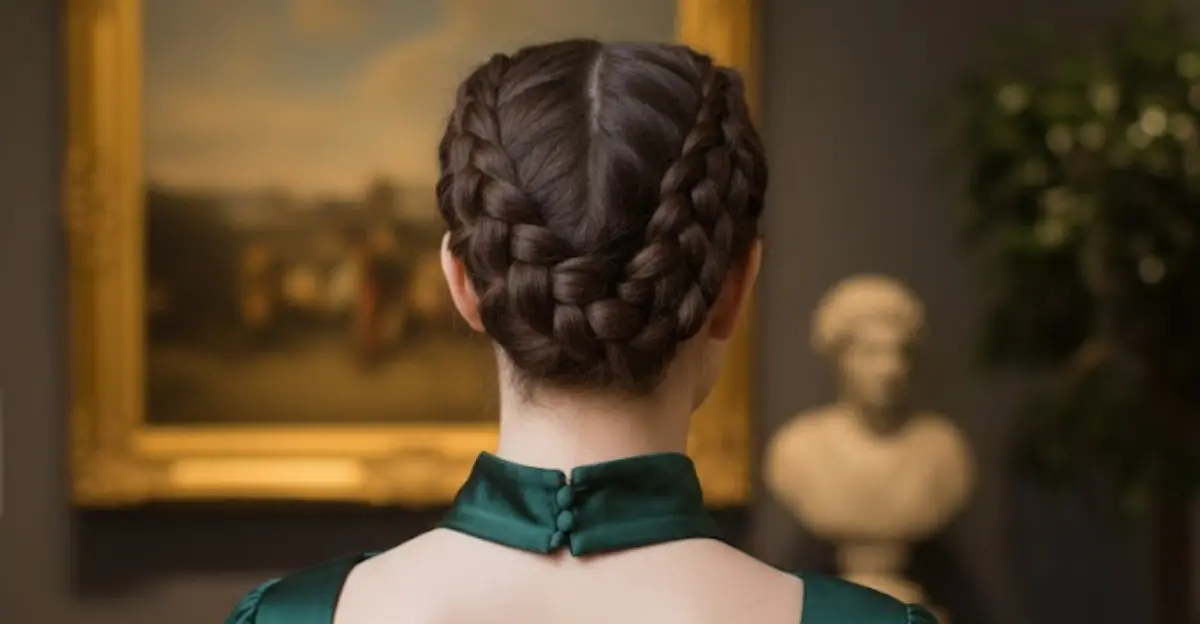
Table of Contents
Step 1: Preparation and Sectioning
Having the required tools ready ensures a smooth start and sets the tone for a flawless braided updo. Proper preparation helps the hair behave better during styling and gives a clean, long-lasting final look.
- Use a hairbrush to detangle and smooth the hair before starting the braids, making the strands easier to handle.
- A tail comb is useful for creating precise parts and managing small sections of hair efficiently.
- Keep hair elastics nearby to secure the braids and maintain a neat final look.
- Bobby pins are essential for securing braids and keeping any loose strands neatly in place.
- Apply hairspray to set the hairstyle, tame flyaways, and achieve a polished look.
- An optional texturizing spray or mousse can add grip and volume to the hair, making the braiding process easier and the final look more voluminous.
Start by thoroughly brushing your hair to remove tangles and make it easier to style. You can optionally apply a small amount of texturizing spray or mousse across damp or dry hair. This step not only adds volume but also gives extra grip, making the hair easier to manage when braiding. Using a texturizing product helps the braids hold better and prevents them from slipping, which is particularly useful for very fine or silky hair.
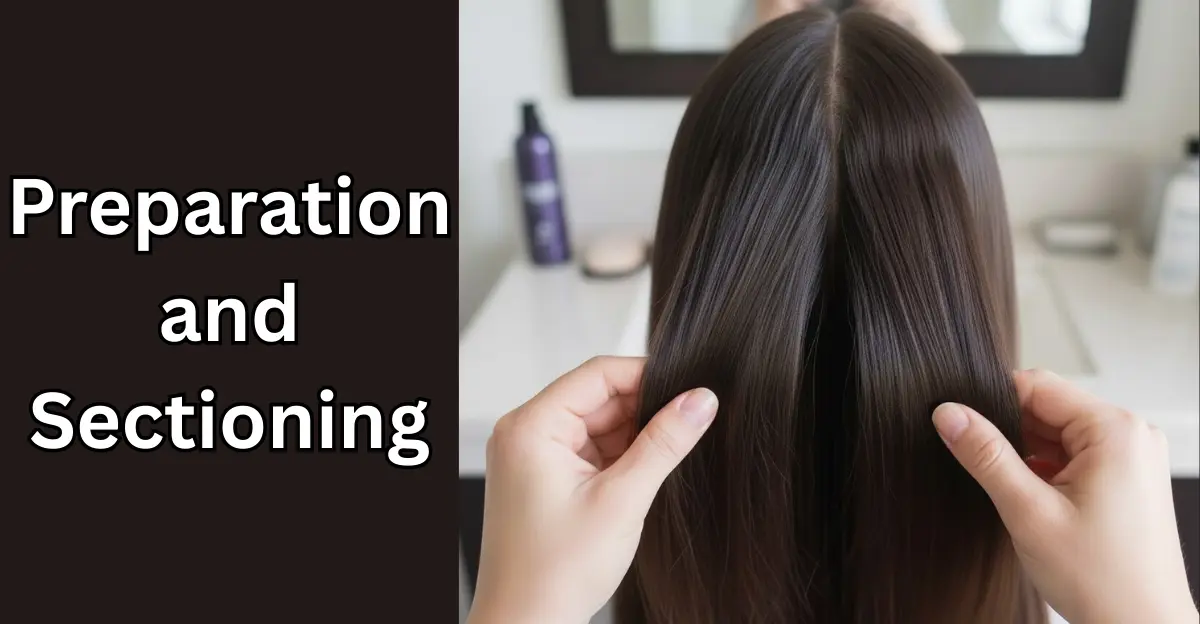
After smoothing the hair, take a tail comb to form a center part from the forehead down to the nape of the neck, which naturally divides the hair into two equal sections. Secure each section with a tie just above the nape, keeping the hair separated and easy to manage for the next steps of braiding.
From my personal experience, I’ve found that even a light mist of texturizing spray makes a huge difference. The hair feels more controlled and easier to work with and the braids tend to stay neat much longer. It also gives the updo a subtle fullness that looks polished without feeling stiff.
Step 2: Start the Dutch Braid
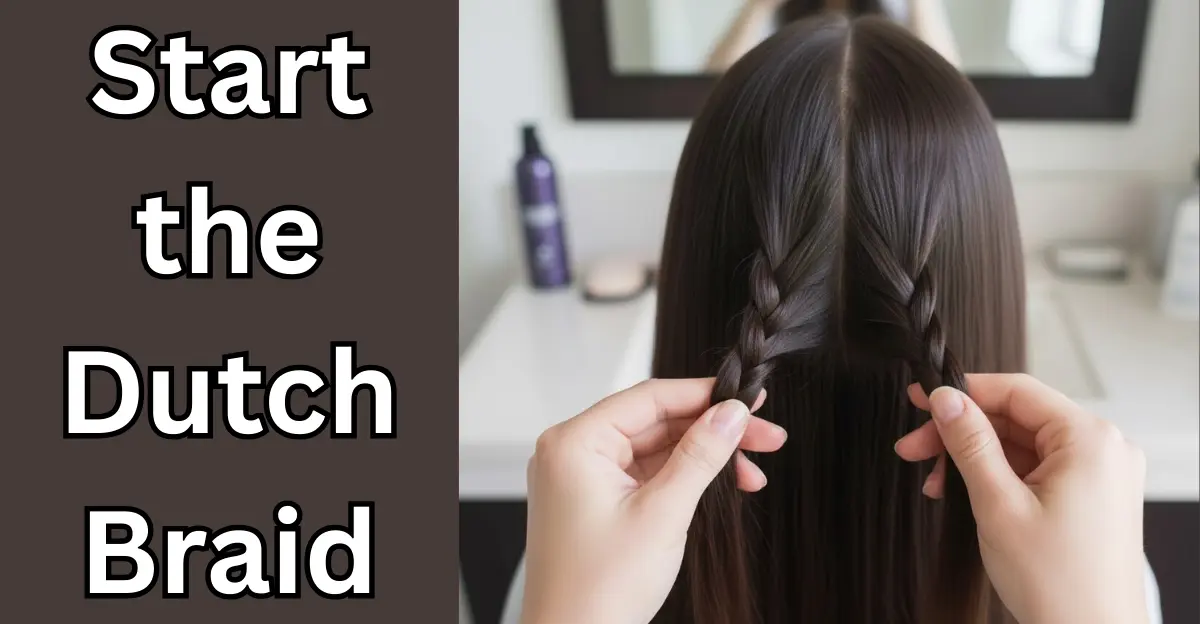
Begin by starting from the top of the head on one side by grabbing a small section of hair, roughly two inches wide and parting it down from the forehead to the starting point of the dutch braid. This braid, also called a reverse French braid, differs from a traditional French braid because the strands are crossed under each other rather than over, which helps the braid stand out and pop off the head, giving a striking look.
Divide this initial section into three even strands, and this is where the magic begins. Each weave will build the structure of the braid while maintaining tension, allowing the braid to stay elevated and visually prominent.
- Begin with the crossing under technique by taking the right strand and crossing it under the middle strand, then do the same with the left strand, crossing it under the new middle strand. This completes the basic one cycle of a Dutch braid and sets the foundation for the rest of the braid.
- When adding hair, prepare to cross the right strand under again, this time adding a little more hair from the right side of the head. This strand, gathering the new hair like recruits in a braid army, is then crossed under the middle, making the braid thicker and structured.
- Repeat on the left side by taking the left strand and, before crossing it under the middle, grab additional hair from the left side of the head. Merge it with the current left strand, then cross it under the middle to keep the braid balanced and even.
- Continue the pattern, alternating sides and adding more hair each time. Always cross under carefully, smooth each strand and avoid bumps. Keeping the braid tight helps maintain neatness and gives the braid a polished and professional look.
- Maintaining consistent tension is important. This doesn’t mean pulling too hard, but rather keeping a steady, gentle pull so the braid remains snug and doesn’t loosen up. The right tension is what gives the dutch braid its signature elevated and standout appearance.
From my personal experience, paying attention to tension and adding hair gradually makes a huge difference in how the braid sits on the head. I’ve noticed that smoothing each strand as you go keeps the braid clean and polished, giving a professional finish even for casual styles.
Step 3: Continue the Braid
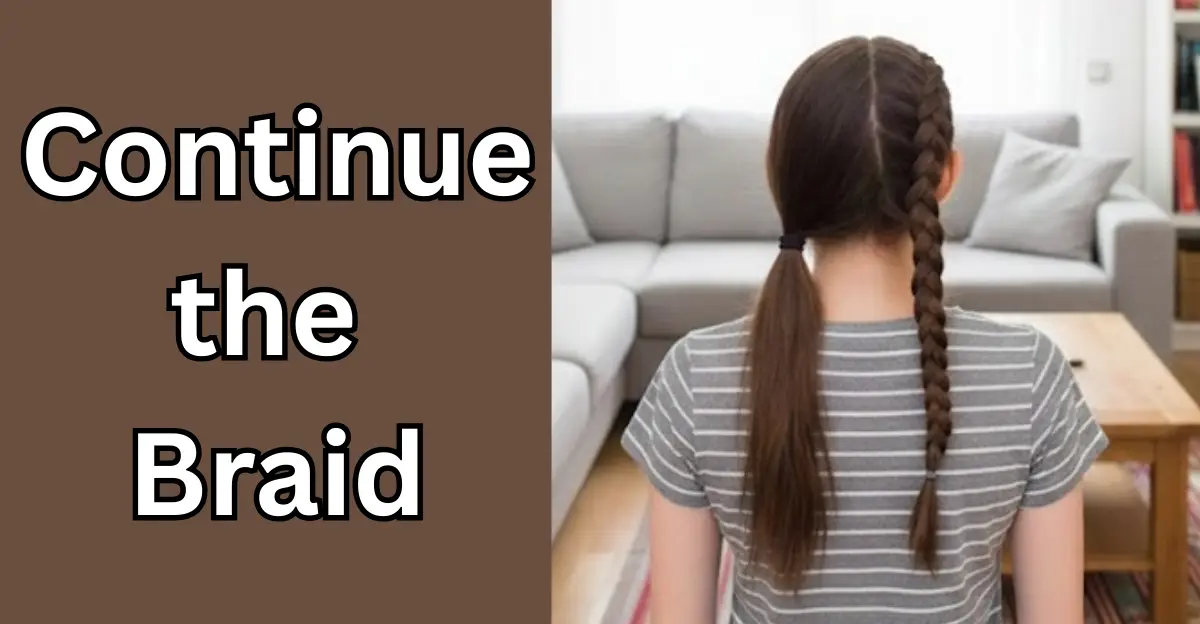
As you continue the technique, keep working your way down toward the nape of the neck. The key is to stay systematic and steady, observing how each weave moves down and takes shape along the side of the head. The braid naturally stands out against the scalp, giving it a defined and polished look as you progress.
Once all the hair on that side is incorporated, you can reach the nape of the neck and continue braiding using a traditional three-strand style. Simply part the remaining length of hair and secure it with a hair tie. At this point, you’ve completed one side of the Dutch braid and laid the foundation for a balanced and elegant updo.
From my personal experience, keeping a steady rhythm while braiding down the side makes a huge difference in the overall shape. I’ve noticed that observing how the braid naturally rises from the scalp helps maintain a clean and polished appearance and makes the next side much easier to mirror perfectly.
Step 4: Complete the Second Braid
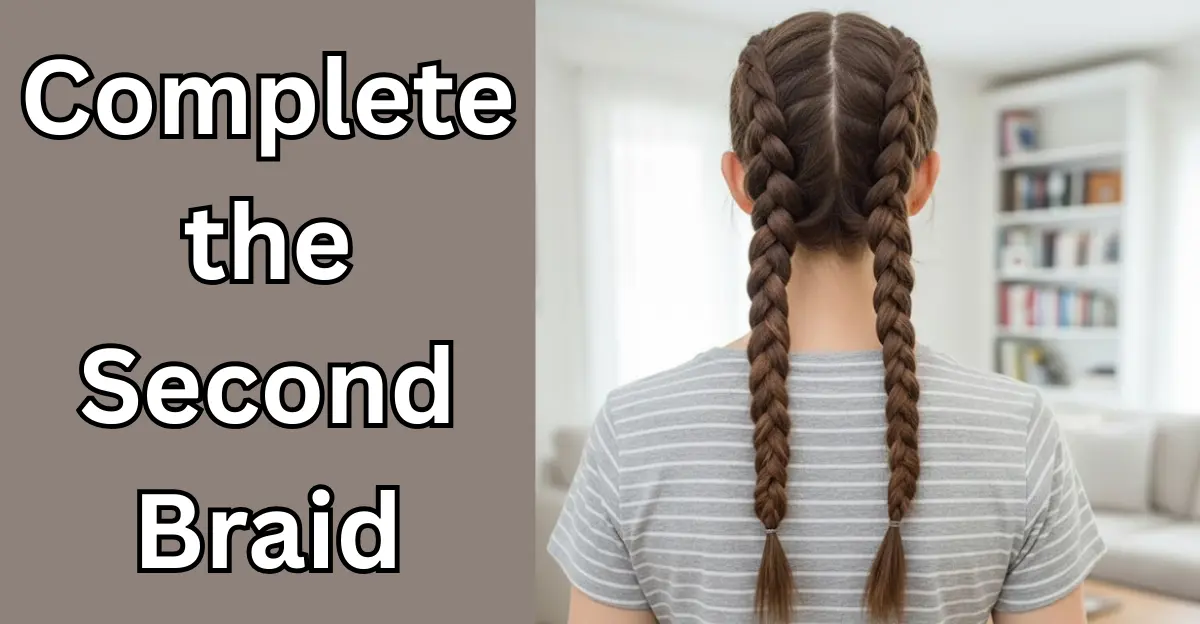
After finishing the first braid, move on to the other side and follow the same Dutch braid approach. Start by taking a small section at the top of the head, dividing it into three strands, and weaving each strand under the middle, gradually adding more hair as you braid down the side. This process mirrors the first braid while keeping the shape structured.
While adding hair, focus on keeping the strands smooth and tension even. This helps the braid stay tight and tidy, which is essential for a balanced and symmetrical look that complements the opposite side.
Continue until you reach the nape of the neck, then switch to a standard three-strand braid for the remaining length and secure it with a hair tie or elastic. Take a moment to assess both braids, adjust any uneven sections, and ensure they match before proceeding to the next stage of styling.
From my personal experience, approaching the second braid patiently makes a huge difference in symmetry. I’ve found that smoothing each strand and keeping the tension consistent ensures both sides look cohesive and polished, giving the updo a refined and professional finish.
Step 5: Secure the Braids
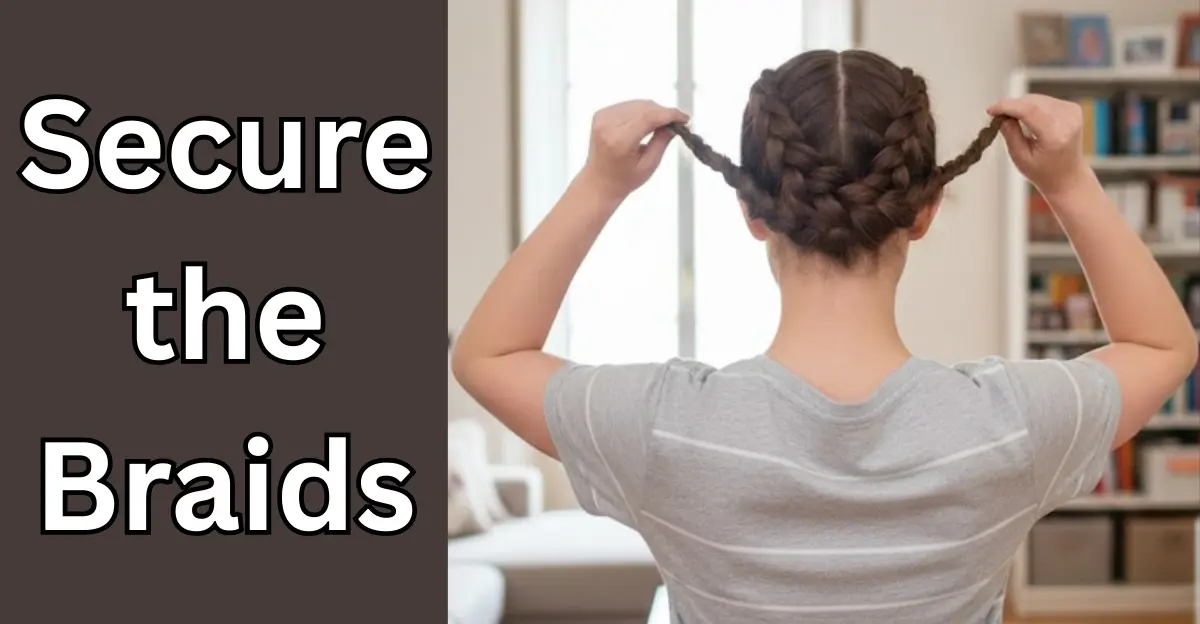
To achieve a polished final look, start by ensuring hair is neatly braided into two Dutch braids. Take your time to gently hold the ends of both braids while wrapping them around each other at the base, allowing them to meet at the nape of the neck, which will form a strong foundation for your updo.
Next, twist the braids into a circular coil, pressing against the head so the pattern stays visible and the braids lie flat. Tuck the ends underneath to keep the look clean and securely in place, ensuring the updo maintains its shape all day.
From my personal experience, taking a few extra minutes to wrap the braids tightly yet gently around each other makes a huge difference in how neatly the updo lays. I’ve noticed that holding the ends while forming the base prevents any slipping and keeps the pattern distinct, giving a professional finish without the need for excessive pins or styling products.
Step 6: Create the Braided Updo
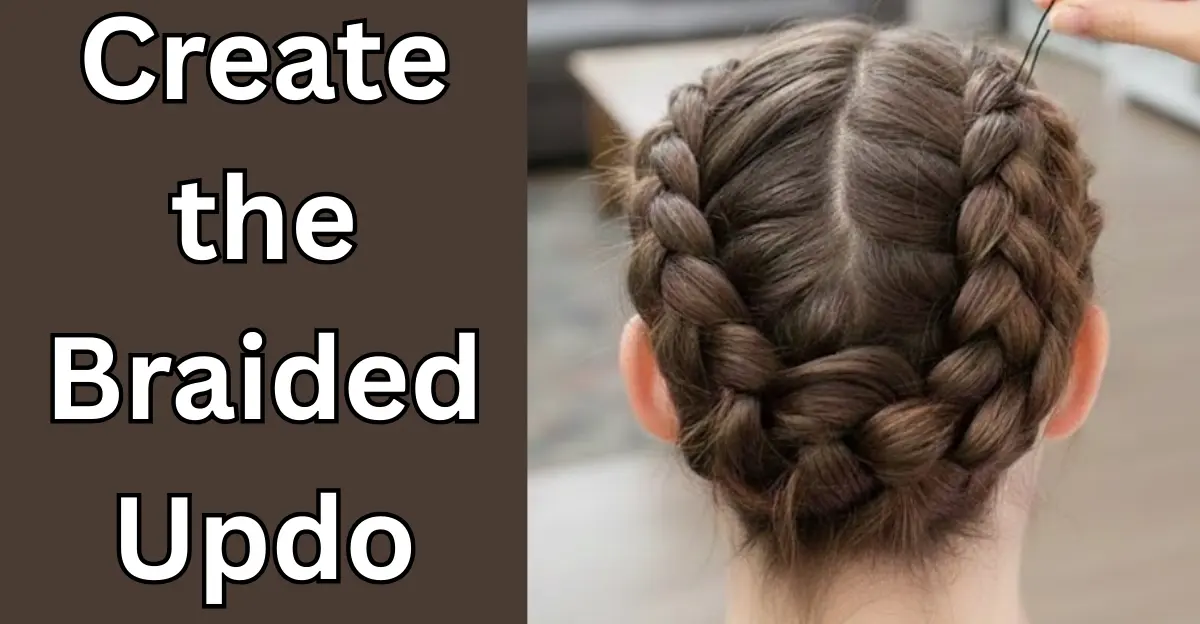
To create a sophisticated updo, start by twisting the unified braids around the base where they have been tied together. Work gradually, shaping the braids into a smooth U shape that naturally frames the head. Carefully tuck the ends under the updo to keep everything neat. Use bobby pins to secure the updo in place, inserting them discreetly so they remain hidden within the braids, while making sure the updo is firm and unlikely to unravel during wear.
From my personal experience, taking the time to gradually twist and tuck each section makes the updo feel much more stable and polished. I often find that inserting pins carefully rather than rushing ensures the braided shape holds all day, giving a clean and elegant finish every time.
Step 7: Finishing Touches
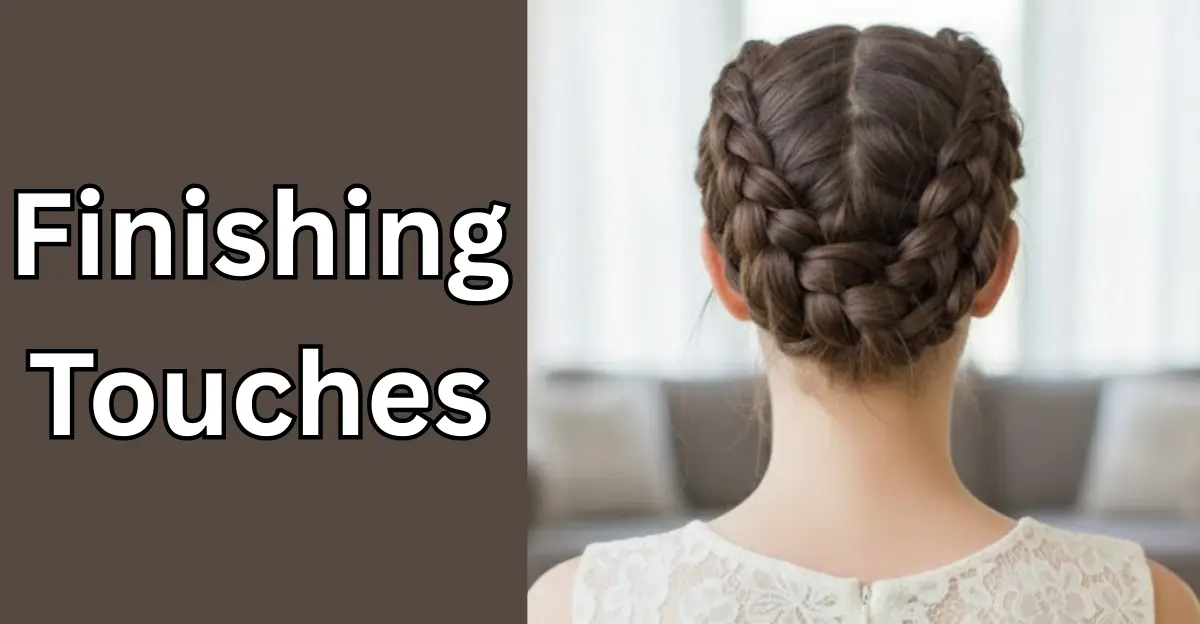
After your double-dutch braid updo is completed, turn around and inspect the back carefully. Add bobby pins in spots that feel loose to ensure everything stays in place and the look stays polished. You can optionally use a light mist of hairspray to tame flyaways and give a soft shine, highlighting the refined appearance of your stunning double dutch braid updo. Take a moment to double-check the symmetry and balance and move bobby pins around as necessary to perfect the style.
Remember, practice really does make perfect. Don’t be discouraged if your first attempt doesn’t match your vision. Every try helps you adapt the style to your hair type and length, and soon you’ll whip up a flawless double dutch braid updo effortlessly.
From my personal experience, small finishing touches like adding pins or a quick spray make a huge difference. I’ve noticed that the updo holds better and looks more structured when you pay attention to every loose strand. Each time I redo this style, I learn new ways to refine the braid’s shape so it sits naturally and elegantly.
Conclusion
Creating a double Dutch braid updo is a stylish way to elevate your hair game for any occasion, from casual brunches to elegant parties. With careful preparation, consistent technique and attention to detail, the braids stay neat, polished and long-lasting. Practice helps refine your approach, making each attempt easier and more precise. Adding finishing touches like bobby pins and a light mist of hairspray ensures the updo remains flawless throughout the day. With patience and repetition, you’ll soon be able to craft this stunning hairstyle effortlessly.
FAQs
How to do a double Dutch braid?
To create a double Dutch braid, start by dividing your hair into two sections, then braid each section by crossing strands under the middle rather than over. Gradually add hair to each strand as you work down the head, keeping tension consistent for neat, elevated braids. Finish by securing the ends and optionally wrapping them into an updo for a polished look.
How to make a braided updo?
Begin by braiding sections of your hair using your preferred style, such as Dutch or French braids and then gather the braids at the back. Twist or coil them into a bun or circular pattern, securing with bobby pins. Add hairspray and smooth any flyaways for a sleek, elegant and long-lasting updo.
What are zillion braids?
Zillion braids are a hairstyle made up of numerous tiny, evenly spaced braids covering the entire head. This style creates a textured, intricate look that can be styled into buns, ponytails or left loose. They are popular for both protective styling and creating standout and fashionable hair designs.
Please Write Your Comments